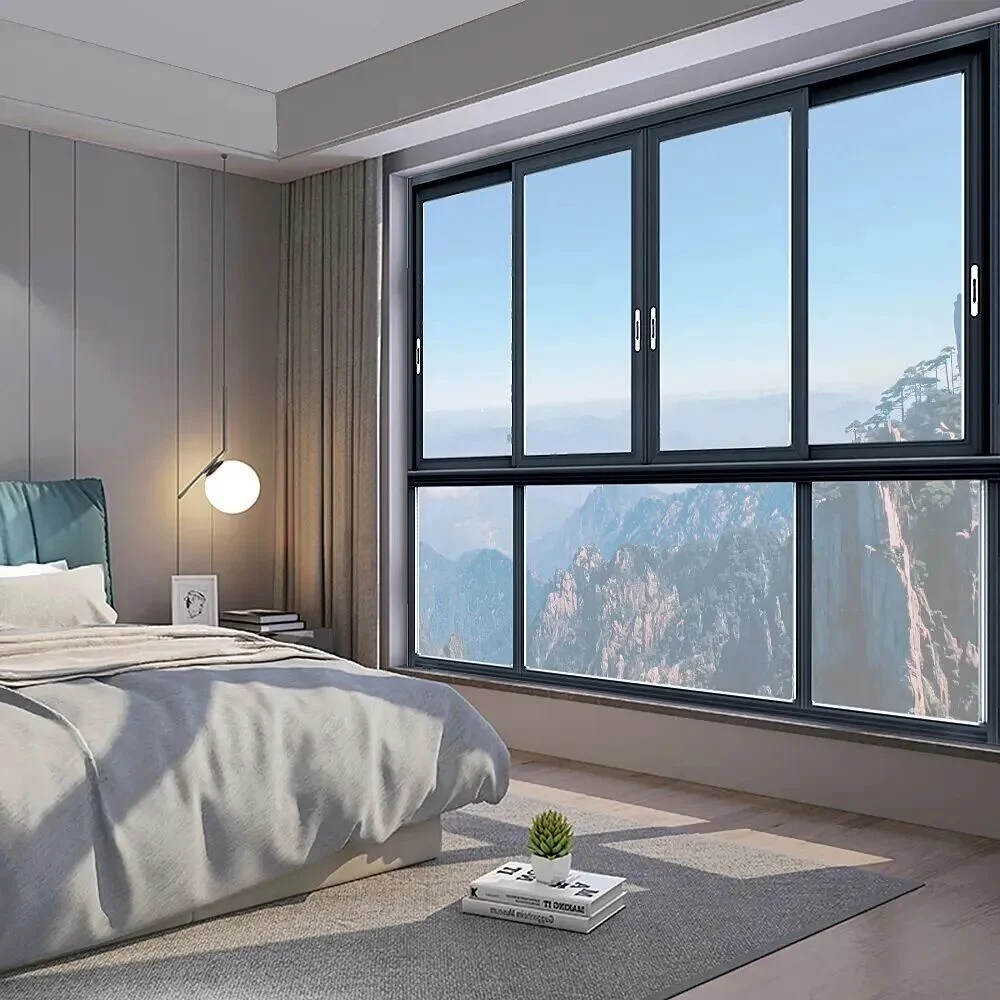
In the quest for modernity and sleekness in home design, mulled windows stand out as a pivotal choice for homeowners desiring an upgraded facade. These architectural features allow for a high degree of customization, enabling homeowners to tailor their living spaces to their exact preferences. Mulled windows involve the process of connecting two or more window units together to form a larger window, creating breathtaking views or serving as an architectural focal point in areas like guest reception rooms. If you’re thinking about opting for mulled windows, here’s what you need to know to make an informed decision.
What Are Mulled Windows?
At its essence, a mulled window is the result of joining multiple window panels—whether they are double-hung, casement, or any other variety—into one cohesive and larger window structure. This process, which can be undertaken by mulled window manufacturers during the production phase or executed on-site during renovation or replacement projects, involves the strategic use of mullions or mull bars. These elements not only secure the windows together but also maintain a seamless appearance, making the transition between the joined windows virtually invisible.
What Are Benefits of Mulled Windows?
Mulled windows, by their design and application, bring a plethora of benefits to both residential and commercial properties. Mulling window’s capacity to blend functionality with aesthetic appeal makes them an attractive option for various architectural styles.
Enhanced Natural Light and Views
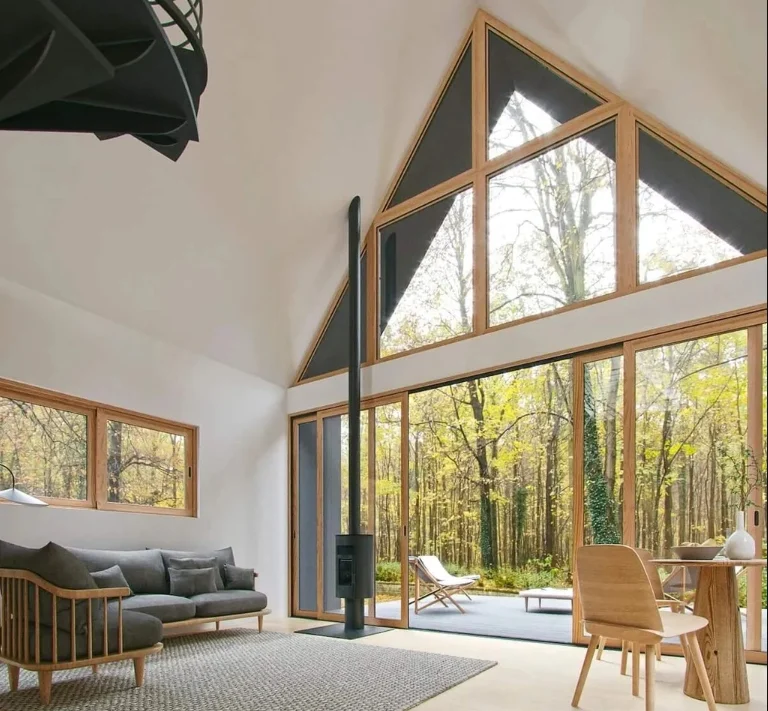
One of the most immediate and striking benefits of mulled windows is their ability to allow copious amounts of natural light to flood into interior spaces. By combining multiple windows into a single, larger unit, they create expansive glass areas that minimize obstructions, thereby maximizing outdoor views. This influx of natural light can transform the ambiance of any room, making spaces feel brighter, larger, and more welcoming.
Customizable Design Options
Mulled windows excel in versatility. Homeowners and architects can tailor these windows to specific design needs and preferences, choosing from a variety of configurations, sizes, and styles. Whether it’s a double mulled window setup to enhance a living room’s view or a triple mulled arrangement for an impressive architectural feature, the customization potential of mulled windows is vast. Furthermore, the availability of different mull kits, including vinyl window mull kits and aluminum options, allows for further personalization and alignment with a home’s architectural theme.
Improved Energy Efficiency
When designed with energy-efficient glass and frames, mulled windows can significantly contribute to a building’s thermal performance. Larger glass areas can mean more daylight and reduced reliance on artificial lighting, which, in turn, reduce the frequency of turning on lights, which is environmentally friendly and saves money. Additionally, when properly installed, these windows provide an effective barrier against thermal transfer, helping to maintain consistent indoor temperatures and further enhancing energy efficiency.
Boosting Home Aesthetic Appeal
Merging two or more windows into a unified mull window arrangement offers the elegance of a “glass wall,” unveiling expansive outdoor views. This approach beautifully captures and frames views of breathtaking landscapes, vibrant gardens, or inviting patios, enhancing the visual harmony between your home’s interior and the natural world. Whether gazing out from within or looking in from outside, a mullion window transforms your view into a living painting, enriching the aesthetic allure of your space from every perspective.
What Are Disadvantages of Mulled Windows?
While mulled windows offer numerous benefits, there are also some disadvantages to consider:
Increased Cost
Combining windows into a mulled unit often comes with higher costs compared to installing individual windows, primarily due to the complexity of the process. This complexity involves not only additional materials and labor for seamless integration but also potentially reinforcing the surrounding walls to support the size of the glass and the structural load above it. The meticulous alignment, secure fastening, and ensuring the structural integrity of mulling windows require specialized labor, further increasing the overall expenses. Custom configurations or extensive mulled window projects amplify these costs, making it a significant consideration for those looking to enhance their space with this feature.
Challenges in Maintenance and Cleaning
Stacked mulled windows, such as transom windows over standard windows, can introduce difficulties in proper maintenance and cleaning, particularly if the windows are located on higher floors or are designed in a way that prevents them from being opened for interior cleaning. In addition to the routine maintenance required to check and upkeep the joints and seals between mulled units to prevent water infiltration and air leaks, ensuring the cleanliness of these windows can also pose a challenge, adding another layer of consideration for homeowners opting for mulled window configurations.
Structural Considerations for Mulled Windows
The architectural feasibility of integrating mulled windows into a structure is not without its limits. The number of windows that can be combined is often restricted by local building codes or the structural capacity of the building itself. Exterior walls, being load-bearing, may necessitate additional support to maintain stability when accommodating the weight of larger mulled window units. This highlights the importance of considering the existing architectural framework and potential need for reinforcement, ensuring that the installation of mulled windows does not compromise the building’s structural integrity.
What Are Types of Mulled Windows?
While mulled windows offer numerous benefits, there are also some disadvantages to consider:
Horizontal Mulled Windows
This configuration involves joining two or more windows side by side, creating a long, continuous window unit. Horizontal mulled windows are ideal for enhancing views and increasing natural light in living rooms, kitchens, and other spaces where a panoramic view is desired.
Vertical Mulled Windows
Vertical mulling connects windows one above the other, perfect for high ceilings or narrow wall spaces where horizontal expansion isn’t possible. This type is often used to emphasize vertical architectural elements or to add elegance to a room’s design.

Combination Mulled Windows
A combination of horizontal and vertical mulling, this type allows for complex window configurations, such as large window walls or corner windows. It offers maximum flexibility in design, enabling the creation of unique window arrangements that can include different window styles and sizes.
Fixed and Operable Mulled Windows
Mulled windows can combine fixed (non-opening) and operable (opening) window units. This mix provides the benefits of expansive glass areas with the practicality of ventilation. Homeowners can enjoy large, uninterrupted views while still having the option to open part of the window for fresh air.
Transom Over Door or Window
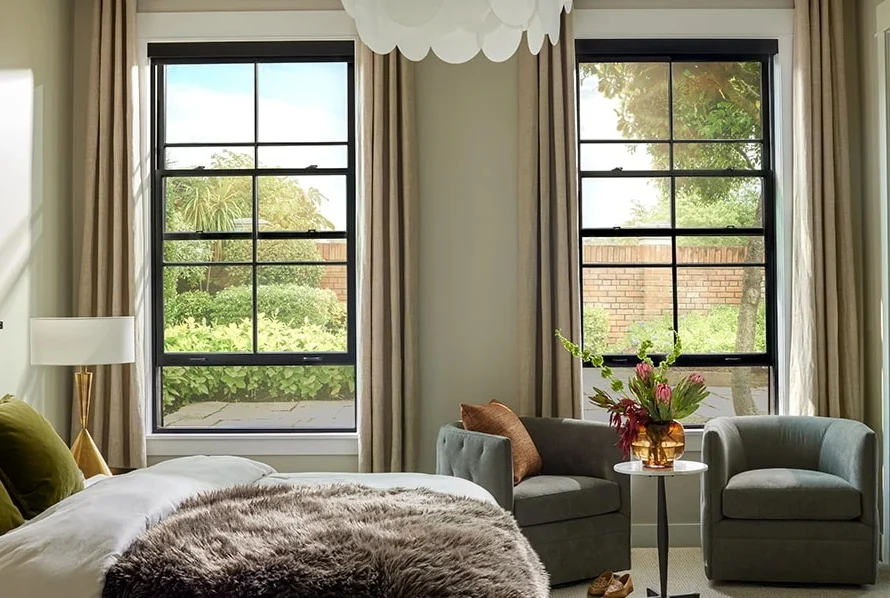
A transom is a small window placed above a door or another window. When mulled with the main window or door unit, it creates a taller composite unit that adds architectural interest and allows more light into the space.
Bay and Bow Mulled Windows
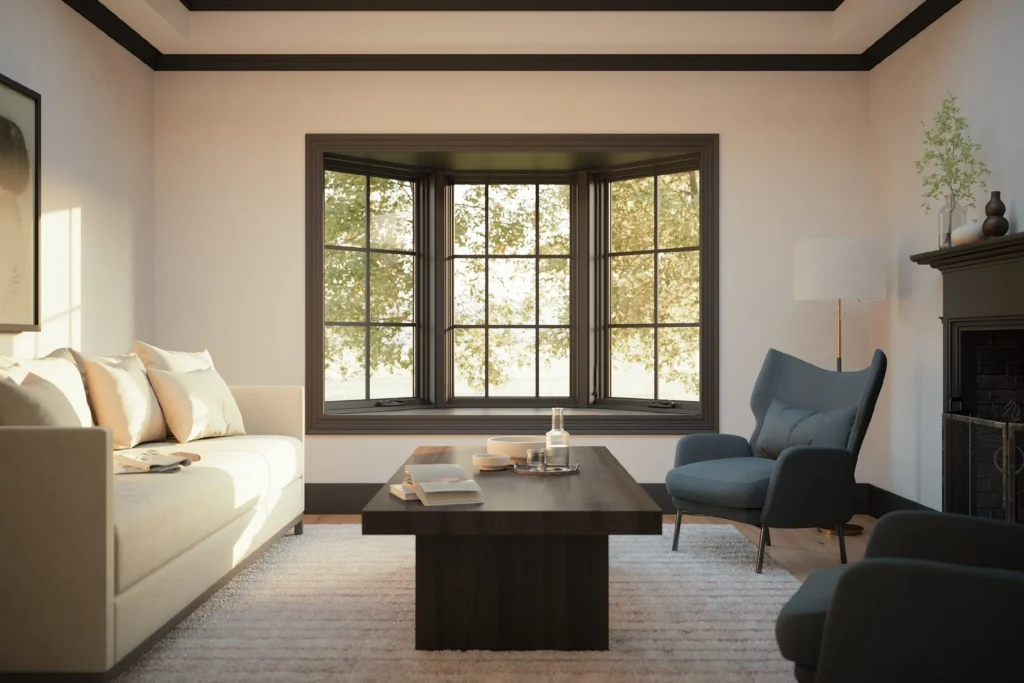
Though not mulled in the traditional sense of joining identical units, bay and bow windows create a similar effect by projecting outward from the wall, forming a curved (bow) or angular (bay) window area. These windows combine multiple glass panes to provide expansive views and additional interior space.
How Does Window Mulling Work?
Window mulling is a technique that involves joining two or more window units together to create a larger, more expansive glass surface. This method not only enhances the aesthetic appeal of a space but also increases natural light and improves views. Here’s a streamlined look at the mulling process:
Design Planning
The process begins with careful measurement and design consideration, ensuring the chosen windows align with the building’s architectural style and meet the space’s needs.
Mullion Selection
Mullions, the structural elements that connect the window units, are selected based on the project’s requirements. These can be purely structural, providing support and stability, or also decorative, adding to the window’s visual appeal.
Preparation of Window Units
Each window unit is prepared for the mulling process, ensuring edges are compatible for a tight, seamless fit. Necessary hardware for joining the units, like brackets or clips, is also prepared.
Joining the Windows
A sealant is applied to the window edges to prevent leaks, followed by the placement of mullions or other joining materials. The units are then securely fastened together, maintaining a consistent alignment for a polished look.
Finishing Touches
After installation, any necessary finishing work is completed. This includes applying trim or molding around the mulled window to integrate it aesthetically with the rest of the building. The final step also involves checking the seals and insulation to ensure energy efficiency and protection from the elements.
Factors to Consider Before Opting for Mulled Windows
Before considering mulled windows as part of a home remodeling project, it’s important to understand the key factors involved and potential limitations. Mulled windows, by combining two or more window units into one larger unit, offer homes the opportunity to improve views and increase natural light. However, before taking action, here are some points that must be considered:
Mulled Window Size and Weight
Not all window types are suitable for bonding. Professionals need to carefully evaluate the size and weight of individual window units to ensure that your home’s walls can support this larger glass window once assembled. Oversized or heavy modular windows may pose a risk to the structural stability of your home.
Balance of Views and Structural Integrity
The key to selecting and designing mulled windows is to maximize views while maintaining the structural security of the home and improving the overall performance of the windows. It’s worth noting that the sealing performance of combined window units may be lower than that of individual window units, so it’s important to work with a contractor to ensure that your combined windows meet local code requirements.
Prefabricated vs. Custom Windows
In new construction projects, the addition of mulled windows should be considered early in the design, ensuring this is integrated into the architecture and interior design. For a window replacement or renovation project, you can choose to install prefabricated modular window units or hire a professional to assemble the individual units on-site. When choosing prefabricated windows, make sure you understand the warranty to ensure long-term quality and satisfaction.
Building Codes and Regulations
When undertaking any construction or renovation work, building codes and regional laws and regulations must be followed. Ignoring these regulations could lead to future legal trouble and additional costs.
Detailed Door and Window Schedule
Regardless of the size of the project, a detailed list of all the windows and doors needed should be developed. This helps ensure design accuracy and serves as the basis for budgeting and planning. Depending on your individual needs, you can choose between a starter version or a full version with more detailed information.
Contact Us
Choosing PA Window and Door as your glazing manufacturer ensures every stage of your project runs smoothly. We’re committed to finding window solutions that perfectly fit your home’s style, personal preferences, and budget. For any exterior renovation needs, please feel free to contact us to schedule a free consultation.
Frequently Asked Questions (FAQs)
A window mull, or mullion, is the structural element or profile used to join two window units together. It can be made of various materials like wood, vinyl, or aluminum and is essential for the stability and appearance of mulled windows.
While many types of windows can be mulled together, considerations like size, weight, and material compatibility must be taken into account. Professional assessment is recommended to ensure the structural integrity of the wall and the mulled window unit.
Yes, mulled windows can be more expensive due to the additional materials, labor, and sometimes custom fabrication involved. However, the investment can significantly enhance the aesthetic and functional value of a property.
Generally, mulled windows are more costly than separate installations due to the complexity of design, increased material usage, and the labor involved in ensuring a seamless integration. However, the aesthetic and functional benefits often justify the additional expense.
A mulled transom window involves combining a transom (a small window placed above a door or another window) with another window or door unit directly below it. This configuration extends the vertical height of the overall window structure, adding architectural interest and allowing additional light into the space.