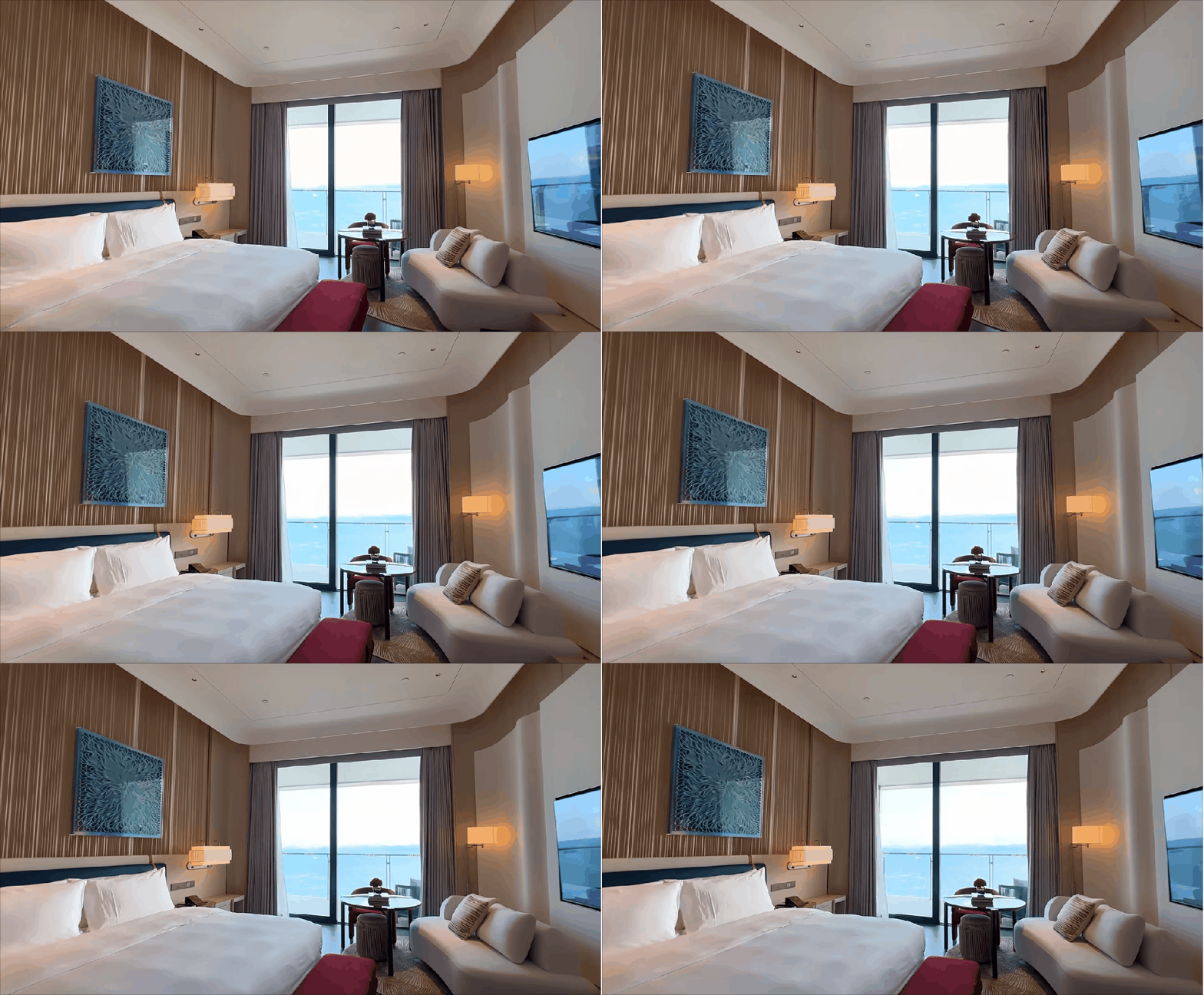
In 2025, hotel window design isn’t just about “making the room brighter.” It’s about how guests feel the moment they walk in—sleep quality, privacy, views, temperature comfort, even how photogenic the space looks on social media. The best modern hotel window design choices balance three things at once: a strong visual concept, high-performance glazing, and details that are easy for operators to maintain.
What makes a great hotel window design in 2025?
A good window is not a standalone product. It’s a system decision that connects to your hotel building design, your guest experience strategy, and your operating costs.
Here are the “non-negotiables” most successful hotels prioritize:
Comfort first. If a room is noisy, too hot, or too bright at night, guests won’t care how pretty the facade looks. Your hotel window glass design and sealing details matter as much as the window style.
A clear design story. Great hotels use windows to tell a story: ocean views, skyline energy, desert calm, heritage character, or modern minimal luxury.
Easy cleaning and long-term durability. A beautiful hotel front window design that’s painful to maintain will become a recurring cost problem.
Privacy without sacrificing light. This is especially critical for hotel room window design (guest comfort) and for public areas (lobby and restaurant vibe).
Hotel Window Designs For 2025
1
Floor-To-Ceiling View Windows That “Frame” The Best Angle
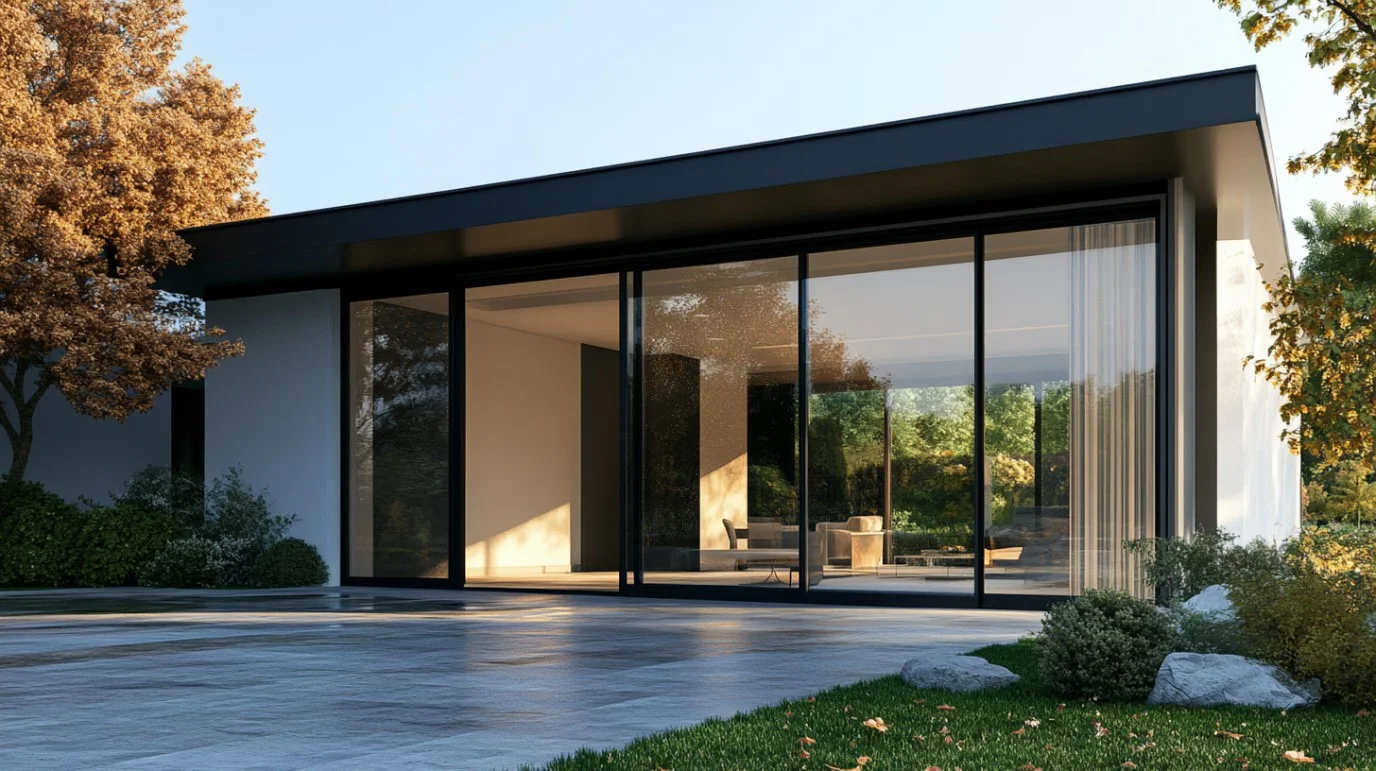
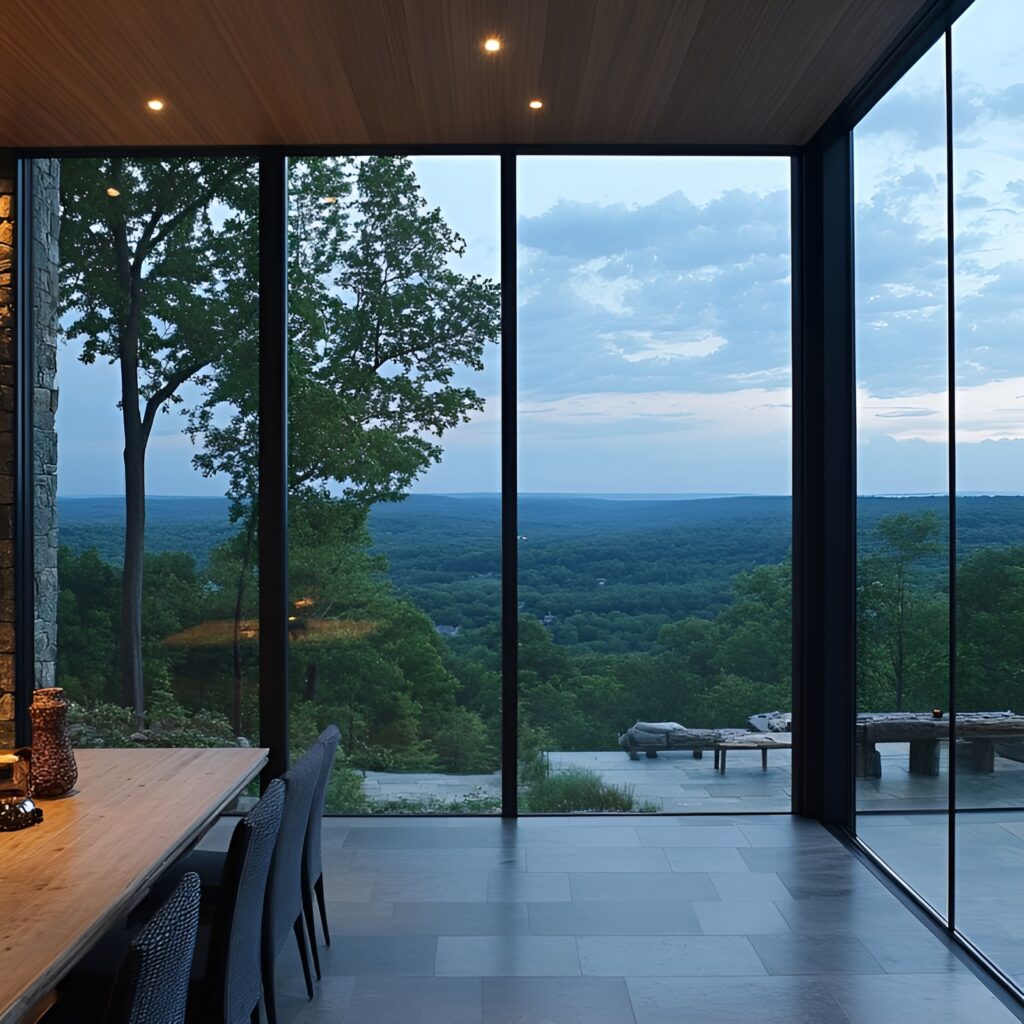
Big glass is still a favorite, but the 2025 upgrade is how you frame it. A strong hotel window design aligns the view with the bed, lounge chair, or bathtub so guests feel the room is made for the location. This is especially valuable for resorts and skyline properties, but it also works in ordinary city hotels when the window composition is thoughtful—clean edges, balanced proportions, and comfortable glare control so the view stays usable all day.
2
Quiet-First Glazing For Better Sleep
If your hotel sits near traffic, nightlife, or an airport corridor, hotel window glass design becomes a brand protection strategy. Guests may forget the lobby scent, but they won’t forget a noisy night. In 2025, more projects treat acoustic performance as a “luxury layer,” using laminated glass and insulated units with proper sealing details. The result is simple: fewer complaints, better reviews, and a guest room that feels calm even in a busy district.

3
Layered Daylight + True Blackout That Feels Seamless
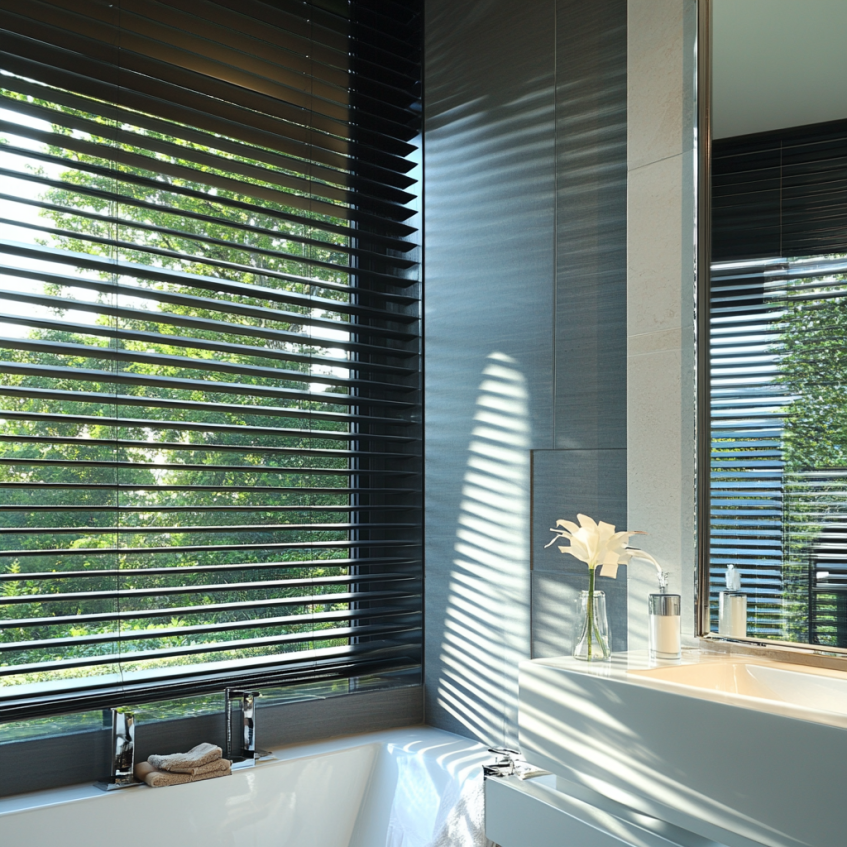
A modern hotel room window design should feel bright and calm in the daytime, then genuinely dark at night. That’s why layered control—sheers for soft daylight and blackout for sleep—has become the baseline in 2025. In warmer climates, some hotels also pair this setup with a shutter window element for controllable ventilation during the day, so guests can enjoy fresh air without fully opening the room to heat or glare. The finish that makes everything feel premium is still the integration: recessed curtain pockets, cleaner side coverage, and fewer light leaks, so the window zone looks intentional and performs well—no awkward gaps, no “DIY” feel.
4
Smart Privacy Glass For Bathrooms And Suite Partitions
Switchable privacy glass is becoming more common in premium renovations because it delivers a clean, modern look without sacrificing comfort. It’s a strong option in bathrooms, dressing zones, and suite partitions where you want daylight to travel deeper while keeping privacy on demand. Used selectively, it turns hotel window design ideas into a memorable “wow” moment while keeping the space minimal and contemporary.

5
Exterior Shading That Becomes Part Of The Architecture
In 2025, shading is no longer just a curtain decision—it’s often a facade decision. Deep reveals, fins, screens, and louvers reduce glare and heat gain while giving the building a stronger identity. For many projects, this is the most “ROI-friendly” way to upgrade modern hotel window design, because it improves comfort and energy performance without forcing guests to fight the sun with heavy drapes all day.
6
Slim Frames That Make The Facade Look Expensive
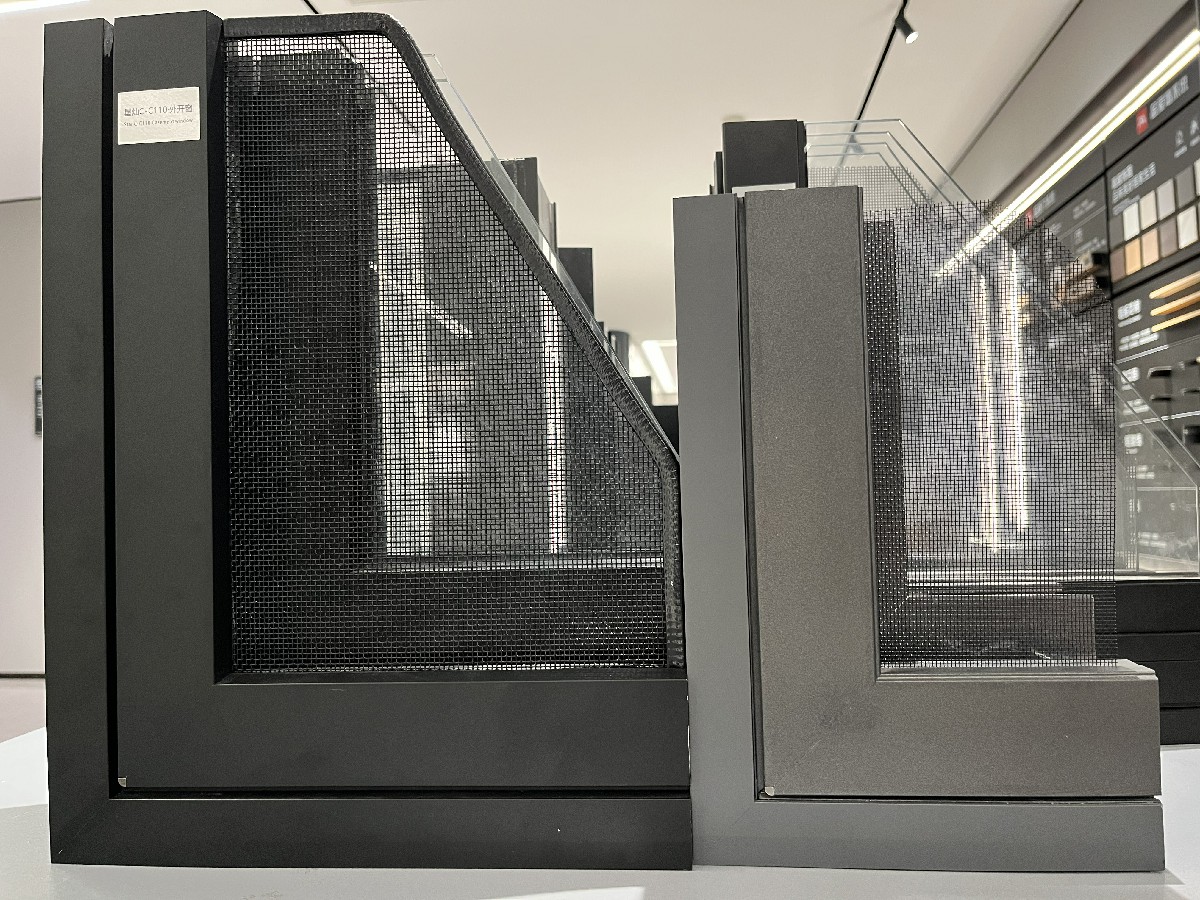
If you want your hotel building design to read as modern without adding decorative clutter, slim-profile windows are a powerful move. Cleaner sightlines and consistent frame widths make glass feel larger, and the whole facade looks more disciplined. This is especially effective for hotel front window design, where a uniform rhythm of glazing immediately signals a more premium property.

7
Modern Window Grills That Look Intentional, Not Heavy
In markets where grills are expected for safety, security, or local preference, hotel window grill design has evolved. Instead of thick bars, the more modern approach uses slimmer vertical lines, clean geometry, or patterned screens that match the hotel’s design language. When it’s done well, the grill becomes architectural texture—part of the facade story—rather than something that makes the property feel residential.
8
Corner Windows And Wraparound Glazing For Signature Rooms
Corner glazing still creates one of the strongest “premium room” signals. It expands the perceived space and makes the room feel more cinematic, which is exactly what guests love in suites and end rooms. Many brands now apply this as a selective strategy—feature rooms only—so the impact stays high and costs don’t multiply across every key.

9
A Statement Lobby Window That Sells The Hotel From The Street
Hotels are leaning into lobbies as social spaces, cafés, and flexible meeting zones, which makes hotel front window design a marketing tool. Storefront-style glazing lets people see warmth, lighting, and activity inside, making the property feel welcoming and alive. At night, this becomes even more valuable because the building reads as active, not closed off.
10
Small Hotel Windows That Still Feel Upscale
A small hotel window design can look surprisingly premium if the proportions are elegant and the details are clean. Taller windows often feel more refined than short wide ones, and the window zone can be upgraded with a deeper sill, a neat recess for drapery, or a slim ledge that doubles as a practical surface. Even in compact urban rooms, a well-composed window area can make the whole space feel more intentional.

Common Mistakes That Make Hotel Windows Feel “Cheap”
Even expensive products can look disappointing when the design logic is missing. The most common issue is weak proportion: windows that feel randomly placed or too short for the wall. Another frequent problem is light leakage at night, which undermines the whole hotel room window design experience. Hotels also lose a lot of perceived value when there’s no glare or heat strategy for large glass, or when facade sightlines are inconsistent across floors. Finally, the window zone often gets ignored inside the room—no clear composition, messy tracks, or awkward trim—so the window looks like construction, not design.
Quick Practical Checklist For 2025 Projects
Use this as a fast internal review before finalizing the concept:
Does the hotel room window design support good sleep (blackout + quiet + comfort)?
Is the hotel window glass design appropriate for climate and noise?
Does the hotel front window design create a strong first impression day and night?
Is shading integrated (interior + exterior, if needed)?
If you need grills, is the hotel window grill design modern and consistent with the facade language?
Are the details easy to clean, repair, and replace over time?
Conclusion
In 2025, hotel window design isn’t just about looks—it’s about quieter rooms, better views, safer operation, and easier maintenance.
If you need to update hotel room window design, PA Window can provide project-based recommendations and manufacturing support. Share your hotel location, room count, and target style—then contact us to get started.
FAQs About Hotel Window Designs
The best hotel room window design combines a comfortable view, proper blackout control, and glass performance that supports quiet, stable indoor comfort.
Most modern projects rely on insulated glazing, often paired with laminated layers where noise control or safety performance matters.
Yes, in many regions. The trend is toward slimmer, more architectural hotel window grill design that looks intentional and matches the facade.
Focus on proportion, clean detailing, and a well-designed window zone (recessed tracks, deeper sill, or a simple ledge) so it feels deliberate.
Most hotels use commercial-grade aluminum windows (often thermally broken) with insulated glass. Common styles include fixed picture windows for views and efficiency, plus casement or awning windows in some rooms for controlled ventilation.
Not always. Many building codes allow windowless rooms if the hotel meets strict rules for ventilation, fire safety/egress, and room size. That said, rooms with windows usually sell better and get higher guest satisfaction.