Windows are canvases for architectural expression and tools for sustainable living. With the right design, they can become the focal point of any room, providing aesthetic appeal and energy efficiency. Understanding the different window designs and types can help you better decorate your home. Here are the 16 best window designs of 2024 to help you understand and choose the most suitable windows.
1. Balcony Window Design
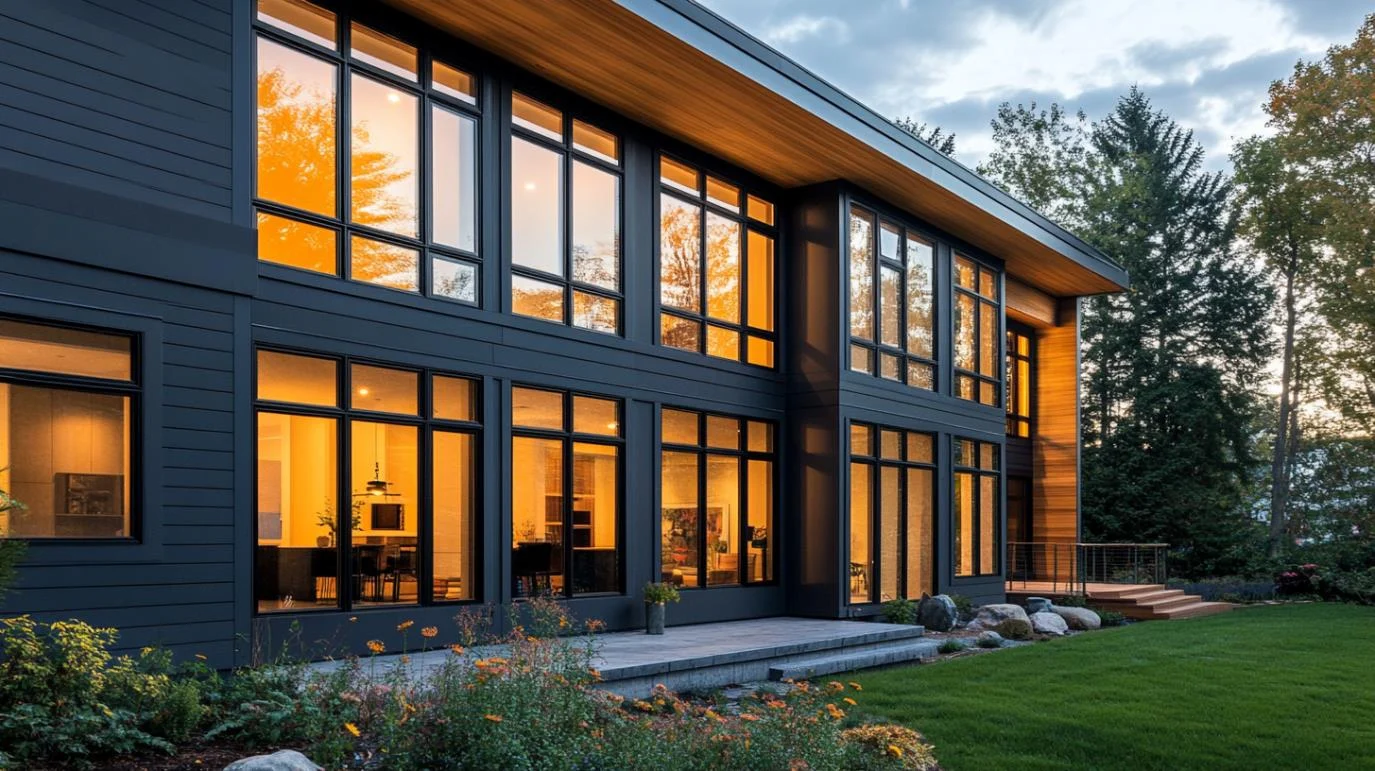
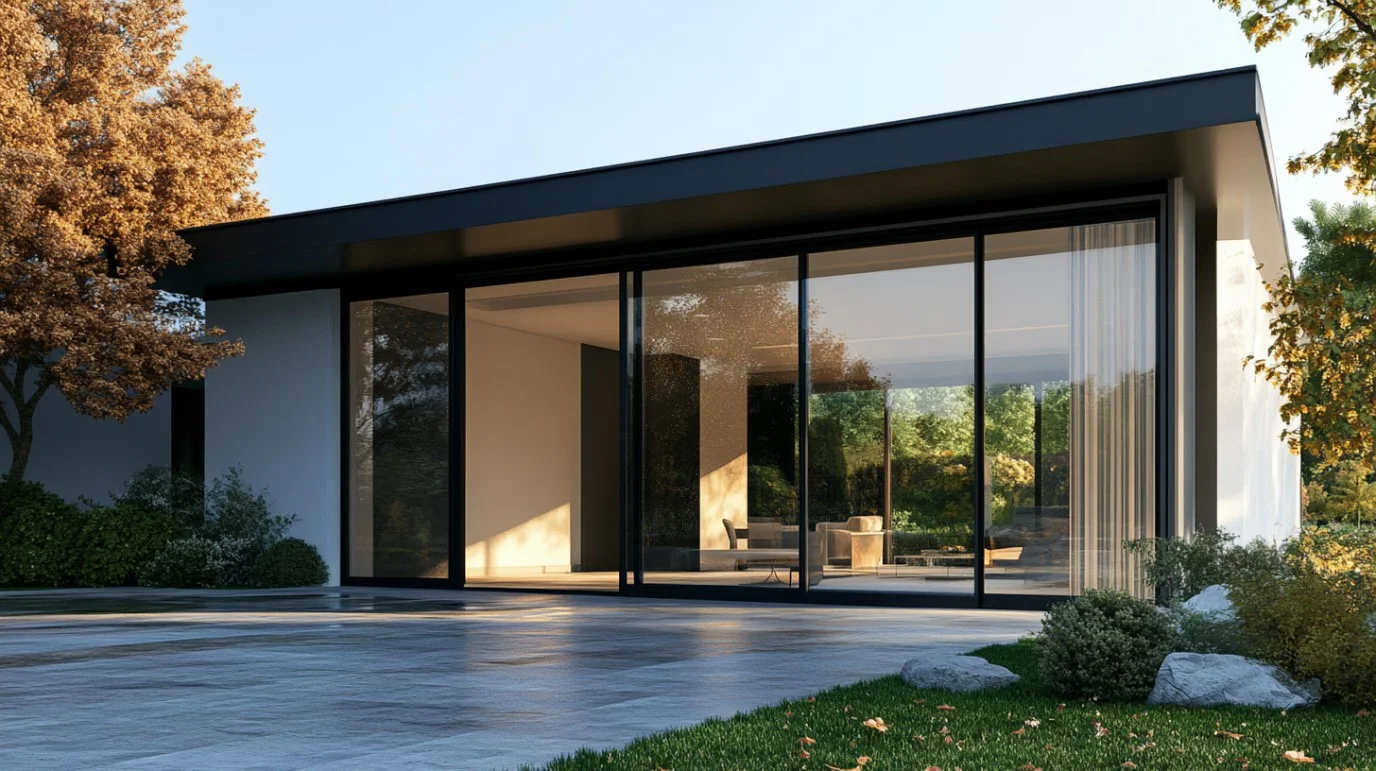
Balcony window design is key to integrating indoor comfort with outdoor views, focusing on maximizing views and natural light. Sliding windows, as shown below, are a type of balcony window that enhances the aesthetics of the exterior of the house. The key idea behind this type of sash window is to maximize views and allow light and air to flow better into the room. The design of this balcony sliding window not only ensures ample natural lighting during the day but also extends its charm into the evening. Set against a backdrop of city lights or stars, they offer picturesque views that transform the nighttime experience of the space.

2. Living Room Window Design
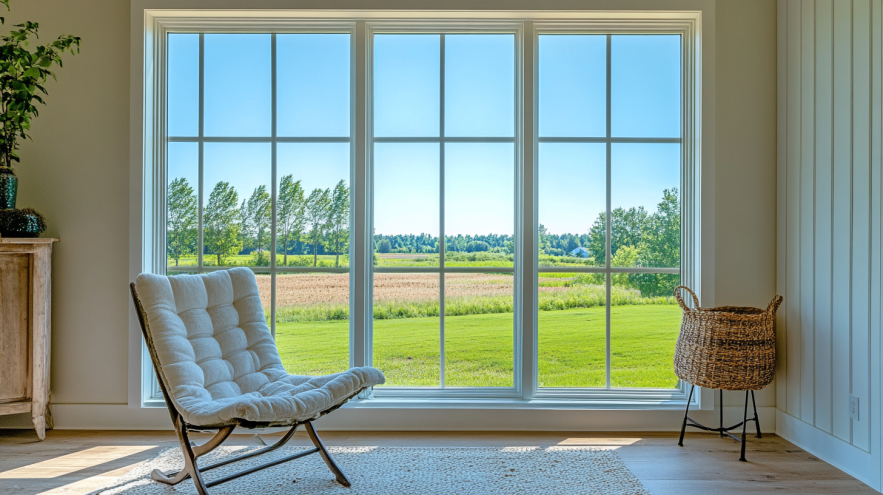
Living room windows play a vital role in both the aesthetics and functionality of the space. It is not only an architectural element but also a key component in defining the ambience and comfort of your living room. Living room windows are essential to bring in natural light, provide ventilation, and enhance the overall ambience of your living room. They provide views of the outdoors and connect indoors to the outside environment. Popular styles include lagre picture windows, sliding windows, casement windows, and hung windows, among others.

3. Offcie Window Design
Fixed windows, known for their non-operable, stationary design, resemble picture windows but stand out with their thicker, larger frames. Commonly used in office environments, they align with adjacent operable windows, providing a bold, clear appearance. Beyond offices, they are also suitable for corridors, bathrooms, and spaces with vaulted ceilings. Chosen for their excellent insulation and seamless integration with other window types, fixed windows are ideal for modern office spaces.

4. Kitchen Window Design
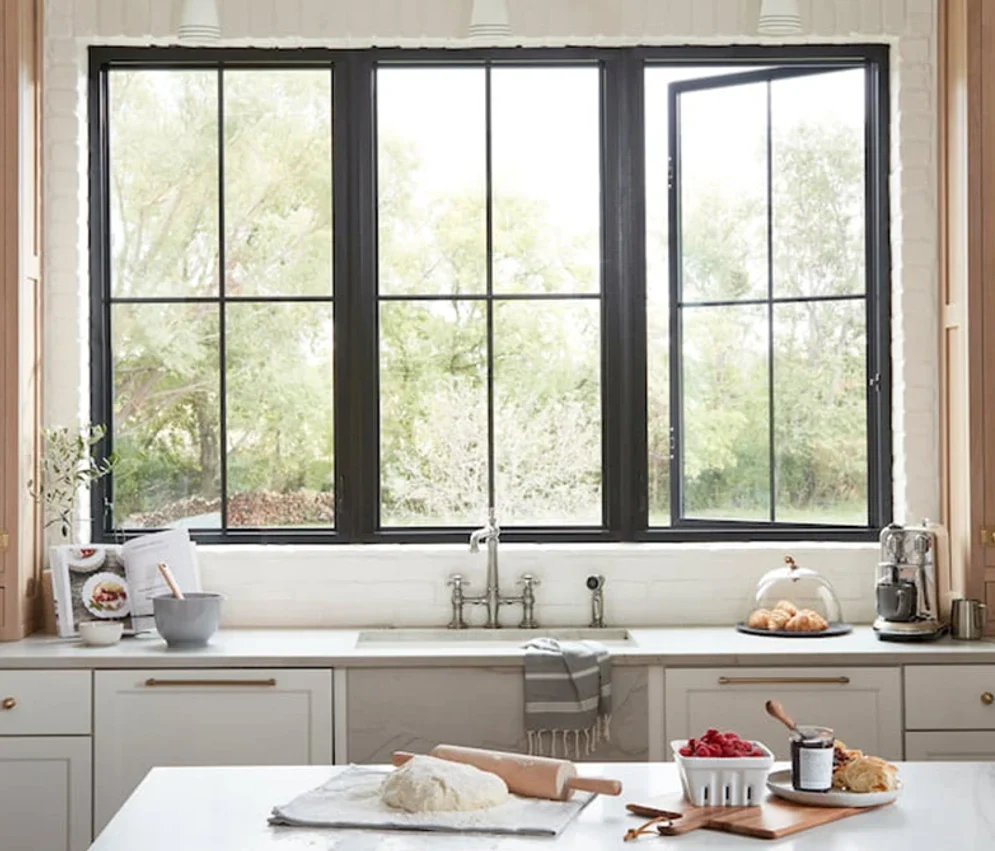
French windows in the kitchen offer both beauty and functionality. They flood the space with plenty of natural light and ensure good ventilation, which is essential for cooking areas. Its timeless, elegant style enhances the overall look of the kitchen and brings a touch of classic charm. These windows also help create a smooth transition between the kitchen and outdoor areas such as a garden or patio, making them ideal for homes with indoor-outdoor living. French window designs are space-saving, especially suitable for small kitchens, and add great value to a home due to their lasting appeal and functionality.

5. Staircase Window Design
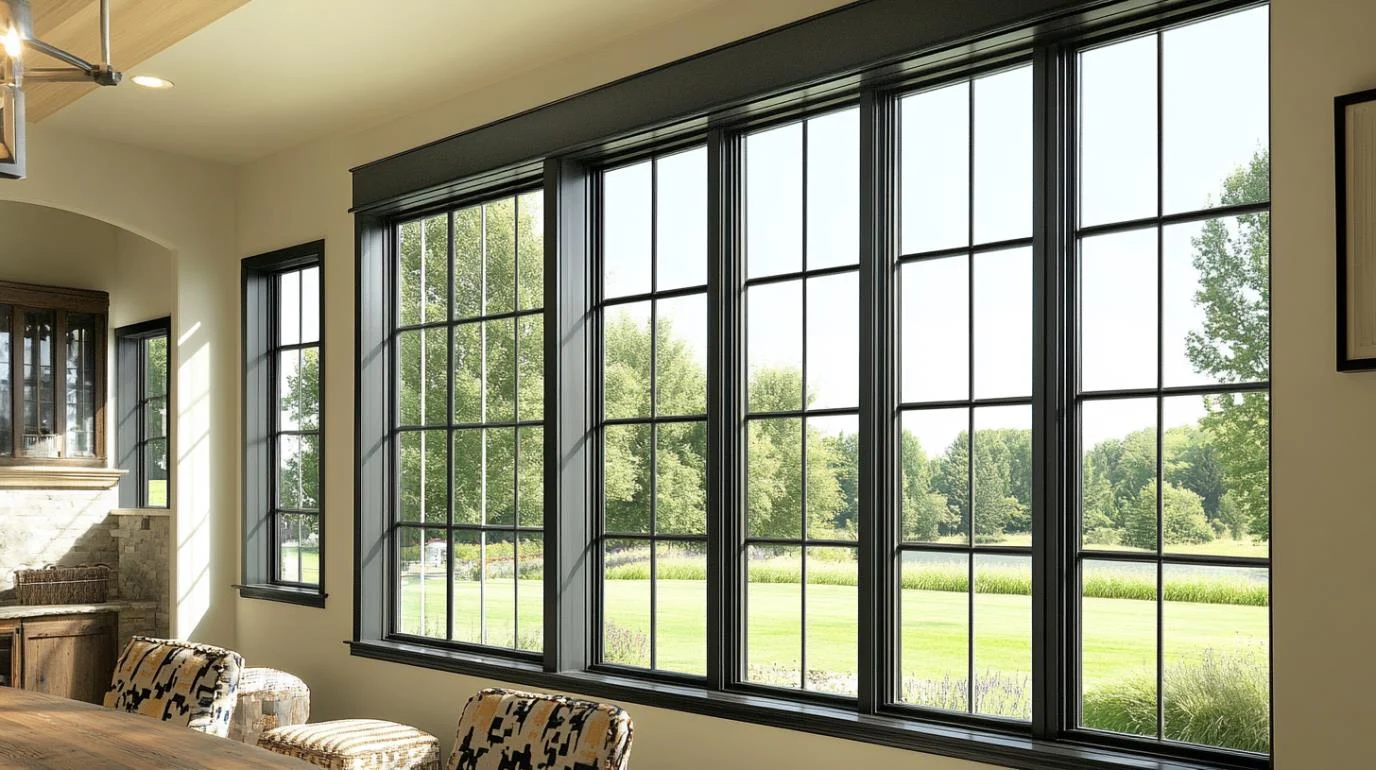
Staircase windows are often overlooked in home design, but they present an important opportunity to enhance the aesthetics of your interior. While most homeowners focus on functionality and opt for basic designs, they may not realize the transformative potential of a well-designed stair window. Whether it’s a large floor-to-ceiling window, a charming bay window, or an elegant casement window, you can transform a simple staircase into an eye-catching focal point. The house in the picture below uses a fixed window set as a stair window. The simple window design harmonizes with the simple design of the interior of the house, enhancing the overall architectural beauty.

6. Corner Window Design
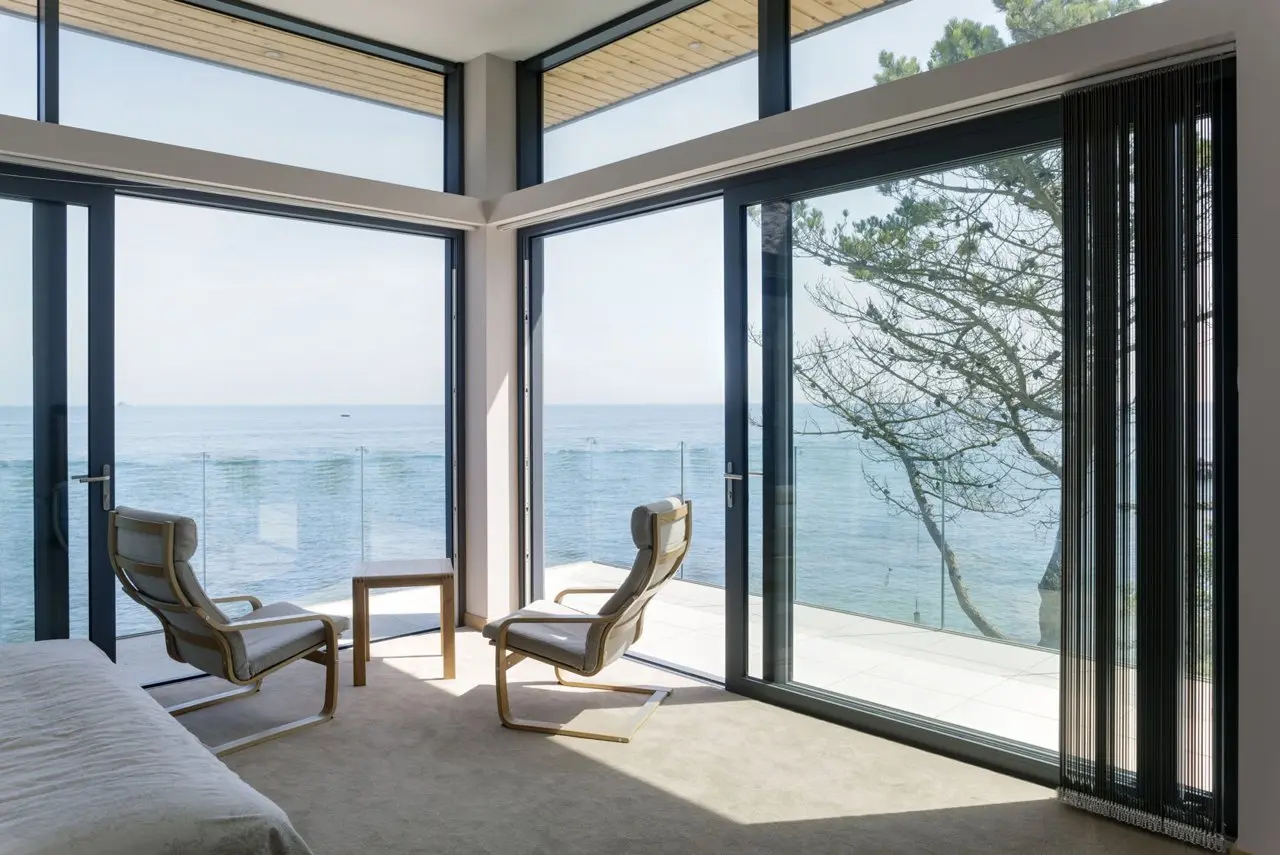
A corner window is an architectural design feature in which two windows intersect at the corner of a building without supporting columns or structural elements, creating a seamless panorama. This design maximizes natural light and provides wide views, often making corners appear to disappear and extending the sense of space. Corner windows blend indoor and outdoor environments, enhancing the aesthetics of a room while adding a unique, modern look to the building’s facade, enhancing architectural interest.
7. Garden Window Design
Garden windows, often positioned in kitchens or dining areas, protrude from the exterior wall like small bay windows, creating a charming mini-greenhouse effect. These windows provide extra shelf space for growing herbs, flowers, or small plants. Their design allows for ample sunlight from multiple directions, facilitating plant growth. Additionally, many garden windows include side vents for improved ventilation. Beyond their practicality for indoor gardening, these windows enhance the aesthetic appeal of both the home’s interior and exterior, offering a unique visual element. They can also be used to display decorative items, making them a versatile feature in any home.

8. Bay Window
A bay window usually consists of three windows that create an angled projection (usually 90, 135, or 150 degrees). The central window is the picture window, usually larger and parallel to the house, and is flanked on either side by smaller windows at an angle (side windows).You can think of a bay window as an extension of your home. The way a bay window extends from the house adds extra space that you can use for things like a sofa bed, bookshelf, etc. This type of bay window is quite popular in the United States, especially in Seattle. Seattle is surrounded by water and mountains. In Seattle, if you have a beautiful view outside your window, then a bay window is your best choice. It can help you enjoy the scenery outside your window from a wider angle.

9. Awning Window
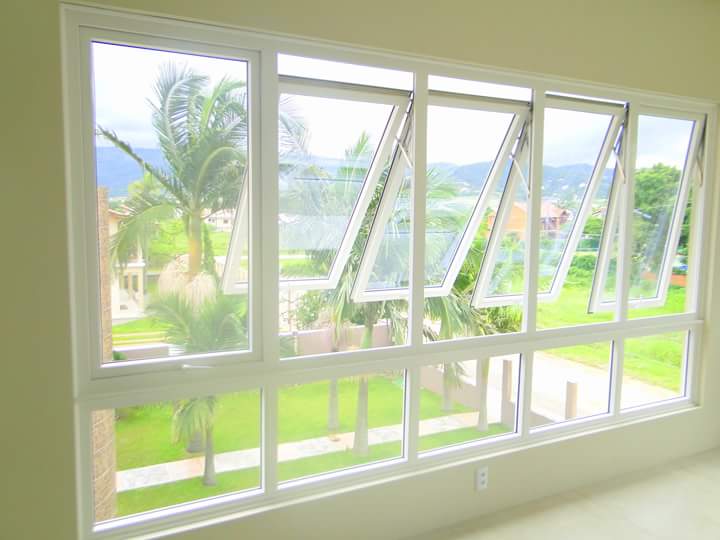
Essentially, awning windows operate similarly to casement windows in that they open outward from the bottom with hinges at the top.Awning windows provide excellent ventilation and are ideal for rainy climates, as their design prevents water entry. Commonly used in bathrooms, kitchens, and basements, these windows are energy-efficient due to their tight seal when closed. They offer enhanced security, and their crank mechanism makes them easy to operate, especially in hard-to-reach areas. Awning windows are a practical choice, blending functionality with diverse architectural compatibility.
10. Hung Window
The hung window design is a versatile option that provides a balance of aesthetic appeal, practical functionality, and energy efficiency. The hung window design is a classic style that features vertical sashes that slide up and down within the frame. Hung windows are divided into single-hung windows (the bottom is movable and the top is fixed) and double-hung windows (both sashes are operable), which have a traditional aesthetic and are easy to operate. Double-hung windows offer greater ventilation flexibility, while single-hung windows are simpler but have limited airflow. Hanging windows are a popular choice due to their simplicity, functionality, and adaptability to a variety of architectural styles.

11. Arched Window
Known for their curved tops, arched windows add timeless elegance to buildings, blending perfectly with a variety of architectural styles and are especially popular in traditional and retro-style designs. These windows enhance the entry of natural light and are often used as design focal points in living rooms and entryways. Available in fixed, casement or double-hung styles, arched windows can be customized to meet specific design needs, making them a versatile and beautiful option for adding character to any space.

12. Casement Window
As a traditional window, casement windows have been popular for thousands of years and are a kind of timeless sophistication. Known for its mechanism that opens outwards via a crank or handle, providing excellent ventilation and unobstructed views. They are energy efficient, create a tight seal when closed, and are easy to operate and suitable for a variety of building styles. Additionally, their designs often provide enhanced security with lockable latches, making them a practical and secure option for any home.

13. Folding Window
Folding window designs, known as bi-fold windows or accordion windows, are a modern and versatile window style that features multiple panels folded or stacked on top of each other to create a wide opening. This design is particularly popular in spaces that require unobstructed views or a seamless transition between indoors and outdoors. These windows are perfect for blending indoor and outdoor spaces, providing plenty of natural light and a modern aesthetic. They are customizable in size and style, providing flexibility and a contemporary feel to residential and commercial properties.

14. Irregular Pattern Window
Irregular pattern window design, featuring custom shapes like triangles, circles, or abstract forms, adds a unique architectural interest to buildings. These windows enhance aesthetic appeal by maximizing natural light and framing views creatively. They often integrate advanced materials and glass technology for structural integrity and energy efficiency. Suited for modern and avant-garde architectures, irregular windows pose design and installation challenges but offer distinct solutions for lighting and visual impact.

15. Skylight Window
Skylight window design, installed on roofs, effectively enhances interior spaces with natural light and can offer ventilation. Ideal for areas with limited wall space, they add a modern touch to interiors and help in energy savings by reducing artificial lighting needs. Available in various styles and sizes, skylights must be properly installed to ensure durability and leak prevention. They’re a practical and aesthetically pleasing solution for brightening and ventilating confined spaces.

16. Shutter Window
Shutter windows are sometimes referred to as “louvered windows” or “plantation shutters.“Shutter windows feature adjustable blinds for optimal light and privacy control that are both practical and beautiful. Blinds are particularly suitable for warm climates due to their ventilation and sun protection benefits. They are also ideal for spaces that require privacy, such as bathrooms and offices, where control of visibility is crucial. Their versatility makes them suitable for a variety of architectural styles, from traditional to contemporary.

Looking ahead to 2024, the evolution of modern window design continues to impress and inspire. Each design embodies a blend of innovation, aesthetics and functionality. Whether a seamless fusion of indoor and outdoor spaces with large panoramic windows or an artistic expression in the geometric frame design, these windows are more than just functional elements; they are central to architectural beauty and personal comfort. The windows are designed to sync with our modern lifestyles, highlighting the profound impact that thoughtful design can have on our daily lives. In the new year, if you want to get new window designs and high-quality windows, please pay attention to PA Window and Door, which will surely give you full surprises! PA’s 24-hour online service has been opened, welcome to inquire!
Frequently Asked Questions (FAQs)
The most budget-friendly window design is typically the single-hung window. This style is more affordable due to its simple mechanism, where only the bottom sash is operable while the top sash remains fixed. The manufacturing process for single-hung windows is less complex compared to other types, making them a cost-effective option for those looking to save on window installation or replacement without sacrificing quality and functionality.
For kitchens, casement windows are often considered the best design. They are easy to open and close, ideal for ventilation, and can be positioned above sinks or countertops where access might be limited. Additionally, garden windows are great for growing herbs and provide ample sunlight, while sliding or double-hung windows are practical for their ease of use and effective airflow. The choice should complement the kitchen’s layout and design while providing functionality and natural light.
The best window design for a home depends on several factors including architectural style, climate, and personal preferences. However, some universally appealing designs are:
Double-Hung Windows: versatile and classic, offering good ventilation and ease of cleaning.
Casement Windows: Ideal for airflow and ease of operation, perfect for various room types.
Picture Windows: Excellent for maximizing views and natural light, suitable for living rooms and areas with scenic views.
Bay or Bow Windows: Add space, depth, and architectural interest, ideal for creating cozy nooks.
The best choice typically balances aesthetics, functionality, energy efficiency, and alignment with the home’s overall design theme.
For living rooms, floor-to-ceiling windows are often ideal, offering expansive views and abundant natural light to create a spacious and inviting atmosphere. Sash and casement windows are popular for their ease of use and ventilation, while double-hung windows are favored for their traditional aesthetics and flexible airflow. The best choice should harmonize the room’s decor with functionality, enhancing both comfort and style.
The safest window designs typically include double-hung windows, which allow opening just the upper sash for safety, casement windows with strong locks, and tempered glass for increased breakage resistance. Additionally, features like integrated grills or security bars and quality locking mechanisms enhance safety against accidents and break-ins. Egress windows are also important for safe emergency exits, especially in bedrooms and basements.