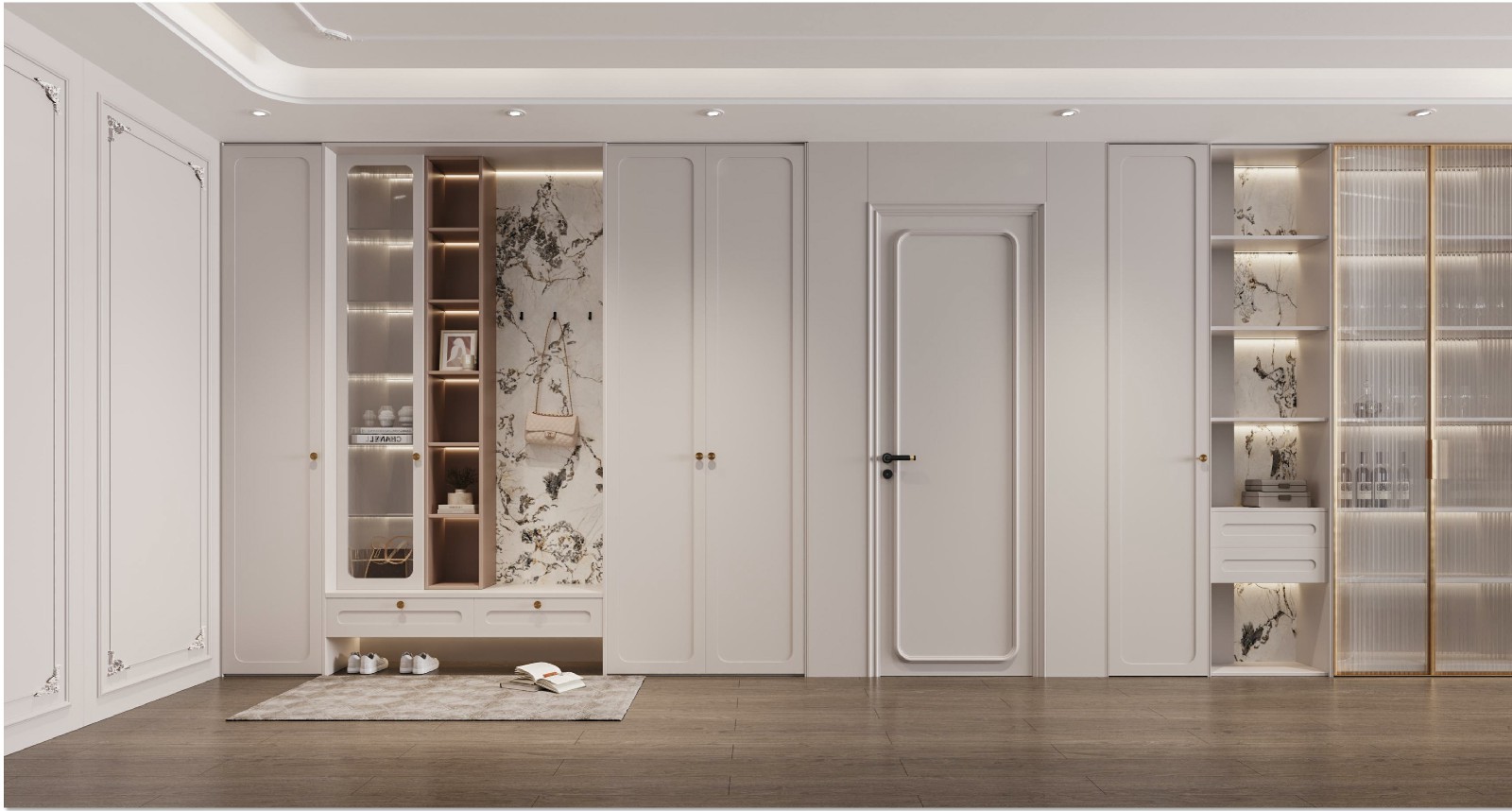
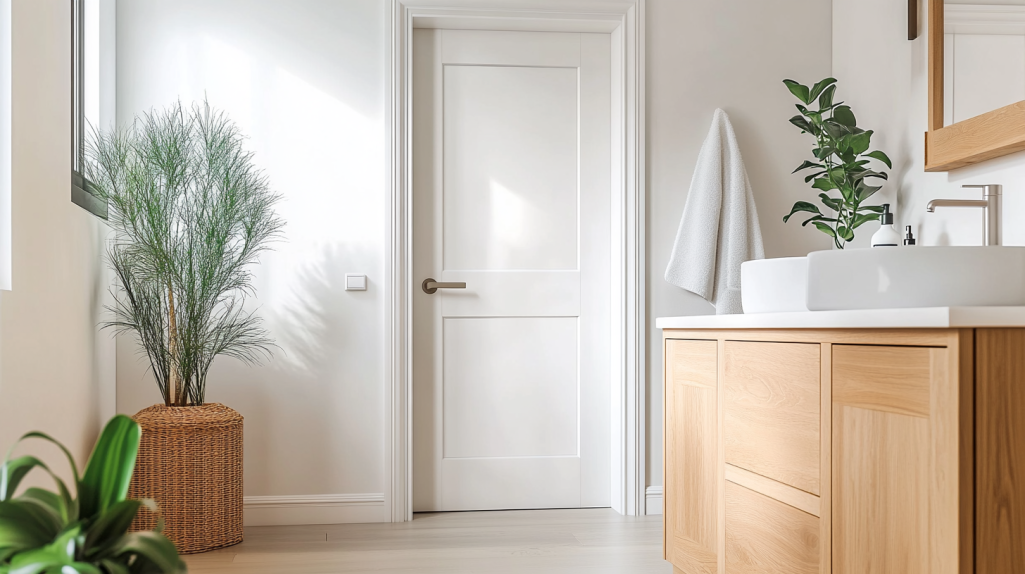
2-panel doors are one of the most versatile and popular choices for both residential and commercial spaces. They seamlessly combine timeless aesthetics with functional benefits, making them suitable for a wide range of applications. In this guide, we explore 10 of the most common questions about 2-panel doors, shedding light on their features, types, and why they remain a favorite for homeowners and designers alike.
1. What Is a 2-Panel Door?
Two-panel doors, often referred to simply as 2-panel doors, derive their name from their defining characteristic: a design featuring two distinct panels. These panels can be arranged in different styles, such as arched or square, and are available in various finishes and materials.
The term applies to both interior doors and exterior doors, making it a versatile category. Whether you’re updating a closet, bedroom, or entryway, 2-panel doors offer a timeless yet adaptable look that works in any setting.
2. How Much Does a 2-Panel Door Cost?
The cost of a 2-panel door varies depending on material, style, and whether it’s a prehung door or a slab.
- Hollow core interior doors: $50–$150 (budget-friendly).
- Solid core interior doors: $200–$500 (better insulation and durability).
- Exterior doors with glass or solid wood: $400–$1,500+.
Custom designs or premium finishes can increase the price, so it’s important to balance your budget with your design preferences.
3. Are Two Panel Doors Modern?
Despite their origins in classic architecture, 2-panel doors are incredibly popular in modern design. Their clean lines and simple structure make them a perfect match for minimalist aesthetics, while their timeless appeal ensures they fit into more traditional or transitional spaces.
For a sleek, contemporary look, consider shaker-style 2-panel doors with flat panels. These options emphasize simplicity and elegance, complementing modern decor trends. Alternatively, raised-panel designs can add depth and texture to a space, making them suitable for homes with a more classic or eclectic style.
4. What Are the Types of 2-Panel Door?
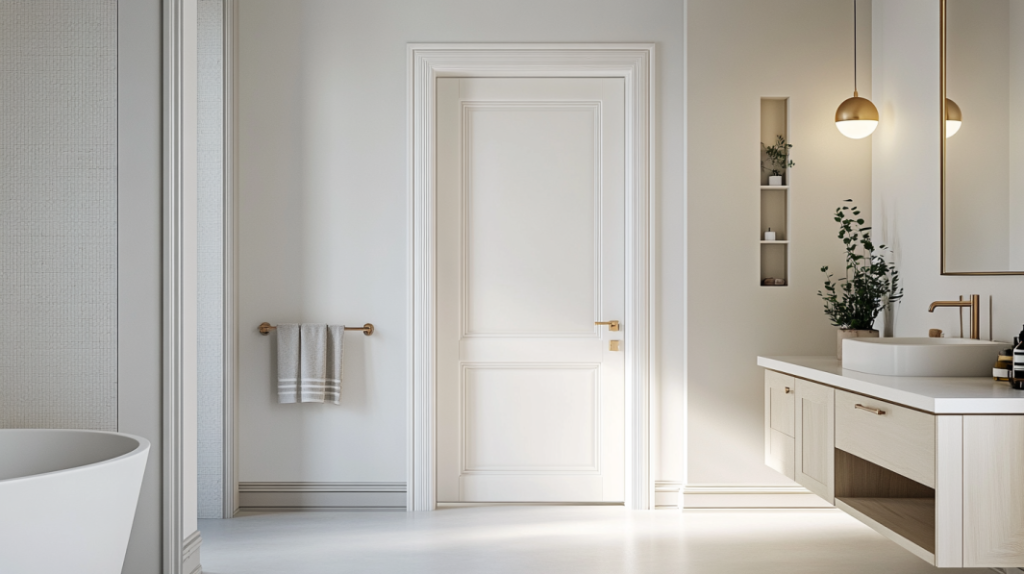
2-panel doors come in a variety of styles, making them suitable for diverse applications. Here are some of the most common types:
Smooth, flat panels for a sleek, modern aesthetic. Ideal for minimalist or contemporary interiors.
Slightly elevated panels add depth and texture. Best suited for traditional or transitional designs.
Recessed panels with clean lines for understated elegance. A versatile choice for modern, farmhouse, or transitional homes.
Features a curved upper panel, adding a touch of elegance and sophistication. Common in classic or vintage-inspired interiors.
Sharp, angular panel edges create a bold, structured look. Well-suited for modern, industrial, or minimalist spaces.
Panels include decorative or frosted glass for added light and style. Ideal for closet doors, French doors, or stylish entryways.
5. What Are The Difference Between Double Panel Door and 2-Panel Door?
It’s easy to confuse a double panel door with a 2-panel door, but they are not the same thing. A 2-panel door refers to a single door with two distinct panels in its design, while a double panel door typically describes two doors that open together, often referred to as double doors.
Double panel doors are commonly used for:
- French doors with glass inserts for elegance.
- Grand entrances or patio doors where wider openings are needed.
- Interior spaces requiring a dramatic or symmetrical look.
In contrast, a 2-panel door is more commonly used as a single interior door or closet door, offering understated charm without taking up as much space.

6. What is a 2-Panel Door vs. a Shaker Door?
2-panel doors and shaker doors are closely related but differ in their design details. A 2-panel door features two panels that can be raised, flat, or recessed, providing texture and visual interest.
Shaker doors, on the other hand, are a specific style of 2-panel doors characterized by their flat recessed panels and minimalist look. They are especially popular in modern and farmhouse interiors due to their clean lines and understated elegance. If you’re looking for simplicity and versatility, a shaker-style 2-panel door is an excellent option.
7. What Are the Advantages of Panel Doors?
| Advantage | Description |
|---|---|
| Timeless Design | Suits both traditional and modern styles. |
| Durability | Resistant to warping and cracking, especially in solid wood or solid core options. |
| Customization | Available in various panel styles, materials, finishes, and with glass inserts. |
| Insulation | Provides excellent thermal and soundproofing properties. |
| Versatility | Ideal for interior and exterior applications. |
| Easy Maintenance | Simple to clean and can be refinished to extend lifespan. |
| Affordable Options | Available in a range of materials to suit different budgets. |
8. What Are the Disadvantages of Panel Doors?
While 2-panel doors offer numerous benefits, they aren’t without their drawbacks. One key consideration is cost. High-quality materials, such as solid core or solid wood, can be expensive compared to other door types, such as hollow core options.
Another potential downside is the maintenance required for certain designs. For example, raised panels can collect dust and require regular cleaning to keep them looking pristine. Additionally, the weight of solid core doors may necessitate reinforced hinges or doorframes, adding to the installation costs.
Despite these minor drawbacks, the durability, insulation, and aesthetic appeal of 2-panel doors often outweigh their disadvantages.

9. What Are the Standard Sizes of 2-Panel Door?
Standard sizes for 2-panel doors depend on their intended use:
- Interior doors: 24–36 inches wide, 80 inches tall.
- Closet doors: 48–72 inches wide, 80 inches tall (sliding or bifold designs).
- Exterior doors: 30–36 inches wide, 80–96 inches tall.
Custom sizes are also available for non-standard openings, making 2-panel doors adaptable for virtually any space.
10. Can I Customize the 2-Panel Door?
Yes, 2-panel doors are highly customizable. You can choose from:
- Materials: Solid wood, MDF, fiberglass, or steel.
- Panel styles: Arched, square, shaker, or with glass inserts.
- Finishes: Paint, stain, or unfinished for DIY projects.
Custom options allow you to align your doors with your architectural style, ensuring a perfect fit for both function and aesthetics.
Conclusion
2-panel doors remain a timeless and versatile choice for any space. Whether you’re looking for a sleek modern door or a traditional entryway, their wide range of styles, materials, and customization options ensures there’s a perfect match for every need. By understanding their types, costs, and benefits, you can confidently select the right 2-panel door to elevate your home’s design.