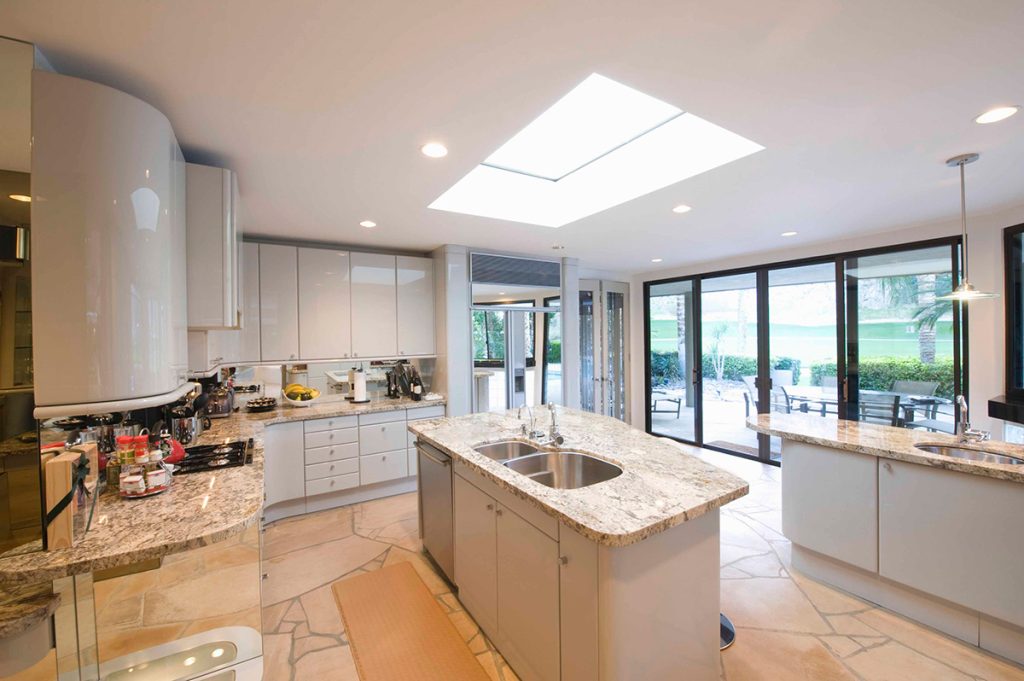
As we move into 2025, kitchen skylights are becoming a hallmark of modern home design, especially for kitchens that need more natural light, an airier feel, and a touch of sustainable sophistication. If you’re looking to get creative with kitchen skylights, this guide explores the latest trends, provides practical installation tips, and draws on authoritative sources to offer the latest industry insights.
Why Kitchen Skylights Are Essential in 2025
In 2025, kitchen skylights have moved from a mere luxury to a staple in home design, blending function with style in a way that meets today’s focus on health, sustainability, and elevated living spaces. Homeowners are recognizing the many perks of skylights in kitchens, from creating an inviting and light-filled space to supporting eco-conscious home design. Here’s a look at why skylights have become such an essential feature for kitchens today:
Brightening the Space and Expanding Its Feel
The kitchen is often the bustling hub of the home, and natural light can truly transform this space. Skylights bring in more than just sunlight—they make the room feel larger, livelier, and more inviting. Studies show natural light can boost mood and energy, so a skylight adds more than style; it enhances the quality of daily life. With skylights, kitchens feel more open, creating an uplifting atmosphere ideal for such a central space.
Promoting Sustainability and Energy Savings
In today’s eco-friendly designs, skylights are a smart way to improve a kitchen’s energy efficiency. By allowing abundant daylight in, skylights cut down on the need for artificial lighting and reduce overall energy use. Many modern skylights come with features like UV-protective glass or remote-controlled shades that adjust to lighting needs throughout the day, keeping the kitchen cool during hot months and conserving energy year-round.
Increasing Comfort with Natural Ventilation
Kitchens are busy areas where cooking creates heat and strong odors, making ventilation essential. Skylights with venting options allow fresh air to circulate, helping to manage the temperature and remove cooking smells. This feature is especially useful in open-concept spaces where good airflow is key for comfort, making the kitchen a pleasant place to gather.
Elevating the Aesthetic and Design Appeal
Beyond function, skylights offer an architectural statement that enhances the kitchen’s design. Strategically positioned above islands or prep areas, skylights draw attention to key spots, becoming focal points that add a refined, cohesive look. They’re an elegant addition that blends beauty with practicality, turning the kitchen into an elevated design space.
Types of Skylights for Diverse Kitchen Layouts
Choosing the perfect skylight for your kitchen can elevate both its look and functionality. Here’s an updated rundown of skylight options that can make a real difference in your culinary space:

Fixed Skylights
Ideal for kitchens that benefit from steady natural light without the need for ventilation, fixed skylights are fully sealed and energy-efficient. They work well over central work areas, like islands or sinks, ensuring your kitchen stays bright—even on overcast days. A fixed skylight can create a welcoming, well-lit atmosphere in any kitchen.
Ventilated Skylights
If your kitchen is bustling with activity, producing plenty of steam and smells, ventilated skylights are a great choice. They can be opened to let in fresh air, helping to quickly clear out cooking odors and reduce humidity. Available in both manual and motorized options, ventilated skylights make it easy to maintain a pleasant kitchen environment.
Tubular Skylights
For smaller kitchens or those tucked away from direct roof access, tubular skylights offer a clever solution. These skylights use a reflective tube to channel sunlight, illuminating spaces without a large roof opening. They’re especially useful for lighting up pantries, small kitchen nooks, or darker interior sections.
Custom Skylights
Larger or uniquely shaped kitchens can benefit from custom skylights, which provide a tailored fit to match specific architectural elements. Whether you’re envisioning a dramatic light well over a spacious kitchen or a subtle arrangement of smaller skylights, custom options let you create a lighting design that aligns with your unique style.
Smart Skylights
Bringing technology into the kitchen isn’t just about appliances; smart skylights can automatically adjust their tint, open or close with changing weather, and even be managed remotely. This option is perfect for optimizing energy use and ensuring just the right amount of light at all times, without needing constant adjustments.
Top Kitchen Skylight Trends in 2025
Kitchen skylights are taking the spotlight in 2025, not only as a functional addition but also as a stylish focal point that enhances natural light, energy efficiency, and design appeal. Here’s a breakdown of the top skylight trends redefining kitchen spaces this year:

Earthy Tones and Natural Hues Enhanced by Skylights
With biophilic design gaining ground, kitchens are embracing earthy colors and textures like warm greens, deep browns, and wood tones that offer a calming, natural vibe. Skylights amplify this aesthetic by flooding these spaces with soft, natural light, creating a warm yet lively atmosphere that feels grounded and welcoming. Designers often position skylights to highlight green cabinetry, rich wood finishes, or stone surfaces, adding depth and highlighting the textures that artificial light can’t match. This approach caters to a growing preference for kitchens that feel both connected to nature and visually soothing.
Layered Lighting Schemes Enhanced by Skylights
Skylights bring a bounty of daylight, yet layered lighting remains essential for kitchens to be functional and adaptable. This trend blends skylights with other lighting types—like pendant lights over islands, recessed lights for food prep, and softer accent lights for ambiance. Skylights offer the primary source of natural light, while other lighting layers ensure the kitchen is well-lit from morning to evening, easily transitioning from vibrant and functional for cooking to soft and cozy for evening meals or gatherings.
Minimalist, Open-Concept Kitchens Featuring Skylights
Minimalism’s influence in kitchen design continues, with skylights playing a key role in maintaining a clean, open look. In spacious, open-concept kitchens, skylights reduce the need for upper cabinets, allowing the natural light to fill the room and cutting back on artificial lighting needs. This setup not only maximizes headspace but also enhances the feeling of openness, creating an unobstructed, airy view. Skylights are an ideal solution for minimalistic designs, adding a sense of spaciousness and simplicity that enhances the kitchen’s overall aesthetic.
Smart Skylight Innovations for Modern Convenience
Smart skylights are in high demand as more homeowners seek technology that enhances both convenience and efficiency. These skylights can be adjusted with remote controls, smartphone apps, or automated blinds to control light levels effortlessly. Some also feature temperature-sensitive tinting to manage glare or keep the kitchen cool on sunny days. These technological advances are ideal for large kitchens where climate control can be a challenge, bringing an innovative, eco-friendly element to the kitchen’s design.
FAQs
Skylights bring in natural light, make the kitchen feel more spacious, and reduce the need for artificial lighting. They also enhance airflow and help maintain a comfortable temperature, which is especially useful when cooking.
Not at all. Modern skylights are designed to be low-maintenance, often with self-cleaning glass or UV-protective coatings that reduce the buildup of dirt and dust. Some models even have features to prevent condensation.
Skylights work well in most kitchens, but the best placement depends on the home’s layout and roof structure. A professional installer can assess whether your kitchen is suitable and recommend the ideal skylight location.
Not with modern skylights! Many have built-in blinds, tinted glass, or UV protection to control the amount of sunlight and heat entering the space, helping to maintain a comfortable temperature year-round.
With proper installation and maintenance, skylights can last 20-30 years or more. Investing in quality materials and choosing a reputable installer will extend their lifespan.