In the quest to find the perfect blend of functionality and beauty for our homes, the choice of windows plays a pivotal role. Among the myriad options available, casement windows stand out for their versatility, offering a solution for budget and beauty. Whether you’re renovating a quaint cottage, modernizing a mid-century home, or building your dream house from the ground up, selecting the right type of casement window can significantly enhance your living space.
Types of Casement Windows
1. Single Casement Windows

This is a classic casement window design consisting of a single frame that opens outwards or inwards, providing excellent ventilation without sacrificing security. These windows are known for their ability to pivot outward to the left or right, like a door, allowing for maximum ventilation and unobstructed views.
It is designed to enhance the comfort of the living space while ensuring the safety of the home. Whether you are looking for a cost-effective window solution in a new build home or looking to increase natural light and fresh air circulation when renovating your home, single frame casement windows are an ideal choice.
2. Double Casement Windows

Double casement windows, a variant within the broader family of casement windows, consist of two sashes that are hinged on their respective sides and meet in the middle when closed.
Similar to single casement windows, double swing windows provide an added level of security. They are equipped with robust locking mechanisms that secure both sashes to the frame, making them more resistant to forced entry compared to other window types.
3. Push Out Casement Windows

The design of push-out casement windows focuses on simplicity and intuitive use experience. Complex parts such as cranks are removed, and the lines of the windows are smoother, making the appearance of the entire window more concise and modern, making it easy to integrate into various modern home designs. This design is not only beautiful, but also more convenient to operate. Users can enjoy the freshness of natural wind with just a push.
4. Push Out French Casement Windows

Push-out French casement windows are a modern window design that combines the functionality of traditional casement windows with the classic style of French doors. This unique swinging window design consists of two side-hinged sashes that open smoothly from the center outwards, providing an elegant and practical way to open a window. They often feature matching handles and wide wooden frames, plus historic design elements such as pillars, making these windows not only beautiful but also structurally sound. The design of push-out French casement windows allows users to adjust the opening width of the window as needed, allowing for optimal ventilation and views.
5. Inward Opening Casement Windows

Inward opening casement windows offer a unique alternative to the traditional outward opening designs, providing both practical benefits and aesthetic versatility for various architectural styles. Unlike their outward opening counterparts, these windows pivot inwards, making them an ideal choice for spaces where exterior obstacles, such as close-proximity buildings, balconies, or landscaping, limit the practicality of outward swinging windows. This feature not only enhances the functionality of a window in constrained spaces but also introduces a distinctive element to interior design.
6. Crank Out Casement Windows

Crank out casement windows, also known as crank operated casement windows, are a popular choice for homeowners seeking both aesthetic appeal and functionality. These windows are characterized by their side-hinged sashes that swing outward from the home, operated by turning a crank handle. This design allows for full top-to-bottom ventilation, precise airflow control, and easy operation, making them an ideal choice for various settings and architectural styles.
7. Awning Casement Windows

Awning casement windows, a subtype of the casement window family, hinge at the top and open outward from the bottom, creating an awning effect. This design is particularly advantageous for allowing ventilation while protecting the interior from rain, making them a popular choice for a variety of architectural styles and climates.One of the main advantages of top-hinged casement windows is the ventilation they provide even during light rain. When open, the windows act as shields (or awnings), preventing raindrops from entering the space. This feature makes top-hinged casement windows ideal for basements, bathrooms, or any area where both privacy and airflow are required.
8. Double French Casement Windows
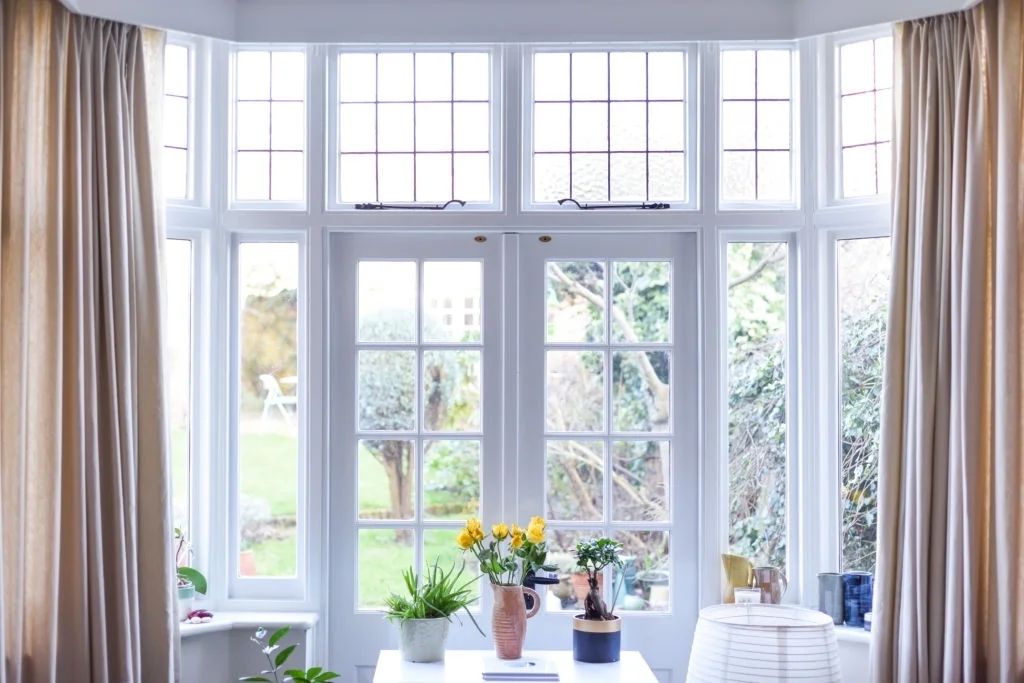
Double French casement windows elevate the classic charm and functional benefits of traditional French casement windows by incorporating two sets of windows, or “double” the opening capacity. This design typically involves four sashes (two sets of two sashes) that open outward from the center without a central mullion, creating a large, unobstructed opening.
What Material is Best for Casement Windows?
Aluminum is generally considered the most suitable material for casement windows.Aluminum casement windows have unique advantages and are particularly suited to specific applications and needs.
Durability and Strength: Aluminum alloy window frames possess excellent durability and strength, able to withstand the test of time and various natural environmental impacts. They do not fade, rot, or deform, maintaining their appearance and performance over the long term.
Corrosion Resistance: Aluminum alloy window frames exhibit outstanding corrosion resistance, suitable for humid or rainy climate conditions. They are less susceptible to water, moisture, or salt corrosion, making them more suitable for coastal or high-humidity areas.
Lightweight Design: Aluminum alloy window frames feature a lightweight design, making them easy to install and transport. This makes them an ideal choice for large windows and wide-span structures, providing open, bright indoor spaces.
Modern Appearance: Aluminum alloy window frames have a modern appearance and clean lines, suitable for modern architectural styles and design trends. They can offer a sleek, stylish look that is compatible with many different architectural styles.
Low Maintenance Requirements: Compared to other materials, aluminum alloy window frames have low maintenance requirements. They do not require frequent painting or treatment, only regular cleaning to maintain their appearance and performance.
What are the Prices of Casement Windows?
The price of casement windows is a concern for many people. Casement window prices can vary greatly depending on a variety of factors, including material, size, design, features, and manufacturer. Here’s a simplified breakdown:
Vinyl Casement Windows: $150 to $600 per window.
Aluminum Casement Windows: $300 to $1,000 per window.
Wood Casement Windows: $500 to $2,000 or more per window.
Composite Casement Windows: $400 to $1,500 per window.
Energy-Efficient Casement Windows: Starting at $300 to $700 per window.
It’s important to note that these are just rough estimates, and actual prices may vary based on factors such as location, installation costs, additional features (such as grids or decorative glass), and any customization options. Additionally, purchasing multiple windows at once or during promotions or sales events may help reduce overall costs. To get an accurate price quote for your specific needs, it’s recommended to consult with window manufacturers or local suppliers and obtain quotes based on your exact requirements.
How to Find Professional Casement Window Manufacturers Online?
Finding professional casement window manufacturers online involves a multi-step approach to ensure you’re engaging with reputable and high-quality suppliers.The following points are things to note:
Check Reviews and Testimonials: Look for customer reviews, testimonials, and case studies on the manufacturers’ websites, as well as on independent review sites. Pay attention to comments about product quality, customer service, delivery times, and how the company handles issues.
Assess Certifications and Standards: Reputable casement window manufacturers should comply with industry standards and certifications. Look for certifications like ENERGY STAR, National Fenestration Rating Council (NFRC), American Architectural Manufacturers Association (AAMA), or equivalent standards in your country. These certifications are indicators of quality and performance.
Request Quotes and Samples: Once you’ve narrowed down your list of potential manufacturers, reach out to them for quotes and, if possible, samples. This will give you a direct sense of their customer service, pricing, and the quality of their products.
Ask for References: Request references from past clients, especially those who had similar projects to yours. This can provide firsthand insights into their experience working with the manufacturer.
If you are busy at work and don’t want to spend too much time researching custom window companies, you can take a look at the “Top 10 Custom Door and Window Manufacturers in the USA“, which can help you compare window manufacturers faster and pick the one that suits you Window Company. Among them, Andersen, JELD-WEN, Marvin and PA Window and Door are the more popular brand companies for casement windows. These window brands have many manufacturing factories and dealers around the world. You’ll usually find them when you search for “window companies near me.”
Conclusion
In summary, casement windows stand out as an excellent option for those looking to custom their window or change window types, offering a blend of functionality and aesthetics. Despite some limitations, their benefits far outweigh any drawbacks, making them a worthwhile consideration for your home’s window installation.
Frequently Asked Questions (FAQs)
Casement windows are hinged windows that open outward to the left or right, typically operated with a crank mechanism. They offer superior ventilation, unobstructed views, and a tight seal for improved energy efficiency.
the advantages of casement windows:
- Ventilation: Offers top-to-bottom air flow when fully opened.
- Energy Efficiency: Provides a tight seal, reducing air leakage.
- View: Delivers unobstructed views with less frame obstruction.
- Security: Features embedded locks for added safety.
- Ease of Use: Easy to operate with a crank mechanism.
the disadvantages of casement windows:
- Size Limits: Larger sizes may be impractical due to the outward swing.
- Maintenance: Crank mechanisms can wear out and may require repairs.
- Safety Concerns: May obstruct paths in high traffic areas when open.
- Weather Exposure: More exposed to the elements, possibly affecting durability.
- Cost: Can be more expensive upfront compared to sliding or double-hung windows.
Casement windows often come with a higher price tag due to their complex design and mechanism, including the crank system for opening and closing. They also typically feature a more robust sealing system for enhanced energy efficiency, and the materials and construction required for these features can drive up the cost. Additionally, the customization options available for casement windows, such as size, material, and finishes, contribute to their higher expense.
Not typically. Casement windows are generally more expensive than double hung windows due to their complex opening mechanisms, higher energy efficiency, and the durability of their construction. However, prices can vary based on materials, sizes, and features chosen.
The types of window casements mainly have:single casement window、double casement window、push out casement window、push out french casement window、inward opening casement window、crank out casement window、awning casement window and double french casement window.