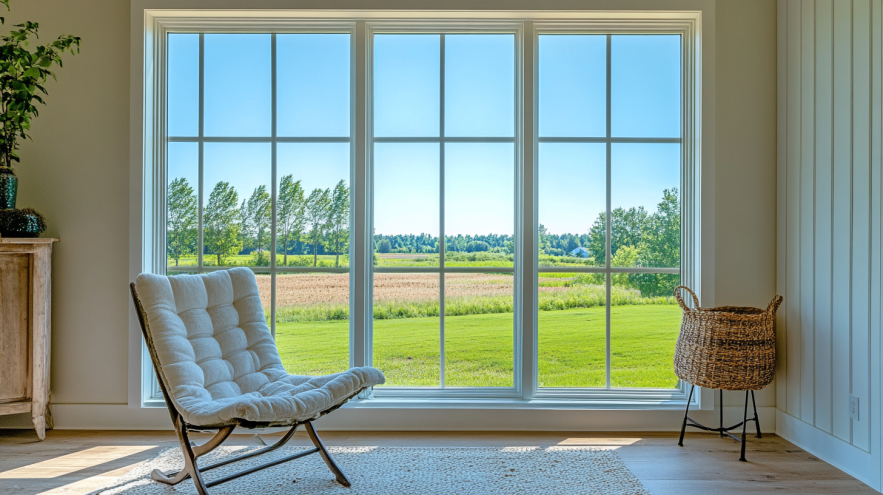
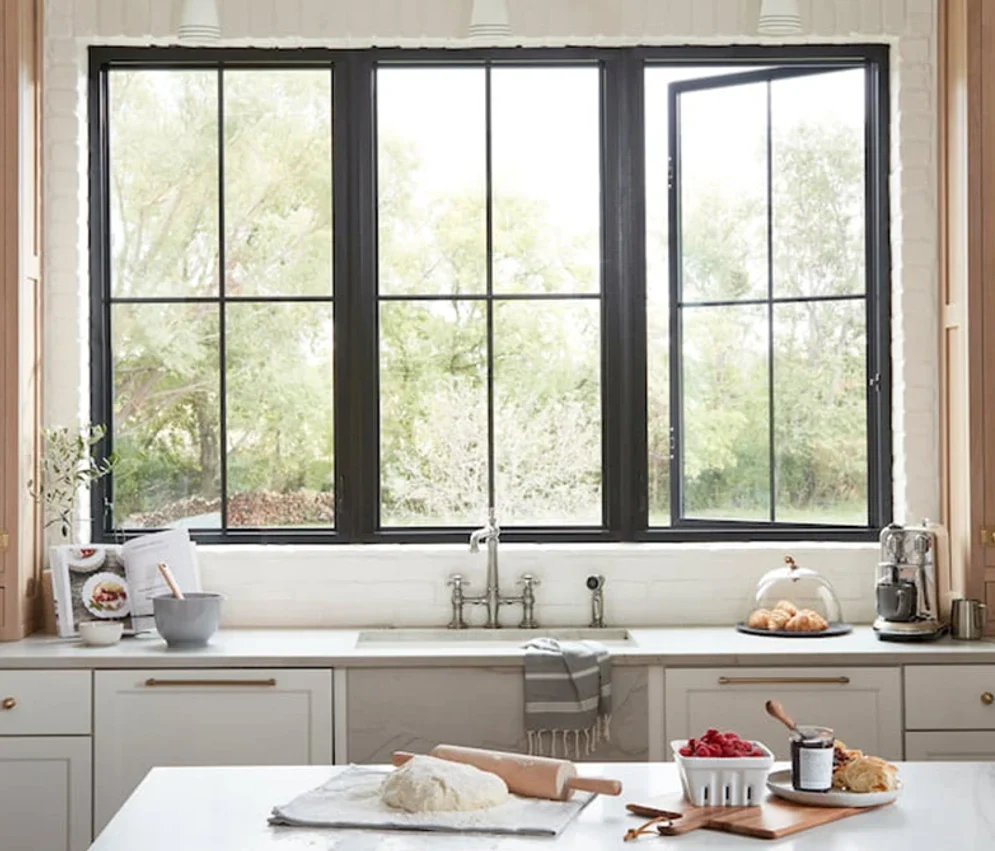
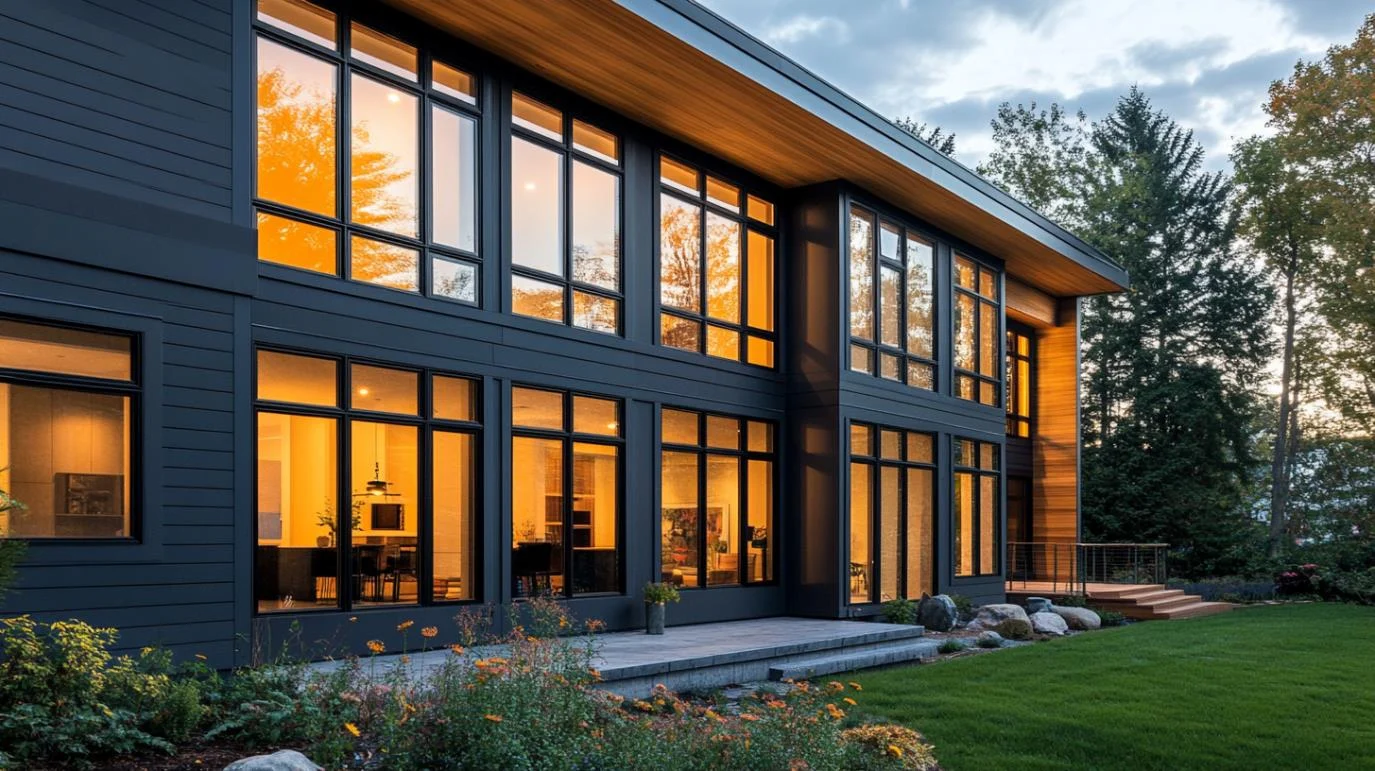
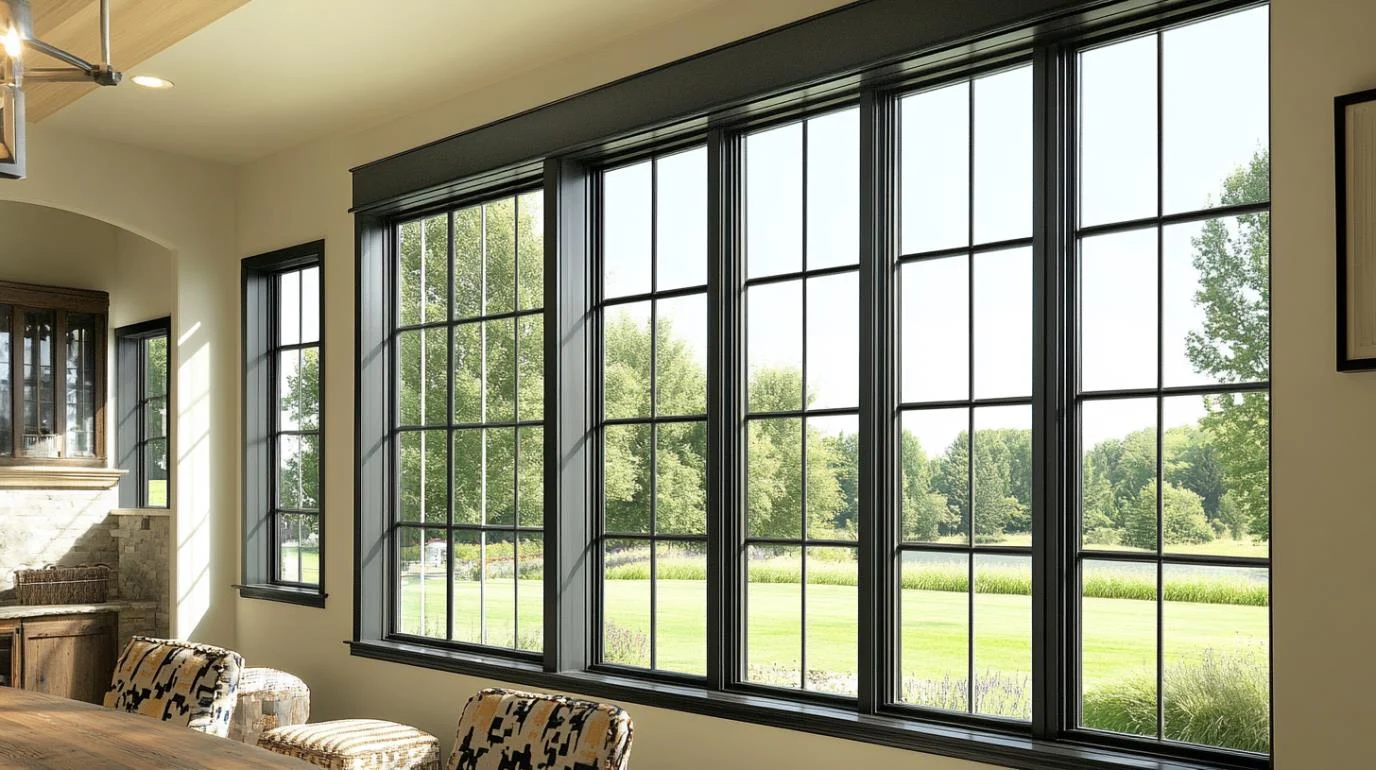
Tilt and turn windows, often referred to as European tilt-and-turn windows, have gained popularity in the USA due to their versatile functionality and modern design. Unlike traditional windows, these innovative models can open in two distinct ways—tilting at the top for secure ventilation or turning inward for full access, making them ideal for easy cleaning and emergency exits. This dual functionality, combined with their sleek, energy-efficient designs, makes tilt-and-turn windows a preferred choice for homeowners looking to balance style, security, and practicality.
These windows are especially sought after for their ability to enhance both home security and energy efficiency. When closed, they form an airtight seal, which reduces drafts and improves insulation. This feature is particularly beneficial in areas with harsh climates, as the tight seal helps maintain indoor temperatures, thus lowering energy costs. Many custom tilt-and-turn window manufacturers also offer options to personalize the design, materials, and even tilt-and-turn window blinds to match your home’s aesthetic.

How Tilt and Turn Windows Work
Tilt and turn windows are known for their unique dual-opening mechanism, which makes them versatile and easy to use. With just a simple turn of the handle, you can choose between two different functions. First, the tilt function allows the window to open inward from the top. This creates a small opening for ventilation while maintaining security. It’s perfect for letting in fresh air without compromising your home’s safety.
The second option is the turn function, where the window swings inward like a door. This mode gives full access to the outside, making it incredibly easy to clean the exterior glass from inside your home. The turn feature also acts as an emergency exit, adding an extra layer of functionality and safety.Whether you’re installing custom tilt and turn windows or choosing ready-made models, this dual function is what sets them apart from more conventional window styles.

Benefits of Tilt and Turn Windows
Tilt and turn windows offer numerous advantages that make them a popular choice among homeowners, especially in the USA. One of the key benefits is versatility. The dual-opening system gives you complete control over ventilation and security. You can use the tilt function for a slight opening at the top, allowing airflow without fully exposing your home. This feature is ideal for maintaining a comfortable indoor environment, even in bad weather.
Another major benefit is energy efficiency. Thanks to their airtight seals, tilt-and-turn windows are highly effective in reducing heat loss, which helps lower energy bills. For even better insulation, many custom tilt and turn windows manufacturers offer triple glazing, making these windows ideal for homes in colder climates. Not to mention, the design is also perfect for integrating blinds for tilt and turn windows, offering further control over light and privacy. These windows aren’t just functional—they’re designed to blend seamlessly into any home’s style.
Material Options for Tilt and Turn Windows
When choosing tilt and turn windows, selecting the right material is essential. Each material offers different benefits in terms of durability, aesthetics, and maintenance. Here’s a breakdown of the most common options available for custom tilt and turn windows:
1. uPVC
uPVC is one of the most popular materials for tilt-and-turn windows due to its affordability and low maintenance. This material is resistant to rust, rot, and corrosion, making it a long-lasting option for homeowners. uPVC frames are also energy efficient, providing good insulation to keep homes warm in winter and cool in summer. Another advantage of uPVC is the wide variety of colors and finishes available, allowing customization without a hefty price tag. However, it may lack the aesthetic charm of natural materials like wood.
2. Aluminium
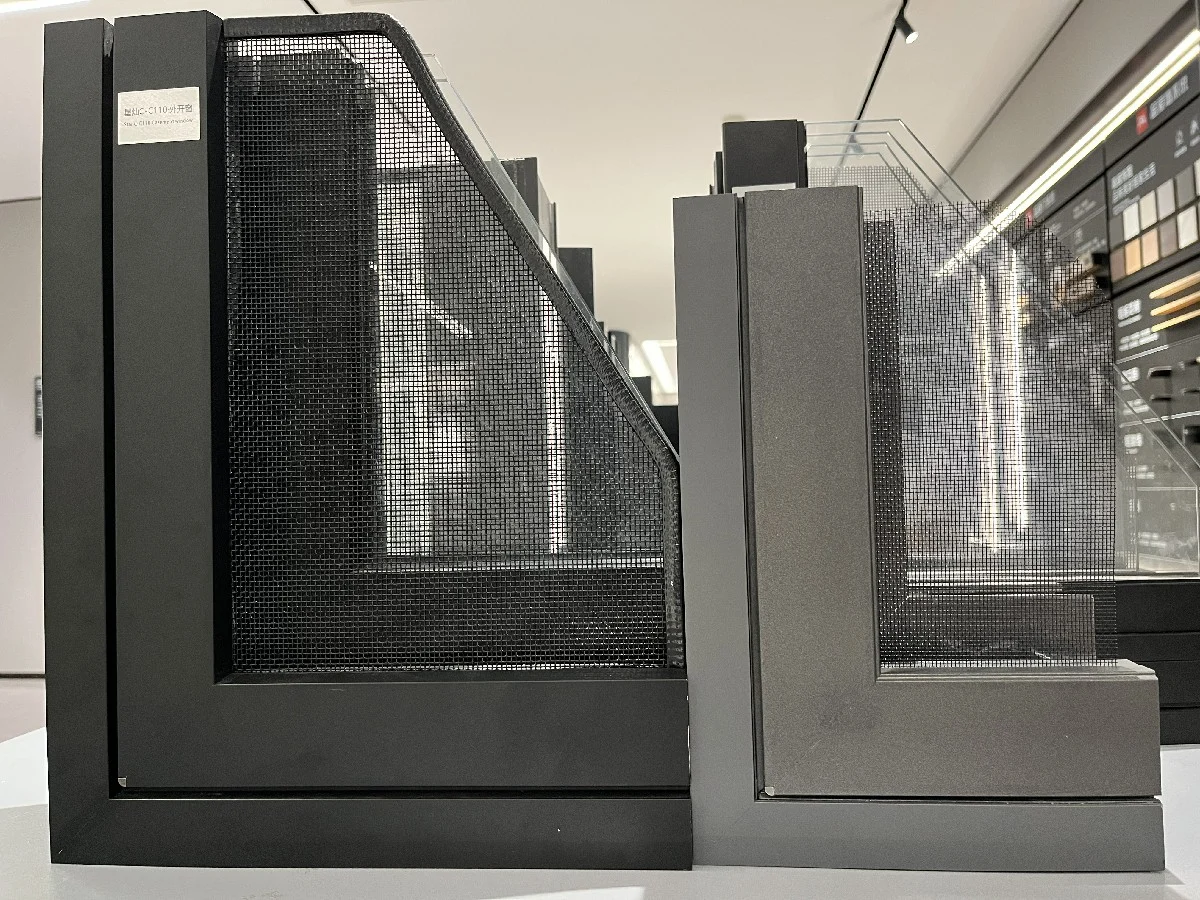
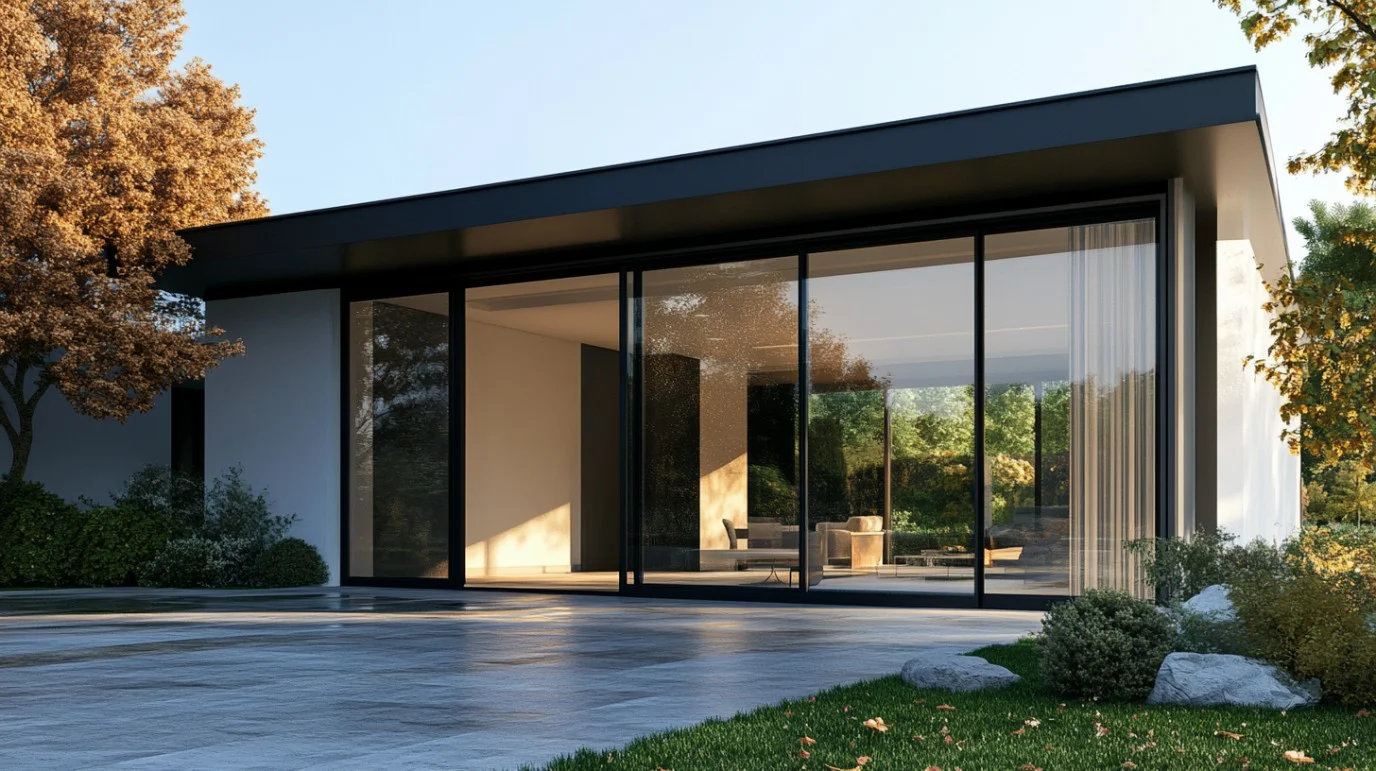
If you’re looking for durability and a sleek design, aluminium tilt and turn windows are a great option. Aluminium frames are slim yet strong, offering excellent resistance to rust and the elements. They’re perfect for modern homes with large glass areas, as the slim profile allows for more natural light. While aluminium frames are more expensive than uPVC, their long-term durability and minimal maintenance make them a worthwhile investment. Additionally, they can be powder-coated in virtually any color, offering significant design flexibility.
3. Wood
Wood is an excellent option for those seeking a more traditional or high-end look for their turn and tilt windows. It provides excellent insulation and can be stained or painted to match your home’s aesthetic. However, wood requires more maintenance, including regular sealing or painting to prevent decay. Despite the higher maintenance, many homeowners opt for wood because of its natural beauty and environmental benefits.
4. Composite
Composite frames combine the best qualities of wood and uPVC, offering the look of wood with the durability of modern materials like vinyl or fiberglass. This option is low maintenance, highly durable, and energy-efficient, making it a popular choice for homeowners who want the charm of wood without the hassle.

Glass Options for Tilt and Turn Windows
Choosing the right glass for your tilt and turn windows is crucial for both energy efficiency and security. The type of glass you select impacts insulation, noise reduction, and safety. Here’s a breakdown of the most common glass options available for turn and tilt windows:
1. Double Glazing
Double glazing is a popular option for tilt-and-turn windows, offering a good balance of energy efficiency and affordability. It consists of two glass panes with a space between them, usually filled with air or gas like argon. This design reduces heat transfer, keeping your home warm in winter and cool in summer, while also minimizing noise pollution.
2. Triple Glazing
For those in colder climates, triple glazing is an even better choice. It adds an extra layer of insulation by incorporating three panes of glass, which significantly improves energy efficiency. Triple glazing can also reduce energy bills, making it a smart investment for homes aiming to meet Passive House standards. This option is especially popular for tilt and turn windows USA projects that need higher thermal performance.
3. Laminated Glass
Laminated glass is ideal for homeowners prioritizing security and soundproofing. It consists of two or more glass layers bonded with an interlayer that holds the glass together even if it shatters. This makes it an excellent option for homes where security is a concern, as the glass is difficult to break through.
4. Tempered Glass
Tempered glass is another safety-focused option. It’s designed to shatter into small, less harmful pieces upon impact, making it a safer alternative for families. Tempered glass is commonly used in custom tilt and turn windows to enhance security while also maintaining a sleek look.
5. Low-E Glass
Low-emissivity (Low-E) glass has a special coating that reflects heat back into your home, reducing heat loss during colder months. This type of glass can significantly enhance the energy efficiency of your European tilt and turn windows, making it a favorite for environmentally conscious homeowners.
6. Frosted Glass
For added privacy, frosted glass is a great option. It diffuses light while obscuring the view, making it ideal for bathrooms or rooms facing busy streets. Blinds for tilt and turn windows can further enhance privacy and light control when combined with frosted glass.
Design and Customization of Tilt and Turn Windows
One of the standout features of tilt and turn windows is the incredible flexibility in design and customization. Whether you prefer a sleek, modern look or a more traditional style, these windows can be tailored to suit any architectural preference. With a wide range of materials, finishes, and additional features available, you can create the perfect custom tilt and turn windows to match your home’s aesthetic.
Material Choices
You have options like aluminium tilt and turn windows for a contemporary, slim profile that maximizes natural light, or wood frames for a warm, traditional look. Additionally, uPVC offers a budget-friendly yet highly durable alternative that comes in various colors and finishes.
Color and Finish Options
Customization doesn’t stop with the material. Many custom windows manufacturers offer a broad palette of colors, allowing you to choose anything from classic white to bold, vibrant tones. Aluminium tilt and turn windows can be powder-coated in any color, offering a long-lasting, durable finish that won’t fade over time.
Blinds and Hardware
For added functionality, blinds for tilt and turn windows can be seamlessly integrated. Roller blinds for tilt and turn windows are a popular choice, as they offer privacy and light control without compromising the ease of window operation. You can also choose from various handle finishes—brushed steel, matte black, or even antique brass—to add a personal touch.
Cost Considerations for Tilt and Turn Windows
When planning to install tilt and turn windows, cost is an essential factor to consider. The price of these windows can vary significantly based on several factors, including the material, size, glazing options, and additional features like integrated blinds or custom finishes.
Material Impact on Cost
Different materials offer varying price points. uPVC tilt and turn windows are often the most affordable option, providing durability and energy efficiency at a lower cost. On the other hand, aluminium tilt and turn windows tend to be more expensive due to their sleek appearance and longer lifespan. If you’re looking for a traditional aesthetic, wooden frames can be a beautiful choice, but they typically come with a higher price tag and maintenance.
Glazing and Additional Features
The type of glazing also plays a significant role in determining the overall cost. Double glazing is standard and sufficient for most climates, but if you’re in a colder region or want to maximize energy efficiency, triple glazing will increase the price but offer better insulation. Features like roller blinds for tilt and turn windows or custom hardware can also add to the total cost
Customization and Installation
Custom designs and sizes from custom tilt and turn windows manufacturers will generally be more expensive than off-the-shelf options. Additionally, installation costs should not be overlooked. Professional installation is critical to ensure the windows function correctly, especially with the complex mechanisms involved in tilt-and-turn windows.
While tilt and turn windows USA installations may come with higher upfront costs, the long-term energy savings and durability can make them a worthwhile investment.
Conclusion
Tilt and turn windows are an excellent investment for homeowners seeking flexibility, energy efficiency, and modern design. Their unique functionality, combined with proper installation and regular maintenance, ensures they perform at their best for years to come. Whether you’re prioritizing security, ease of cleaning, or aesthetic customization, these windows provide a balance of style and practicality, making them a smart choice for any home.
Frequently Asked Questions (FAQs)
Prices typically range from $300 to $1000 per square meter, depending on material, size, and additional features like glazing options.
These windows are known for durability and versatility, with quality depending on materials (aluminum, UPVC, wood) and hardware. Look for options with CE certification for safety and quality assurance.
Common materials include:
- UPVC: Affordable and low maintenance.
- Aluminum: Durable with a modern look.
- Wood: Beautiful but requires maintenance.
- Aluminum-wood composite: Combines durability with aesthetic appeal but is more expensive.
High-quality tilt and turn windows generally last 20 to 40 years, depending on the materials, maintenance, and installation quality. Aluminum and UPVC windows typically have a longer lifespan, while wooden windows require more frequent maintenance to keep them in good condition.
Select reputable brands, ensure good after-sales service, and check customer reviews.