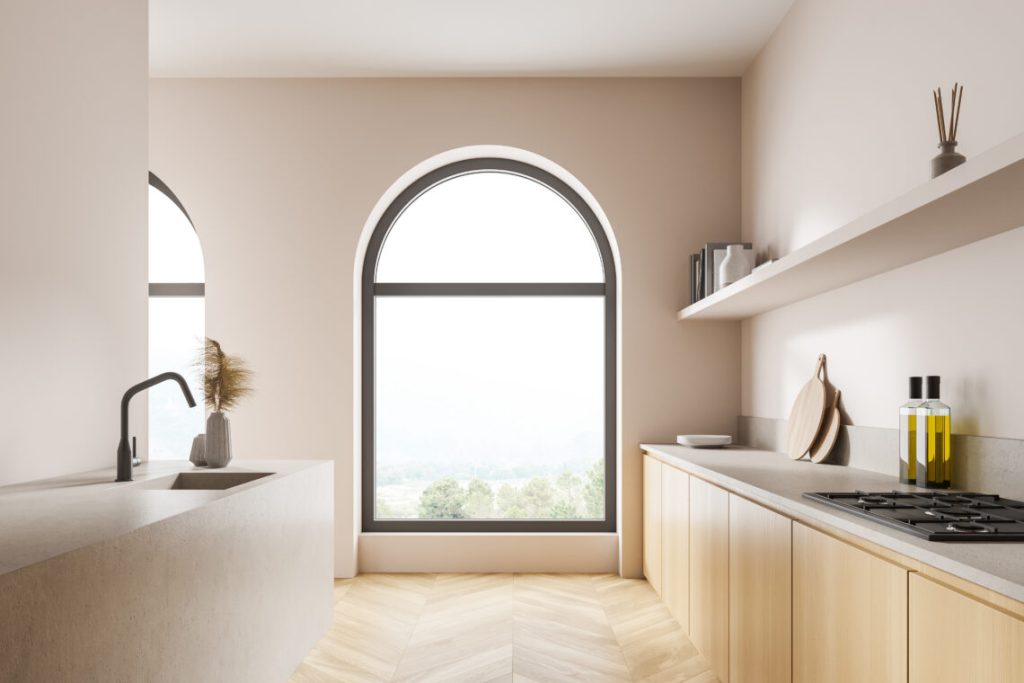
Arch windows, with their distinctive curved arches, have long been a symbol of architectural beauty and innovation. From the grand arches adorning ancient Roman aqueducts to the majestic arched windows of Gothic cathedrals, these windows have a storied history that spans centuries and styles. Today, they continue to be a popular choice for adding elegance and natural light to modern homes. Whether you’re building a new home or remodeling an existing space, understanding the diverse styles and functionalities of arch windows can significantly impact your design choices.
What is an Arch Window?
An arch window, characterized by its curved arch at the top, merges functionality with decorative elegance. Historically, arch windows trace back to the Roman architecture era, where they were not just design elements but also structural innovations that supported heavier loads than traditional rectangular openings. Over centuries, these windows have evolved, adapting to various architectural styles and becoming a staple in both sacred and secular buildings.
Arch windows operate similarly to standard windows but often involve unique mechanisms, especially if they include opening capabilities like those seen in arched casement windows. In modern settings, these windows are not only chosen for their timeless beauty but also for their ability to enhance natural lighting and increase the perceived height of rooms, aligning with current trends that emphasize light, airy spaces in home design.

Types and Styles of Arch Windows
Arch windows come in multiple types and styles, each suited to different architectural needs and aesthetic preferences:
| Type of Arch Window | Description |
|---|---|
| Fixed Arch Windows | Non-operable windows designed to let in light and add decorative value. Ideal for spaces where ventilation isn't required. |
| Operable Arch Windows | Windows that can open (e.g., arched casement or sliding). Provides both beauty and ventilation in areas that need air circulation. |
| Gothic Arch Windows | Pointed arches typically found in historical and religious buildings. Often paired with intricate leaded glass designs. |
| Palladian Windows | Features a central arched window flanked by two smaller, flat-topped segments. Known for adding grandeur, common in neoclassical architecture. |
| Roman Arch Windows | Semi-circular arches often seen in classical architecture. Known for sturdy construction and support of heavy structures. |
| Renaissance Arch Windows | A blend of rounded and straight lines, common in Renaissance architecture. Combines ornate details with classical simplicity. |
| Modern Arch Windows | Contemporary take on the traditional arch. Larger sizes, clean lines, and minimal ornamentation, enhancing light and indoor-outdoor living. |
Arch windows are prevalent in regions with Mediterranean and Gothic architectural influences, where their historical and cultural significance is particularly emphasized. For instance, the large arched windows of Gothic cathedrals are not just light sources but also elements of spiritual symbolism, aiming to draw the eyes upwards towards the divine.
Famous buildings like the Notre-Dame Cathedral showcase intricate arched stained glass windows that demonstrate the style’s complexity and craftsmanship, which has been inspiring various structures around the world.
By understanding these diverse types and historical contexts, homeowners and architects can better appreciate the value and impact of integrating arch windows into modern constructions.
Materials Used in Arch Windows
The choice of materials for arch windows plays a crucial role in their performance, durability, and aesthetic fit within various architectural styles. Each material offers unique benefits and challenges:
Vinyl
Vinyl is widely appreciated for its low maintenance and energy efficiency. It’s economical and resistant to weather and moisture, making it a solid choice for many homeowners. However, vinyl can be sensitive to extreme temperatures and UV light, which might affect its longevity and color.
Wood
Wood offers a classic and elegant appearance, enhancing the interior and exterior charm of a home. It’s highly customizable and provides excellent insulation, but it requires regular maintenance such as painting or staining to prevent decay.
Aluminum
Aluminum frames are valued for their strength and low maintenance. They are less expensive than wood and offer a modern look but are less energy efficient and can corrode in salty or humid environments.
Fiberglass
Fiberglass is a robust material that stands up well to extreme climate conditions and offers superior energy efficiency. It can be painted any color, providing flexibility in design choices. Despite its higher cost compared to vinyl, its durability and maintenance ease make it a worthwhile investment.
Composite
Composite materials combine the benefits of multiple substances, such as wood fibers and polymer plastics, to create frames that are durable, low maintenance, and often more environmentally friendly. They provide good insulation and moisture resistance, making them suitable for a variety of climates.

Energy Efficiency and Arch Window Design
When selecting arch windows, energy efficiency is a paramount consideration, especially given the varying climates and the need for sustainable building practices. Arch windows, with their unique shapes, require specific technologies to enhance their energy-saving capabilities.
Low-E Glass
One of the most effective technologies in energy-efficient window design is Low-Emissivity (Low-E) glass. This type of glass has a microscopically thin coating that reflects infrared light, keeping heat inside during winter and outside during summer. This technology not only reduces energy bills but also protects against UV damage to floors, fabrics, and furnishings.
Thermal Breaks
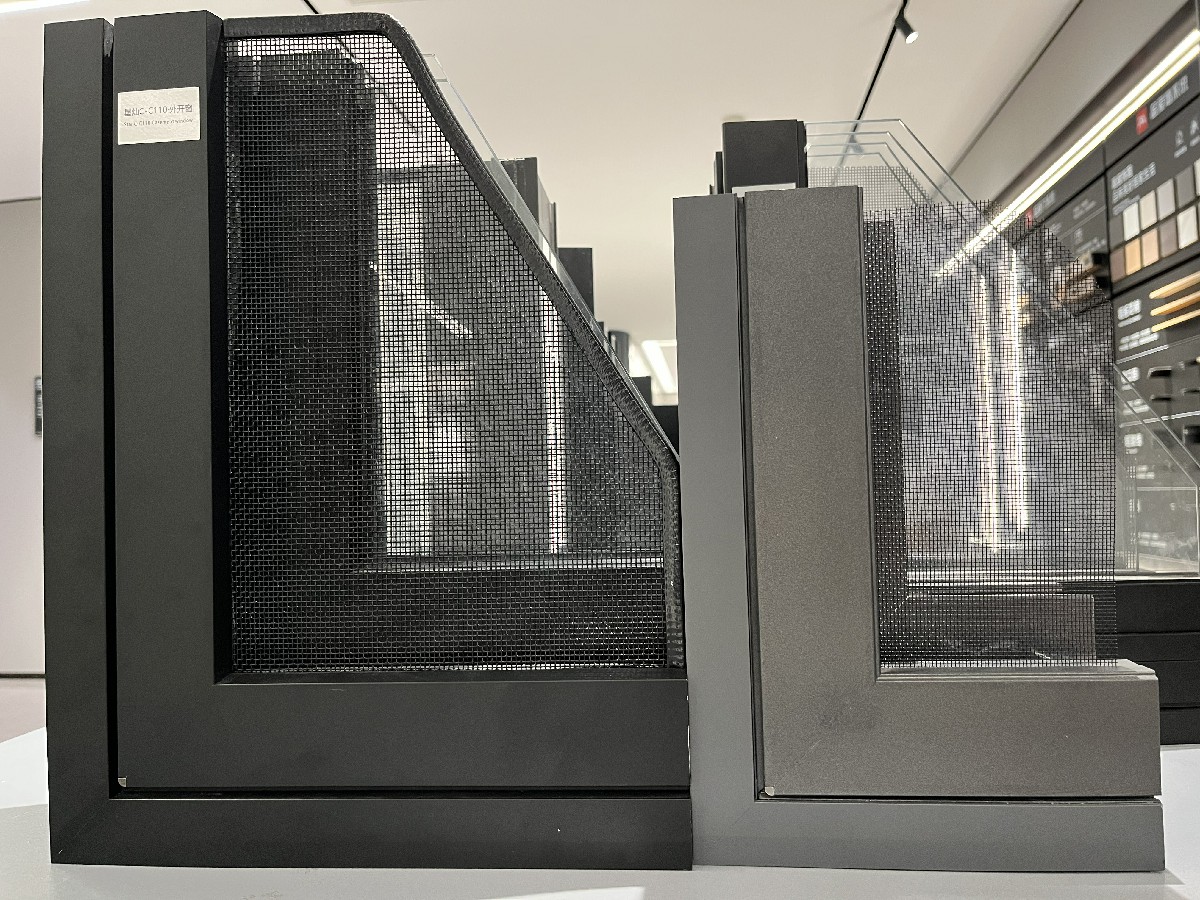
Aluminum frames equipped with thermal breaks are another innovative feature that significantly improves insulation. A thermal break is a non-metallic resin or plastic material placed between the inside and outside of the frame to reduce heat transfer. This is particularly important in aluminum windows, which inherently conduct heat and cold more than other frame materials.
Dual or Triple Pane Glass
Incorporating dual or triple pane glass is another strategy to enhance the thermal performance of arch windows. These windows are made with two or three layers of glass, with an inert gas like argon or krypton filled between the panes. This setup provides superior insulation by minimizing the transfer of heat through the window.
Fiberglass is a robust material that stands up well to extreme climate conditions and offers superior energy efficiency. It can be painted any color, providing flexibility in design choices. Despite its higher cost compared to vinyl, its durability and maintenance ease make it a worthwhile investment.
Composite materials combine the benefits of multiple substances, such as wood fibers and polymer plastics, to create frames that are durable, low maintenance, and often more environmentally friendly. They provide good insulation and moisture resistance, making them suitable for a variety of climates.

How to Decorate Arched Windows?
Decorating arched windows can enhance both their architectural charm and the overall aesthetic of your space. Here are some effective strategies to consider:
Complementary Curves: Introducing other curved elements like round or oval mirrors, circular light fixtures, or curvilinear furniture can harmonize with the arch of the window, creating a cohesive look throughout the space. This approach helps balance the unique shape of arched windows with the rest of your room’s decor.
Custom Window Treatments: Arched windows can be dressed with custom-fit treatments that respect their unique shape while providing functionality. Options include:
Roman Shades: These can be tailored to fit within the arch, offering a clean and fitted look
Drapery: Hanging drapes above the arch can help frame the window beautifully, adding softness and elegance to the room
Roller Shades and Cellular Shades: Both options offer practical light control and privacy, with the ability to custom fit to the arch’s dimensions.
Accent Features: Utilizing features like frosted window film or intricate wrought iron grilles can add privacy and style without obstructing light. These options provide a decorative touch while maintaining the window’s functional benefits.
Play with Light: Installing accent lighting around arched windows can highlight their architectural beauty and draw attention to the area. Strategic lighting can enhance the visual impact of the windows, making them a focal point in the room.
Balancing Shapes: Mixing geometric shapes can also complement arched windows. Adding square or rectangular elements in the room can create an intriguing visual contrast that highlights the beauty of the arches without overwhelming them.
How Does Arch Window Cost?
The cost of arched windows can vary widely depending on the materials, size, glass type, and whether they are custom-made or standard. Typically, you can expect the following:
- Basic Cost: For standard arched windows, prices can range from $273 to $1,675 per window
- Mid-Range and High-End Options: If you’re looking for mid-range options, prices might range from $700 to $1,000 per window, including installation. For high-end arched windows, especially those with specialized glass or frames, costs can range from $1,000 to $1,400
- Additional Features: Costs can increase if you opt for energy-efficient upgrades like Low-E coating or double/triple pane glass. Such features can push the cost towards the higher end of the spectrum
- Installation Costs: Installation can vary based on the complexity of the window setup and the local labor rates, but generally, installation fees might range from $150 to $325 per window
How to Install Arched Windows?
Proper installation is crucial for maximizing the performance and durability of arch windows. Here are key factors to consider when installing these unique window types:
Professional Installation
Arch windows, due to their specific shapes and operational features, often require professional installation to ensure they are properly fitted and sealed. Specialists from companies like PA Aluminum are trained to handle the intricate details of arch window installation, which can include custom framing and ensuring the structural integrity of the installation site.
Custom Framing
Given their non-standard shapes, arch windows may need custom frames. This involves precise measurements and potentially crafting unique frame designs to accommodate the arch. It’s important that these frames not only fit perfectly but also complement the architectural style of the building.
Sealing and Weatherproofing
Proper sealing is vital to prevent air and water leaks, which can undermine the thermal efficiency of the window. High-quality sealants and flashing must be used to protect against the elements, particularly in areas prone to extreme weather.
Integration with Building Aesthetics
Arch windows should harmonize with the building’s overall design aesthetic. This might involve selecting frame materials and finishes that match the existing decor. PA Aluminum offers a range of customization options that can help align new windows with the architectural style of any home or building.
Compliance with Local Building Codes
Installation must adhere to local building regulations and codes, which may dictate specific requirements for window size, glass type, and emergency egress. It’s essential to consult with local authorities or a professional installation service to ensure compliance.
Ensuring these aspects are properly managed can significantly affect the longevity, functionality, and aesthetic integration of arch windows in a structure. Employing experts like those at PA Aluminum can simplify this process, providing peace of mind and guaranteeing that the installation enhances the property’s value and beauty.

How Do I Maintence the Arched Windows?
Maintaining arched windows properly ensures they continue to beautify your home and function effectively. Here are some essential maintenance tips:
Regular Cleaning: It’s important to clean the glass and frames of your arched windows regularly to prevent dirt and grime buildup, which can impair visibility and potentially damage the window structure over time. Use a soft cloth or sponge and a mild detergent to gently clean the surfaces without scratching them.
Frame Maintenance: For arched windows with aluminum frames, it is crucial to clean them without harsh chemicals to avoid damage. Use a mild detergent and avoid abrasive tools. For PVC frames, ensure that they are cleaned with appropriate cleaners that will not degrade the material. Regular cleaning helps maintain the aesthetic appeal and functionality of the window frames.
Check for Damage: Inspect your arched windows regularly for any signs of damage, such as cracks, gaps, or warping. Early detection of such issues can prevent more extensive and expensive repairs later on.
Sealant and Weatherstripping: Ensure that the sealant and weatherstripping around your windows are intact. These materials can degrade over time, leading to drafts and energy loss. Replacing worn out sealant or weatherstripping can improve energy efficiency and comfort in your home.
Lubrication: Keep the moving parts of arched windows, such as hinges and locks, well-lubricated to ensure smooth operation. Use a silicone-based lubricant for best results, as oil-based products can attract dirt and debris.
Protective Measures: If you live in an area with harsh weather conditions, consider additional protective measures like storm windows or shutters to protect your arched windows from damage.
Ready to Get Arched Windows?
For personalized assistance and to explore a range of arch window options tailored to your specific needs, consider reaching out to a reputable window supplier. PA Window is a great choice, known for their quality products and customer service. You can contact them directly at +8618814426346 to discuss your requirements and get expert advice.
FAQs
Detail the customization options available for arch windows, including choices in frame materials, colors, and glass types like Low-E or tinted glass.
Suggest consulting with reputable suppliers or manufacturers like PA Window for quality products and expert advice.
Highlight current trends such as the integration of smart glass technology, minimalistic frames, and color trends in arch window designs.
Offer solutions like the use of frosted or tinted glass, window films, or adjustable window treatments like blinds and curtains that can enhance privacy while allowing natural light to enter.
Offer guidance on selecting a qualified contractor for arch window installation, including what credentials to look for, questions to ask, and how to verify references and past work quality.