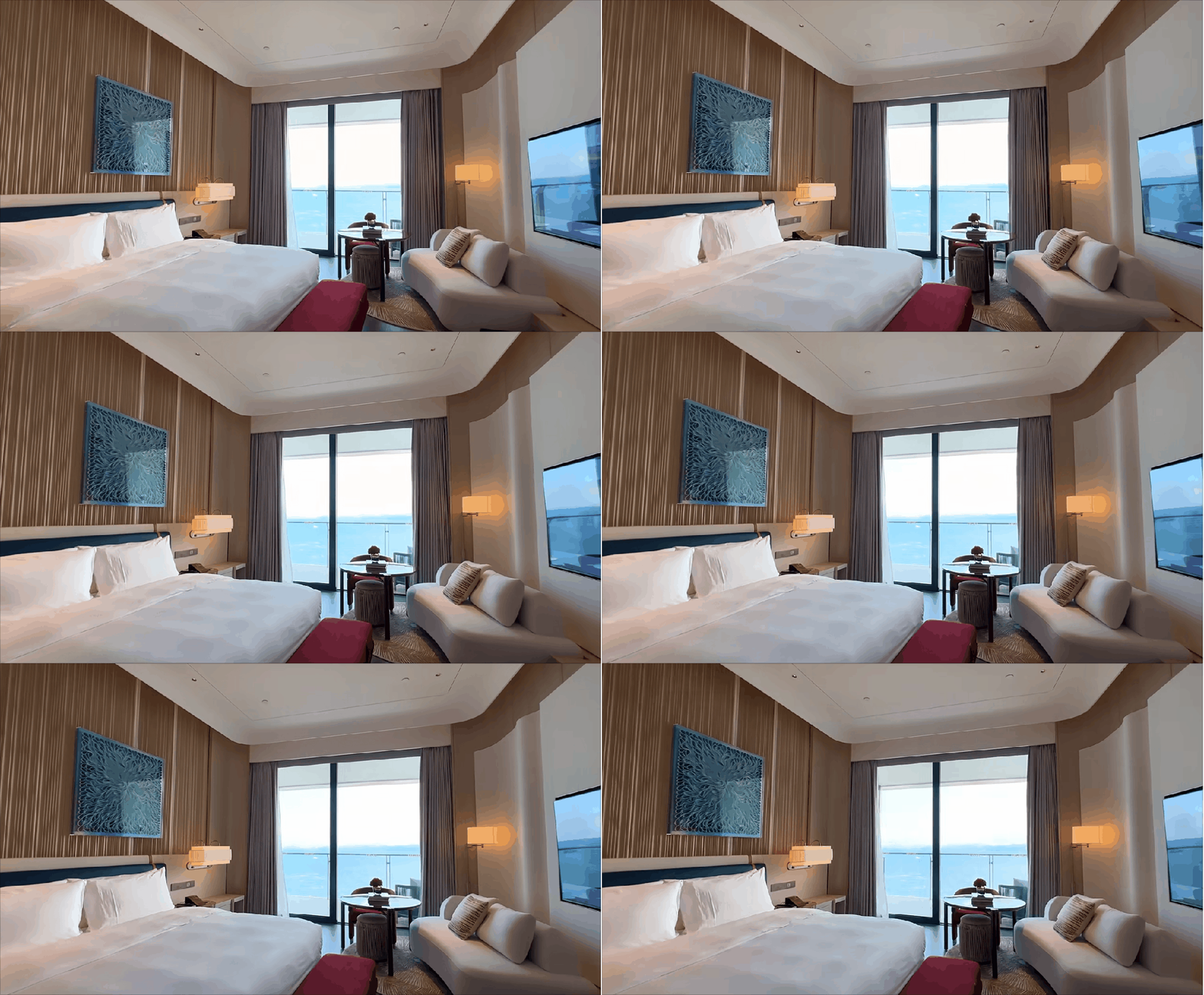
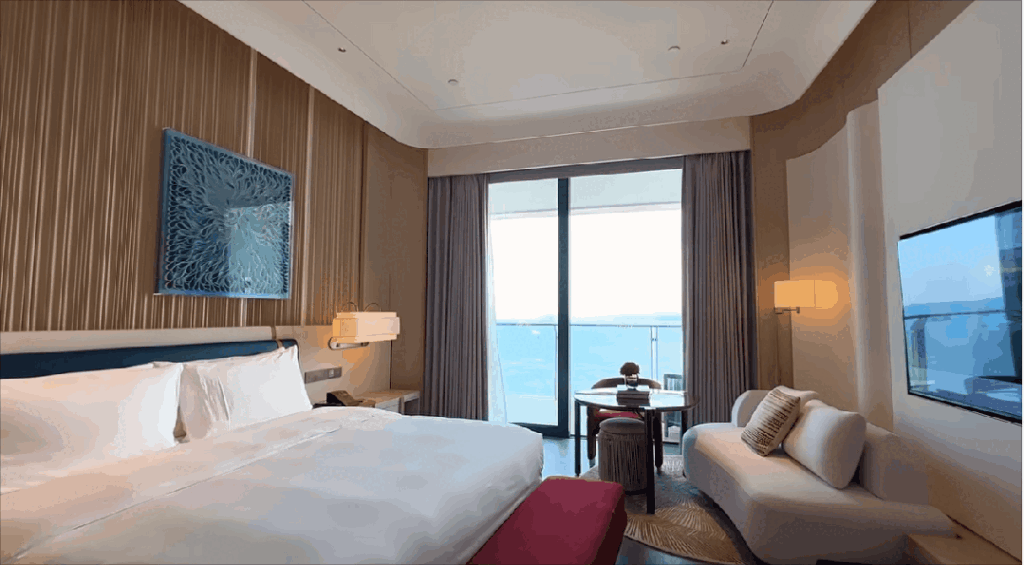
As the hospitality industry continues to evolve, hotel renovation in 2026 is less about mere aesthetic updates and more about a strategic reimagining of the guest experience. The focus has shifted decisively toward creating spaces that are deeply personalized, sustainable, and technologically seamless, all while telling a compelling story.
For hoteliers and designers, this presents an exciting opportunity to transform existing properties into future-proof destinations. The following ideas are not just trends; they are the cornerstones of the next generation of hotel interior design, offering a blueprint for hotel renovations that captivate guests and drive long-term value.
Core Hotel Design Philosophies for 2026
Before diving into specific areas, understanding the foundational mindsets shaping 2026’s hotel renovations is crucial. These philosophies should guide every decision, from material selection to space planning.
Sustainability as a Standard, Not a Gimmick
Guests increasingly seek hotel brands that align with their values. Sustainable design is now a non-negotiable expectation. This goes beyond linen reuse programs to encompass circular design principles—using recycled, upcycled, and locally sourced materials. Think reclaimed wood for feature walls, carpets made from recycled fishing nets, and furniture from certified sustainable sources. This approach reduces environmental impact, supports local communities, and creates a unique, authentic narrative for your property.
Hyper-Local & Cultural Immersion
In a globalized world, travelers crave authentic connection to place. The best hotel renovations will weave the local culture, history, and art into the fabric of the hotel. For instance, The Silo Hotel in Cape Town collaborated with local artists to display contemporary South African art throughout the hotel, transforming each floor into a gallery that reflects the nation’s vibrant culture. This means moving past generic artwork to collaborating with local artisans, using traditional crafts in contemporary ways, and designing spaces that reflect the destination’s spirit. A lobby isn’t just a check-in area; it can be a curated gallery of local history, and a restaurant can tell the story of regional cuisine through its design.

Residential Comfort & "Slow Living"
Post-pandemic, the desire for a “home away from home” has intensified, but with a luxury twist. The 2026 ideal is the residential-style sanctuary—spaces that feel warm, curated, and uncluttered. For example, The Standard in London features luxurious residential-style suites with comfy, over-sized furniture and personal touches, including a curated library of books by local authors. This involves creating cozy nooks for relaxation, incorporating soft, layered lighting, and selecting high-quality, tactile fabrics that invite guests to unwind and stay a while longer. The goal is to design for “slow living,” encouraging guests to disconnect from hustle and reconnect with themselves.
Technology as an Invisible Enabler
The future is seamlessly integrated technology. The focus is on removing friction points through intuitive, contactless, and often invisible tech. This includes app-controlled room environments (lighting, temperature, TV), seamless high-speed Wi-Fi as a baseline, and integrated wireless charging. The CitizenM hotels have integrated contactless check-in and check-out via their app, allowing guests to completely bypass the front desk. The technology should enhance the experience without being intrusive, creating a sense of effortless comfort and personal control.
Hotel Renovation Ideas by Hotel Area
Hotel Remodeling is most effective when approached with surgical precision, treating each area of the hotel according to its unique function and emotional purpose.

The Lobby: From Transactional Hub to Social Heart
The lobby is being transformed from a pass-through space into the dynamic social core of the hotel.
Flexible, Multi-Functional Zones: Replace rigid seating with adaptable furniture that can be easily reconfigured. Create distinct zones: a quiet area for remote work with ample power outlets, a communal table for socializing, and cozy, semi-private clusters for casual meetings.
The “Lobby-Living” Concept: Integrate elements like a specialty coffee bar, a curated library with books by local authors, or a small retail space selling locally made products. The Line Hotel in Los Angeles integrates this concept with a coffee shop, curated art, and a store featuring local designers. This encourages guests to linger, spend, and engage.
Digital & Physical Art Fusion: Use digital art displays or projection mapping on feature walls to create ever-changing, interactive artwork that can reflect the time of day or local events, alongside physical pieces from local artists.
Guest Rooms: The Personalized Sanctuary
The room is the guest’s ultimate private retreat. Hotel renovation projects should prioritize rest, comfort, and personalization.
Neutral, Nature-Inspired Palettes
Base the color scheme on calming, earthy neutrals (soft beiges, warm grays, earthy greens) that promote relaxation. Pops of color can come from artwork or soft furnishings.
Advanced Acoustic Design
Invest in superior soundproofing for windows, walls, and doors. Consider sound-absorbing materials like acoustic wall panels or plush headboards to ensure a truly restful sleep—a major guest priority.
The Bathroom as a Wellness Spa
Elevate the bathroom to a wellness zone. Key features include:
Large, walk-in rainfall showers with dual showerheads.
Heated floors and towel racks for luxury and comfort.
High-quality, locally sourced bath amenities in large-format dispensers to reduce plastic waste.
Consider installing smart mirrors with anti-fog and integrated lighting.
Food & Beverage Outlets: Experiential Dining
F&B spaces must offer more than just a meal; they must offer a memorable experience.
Open-Kitchen Theatre & Chef’s Tables
Hotel refurbishments to include open kitchens that create energy and transparency, or dedicate space for a chef’s table, offering an exclusive, interactive dining experience.
Versatile, Day-to-Night Spaces
Design cafes that seamlessly transition from a morning coffee spot to a wine bar in the evening. Use adaptable lighting, movable partitions, and dual-purpose furniture to facilitate this transformation.
Advanced Acoustic Design
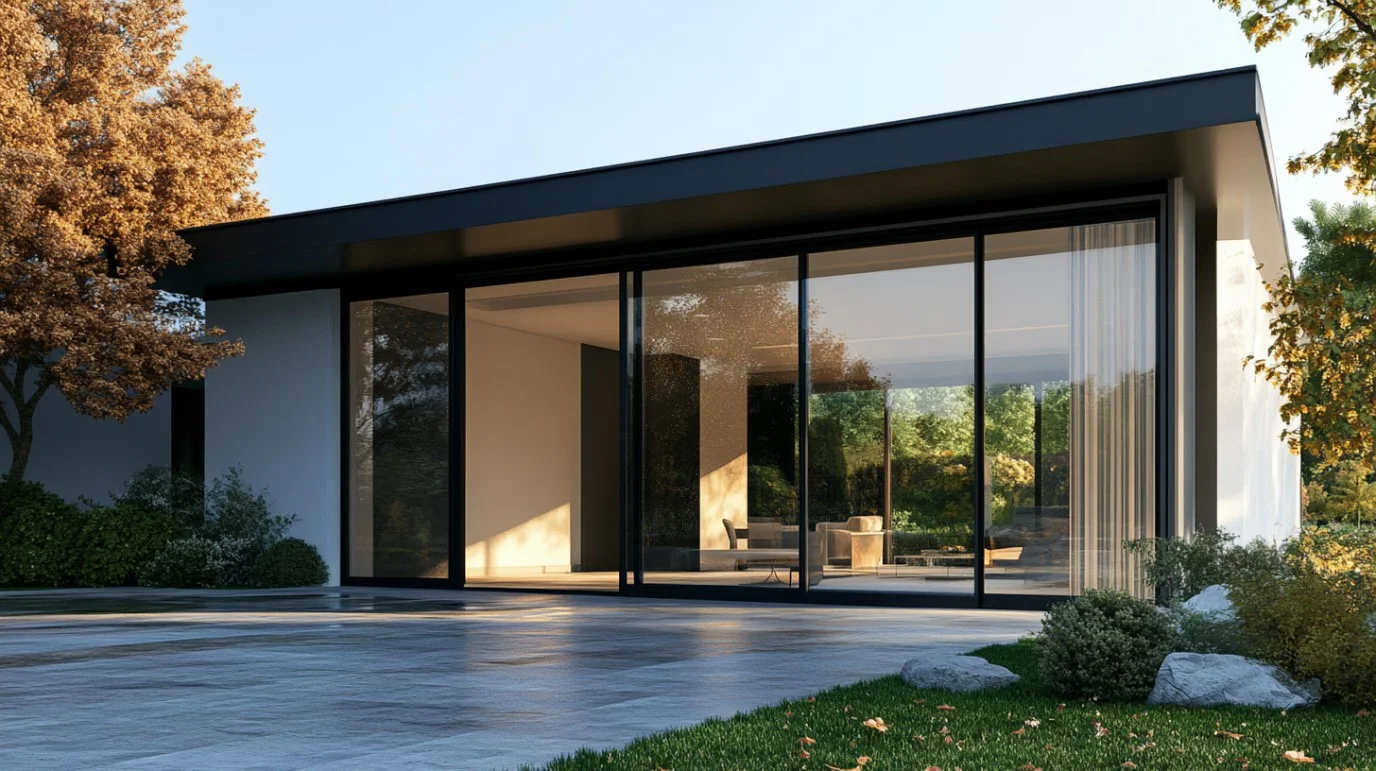
Where possible, create expansive openings to terraces, patios, or gardens. Use consistent flooring and design elements to blur the lines between inside and out, making spaces feel larger and more connected to nature.
Corridors & Transitional Spaces
Often neglected, these spaces are opportunities to enhance the narrative flow of the guest experience.
Sensory Pathways: Treat corridors as sensory journeys. Use varied, textured wall coverings, subtle scent diffusion (with a signature, calming aroma), and curated soundscapes to create a unique atmosphere on each floor.
“Discovery Moments”: Break up long hallways with curated art niches, display cases of local artifacts, or small seating alcoves with a unique view or piece of art. This transforms a mundane walk into a series of small discoveries.
Actionable Implementation Checklist
To guide your 2026 renovation project, start with these key questions:
- Define Your "Why": What is the core story or guest experience you are renovating to create?
- Audit for Sustainability: Can you source materials locally? Can you upcycle any existing furniture or art?
- Plan for Tech Infrastructure: Does your renovation plan include upgrading Wi-Fi infrastructure and wiring for seamless smart room integration?
- Engage Local Talent: Have you identified local artists, craftspeople, or designers to collaborate with?
- Prioritize Acoustic Comfort: What is your budget and plan for improving sound insulation in guest rooms?
- Design for Flexibility: Are your public space layouts and furniture choices adaptable for multiple uses?
Choose PA Be Your Hotel Project Partner
As you plan your hotel renovation for 2026, working with a top hotel furniture manufacturer like PA Home can bring these ideas to life. PA Home offers the latest in hotel interior ideas, with a focus on sustainable design, custom hotel furniture, and innovative solutions that will elevate your hotel’s interior, creating an inviting, memorable experience for guests and ensuring your property stands out in a competitive market.
For more information or to discuss how we can help transform your hotel, please feel free to contact us. Let’s work together to make your renovation a success!
FAQs
Renovate by assessing the property, planning updates, hiring professionals, and focusing on guest rooms, public spaces, and amenities while minimizing disruptions.
- Guest room updates
- Lobby and public space improvements
- Exterior upgrades
- Dining space modernizations
- Energy-efficient renovations
Guest rooms are often considered the hardest to renovate due to their size, layout, and the need to minimize guest disruption during the process. Managing upgrades to furniture, lighting, soundproofing, and tech while maintaining guest comfort and privacy can be challenging.
Trends include sustainability, personalized experiences, seamless technology, local cultural design, and wellness-focused spaces.
Premium materials like marble, high-end wood, velvet, silk, and high-quality leather are commonly used to create a luxurious and elegant atmosphere.
Modern, minimalist, and functional designs work best for small hotels, emphasizing simplicity and efficient use of space without sacrificing comfort.