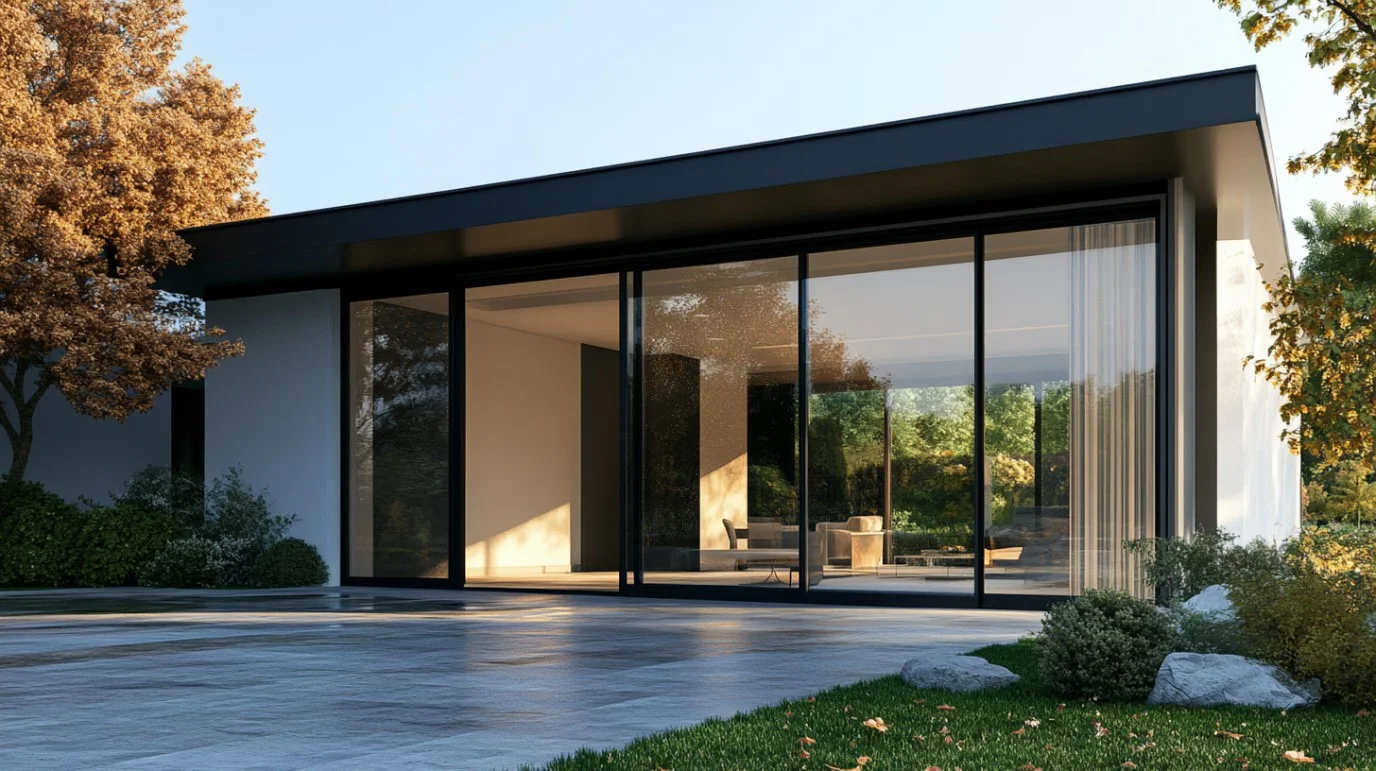
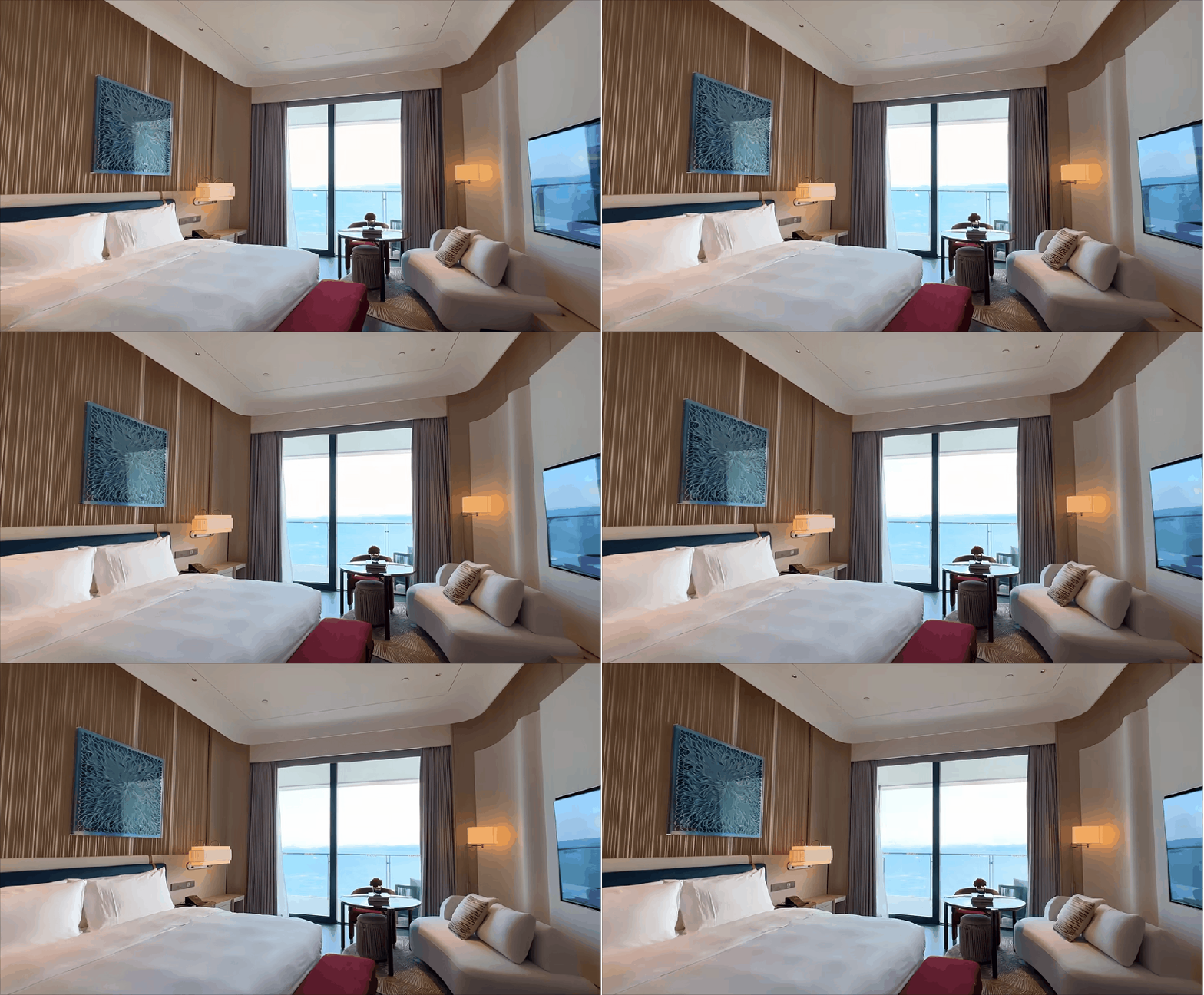
French windows, often considered the epitome of elegance, are a fantastic way to enhance both the look and functionality of your home. Their large glass panes, whether in French casement windows or push-out French casement designs, offer stunning views and flood your space with natural light. Not only do they brighten up interiors, but they also create a seamless connection between indoor and outdoor areas, making them ideal for patios or gardens.
Types of French Windows
When choosing French windows, it’s important to understand the different types available. Each style offers its own unique benefits, depending on your needs and the design of your home.
French Casement Windows
These windows are one of the most popular types, featuring two sashes that open outward from the center, similar to a traditional French door. This design maximizes ventilation and allows for unobstructed views. Push-out French casement windows are particularly charming, offering easy operation without any central post blocking the view.
French Windows with Side Windows
These are perfect for homes looking for a wider, more open feel. French doors with side windows, for example, create a grand entrance, letting in even more light and enhancing the outdoor-indoor flow. These windows are commonly paired with patios or gardens.
French Windows with Transom Windows
If you’re looking for extra height and a more dramatic design, adding transom windows above your French windows can elevate your home’s aesthetic. This style not only brings in more light but also adds a touch of architectural elegance.
Fixed French Windows
For homeowners who want the beauty of French windows without the need for ventilation, fixed French windows provide the aesthetic appeal and natural light without any operational parts. These windows are ideal for spaces where airflow isn’t a priority but light and style are essential.
Each type of French window brings a unique combination of style, functionality, and elegance to your home. From French casement windows to French windows with side or transom windows, there’s a perfect fit for every homeowner’s vision.

Materials: Choosing the Right Frame for Your French Windows
Selecting the right frame for your French windows is crucial. The material you choose impacts not only the aesthetic appeal but also the durability, maintenance, and energy efficiency of your windows.
Wood
Wood is a classic choice, often favored for its timeless look and natural warmth. Wooden French windows are perfect for traditional homes, offering excellent insulation. However, wood requires regular maintenance like painting or sealing to prevent warping and rotting.It’s more expensive than other materials but adds significant value to your home.
Aluminum
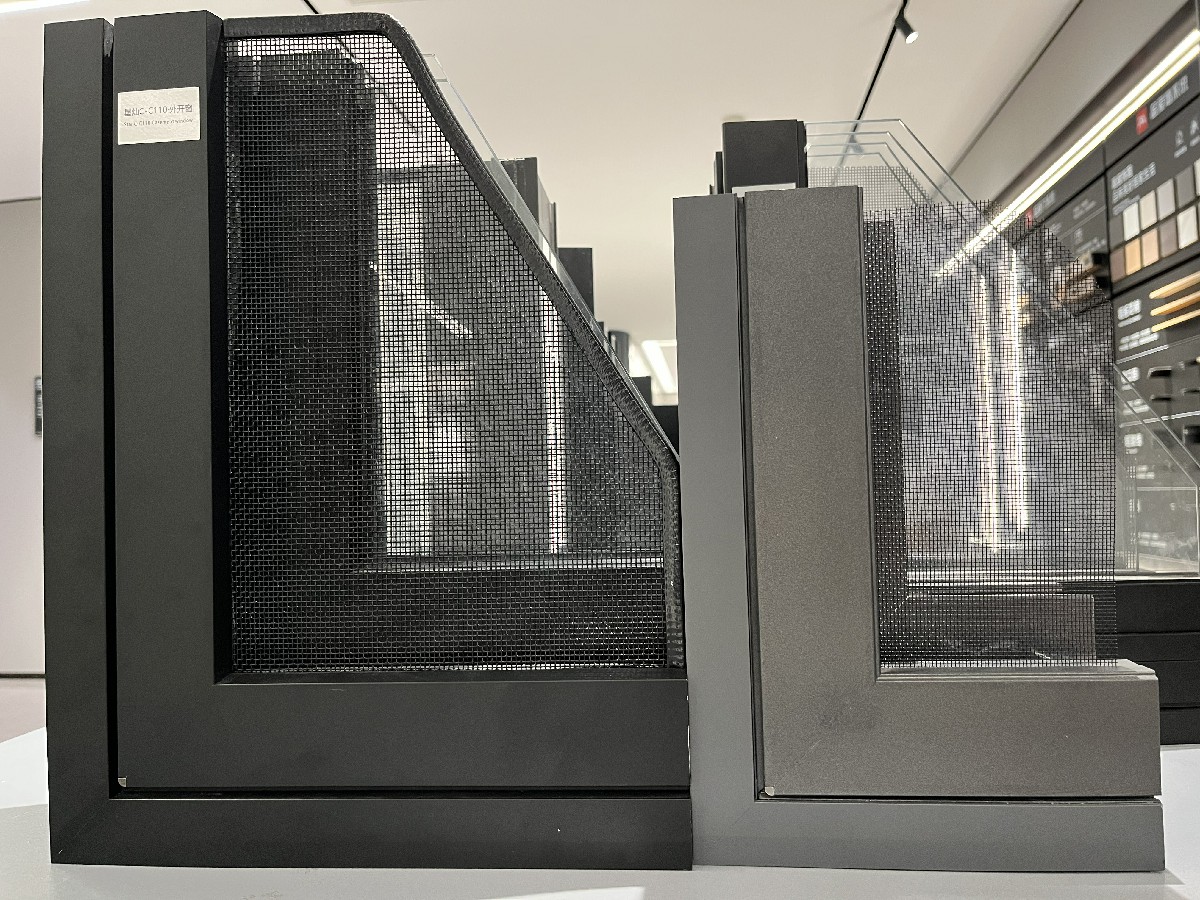
For a sleek, modern look, aluminum frames are a great option. They’re strong, lightweight, and require minimal maintenance. Aluminum also resists rust and weather damage, making it ideal for homes in coastal areas. However, aluminum isn’t as energy-efficient as other materials, so you may want to pair it with thermal breaks or double glazing.
uPVC
If you’re looking for a low-cost, low-maintenance option, uPVC French windows are a smart choice. uPVC is durable, energy-efficient, and doesn’t warp or fade over time. It’s also available in a wide range of colors and finishes, making it versatile for different styles of homes.
Composite Frames
Composite frames combine materials like wood and aluminum, offering the best of both worlds—wood’s insulation and aluminum’s durability. This makes them a great all-weather option, though they tend to be more expensive.
Choosing the right material depends on your budget, style, and how much maintenance you’re willing to handle. Each frame type has its pros and cons, but with a bit of research, you’ll find the perfect fit for your French window design.
Benefits of French Windows
French windows offer a unique blend of style and functionality that can dramatically enhance your home. From improving natural light to boosting energy efficiency, these windows bring a wide range of benefits.

Natural Light and Scenic Views
One of the greatest perks of French windows is the abundant natural light they allow into your home. The large glass panes maximize sunlight, making your space feel brighter and more welcoming. If you have a scenic garden or yard, French windows and doors provide an unobstructed view, essentially framing the outdoors like a piece of art.
Enhanced Ventilation
With French casement windows, you can open both sashes wide, allowing fresh air to flow easily throughout your space. This design is especially useful in kitchens, living rooms, or bedrooms where air circulation is key to comfort.
Energy Efficiency
Modern French windows are designed with energy efficiency in mind. Many come with double-glazed or insulated glass, helping to keep your home warm in the winter and cool in the summer. This feature not only improves comfort but also helps reduce energy bills.
Aesthetic Appeal and Versatility
French windows add a touch of elegance and charm to any home. Their timeless design fits both traditional and modern styles, making them versatile for any architectural look. They are available in various materials and finishes, from classic wood to sleek aluminum, offering customization to suit your taste.
Seamless Indoor-Outdoor Connection
French doors with side windows or transom windows are perfect for creating a seamless transition between indoor and outdoor spaces. Whether leading to a patio or garden, these windows extend your living area and make your home feel more connected to the outdoors.
Customization Options for French Windows
One of the best things about French windows is the wide range of customization options available to match your personal style and home design. Whether you prefer a traditional or modern look, there’s something for everyone.
Frame Materials and Finishes
You can choose from a variety of frame materials, such as wood, aluminum, and uPVC. Wooden French windows offer a classic, warm aesthetic, while aluminum frames bring a sleek, contemporary feel. For homeowners seeking low-maintenance options, uPVC French windows are durable and come in various colors and finishes.
Glass Options
Double-glazed or even triple-glazed windows can improve energy efficiency and sound insulation. You can also customize the type of glass, whether it’s tinted, frosted for privacy, or clear for maximum visibility. Some homeowners opt for French pane windows with grids for a more traditional look.
Window Operation Styles
The way your French windows open can also be customized. Choose between push-out French casement windows for easy operation or sliding French windows if you’re looking to save space. You can even add transom windows or side windows for an extra design flourish.
Hardware and Accessories
The finishing touches, like handles, locks, and hinges, are another area for personalization. Choose from various hardware styles—whether modern or vintage. Additionally, you can enhance privacy and light control with French window shutters, blinds, or curtains.
Installation Considerations for French Windows
Installing French windows is a significant investment, and proper installation ensures they perform well in terms of insulation, security, and durability. Whether you’re doing a DIY project or hiring professionals, several key factors should be kept in mind.
Accurate Measurements
Before installation, it’s essential to measure the window opening precisely. Ensure the space is square and level. Incorrect measurements can lead to air leakage, poor fitting, or structural issues. Use both height and width measurements and double-check for any irregularities.
Professional vs. DIY Installation
While DIY can save costs, professional installation ensures that the windows are fitted correctly, especially if your home has older structures or uneven surfaces. Professional installers have the tools and expertise to avoid common pitfalls like poor sealing and gaps, which could compromise energy efficiency.
Waterproofing and Sealing
Ensure the proper use of flashing and caulking during installation to prevent water damage. French windows are known for their large glass panes, and any gap in the seal can result in moisture entering the frame, leading to rot or mold.
Compliance with Local Building Codes
Depending on your location, certain building codes may apply, especially for homes in coastal or hurricane-prone areas. Check local regulations to ensure your French windows meet the required standards for wind resistance, safety, and energy efficiency.
Post-Installation Check
After installation, make sure to test the operation of the windows. They should open and close smoothly, and the locks should function properly. Poorly installed windows can cause drafts or become difficult to operate over time.
Cost Breakdown for French Windows
When considering French windows, cost is a crucial factor. The price varies significantly based on several elements, such as materials, size, and installation.
Material Costs
The material you choose greatly impacts the price. Wooden French windows are typically the most expensive, due to their classic look and superior insulation properties. On the lower end, uPVC French windows offer a more affordable alternative while still being energy-efficient and durable. Aluminum frames fall in between, providing a sleek, modern aesthetic with durability but at a mid-range price point.
Glass Type
Glass type is another important factor. Double-glazed French windows are more expensive but offer better energy efficiency and sound insulation. Custom options, like frosted glass or tinted glass, can also drive up costs. Generally, the more complex the glass treatment, the higher the price.
Installation Costs
Professional installation can add anywhere from $200 to $800 per window, depending on the complexity of the job. For homes with older windows, additional costs may arise from resizing or repairing window openings.
Additional Features
Customization options, such as French window shutters, blinds, or special hardware finishes, add to the overall cost. Larger setups like French doors with side windows or transom windows can also significantly increase the price.
Comparing Vendors & Brands for French Windows
When selecting French windows, choosing the right vendor or brand is as crucial as picking the right material or design. Reputable manufacturers ensure quality, durability, and excellent customer support. Here’s a breakdown to help you compare vendors effectively.
Reputation and Reviews
Start by researching each vendor’s reputation. Look for customer reviews and ratings on platforms like Google and Yelp. Check for comments about the quality of French windows, timeliness of delivery, and after-sales service. Brands like Pella and Andersen are well-known for their high-quality French windows and doors, but you may find smaller, local manufacturers that also deliver exceptional products.
Material Options
Vendors differ in the materials they offer. If you’re looking for specific materials like wood, uPVC, or aluminum, ensure the brand specializes in your preference. Some manufacturers focus on eco-friendly options, providing energy-efficient French casement windows with sustainable materials.
Warranty and Support
Compare the warranties offered by different vendors. A good warranty covers not just the product but also installation issues and performance guarantees. Brands like Marvin are known for their extended warranties, which provide homeowners peace of mind when investing in French windows.
Customization Options
Leading brands often offer a wider range of customization options. Vendors like Kolbe and Jeld-Wen provide extensive choices in colors, finishes, and hardware, allowing you to personalize your French windows to suit your home’s style
Conclusion
French windows offer a blend of aesthetic appeal, functionality, and energy efficiency, making them a popular choice for homeowners. With a wide range of customization options in materials, designs, and hardware, they can suit any home style. When choosing French windows, it’s important to compare vendors based on their reputation, material offerings, warranty, and customization options. Reputable brands like Pella, Andersen, and Marvin provide high-quality products and reliable customer support, ensuring you get the best value for your investment.
Frequently Asked Questions (FAQs)
Absolutely. You can customize French windows in terms of materials, colors, glass types, and hardware finishes. Many manufacturers also offer options like transom windows or side windows for a more personalized design.
The cost of French windows varies based on the material, size, and customization options. On average, they can range from $500 to $3,000 per window. Wooden French windows are usually more expensive, while uPVC options tend to be more affordable.
Yes, French windows can enhance small spaces by allowing more natural light and creating an illusion of larger space. They work particularly well in cozy rooms or apartments.
French windows and French doors share a similar design with large panes of glass, but French doors typically open onto outdoor spaces like patios, while French windows are installed higher on walls for ventilation and light.
Yes, French windows can be combined with other styles like casement windows or transom windows for added ventilation and aesthetic appeal. This is common in modern home designs.