When it comes to purchasing the perfect door, the decision often boils down to two popular options: Flush Doors and Panel Doors. But what are the key differences between flush doors and panel doors? More importantly, how do these differences impact your final choice?
The choice isn’t just about looks—it’s about how well the door fits your space, budget, and daily needs.Understanding the features and benefits of flush doors and panel doors, and more is key to making an informed choice
Let’s break it all down to discover flush doors vs panel doors , to see which the right fit for you!
What Is a Flush Door?
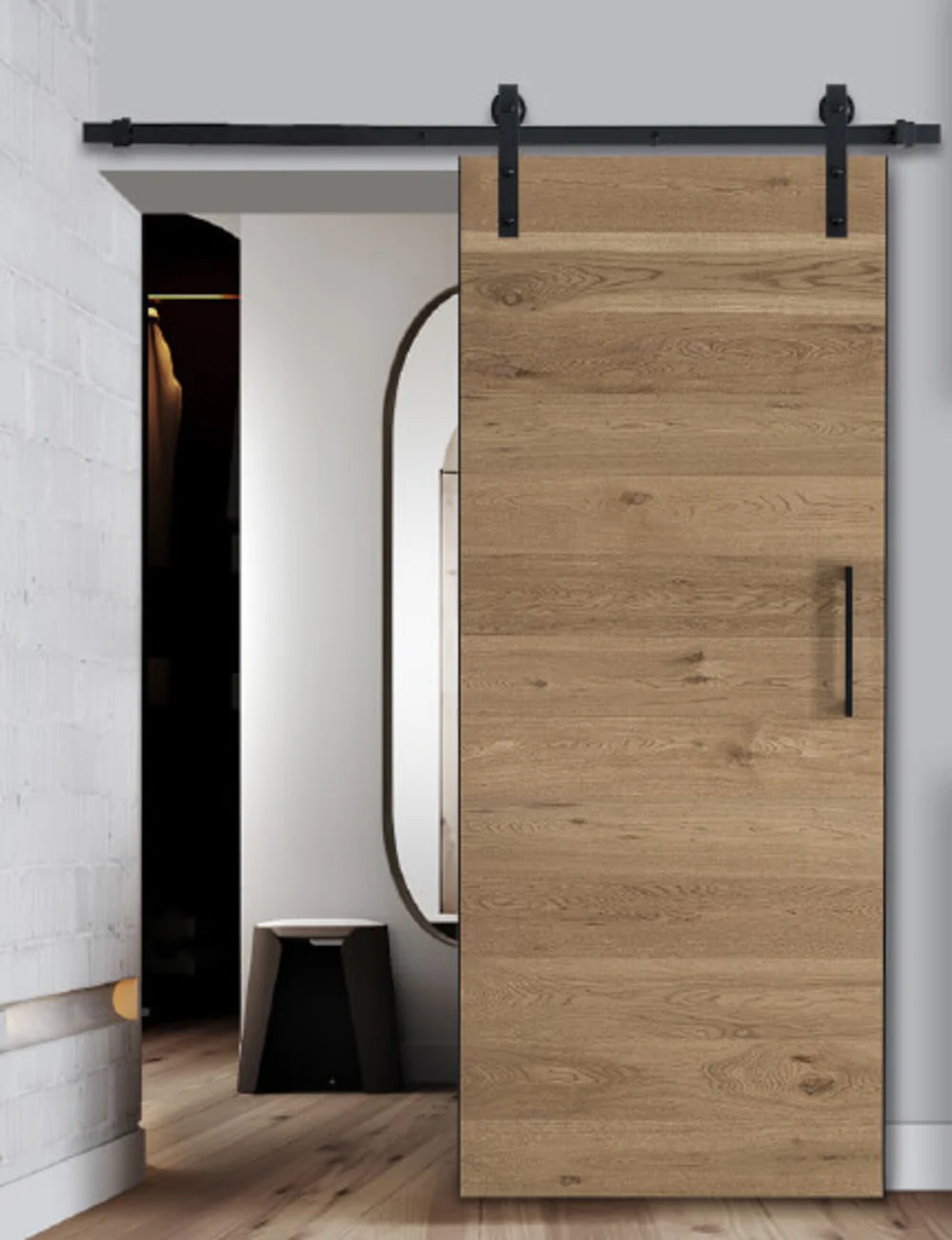
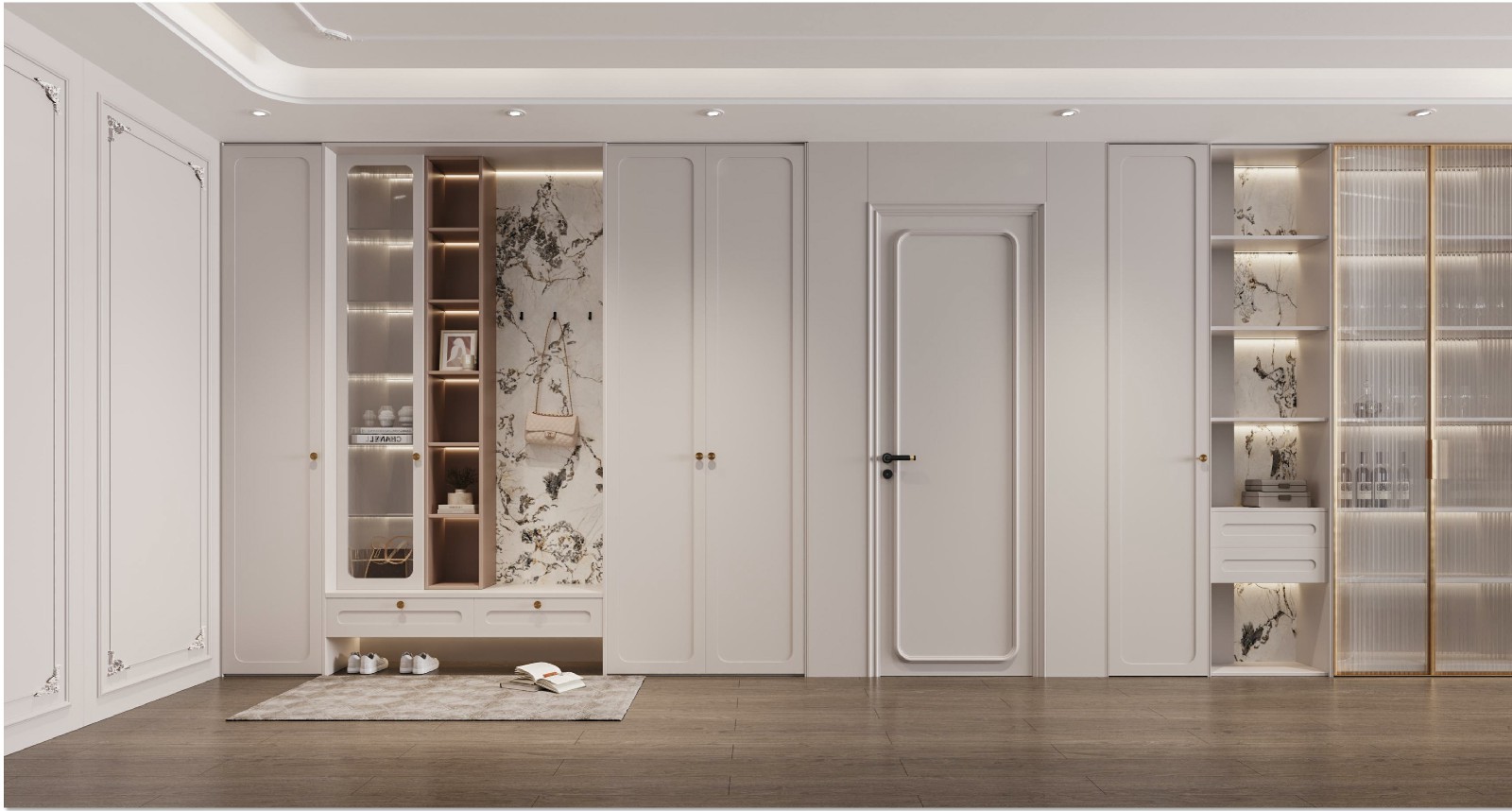
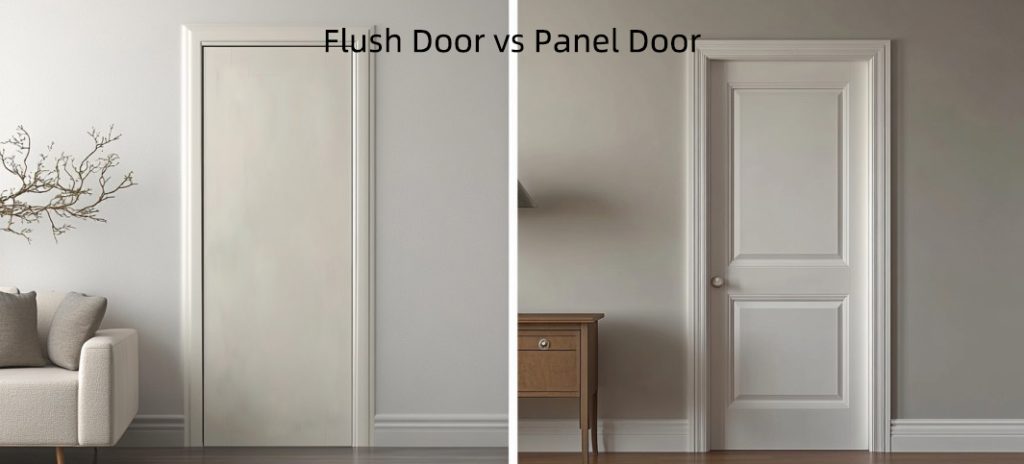
A flush door is a door with a flat, smooth surface, designed to blend seamlessly into both modern and traditional interiors. Unlike more ornate designs, such as panel doors, a flush door has no raised or recessed panels, making it a hallmark of minimalist and contemporary styles. Its construction and aesthetic simplicity make it one of the most versatile and practical choices for interior and exterior doors.
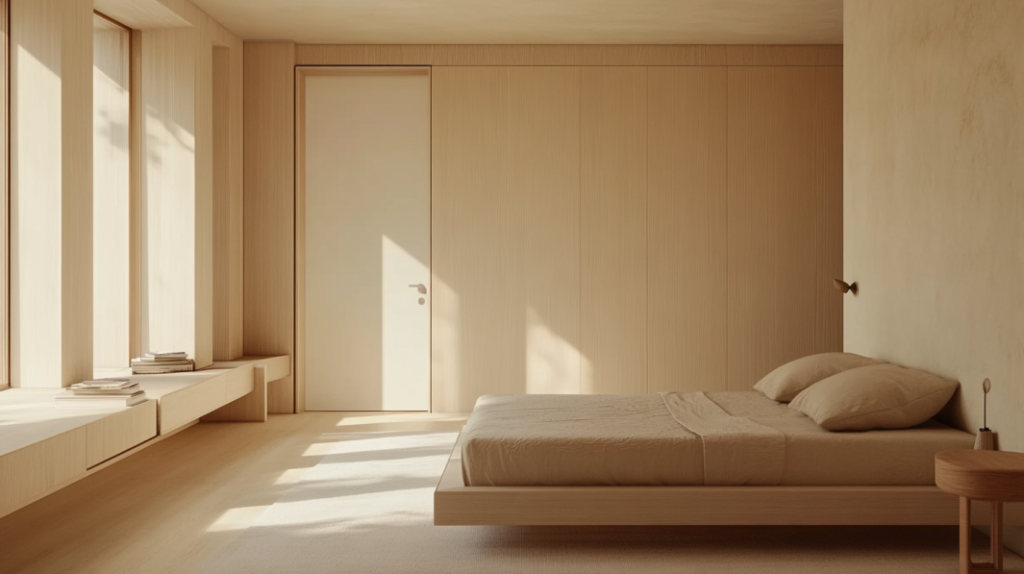
How Are Flush Doors Made?
Flush doors are typically built with a solid or hollow core:
- The core can be filled with materials like blockboard, particleboard, or honeycomb cardboard for strength and insulation.
- The frame is usually made of wood, alumium or PVC.
- Both sides are covered with thin sheets of plywood, veneer, laminate, or MDF for a polished finish.
 Unique Features of Flush Doors
The flat, featureless surface is ideal for creating clean lines and uncluttered spaces.
The design and materials ensure resistance to wear and tear, making it suitable for both residential and commercial use.
Flush doors can be finished with laminates, paints, or wood veneers to match any décor.
What Is a Panel Door?
A paneled door is one of the earliest and most traditional types of doors, crafted from multiple components such as stiles (vertical sections), rails (horizontal sections), and infill panels. This classic design makes it highly versatile and a staple in both traditional and modern architecture. Panel doors offer a combination of functionality, aesthetics, and durability, making them a popular choice for both residential and commercial spaces.
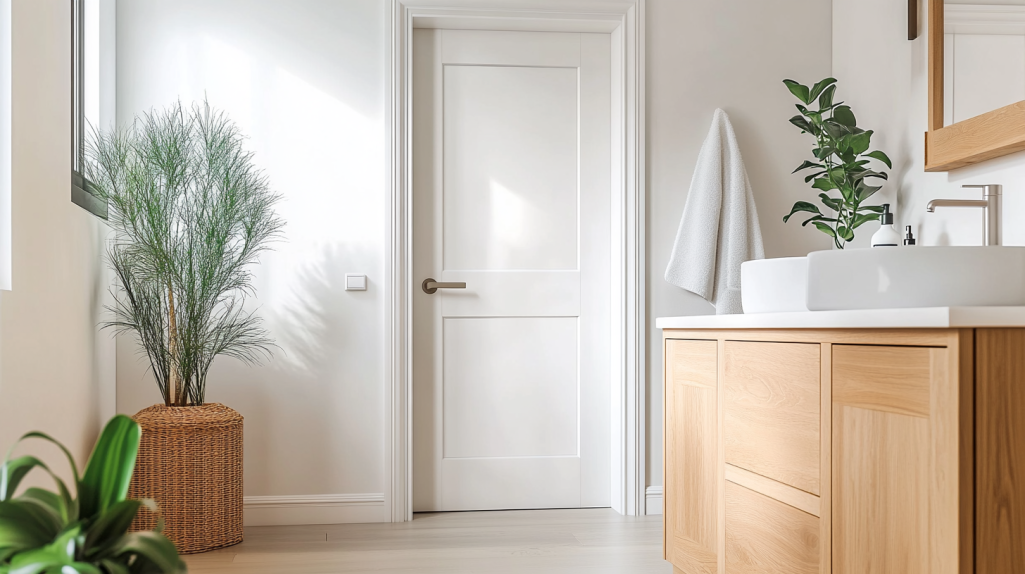
How Are Panel Doors Made?
Panelling doors are constructed by assembling a frame of stiles and rails, which can hold various materials for the panels, such as:
- Solid Wood
- MDF
- Plywood
- Glass
The door’s panel can be designed to be flat, raised, or recessed, giving the door its signature decorative look. These components are joined together using traditional wood joinery techniques, ensuring strength and longevity.
Key Characteristics of Panel Doors
Panel doors come in different layouts, including single-panel, two-panel, three-panel, or even multi-panel designs, offering endless stylistic possibilities.
The raised or recessed panels create a sophisticated and elegant appearance, perfect for classic interiors or retro designs.
They can be crafted from solid wood, engineered wood products, or even feature glass panels for a modern twist.
The thicker construction of panel doors helps reduce noise transfer between rooms, offering better privacy compared to some other door types.
Pros and Cons of Flush Doors
Flush doors are a popular choice for modern and minimalist interiors. Below is a summary of their advantages and disadvantages.
Pros of Flush Doors
| Feature | Description |
|---|---|
| Modern and Minimalist Design | Flush doors have a clean, flat surface that enhances a minimalist aesthetic, making them perfect for modern interiors. |
| Cost-Effective | Flush doors are generally more affordable than panel doors, making them a budget-friendly option for various projects. |
| Space-Saving | The simple construction of flush doors eliminates the need for decorative elements, maximizing room efficiency. |
| Easy Maintenance | The flat surface resists dust and dirt, requiring minimal cleaning or upkeep. |
| Versatile Finishes | Available in a variety of finishes like veneers, laminates, and paints, flush doors can match diverse architectural styles. |
| Wide Application | Suitable for both residential (bedrooms, bathrooms) and commercial spaces (offices, malls). |
Cons of Flush Doors
| Feature | Description |
|---|---|
| Limited Aesthetic Appeal | Flush doors lack intricate designs and decorative features, which may not suit traditional or transitional spaces. |
| Durability Concerns | Hollow-core flush doors are less durable compared to solid wood panel doors and may not withstand heavy use. |
| Insulation Limitations | Flush doors provide less soundproofing and thermal insulation compared to thicker, multi-layered panel doors. |
| Repair Challenges | Repairs are more difficult due to their seamless construction, and significant damage may require door replacement. |
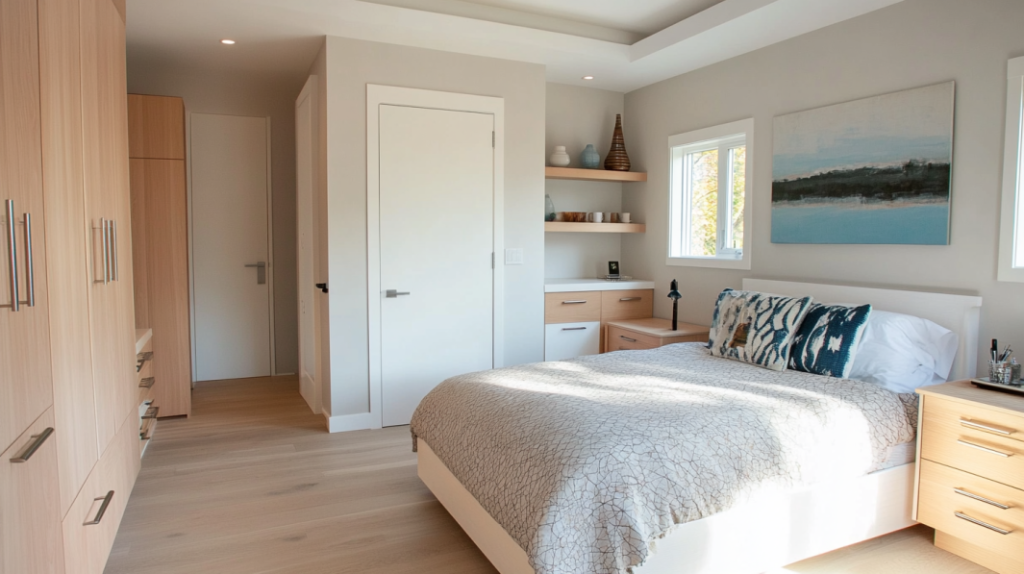
Pros and Cons of Panel Doors
Panel doors offer a blend of durability, elegance, and design flexibility, making them a popular choice for various spaces. However, their traditional appeal and solid construction come with certain trade-offs, which are detailed below.
Pros of Panel Doors
| Feature | Description |
|---|---|
| Classic and Timeless Appeal | Panel doors feature raised or recessed designs that add elegance and character, making them suitable for traditional or eclectic interiors. |
| Durability and Strength | Constructed with solid wood or engineered wood, panel doors are highly durable and can withstand daily wear and tear. |
| Variety of Designs | Available in configurations like two-panel, four-panel, or six-panel designs, panel doors can be customized to fit various architectural styles. |
| Sound Insulation | The multi-layered construction of panel doors provides excellent soundproofing, reducing noise transmission between rooms. |
| Customizable Options | Can be enhanced with intricate carvings, glass inserts, or decorative motifs to suit individual preferences. |
Cons of Panel Doors
| Feature | Description |
|---|---|
| Higher Cost | The intricate designs and use of high-quality materials make panel doors more expensive compared to flush doors. |
| Maintenance Requirements | Wooden panel doors require regular maintenance, such as sealing or painting, to protect against moisture and wear. |
| Heavy Weight | Solid wood panel doors are heavier, which can pose challenges during installation and impact usability in high-traffic areas. |
| Limited Suitability for Modern Spaces | Their traditional design may not blend well with ultra-modern or minimalist interiors. |
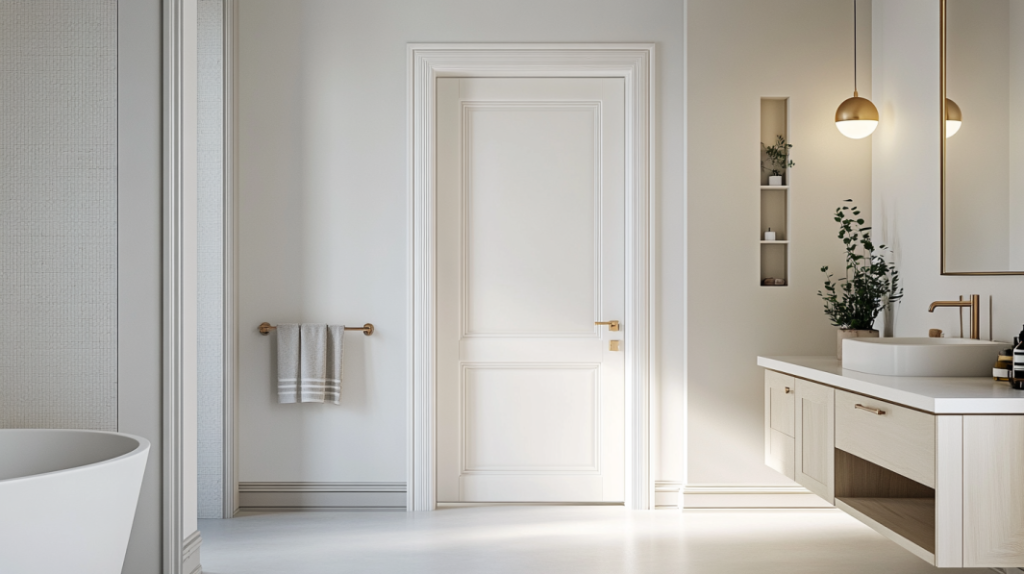
Flush Door vs Panel Door: Design and Aesthetic
Flush doors are defined by their simple, flat surface, typically constructed with a solid or hollow core made of plywood, MDF, or engineered wood. These doors embrace a minimalist aesthetic, ideal for contemporary spaces, and are finished with veneers, laminates, or paint to create a sleek and uniform look. Their clean lines and lightweight design make them an economical and practical choice for modern interiors. However, the simplicity of flush doors means they lack decorative elements, relying instead on their smooth surface for appeal.
In contrast, panel doors feature a more intricate construction, combining vertical stiles and horizontal rails to frame individual panels. These panels, made from materials like solid wood, plywood, MDF, or glass, provide endless design possibilities. This structured design allows for additional detailing, such as moldings or beading, giving panel doors their timeless charm. As a result, they are often favored in spaces where elegance and traditional appeal are key. Panel doors’ visual depth and versatility make them suitable for a variety of styles, from heritage-inspired looks to transitional and modern designs.

Flush Door vs Paneled Door: Durability and Longevity
The durability and longevity of a door largely depend on its construction and materials. Flush doors, crafted from solid cores or engineered wood, are less likely to warp or crack, providing consistent performance over time. Their smooth surfaces not only enhance durability but also make them resistant to termites and easier to maintain with simple cleaning. However, their lifespan generally ranges from 10 to 25 years, influenced by the quality of materials used.
On the other hand, paneled doors are prized for their robust construction using solid wood or engineered wood, often enhanced with hardwoods for greater strength. While these doors are resistant to damage and moisture, making them ideal for humid areas, the joints in their design can weaken over time without proper upkeep. Regular sealing and refinishing are key to maintaining their structural integrity, allowing panel doors to achieve a longer lifespan compared to flush doors when cared for properly.
Both door types offer impressive durability, but the level of maintenance and environmental conditions play a pivotal role in determining which is better suited for your space.

Flush Doors vs Paneled Doors: Maintenance and Care
When it comes to maintenance and care, flush doors and paneled doors differ significantly due to their design and surface characteristics.
Flush doors are exceptionally easy to maintain, thanks to their smooth, flat surfaces. Cleaning usually involves wiping with a damp cloth and mild soap, making them resistant to dust, grime, and stains. These doors require minimal refinishing to maintain their sleek appearance, and the absence of grooves or joints reduces the accumulation of dirt. Periodic polishing can help refresh their look, but overall, they demand much less upkeep compared to paneled doors.
On the other hand, paneled doors, with their grooves and decorative details, require more attention. The grooves tend to collect dust and debris, which necessitates regular cleaning with a soft brush or vacuum attachment. Additionally, paneled doors may need touch-ups, refinishing, or polishing to preserve their aesthetic appeal and protect the material from wear. Their intricate design makes maintenance more time-intensive, especially in areas prone to high dust or humidity.
While flush doors are the go-to option for those seeking low-maintenance solutions, paneled doors are better suited for spaces where their classic aesthetics justify the extra effort required for upkeep.

Flush Doors vs Paneled Doors: Consideration of Costs
Cost is often a determining factor when choosing between flush doors and paneled doors, as each type has unique price points influenced by its construction, materials, and design complexity.
Flush doors are generally the more budget-friendly option. Their simple construction and use of hollow cores or solid cores contribute to lower production costs. Hollow core flush doors are particularly economical, making them an excellent choice for larger projects or cost-conscious renovations. For those seeking enhanced durability and insulation, solid core flush doors are a slightly more expensive alternative but remain less costly compared to paneled doors.
Paneled doors, by contrast, are priced higher due to their complex construction and detailed craftsmanship. Made from solid wood or high-quality engineered wood, their intricate stiles-and-rails design and the potential inclusion of glass inserts or decorative moldings add to their cost. The quality of the materials and the level of detailing further influence the final price. Despite the higher upfront cost, paneled doors often offer added value in terms of durability and aesthetic appeal, especially in spaces where their classic elegance enhances the overall decor.
While flush doors provide a stylish yet economical solution for homeowners on a budget, paneled doors justify their higher cost with their timeless design and long-term durability. Choosing between the two ultimately depends on balancing budget constraints with aesthetic and functional priorities.
Making the Right Choice: Flush or Panel Door?
In conclusion, the choice between flush doors and paneled doors comes down to your specific needs, preferences, and budget. Flush doors excel in providing a sleek, minimalist design at a lower cost, especially with hollow core options, but may require additional finishing or customization. Paneled doors, on the other hand, offer timeless elegance and durability, often becoming the preferred choice for spaces where classic aesthetics are valued. Both options have their merits, and finding the right balance between style, functionality, and budget is key.
For personalized guidance and to explore the best deals, contact PA Window and Door today for a quick and competitive quote tailored to your needs!
More FAQs
The two main types of flush doors are:
Hollow Core Flush Doors:
These are lightweight and economical, featuring a core made of cardboard, plywood, or a honeycomb structure. They are ideal for interior use in low-traffic areas, providing affordability without compromising basic functionality.Solid Core Flush Doors:
These are more durable and robust, with a core made of solid engineered wood or high-density particleboard. They offer better sound insulation, thermal resistance, and strength, making them suitable for both interior and exterior applications.
The opposite of a flush door is a panel door. Unlike flush doors, which have a smooth, flat surface, panel doors feature a structured design with raised or recessed panels created by stiles (vertical sections) and rails (horizontal sections). This construction allows for more decorative detailing and adds depth and texture, making panel doors a popular choice for traditional or classic interior styles.
In construction, flush refers to a surface or edge that is completely even, level, or aligned with an adjacent surface. For example:
- A flush door has a smooth, flat surface without raised or recessed panels, providing a seamless and minimalist appearance.
- A flush mount means that an object, like a light fixture or a cabinet, is installed in a way that it aligns with the surrounding surface without protruding.
- Single-Panel Doors: Minimalist design with one solid panel.
- Two-Panel Doors: Balanced with two vertical or horizontal panels.
- Four/Six-Panel Doors: Classic styles with multiple panels for elegance.
- Glass Panel Doors: Panels with glass inserts for added light and style.
These types can be customized with materials and finishes to fit various styles.
Yes, flush doors can be used for main entry doors, but it depends on the core material and finish. Solid core flush doors are a durable and secure option, offering good sound insulation and thermal resistance. They can be finished with veneers, laminates, or polish to enhance their appearance and weather resistance. However, for areas requiring high security or traditional aesthetics, panel doors are often preferred.
A flush door has a smooth, flat surface, ideal for modern designs. A recessed door features indented panels, adding depth and a more traditional look.