In the realm of modern architecture and interior design, the humble front door has undergone a remarkable transformation. No longer just a means to enter and exit, doors have become a pivotal element in defining the character and aesthetic of a space. Among the many innovations in this domain, pivot front doors have emerged as a standout trend, captivating homeowners and designers alike with their unique blend of style, functionality, and statement-making potential. This article delves into the world of pivot doors, exploring why they are fast becoming a preferred choice in contemporary building design. From their sleek, minimalist appearance to their surprising practicality, pivot doors are not just a fad but a symbol of how we are rethinking the very concept of entrances in the 21st century.
Understanding Pivot Doors
Understanding these fundamental aspects of pivot doors sets the stage for appreciating their growing popularity in the architectural world. They are not just doors; they are dynamic design elements that transform the look and feel of a space.
The Basics of Pivot Door Design
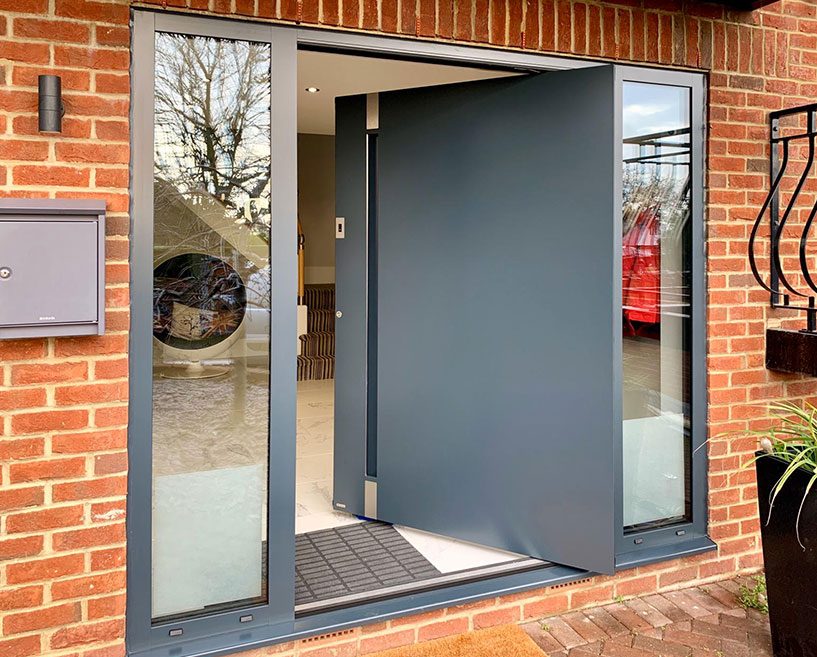
Pivot doors are a marvel of modern architectural design, redefining the very essence of what a door can be. Unlike traditional doors that swing on hinges attached to a door frame, pivot doors rotate around a central axis. This axis is typically set away from the door’s edge, often near the middle or at a strategically chosen point. This unique mechanism allows for larger and heavier doors than traditional hinge-based systems can support.
The beauty of a pivot door lies in its simplicity and the elegance of its movement. When opened, it feels almost like parting a piece of the wall, creating a smooth and almost effortless transition between spaces. The pivot mechanism also means that the door can swing both inward and outward, adding to its functional versatility.
How Pivot Doors Differ from Traditional Doors
The differences between pivot doors and traditional doors are not just in their mechanics but also in their impact on space and design. Pivot doors offer an uncluttered, seamless look that integrates beautifully with contemporary architectural styles. Their design allows for wider and taller doors, creating a more dramatic entrance than standard doors. This feature is particularly appealing in modern homes where bold, statement pieces are favored.
Additionally, the space efficiency of exterior pivot doors is unmatched. Since they do not require the same clearance area as a traditional swinging door, they are ideal for spaces where every inch counts. This makes them an excellent choice for compact urban homes or for integrating into sophisticated, minimalist decor.
In terms of customization, pivot doors offer a broad canvas. They can be made from various materials, including wood, glass, and metal, and can be tailored to fit the specific aesthetic of a home or building. The choice of material not only contributes to the door’s appearance but also its feel and operation. For instance, a glass pivot door can create a sense of openness and continuity between indoor and outdoor spaces, while a solid wood door can provide a sense of warmth and privacy.
Aesthetic Appeal
The aesthetic appeal of pivot doors, characterized by their modern, minimalist design and extensive customization possibilities, demonstrates how these innovative doors have become a significant element in contemporary architecture and interior design. They offer a unique combination of style and functionality, making them a preferred choice for those looking to make a statement with their space.
Modern and Minimalist Design
The aesthetic appeal of pivot doors is a key factor in their rising popularity. These doors align perfectly with modern and minimalist design philosophies, which emphasize clean lines, uncluttered spaces, and the beauty of simplicity. Pivot doors, with their large, uninterrupted surfaces, offer a canvas for such minimalist elegance. They can be designed to blend seamlessly with the wall or to stand out as a bold architectural statement. The absence of visible hinges contributes to their sleek appearance, making them a favorite in contemporary home design where every detail is considered for its visual impact.
Moreover, pivot doors can be customized to various finishes and colors, allowing them to be integrated into a wide range of architectural styles, from industrial to ultra-modern. Their ability to accommodate larger and non-standard sizes also means they can be used to create grand entrances, adding to the visual drama and making a strong first impression.
Customization and Creative Freedom
The customization options with pivot doors are virtually limitless, offering immense creative freedom to architects and homeowners. Whether it’s a frosted glass door for privacy with a touch of elegance, a richly stained wood door for a warm, inviting entrance, or a metal door for a sleek, industrial look, the materials and finishes can be tailored to suit any aesthetic.

Furthermore, pivot doors can accommodate various types of glass, including tinted, textured, or smart glass, which can change from transparent to opaque at the flick of a switch. This flexibility allows for the creation of dynamic spaces that can be adapted according to the desired level of privacy or openness.
The hardware of pivot doors, although less prominent, also plays a role in their overall aesthetic. Designers can select from a range of handles, from subtle recessed grips to ornate custom designs, to complement the door’s style. Even the pivot point itself can be a design feature, with options ranging from nearly invisible to artistically pronounced.
Functionality and Space Management
The functional benefits of pivot doors, in terms of space management and ease of operation, make them an appealing choice for both residential and commercial properties. They offer a practical solution for space constraints while providing a smooth, user-friendly experience. The combination of these functional advantages with their aesthetic appeal further cements their status as a preferred choice in contemporary door design.
Space-Saving Benefits
One of the most significant functional advantages of pivot doors is their space-saving design. Traditional swinging doors require a clear area for the door arc, which can limit furniture placement and room layout, especially in smaller spaces. Pivot doors, on the other hand, rotate around their axis, requiring less clearance and thus freeing up valuable space. This feature makes pivot doors particularly suitable for urban homes, apartments, and commercial spaces where efficient use of space is crucial.
Furthermore, the unique opening mechanism of pivot doors allows for wider and taller doors without the need for additional space for the door swing. This aspect not only enhances the aesthetic appeal but also improves the functionality of the door, making it easier to move large items in and out of a space. This can be a game-changer in settings like art galleries, showrooms, or modern offices where large pieces often need to be transported.
Ease of Operation
Despite their size, interior pivot doors and exterior pivot doors both are surprisingly easy to operate. Their design balances the door’s weight evenly, allowing for smooth and effortless opening and closing. This ease of operation is a significant departure from traditional heavy doors, which can be cumbersome and require more effort to use.
Additionally, the pivot system can be adjusted to suit the specific needs of the installation. For instance, the resistance of the pivot can be calibrated to ensure that the door moves smoothly but also stays put when opened or closed. This adjustability is particularly beneficial in high-traffic areas or environments like coastal homes where wind can be a factor.
The seamless operation of pivot doors extends beyond just their physical movement. Many modern pivot doors are equipped with advanced technology for enhanced functionality. This includes features like automated opening and closing systems, which can be integrated into smart home systems for ease of access and improved security. Some pivot doors even come with built-in sensors that stop the door from closing if an obstacle is detected, adding an extra layer of safety, especially in homes with children or pets.
Structural Integrity and Durability
The structural integrity and durability of pivot doors, supported by the use of high-quality materials and simple maintenance, play a crucial role in their appeal. These doors are not just visually striking but are built to last, making them a wise investment for those looking to add a touch of elegance and reliability to their entrances.
Materials Used in Pivot Doors
The durability and structural integrity of pivot doors are largely attributed to the quality and variety of materials used in their construction. Common materials include solid wood, aluminum, steel, and glass, each offering its own set of benefits. Solid wood pivot doors, for instance, are highly sought after for their classic, timeless appeal and robustness. Woods like oak, mahogany, and walnut are popular choices due to their strength and aesthetic versatility.
Aluminum and steel are other favored materials for pivot doors, especially in modern and industrial designs. These metals are not only durable but also allow for slimmer frames and larger glass panes, creating a sleek, contemporary look. They are also resistant to warping and twisting, ensuring longevity and consistent performance.
Glass pivot doors, often used in combination with metal or wooden frames, are perfect for creating a sense of openness and fluidity between indoor and outdoor spaces. The use of tempered or laminated glass ensures safety and durability, resisting impacts and weather elements.


Longevity and Maintenance
Pivot doors are designed not just for immediate impact but also for lasting performance. The construction of pivot doors involves fewer moving parts compared to traditional hinged doors, reducing the likelihood of wear and tear over time. The pivot hinge mechanism itself is built to support heavy loads, ensuring that the door maintains its alignment and functionality throughout its lifespan.
Maintenance of pivot doors is relatively straightforward, often requiring just regular cleaning and occasional lubrication of the pivot mechanism. For wooden pivot doors, periodic treatment or sealing might be necessary to preserve the wood, especially in harsh weather conditions. Metal and glass doors, on the other hand, are generally low-maintenance, needing only routine cleaning to keep them looking their best.
The robustness and low maintenance of pivot doors make them a practical and cost-effective choice for both residential and commercial buildings. Their ability to withstand heavy usage and environmental factors, coupled with minimal maintenance requirements, adds to their growing popularity among discerning homeowners and architects who value both form and function in their design choices.
Versatility in Application
The versatility of pivot doors in both residential and commercial settings demonstrates their broad appeal. Their ability to adapt to various environments, coupled with their aesthetic and functional benefits, makes them a popular choice across a wide spectrum of architectural designs. Whether in a private home, a bustling office, or a serene public space, pivot doors bring a unique blend of elegance, functionality, and adaptability.
Residential Uses
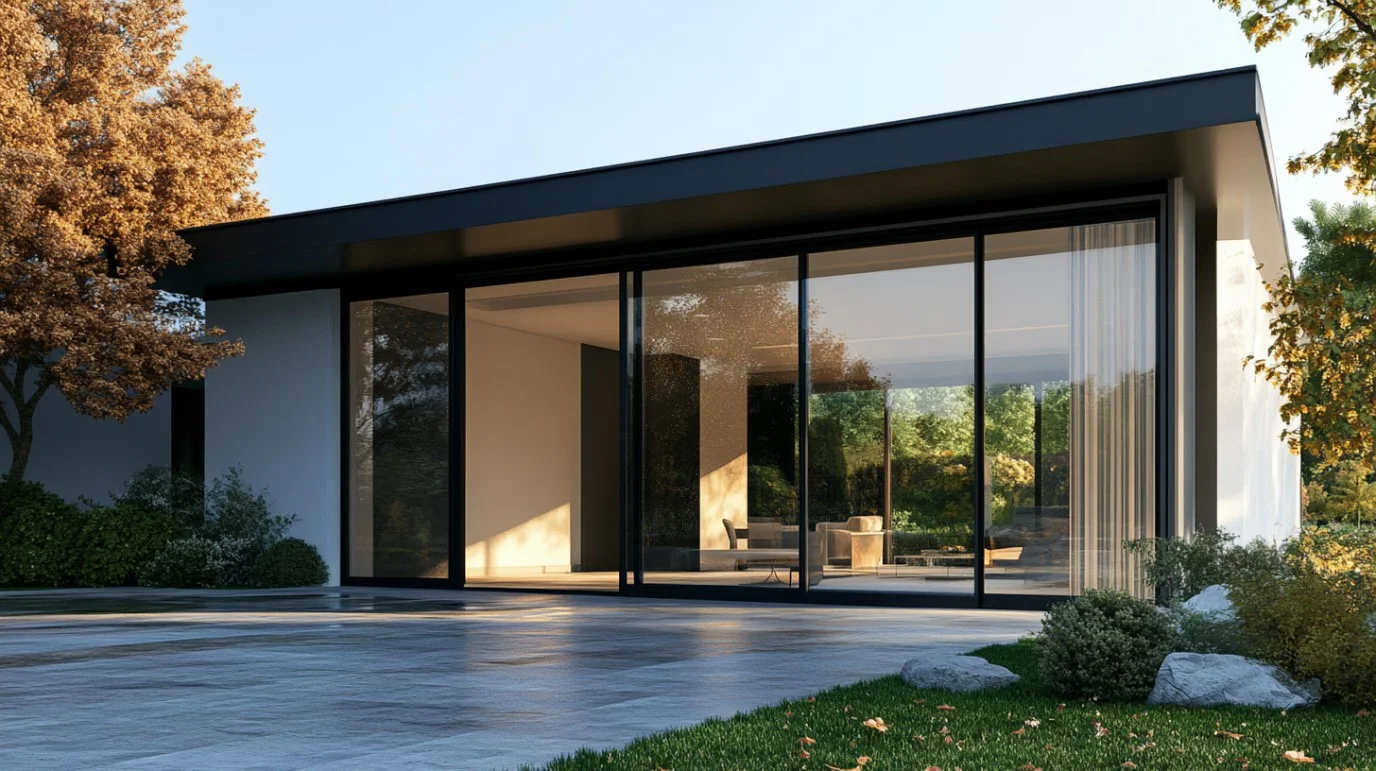
Pivot doors have found a special place in the realm of residential architecture, thanks to their versatility. In modern homes, they serve as grand entrances, creating an immediate impact with their scale and design. But their use extends beyond the front door. Pivot doors are increasingly used as interior doors, acting as statement pieces that separate living spaces while maintaining an open, airy feel. In luxury residences, they are often employed to merge indoor and outdoor spaces seamlessly, especially when made with large glass panels that offer unobstructed views of gardens or patios.
The adaptability of pivot doors also means they can be tailored to different home styles. For instance, a sleek, glass pivot door fits perfectly in a contemporary setting, while a rustic, wooden pivot door can complement a traditional or country-style home. This ability to blend with various architectural styles makes pivot doors a universally appealing choice for homeowners.
Commercial and Public Spaces
The impact of pivot doors extends into the commercial and public sector as well. In office buildings, they can create a sense of openness and transparency, particularly when designed with glass. This transparency can foster a more collaborative and inclusive work environment. Pivot doors are also popular in high-end retail spaces, galleries, and boutique hotels, where first impressions are critical. They add an element of sophistication and set the tone for the customer experience.
In public buildings like museums and libraries, pivot doors contribute to the overall aesthetic while providing practical benefits. Their large size is ideal for accommodating high traffic, and their easy operability ensures accessibility for all users. Moreover, in spaces where art and design are paramount, pivot doors serve as functional art pieces, contributing to the architectural narrative of the building.
Energy Efficiency and Environmental Impact
The durability of pivot doors means they have a longer life span compared to traditional doors, resulting in fewer frequent replacements and a reduced waste footprint. The longevity of these doors, combined with sustainable materials and practices, positions them as an eco-friendly choice in modern construction.
Insulation and Energy Savings
Pivot doors are not only aesthetically pleasing and functional but also contribute positively to a building’s energy efficiency. The design of these doors, especially when constructed with modern materials and technology, can offer excellent insulation properties. For instance, doors with thermal breaks and double or triple-glazed glass panels significantly reduce heat transfer, helping maintain a consistent indoor temperature. This insulation capability is crucial in minimizing energy consumption for heating or cooling, leading to long-term energy savings and a reduced carbon footprint.
In addition to the materials used, the seal of pivot doors plays a vital role in their energy efficiency. High-quality pivot doors are designed to close tightly and securely, minimizing drafts and air leaks. This tight seal is particularly important in extreme climates, where maintaining indoor climate control is essential.
Eco-Friendly Materials and Practices
The environmental impact of pivot doors extends beyond energy efficiency to the materials and manufacturing processes used. Many manufacturers are now focusing on sustainable practices, using eco-friendly materials like responsibly sourced wood, recycled metal, or low-emission glass. These materials not only reduce the environmental impact but also appeal to environmentally conscious homeowners and builders.
Safety and Security Considerations
Revolving doors offer peace of mind with their advanced safety features and security considerations, making them an overall choice for modern building needs.
Locking Mechanisms and Safety Features
Safety and security are paramount in any door design, and pivot doors are no exception. Despite their large size and unique operation, these doors can be equipped with advanced locking mechanisms that offer high levels of security. Multi-point locking systems, where locks are positioned at several points along the door, provide enhanced security against forced entry.
In addition to security, the safety features of pivot doors are carefully considered. For example, doors with large glass panels are typically made from tempered or laminated glass, which is more resistant to breakage and, if broken, shatters into small, less harmful pieces. Some pivot doors also come with built-in safety features like finger guards to prevent injuries, especially important in homes with young children.

Balancing Security with Design
One of the challenges in designing a pivot door is balancing security needs with aesthetics. However, modern design and technology make it possible to achieve this balance. A stylish, discreet locking system and strong yet stylish materials ensure that the door’s security features do not compromise its design. This balance is crucial, especially for front doors that need to be both inviting and secure.
Costs and Investments
Investing in pivot doors provides great returns for homeowners, architects, developers, and designers alike. The returns are manifold and include not only financial gains but also benefits such as enhanced property aesthetics, sustainability and market differentiation. As such, revolving doors represent a strategic investment in future architectural design and real estate development.
Initial Cost VS. Long-term Value
Investing in a pivot door, while initially more expensive than a standard door, reflects a commitment to quality, durability and design excellence. The custom craftsmanship, quality materials, and unique design elements of these doors justify the higher upfront cost. Pivot doors are not just a functional element but an architectural statement that enhances the beauty of a property.
The long-term value of pivot doors is reflected in their durability and low maintenance requirements. Designed to withstand frequent use and environmental conditions, these doors require fewer repairs and replacements, resulting in cost savings over time. Additionally, its energy-saving properties help reduce heating and cooling bills, further emphasizing its long-term economic benefits.
Return on Investment for Homeowners
For homeowners, investing in pivot doors can significantly increase the aesthetics and market value of their property. These doors transform an ordinary entrance into a striking architectural feature, creating an impressive first impression. This enhanced curb appeal is critical to increasing the resale value of your property.
Additionally, the uniqueness of pivot doors is a unique selling point for potential buyers looking for a home that is modern and architecturally unique. This investment not only enriches the current living experience of the owner, but also enhances the future sales of the property. In essence, pivot doors are more than just a design upgrade; they are a strategic enhancement to the real estate market’s appeal and value.
Return on Investment for Industry Professionals
For industry professionals such as contractors, developers and architects, adding pivot doors to a project can significantly increase the perceived value and desirability of a property. In a highly competitive real estate market, revolving doors are a distinctive feature that distinguishes properties, especially in the high-end and luxury segments. This differentiation can result in higher sales prices and faster sales cycles, particularly appealing to buyers seeking modern and unique homes.
Architects and designers gain a competitive advantage by incorporating pivot doors into their designs. These doors not only enhance the aesthetics of the space but also demonstrate a commitment to innovation and contemporary design. This helps build a reputation for creativity and attention to detail, attracting clients who value unique and high-quality architectural elements.

Additionally, the sustainability and energy efficiency aspects of revolving doors align with buyers’ growing environmental awareness. Properties with environmentally friendly and energy-saving features are increasingly sought after in both the residential and commercial sectors. Revolving doors meet these needs, increasing the long-term value and appeal of the property.
Trends and Future Directions
As trends and technologies evolve, pivot doors are set to remain a vital component of modern architectural design, offering endless possibilities for innovation and creativity.
Emerging Styles and Innovations
The world of pivot doors is continuously evolving, with new styles and innovations emerging regularly. Recent trends include the integration of smart home technology, allowing doors to be controlled remotely or through automated systems. This tech integration aligns with the growing demand for convenience and security in home automation.
Another trend is the increasing use of sustainable and unconventional materials, reflecting a growing consciousness about environmental impact and a desire for unique design elements. For example, the use of reclaimed wood or recycled materials in pivot doors not only offers an eco-friendly option but also adds character and history to the design.
Predictions for the Future of Door Design
Looking ahead, it’s likely that pivot doors will continue to play a significant role in architectural design. One potential area of growth is in customization and personalization, with more homeowners and designers seeking doors that reflect individual styles and preferences. Additionally, as technology advances, we might see more integration of automated features and even more advanced security systems.
In commercial spaces, the demand for pivot doors that combine aesthetics with functionality is expected to grow, especially in high-end retail, hospitality, and office design. These doors not only enhance the look and feel of a space but also contribute to brand identity and the customer experience.
Pivot doors represent a remarkable synthesis of aesthetics, functionality, and innovation, able to blend seamlessly into a variety of architectural styles and embody the evolving trends in modern architecture. For inquiries and purchases of pivot doors, please contact PA Window and Door, a manufacturer with many years of experience in doors and windows. Here, we can provide you with different types of high-quality pivot doors. Whether you are a homeowner, designer, builder, or dealer, I believe you can find the most satisfactory interpretation of a pivot door here.
Frequently Asked Questions (FAQs)
Revolving door prices vary based on size, materials, and customization options. Generally speaking, they are more expensive than standard doors due to their unique design and high-quality materials used.
Yes, pivot doors are safe. They can be equipped with high-quality locking mechanisms and are constructed with sturdy materials, ensuring both security and durability. Additionally, modern pivot doors often include safety features like tempered or laminated glass to prevent injury.
Glass pivot doors are commonly used in modern residential homes as main entrances, in commercial buildings like offices and hotels, for blending indoor and outdoor spaces in homes, in luxury retail stores, art galleries, and as dividers in large office spaces. They are favored for their ability to enhance natural light and create an open, airy feel.
Yes, pivot doors are often considered worth the investment due to their unique blend of aesthetic appeal, functionality, and durability. They offer a modern and sophisticated look, can be customized to fit various architectural styles, and provide a smooth operation. Additionally, their space-saving design and potential to increase a property’s value make them a desirable choice for many homeowners and architects.
The main difference between a hinged door and a pivot door lies in their operating mechanisms and design. Hinged doors are mounted on hinges attached to the door frame, typically on one side, and swing open from these hinges. Pivot doors, on the other hand, rotate on a pivot point that is set at the top and bottom of the door, often away from the edge, allowing the door to swing both inwards and outwards. This difference in mechanism allows pivot doors to be larger and heavier than standard hinged doors, offering a more modern and visually striking design.