Looking for a stylish, space-saving solution for your home? Exterior pocket doors might just be the perfect fit. These sleek doors slide into the wall, offering a seamless blend of functionality and design. In this comprehensive guide, we’ll cover everything you need to know about outside pocket doors—from types and benefits to installation tips and costs.
1. What is an Exterior Pocket Sliding Door?
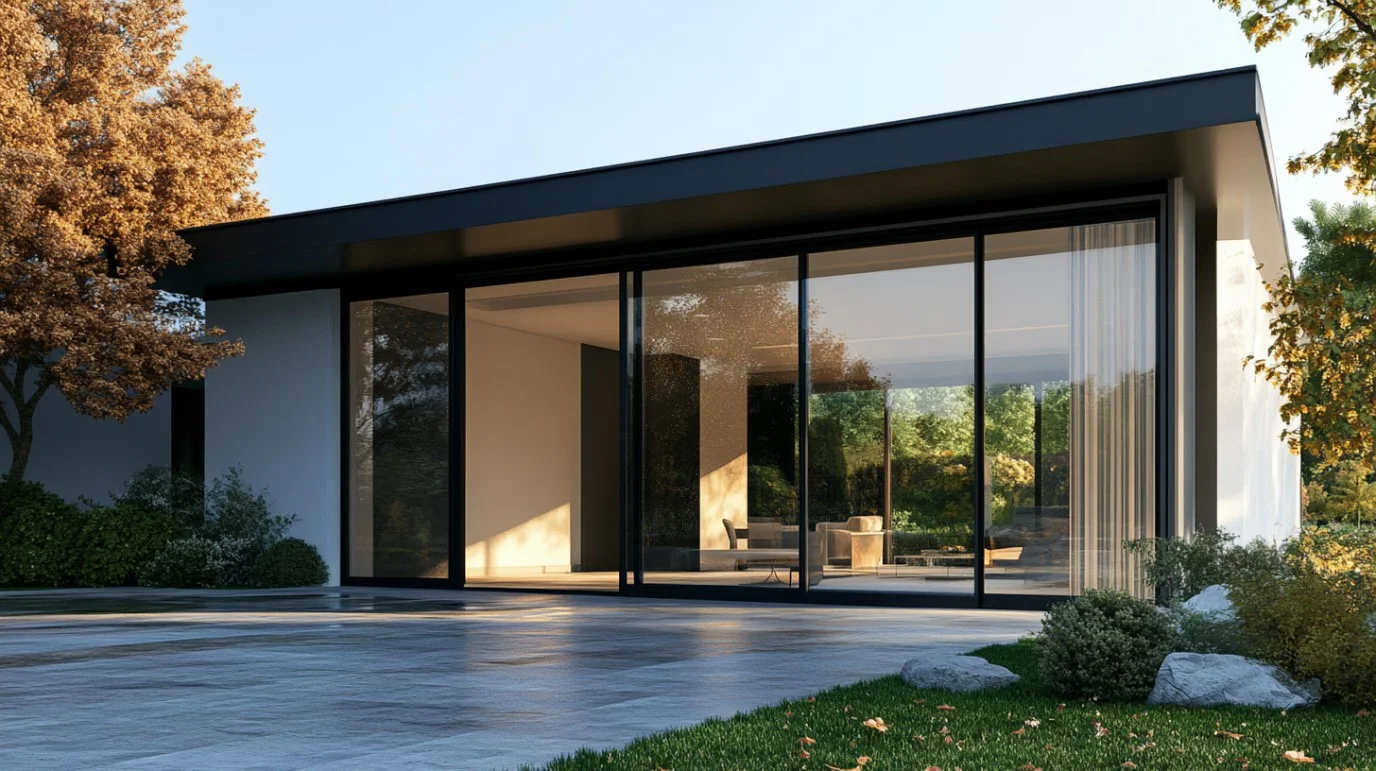
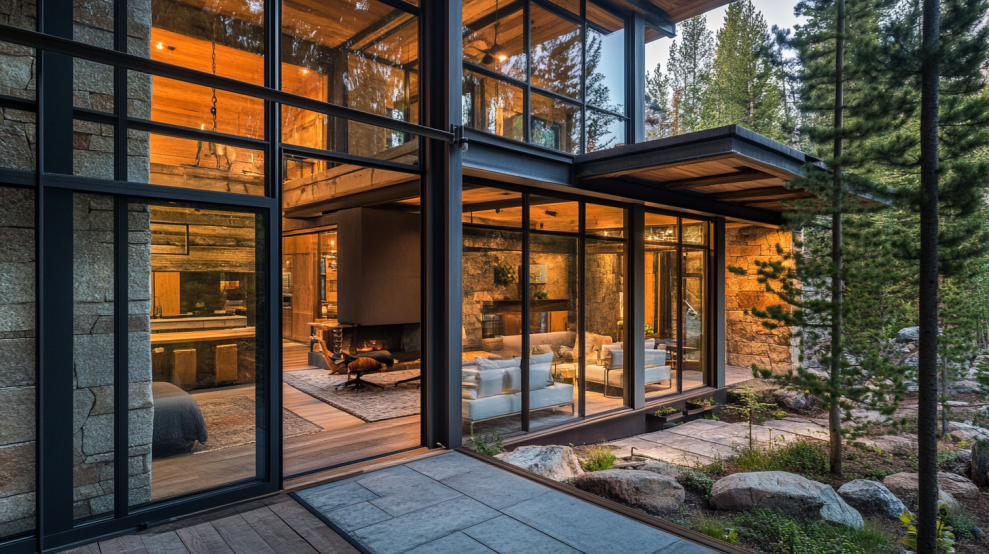
An exterior pocket sliding door, also known as a pocket glass door or sliding wall door, is a modern and space-efficient solution designed to create a seamless connection between indoor and outdoor spaces. These large sliding door systems typically consist of multiple panels that effortlessly slide open, offering an expansive, unobstructed view when open.
What makes exterior pocket doors unique is their ability to disappear into the wall when fully opened, effectively maximizing living space. This design eliminates the need for swinging doors, which would otherwise take up valuable floor space. Whether you’re creating an elegant patio entrance or blending your living room with your garden, exterior pocket sliding doors are perfect for enhancing both functionality and style.
2. What Are the Different Types of Exterior Pocket Doors?
There are several types of exterior sliding pocket doors, each designed to suit different needs and spaces. These include single-panel, multi-slide, and bi-fold systems.
Single-panel pocket doors are ideal for smaller openings. They provide a sleek, minimalist look and slide smoothly into the wall, offering easy access and a simple design.
Multi-slide pocket doors consist of multiple panels that slide open effortlessly, creating a wide, expansive opening. These are perfect for larger openings like patios or connecting indoor and outdoor spaces.
Bi-fold pocket doors are hinged doors that fold in sections as they slide into the wall. Great for spaces where you want to maximize the opening size without sacrificing a compact design.
3. What Are the Materials of Exterior Pocket Doors?
Choosing the right material for your exterior pocket doors is crucial for both the functionality and aesthetic appeal of your home. Each material has its own set of benefits and drawbacks depending on your needs, preferences, and budget. Below is an overview of the most popular materials used for exterior pocket doors.
| Material | Advantages | Disadvantages |
|---|---|---|
| Wood |
|
|
| Aluminum |
|
|
| Fiberglass |
|
|
| Glass |
|
|
| Vinyl |
|
|
| Steel |
|
|
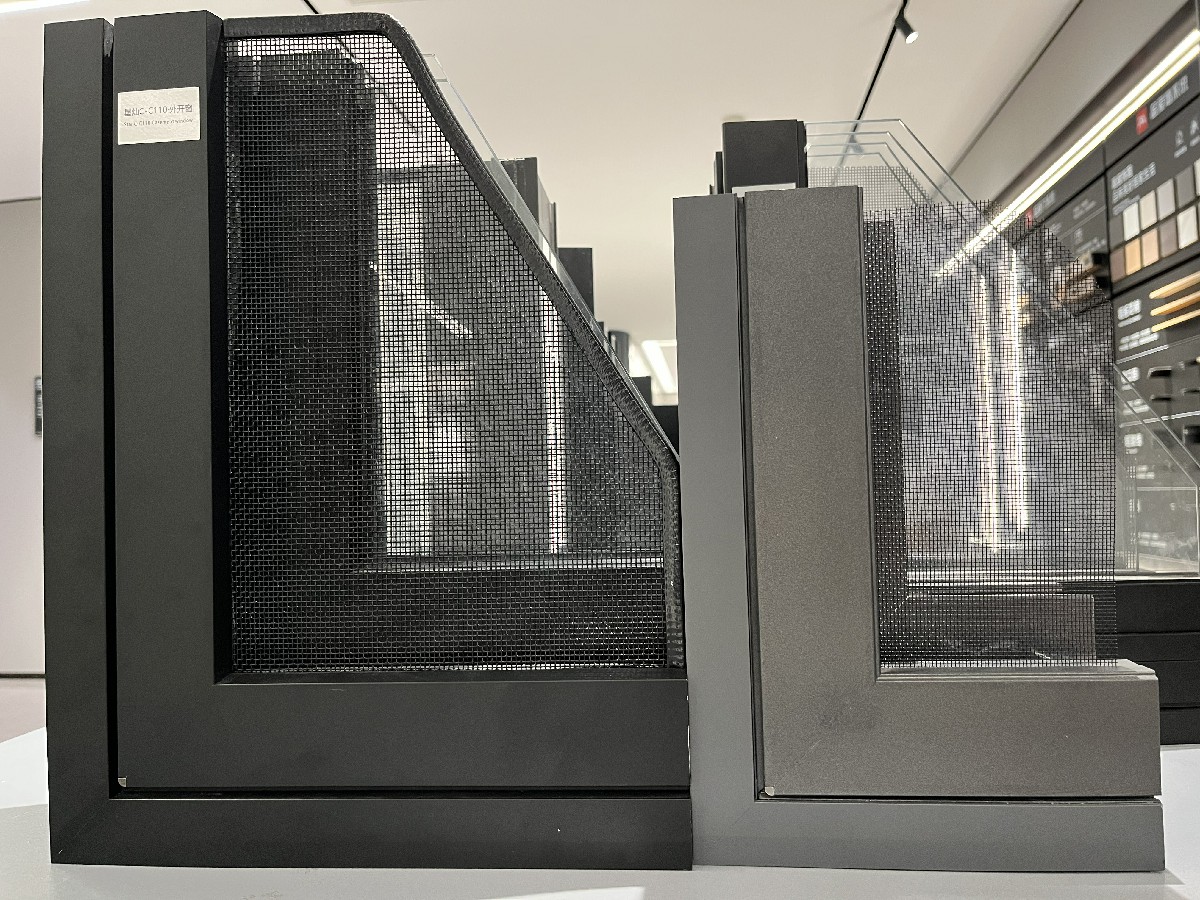
If you are looking for an affordable option, aluminum is an excellent choice. PA uses high-quality aluminum along with thermal break technology to enhance insulation. Additionally, we can customize large glass panels to meet your design needs. If you're interested, feel free to contact us for a quote.
4. What Are the Benefits of Outside Pocket Doors?
Exterior pocket door is incredibly popular because of their many advantages. Homeowners, designers, and architects love these doors for their ability to maximize both functionality and aesthetic appeal in any space.
Space-Saving
One of the biggest advantages of exterior pocket doors is their ability to save valuable space. Unlike traditional doors that swing open, pocket doors slide effortlessly into the wall, freeing up space that would otherwise be blocked. This makes them perfect for smaller homes, compact rooms, or areas with limited space.
Maximized Views
A sliding glass pocket door configuration allows you to achieve unobstructed views by utilizing fewer, but larger glass panes. For example, with a standard non-pocket sliding door, at least two panes are required—one fixed and the other sliding behind it when opened. In contrast, a pocket door can consist of just one large pane that slides seamlessly into the wall cavity or alongside the external wall when opened. This design eliminates the need for overlapping panels, providing a cleaner and uninterrupted view of the outdoors.
Seamless Indoor-Outdoor Transition
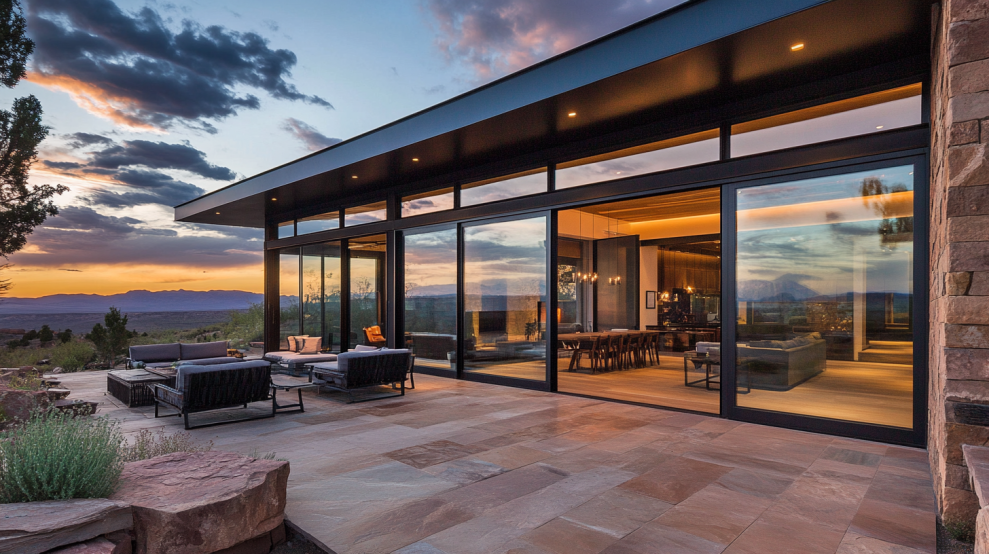
Exterior sliding pocket door is ideal for creating a smooth, seamless connection between indoor and outdoor living spaces. When fully opened, these doors create a wide, unobstructed opening that brings the outdoors into your home, allowing for easy movement between spaces. Whether you’re hosting a party or enjoying a quiet evening, pocket doors allow you to connect your indoor living areas with your patio or garden.
Minimalist Design
Minimalism is a growing trend in modern architecture and interior design.Their hidden tracks and streamlined design make them perfect for contemporary homes where simplicity and elegance are prioritized. These doors can easily blend into any modern decor, providing a sophisticated, uncluttered appearance, without compromising on style or functionality. They are a top choice for homeowners and designers who appreciate the beauty of simplicity.
Privacy and Security
Despite their minimalist design, exterior pocket doors offer excellent security and privacy protection. These doors are equipped with high-quality locks and reinforced frames, ensuring that they provide a secure entry to your home. Additionally, modern energy-efficient glass options help enhance privacy, keeping your home safe from unwanted external views, while also offering better insulation.
5. How Much Do Exterior Pocket Doors Cost?
Outside sliding pocket doors tend to be more expensive than traditional sliding or swing doors due to their design, construction, and installation requirements.The cost of exterior sliding pocket doors generally ranges from $1,000 to $5,000, depending on factors like material, size, and installation. Simple designs with standard materials fall on the lower end, while premium options—such as custom glass panels, high-quality wood, or energy-efficient features—can push the price higher.
Installation adds to the overall expense, as creating a wall cavity or adjusting existing structures requires skilled labor. Custom designs or advanced features like flush floor tracks or thermal insulation will also increase the final cost.
For a precise quote, consulting professionals based on your specific needs and design preferences is recommended.
6. Are Exterior Pocket Doors Worth the Investment?
Exterior sliding pocket doors system are worth the investment for homeowners seeking both style and functionality. While they may come at a higher price compared to traditional doors, their benefits often justify the cost:
Enhanced Aesthetics: Their sleek, modern design and large glass panels add a luxurious touch, seamlessly blending indoor and outdoor spaces. This creates a visually stunning, open feel that adds value to any home.
Increased Home Value: Features like seamless indoor-outdoor transitions and high-quality materials make exterior pocket doors an attractive addition, appealing to future buyers and increasing your property’s resale value.
Customization and Durability: With options like energy-efficient glass, thermal break frames, and weatherproof finishes, exterior pocket doors offer long-term durability and can be customized to suit your design preferences.
7. How Do Exterior Pocket Doors Compare to Traditional Doors?
When considering exterior pocket doors versus traditional doors, there are several factors to keep in mind. The key differences in terms of space efficiency, aesthetics, installation, and more are important to understand before making a decision. Below is a comparison to help you weigh the pros and cons of each option.
| Feature | Exterior Pocket Doors | Traditional Swing Doors |
|---|---|---|
| Space Efficiency | ⭐⭐⭐⭐⭐ | ⭐⭐ |
| Aesthetics | ⭐⭐⭐⭐⭐ | ⭐⭐⭐ |
| Privacy | ⭐⭐⭐⭐⭐ | ⭐⭐⭐⭐⭐ |
| Ease of Installation | ⭐⭐⭐ | ⭐⭐⭐⭐⭐ |
| Cost | ⭐⭐⭐ | ⭐⭐⭐⭐⭐ |
| Durability | ⭐⭐⭐⭐⭐ | ⭐⭐⭐⭐⭐ |
| Security | ⭐⭐⭐⭐⭐ | ⭐⭐⭐⭐ |
| Opening/Closing Mechanism | ⭐⭐⭐⭐⭐ | ⭐⭐⭐ |
Exterior pocket doors save more space than regular doors. (True)
Pocket doors slide neatly into the wall, freeing up floor space that would otherwise be needed for door swings.This makes them ideal for smaller spaces or areas with limited clearance.
8. Where to Place Exterior Sliding Pocket Doors?
The best placements for external pocket doors are where they can enhance space, light, and flow. They work beautifully for patios, gardens, and balconies, seamlessly connecting indoor areas with the outdoors. For poolside or courtyard spaces, pocket doors allow for wide, unobstructed openings, blending the two environments effortlessly.
An impressive option is an open corner configuration, where two sets of doors meet at a corner and slide back into pockets. This design eliminates barriers, creating a stunning, uninterrupted architectural feature that maximizes views and space.
Whether it’s for sunrooms, terraces, or pool areas, strategic placement of pocket doors transforms ordinary spaces into elegant, open, and functional living areas.

9. What Is the Standard Size of Patio Folding Door?
The standard size of patio folding doors can vary depending on the manufacturer, design, and intended use, but there are general guidelines that most doors follow:
- Width: Each panel typically ranges between 24 inches (2 feet) to 36 inches (3 feet). A full folding door system can span anywhere from 6 feet to 20 feet or more, depending on the number of panels.
- Height: Standard door heights are usually around 80 inches (6 feet 8 inches). Taller options, up to 96 inches (8 feet) or more, are also available for larger openings.
For a more customized solution, patio folding doors can be designed to fit oversized spaces, allowing for greater flexibility in both residential and commercial applications.
When planning for folding doors, always consider the overall opening size, number of panels, and configuration to ensure a perfect fit for your space. Consulting a professional can help you achieve the right balance between functionality and aesthetics.
10. How to Install Exterior Pocket Doors?
Installing exterior pocket door involves a few key steps:
1.Prepare the Wall Opening
Ensure the wall cavity is wide, level, and deep enough to fit the pocket door and track system.
2. Install the Track and Frame
Secure the sliding track and pocket door frame inside the wall cavity, making sure everything is level and plumb.
3. Attach the Hardware
Mount the rollers and hangers onto the door and connect them to the track for smooth sliding.
4. Hang the Door
Slide the door onto the track, ensuring it moves evenly and aligns properly within the opening.
5. Seal and Finish
Add weatherproof seals for insulation and install trim or molding to complete the look.
Tip: Exterior pocket doors require precision and weatherproofing. If unsure, consider hiring a professional to ensure proper installation.
11. Where to Buy Exterior Pocket Doors?
You can purchase expensive or cheap exterior pocket doors from specialized door manufacturers, home improvement stores, or custom design providers. For premium quality and customization options, contact PA for expert solutions tailored to your needs.
PA offers high-quality exterior pocket doors, including durable aluminum frames, large glass panels, and custom finishes. Reach out today to find the perfect solution for your space and receive a free, no-obligation quote!