An exterior door does more than complete the look of a home. It also needs to keep out wind and rain, reduce drafts, support home security, and handle years of daily use.
Fiberglass doors have become a popular choice because they offer a practical balance between appearance, durability, insulation, and maintenance. Many models recreate the look of natural wood, but they are less likely to swell, rot, or warp when exposed to moisture and changing temperatures.
That does not mean every fiberglass door offers the same quality. Construction, glass, finish, frame material, hardware, and installation can all affect how the door performs over time.
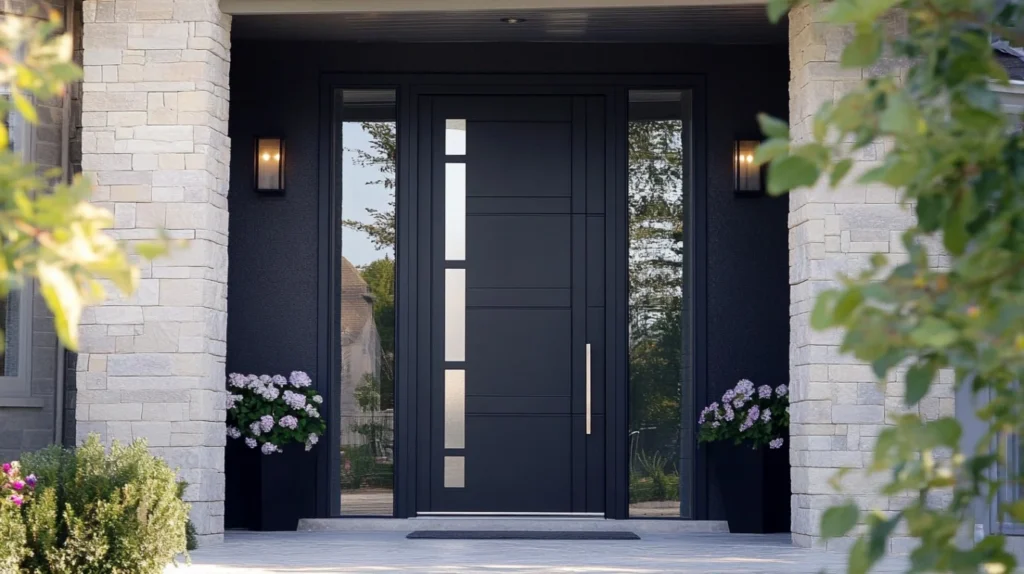
What Is a Fiberglass Door?
A fiberglass door is usually built with molded fiberglass-composite skins over an internal frame. The space inside is commonly filled with insulating foam, while reinforced sections around the edges support the hinges, lock, and other hardware.
The visible fiberglass surface may be smooth or molded with a wood-grain texture. Smooth doors are typically painted, while textured doors can be painted or stained to resemble oak, mahogany, fir, or other wood species.
Fiberglass doors are generally sold in two forms:
| Option | What it includes | Best for |
|---|---|---|
| Door slab | The door panel only | Replacing a door while keeping a sound, correctly sized frame |
| Prehung door | Door, frame, hinges, sill, and weatherstripping | Full replacements, new construction, or damaged existing frames |
A complete entry system may also include sidelights, a transom, decorative glass, trim, and factory-prepared hardware.
How Much Does a Fiberglass Door Cost?
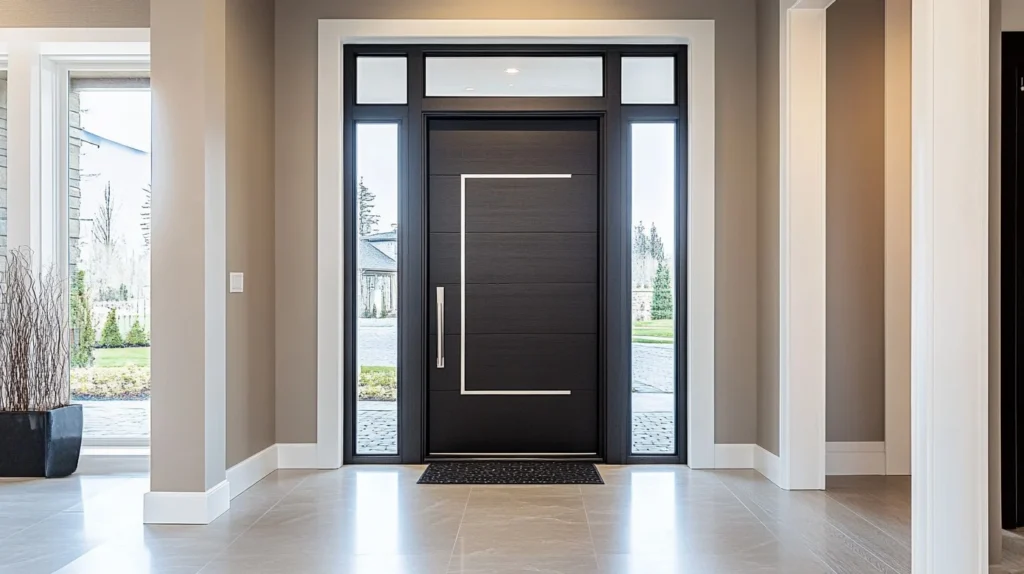
Fiberglass door prices vary widely. A basic slab may cost a few hundred dollars, while a premium prehung entry system with decorative glass, sidelights, custom sizing, or a factory finish can cost several thousand dollars.
The main cost factors include:
- Slab or prehung construction
- Standard or custom size
- Solid panel or glass design
- Smooth or wood-grain finish
- Frame and sill material
- Single door, double door, or sidelights
- Hardware and locking system
- Delivery and professional installation
Installation costs rise when the existing frame is damaged, the opening is out of square, or trim and structural repairs are required.
When comparing quotations, ask suppliers to separate the cost of the door, frame, glass, finish, hardware, delivery, removal, and installation. This makes it easier to see what you are actually paying for.
Keep in mind: A lower-priced slab may not be the least expensive option if the existing frame also needs to be replaced.
What Are the Advantages of Hinged Patio Doors?
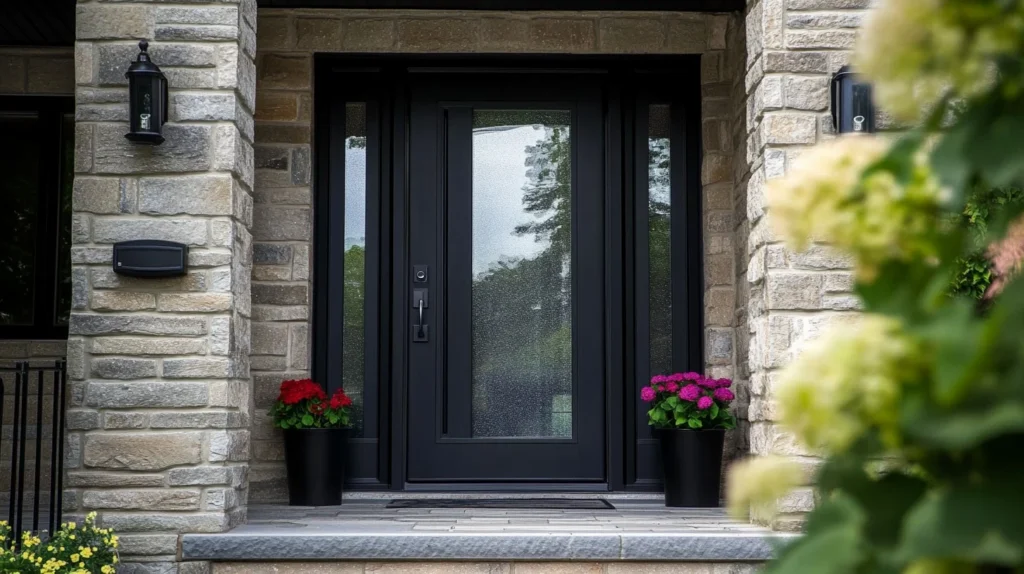
Weather Resistant
Fiberglass handles moisture and temperature changes well. It is less likely than natural wood to swell, warp, crack, or rot, making it a practical choice for entrances exposed to rain, humidity, or changing seasons.
Attractive Wood-Look Options
Wood-grain fiberglass doors can recreate the warm appearance of oak, mahogany, fir, and other timber styles. Homeowners can enjoy a traditional wood-like finish without the same level of maintenance required by a solid wood door.
Durable for Everyday Use
Fiberglass doors stand up well to daily wear and are generally resistant to dents, scratches, and rust. With proper installation and routine care, they can remain attractive and functional for many years.
Good Energy Efficiency
Many fiberglass doors have an insulated foam core that helps reduce heat transfer and drafts. When combined with quality weatherstripping and professional installation, they can improve indoor comfort throughout the year.
Easy to Maintain
Fiberglass doors require relatively little upkeep. Regular cleaning and occasional checks of the finish, sealant, and weatherstripping are usually enough to keep the door in good condition.
What Are the Disadvantages of Fiberglass Doors?
Fiberglass doors usually cost more than basic steel doors, especially when you add decorative glass, custom sizes, realistic wood-grain finishes, or upgraded hardware. Product quality can also vary, so it is worth comparing the complete construction—not just the appearance or the word “fiberglass” on the label.
Although fiberglass is considered low-maintenance, the painted or stained finish may still need occasional care, particularly on doors exposed to strong sunlight or harsh weather. Major alterations and structural repairs can also be more difficult than they are with solid wood. For most homeowners, however, these limitations are manageable when the door is properly selected, finished, and installed.
What Are the Types of Fiberglass Doors?
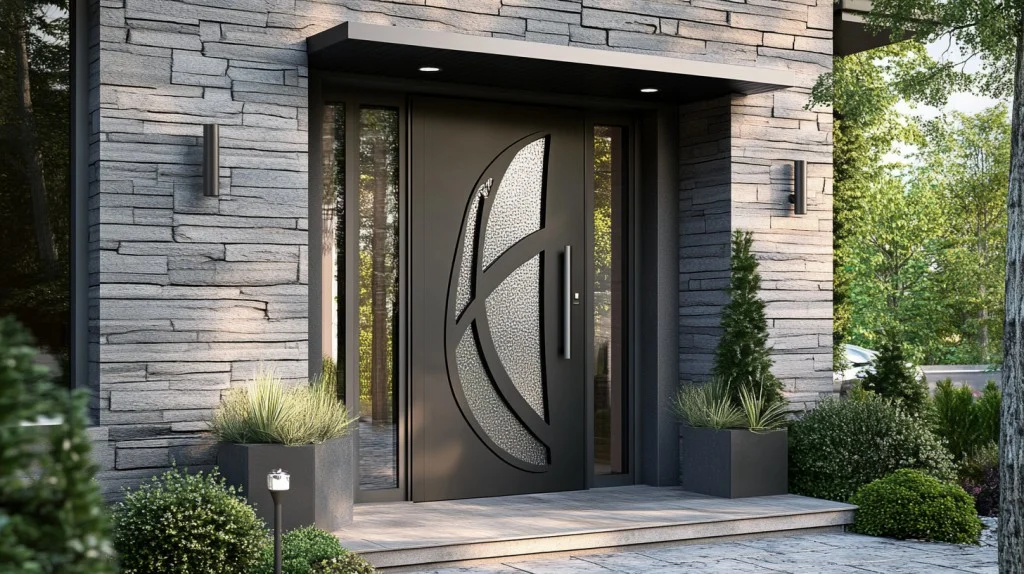
Fiberglass doors are available in a wide range of designs and configurations.
By Surface Finish
Smooth fiberglass doors are usually painted and work well with modern, minimalist, and transitional homes.
Wood-grain fiberglass doors have molded textures designed to resemble natural timber. They can be stained or painted, depending on the product.
By Glass Style
| Glass option | Best feature | Main consideration |
|---|---|---|
| No glass | Maximum privacy | Less natural light |
| Top light | Light with limited visibility | Smaller glazed area |
| Half light | Balance of privacy and daylight | Moderate cost increase |
| Full light | Maximum natural light | Greater attention to privacy and energy performance |
| Textured or decorative glass | Visual interest and privacy | Usually more expensive |
Glass may also be clear, frosted, laminated, Low-E, or impact-resistant.
By Door Configuration
Common options include:
- Single entry doors
- Double entry doors
- French-style doors
- Patio doors
- Doors with one or two sidelights
- Doors with a transom
- Arched or custom-height entry systems
By Performance Requirement
Some fiberglass doors are designed for specific conditions, such as coastal environments, strong winds, fire-rated applications, or improved energy efficiency.
Not every size, glass package, or frame within a product line carries the same rating, so always check the specification for the exact configuration being ordered.
How to Install a Fiberglass Door?
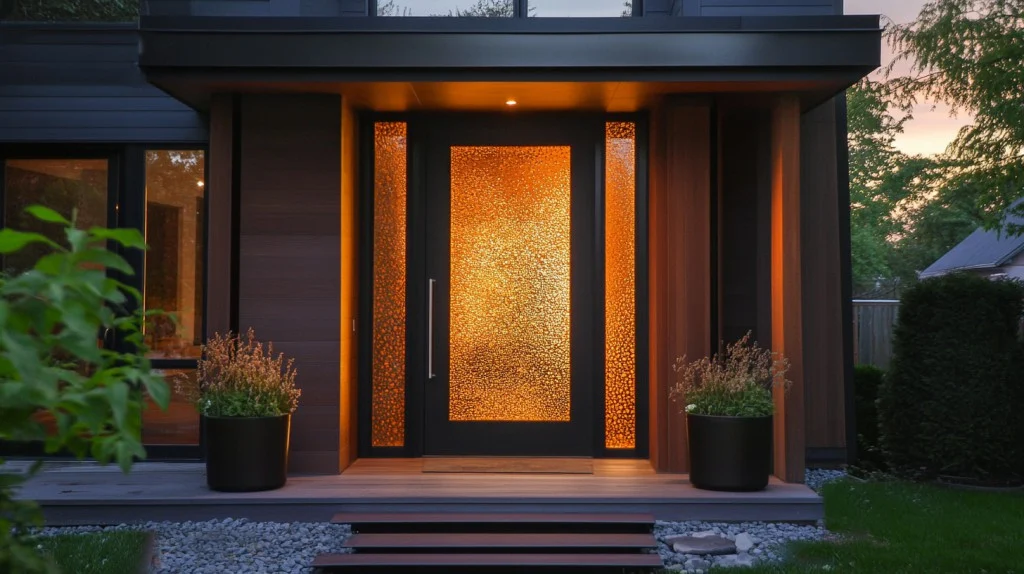
Installing a fiberglass slab into an existing frame may be relatively straightforward if the frame is square, sound, and correctly sized. A prehung exterior door is more involved because the frame, sill, flashing, insulation, drainage, and exterior sealing all need to work together.
The basic process includes removing the old unit, inspecting the rough opening, preparing the sill, positioning and fastening the new frame, and checking that the gaps around the door are even. The latch and deadbolt should operate smoothly, and the door should remain in place when partly open.
After the frame is aligned, the gap around it is insulated with a low-expansion product designed for doors and windows. Exterior flashing and sealant are then completed to keep water away from the opening. Professional installation is usually the safer choice when the frame is damaged, the opening is uneven, or structural work is required.
Final check: The installed door should close without force, show no daylight around the edges, and make even contact with the weatherstripping.
How to Paint a Fiberglass Door?
Clean and lightly sand the door, then remove dust and apply a compatible primer if required. Use high-quality exterior acrylic latex paint in thin, even coats, allowing each coat to dry fully. Always follow the door manufacturer’s finishing instructions to protect the warranty.
Where to Buy Fiberglass Doors?
Fiberglass doors are available from home improvement stores, building suppliers, local dealers, and door manufacturers. Retailers are convenient for standard sizes, while a specialist supplier is generally better for custom dimensions, decorative glass, sidelights, premium finishes, and project-specific performance requirements.
Before ordering, confirm the measurements, frame, glass, finish, hardware, installation, and warranty in writing. For help choosing the right fiberglass door for your project, contact PA Window to get a fast, personalized quote.
FAQs About Fiberglass Door
Aluminum-clad wood doors are generally more expensive than fiberglass doors because they combine a real wood interior with a protective metal exterior. Custom sizing, glass, and hardware can increase the price of either option.
Fiberglass is often better for homeowners who want a wood-like appearance, dent resistance, and low maintenance. Steel is naturally strong and may suit buyers who prefer a smooth, modern finish; the better option depends on your budget, style, and performance needs.
Yes. Fiberglass doors can include clear, frosted, decorative, Low-E, or impact-resistant glass. Choose the glass style based on privacy, natural light, energy efficiency, and security needs.
Yes. Fiberglass doors are designed to resist moisture, weather changes, warping, and everyday wear, making them well suited for front, side, patio, and other exterior entrances.
Well-known fiberglass door brands include Therma-Tru, Pella, JELD-WEN, Masonite, and PA Home. Compare construction, glass options, finishes, energy ratings, warranties, and local installation support before choosing.
Yes, but they are more commonly used as exterior doors. Interior fiberglass doors may be suitable for humid areas, utility rooms, or spaces where durability and moisture resistance are important.