Imagine starting each day surrounded by sunlight and scenic views—floor-to-ceiling windows make this a reality. As one of 2024’s hottest home trends, these windows create seamless indoor-outdoor flow and transform spaces with natural light. This guide will help you explore their benefits, choose the best floor-to-ceiling windows to match your house.
What Are Floor to Ceiling Windows?
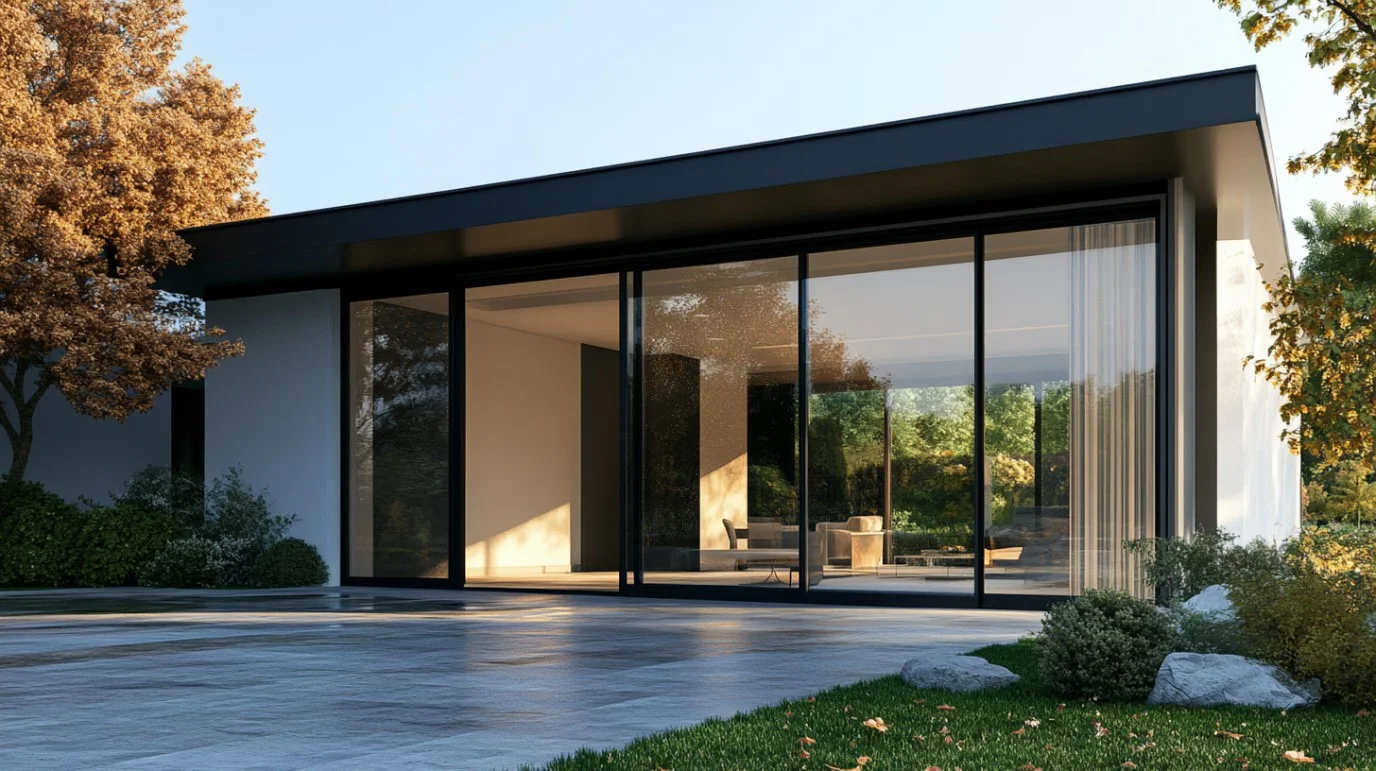
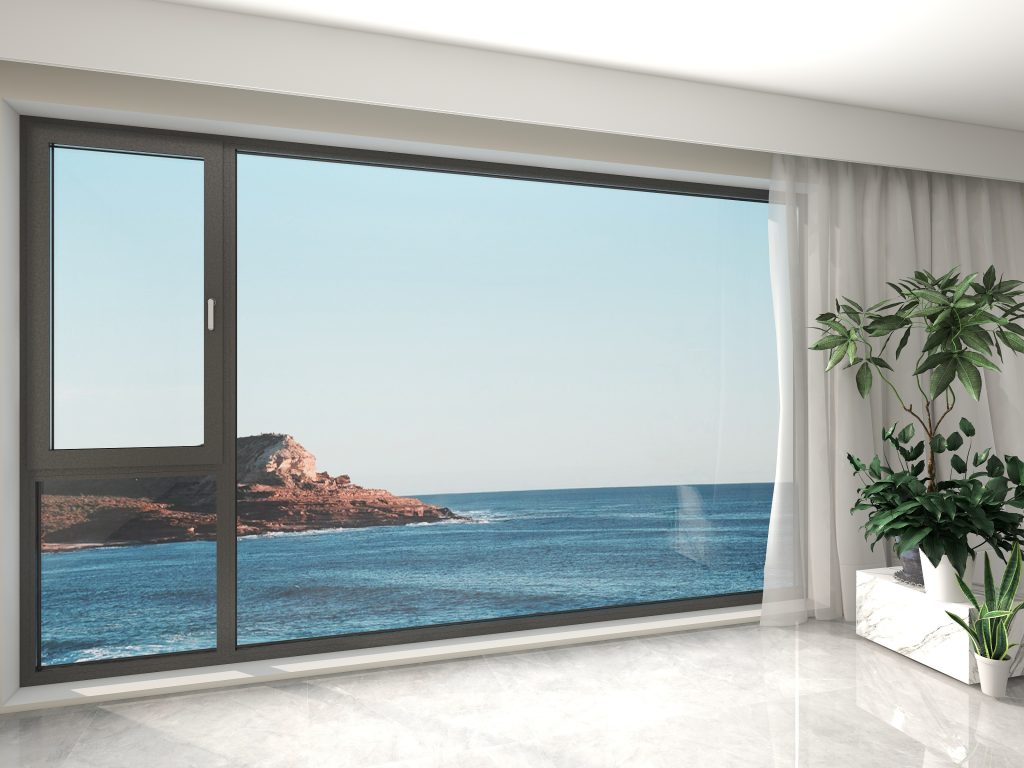
Floor-to-ceiling windows refer to big glass sets that go from the floor all the way up to the ceiling and often comprise an entire wall that allows plenty of light and openness. Sometimes referred to as full-length windows, full-wall window or glass wall, they are created for a seamless indoor-outdoor connection that gives you room with crystal clear views and an expanded sense of space.You can see a range of design, from the static nature of a stationary window to a picture frame that highlights aesthetic views outside. They can also include operable options like casement or tilt-and-turn windows for ventilation through expansive views.
Benefits of Floor to Ceiling Windows
Maximizing Natural Light
The floor-to-ceiling windows provide natural daylight in your home, which lowers the indoor lighting usage. This brightness helps save the bill and at the same time contribute to your mood and mental health. Natural light stimulates dopamine, improving your mood and dampening the signs of depression and anxiety. This light-induced lift in spirits can render more spaces cozier and more welcoming, conferring health benefits beyond good looks.
Enhanced Visual Space
Floor-to-ceiling windows open up rooms by breaking down traditional walls, creating a visual extension of indoor spaces into the outdoors. This effect is especially valuable in smaller rooms, where large windows can make interiors feel expansive and airy. They’re like adding square footage without altering the home’s footprint, helping to eliminate any sense of confinement within a room.
Seamless Indoor-Outdoor Flow
Known as a “wall of windows,” floor-to-ceiling installations blend indoor spaces with the outdoor world, giving the feel of a continuous landscape.They allow homeowners to integrate natural landscapes, gardens, or cityscapes into the daily ambiance of their living spaces. The uninterrupted view enhances a sense of unity with nature, providing a constantly shifting “living mural” that changes with the seasons and light.
Improved Property Value and Curb Appeal
As a sleek design feature, floor-to-ceiling windows increase curb appeal and add modern style, catching the attention of potential buyers. Homes with large glass walls and high ceiling windows typically see a boost in property value. The design also appeals to eco-conscious buyers, providing functionality alongside elegance and a seamless view.
Energy Efficiency with Modern Glass Technology
Floor-to-ceiling glass often incorporates energy-efficient technologies like low-E coatings and double- or triple-pane glass to help maintain stable indoor temperatures. This reduces heat loss in winter and minimizes solar gain in summer, enhancing energy savings. Such sustainable designs bring comfort and environmental responsibility into the home, making these large glass windows both a stylish and practical investment.

Types of Floor to Ceiling Windows
Fixed (or Picture) Windows
Fixed or picture windows are designed to frame an outdoor view like a piece of art. They’re ideal for maximizing light and providing uninterrupted views, often installed in living rooms or high-traffic areas to frame scenic views like gardens or cityscapes. Since they’re sealed, fixed windows offer high energy efficiency and require minimal maintenance.These are popular in living rooms or rooms with desirable views.
Tilt and Turn Windows
Tilt and turn windows are a very popular type of window in the United States. Tilt and turn windows are widely used and offer two ways of opening: tilting the top inward to ensure ventilation, or opening completely from the side. This type of window has high flexibility and safety, and is highly purchased by many families with children.
Seamless Indoor-Outdoor Flow
A casement window also call “swing window”, which is a type of operable window attached to its frame by side hinges, allowing it to swing outward like a door when opened.The casement windows also help keep air flowing and provide a clean, modern appearance. Install them top to bottom, and casements bring in light and fresh air, making them perfect for kitchens or any place airflow is king.
Sliding Glass Doors
Sliding glass doors are often used as a full glass wall, with access and light in one. They move side to side up and down a track, making them a sleek option for opening up onto patios or gardens without needing the extra space that swing doors would take. Sliding doors are extremely functional when it comes to balconies, patios & entrance to deck and helps bridge the indoor outside access actes.
Curtain Wall Systems
Floor-to-ceiling glass often incorporates energy-efficient technologies like low-E coatings and double- or triple-pane glass to help maintain stable indoor temperatures. This reduces heat loss in winter and minimizes solar gain in summer, enhancing energy savings. Such sustainable designs bring comfort and environmental responsibility into the home, making these large glass windows both a stylish and practical investment.

Different Styles of Floor to Ceiling Windows
Modern Minimalist Style
Modern minimalist designs capture an air of simplicity and elegance. Here, floor-to-ceiling windows often feature slender frames or go frameless, creating sharp, clean lines with uninterrupted views. This uncluttered approach adds sophistication, opening up the space to feel both expansive and light-filled.This style pairs naturally with other minimalist aesthetics, like Italian-inspired luxury or Scandinavian designs, emphasizing neutral tones and ample natural light to enrich the ambiance.
Ultra-Minimalist Style
Ultra-minimalist design takes simplicity to new heights, often featuring vast, frameless windows to create open, airy spaces. Walls remain plain, focusing attention on the room’s height and openness without unnecessary decor.Ideal for larger homes or rooms with high ceilings that seek a futuristic, cutting-edge look, this style makes the room feel impressively spacious and bright.
Light Luxury (Luxe) Style
Light luxury, or “luxe,” marries simplicity with a hint of luxury through subtle details. Floor-to-ceiling windows in this design style may include accents like metal trims, elegant drapery, or standout lighting to add sophistication without overwhelming the space.
Luxe windows often showcase gold or bronze details, pairing beautifully with marble or velvet decor elements. This style delivers an understated, luxurious feel that elevates the room’s look.
New Chinese Style
New Chinese style combines timeless Chinese aesthetics with a modern, minimalistic touch. Floor-to-ceiling windows in this style often frame serene views, from nature scenes to traditional Chinese landscapes, adding a Zen-like element to the room.
Subtle wood frames or textured materials echo traditional elements while maintaining a modern, open look. Perfect for spaces where elegance and cultural richness meet.
Industrial Style
Industrial-style floor-to-ceiling windows bring an authentic edge with exposed metal frames and darker color schemes. This style emphasizes raw materials like metal, brick, and concrete for a rugged yet artistic feel.
These windows suit urban lofts or modern rustic homes, where dark frames and exposed hardware add an edgy, industrial character. They pair well with open floor plans and high ceilings, blending functionality with an artistic touch.
Ideal Locations for Floor to Ceiling Windows
Floor to ceiling window can elevate nearly any space in a home, but some locations benefit more than others. Here’s where these windows truly shine, adding natural light, open views, and a seamless indoor-outdoor feel to key areas like living rooms, kitchens, and bedrooms.

Living Rooms
The living room is an ideal spot for floor-to-ceiling windows, transforming this central space into a bright, welcoming area. Full-wall windows here create a naturally inviting atmosphere, perfect for gatherings or relaxing. Plus, they let the outdoor scenery become an integral part of the interior ambiance, adding to its charm.
Bedrooms
In bedrooms, floor-to-ceiling windows add an open, calming feel that’s perfect for unwinding. They bring in soft morning light and offer beautiful views to start the day right. Curtains or smart blinds can add privacy as needed, keeping the space open and filled with light during the day.
Dining Areas
Dining rooms with floor-to-ceiling windows create a dining experience that feels connected to the outdoors, whether overlooking a garden, patio, or cityscape. This design adds a refreshing visual backdrop, enhancing each meal with a unique connection to the surrounding scenery.
Kitchens
Floor-to-ceiling windows in the kitchen flood the space with natural light and air, making it feel bright and spacious. This setup works particularly well in kitchens that open to a deck or garden, creating an effortless flow between indoor and outdoor dining.
Home Offices
In high-rise office buildings, floor-to-ceiling windows are common, allowing workers to enjoy expansive city or nature views. This design helps reduce stress, brighten workspaces, and create a more open environment—elements that boost productivity and alleviate pressure. Bringing this idea into a home office offers the same benefits: natural light, an open view, and a relaxed ambiance that makes working from home more enjoyable.Floor-to-ceiling windows transform the workspace into a refreshing environment, perfect for enhancing focus and sparking creativity.
Small Spaces
Floor-to-ceiling windows are perfect for making small spaces like hallways, staircases, and compact rooms feel more open and inviting. By flooding these areas with natural light, these windows brighten and visually expand the space, creating an airy, open feel. In tight areas, floor-to-ceiling glass eliminates visual boundaries, drawing the eye outward and enhancing the illusion of depth and height. This effect is particularly useful in apartments or homes with limited square footage, where maximizing every inch counts
Energy-Efficient Floor-to-Ceiling Windows for Sustainable Comfort
When selecting window materials for energy efficiency, popular options include wood, vinyl, and aluminum. Wood windows offer natural insulation and a timeless look that complements traditional styles, while vinyl frames—with their multi-chamber design—are effective at trapping air and minimizing heat transfer, making them a cost-effective, low-maintenance choice for many homes.
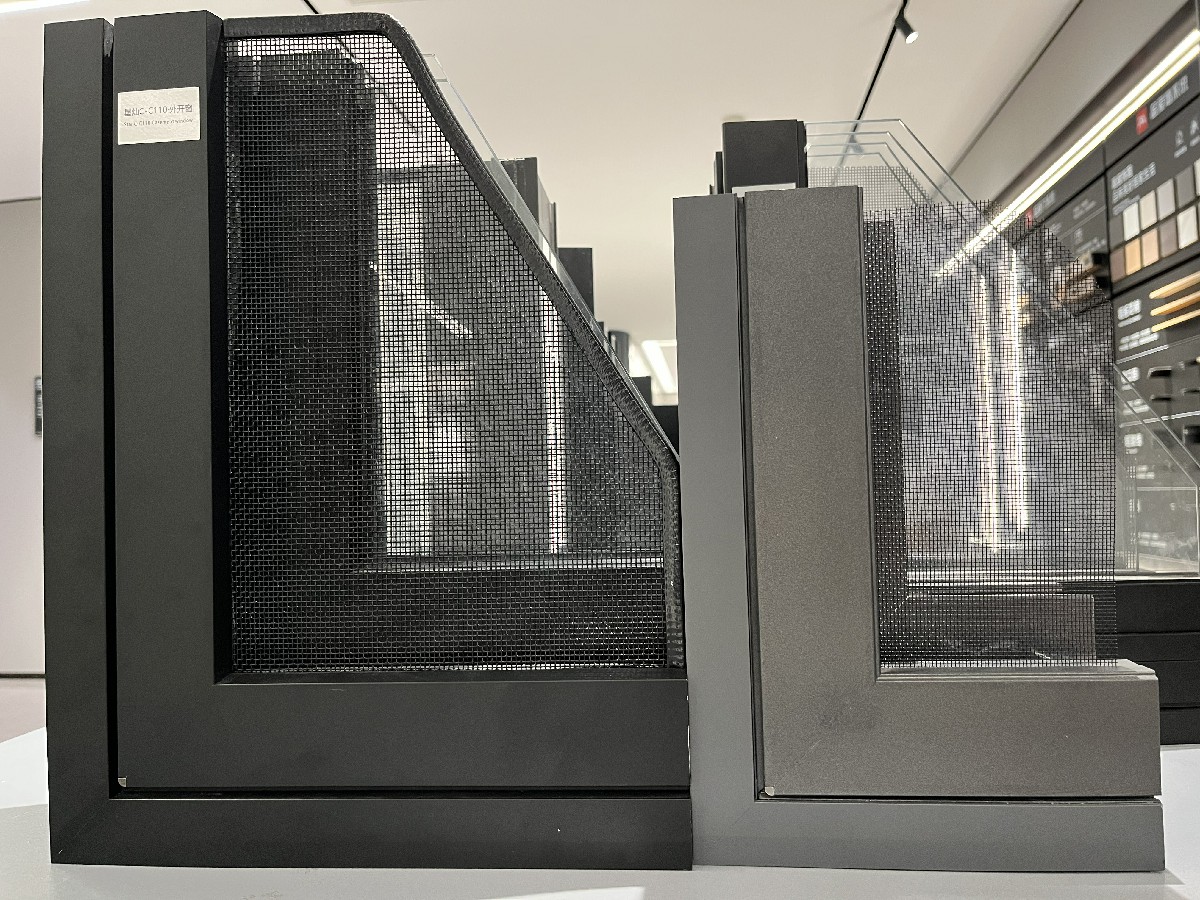
At PA Window and Door, our energy-efficient aluminum-framed floor-to-ceiling windows combine durability with advanced insulation. Our high-quality aluminum frames are equipped with a thermal break design, which adds an insulating barrier to reduce heat transfer, helping keep your home warmer in winter and cooler in summer. This translates to lower heating and cooling costs and a more comfortable indoor environment year-round. The strength of aluminum also allows for slim frames, so you can enjoy larger glass panes that let in more natural light without sacrificing structural integrity.
To optimize energy efficiency our standard windows come with double glazing to help with insulation and regulate interior temperatures. For those seeking maximum energy savings, we offer an optional triple glazing setup with a three-pane, two-chamber design. This configuration further improves insulation and reduces exterior noise. Of course, for extra security, our floor-to-ceiling windows are available with tempered glass. Plus, with your choice of clear glass, extra-clear glass for optimal brightness, and Low-E glass to reflect heat, our aluminum windows are designed for year-round comfort and sustainability.
How Much Do French Windows Cost?
The cost of floor-to-ceiling windows can vary widely, influenced by factors like materials, glass type, window size, and installation fees. Here’s a closer look at what affects the price:
Material Selection: Popular frame materials include aluminum, wood, and vinyl (PVC). Aluminum frames are favored for their durability and modern style, typically priced in the mid-range. Wood frames bring natural beauty and excellent insulation but are generally more costly. Vinyl frames offer a budget-friendly, low-maintenance option.
Glass Type: The type of glass significantly impacts price. Double-pane glass provides solid insulation and soundproofing at a moderate cost, while triple-pane glass boosts energy efficiency and noise reduction but is more expensive. Low-E glass, which blocks UV and infrared light to improve energy efficiency, also increases the price.
Size and Design: Larger windows naturally raise the cost, and custom designs, unique shapes, or additional hardware add to the price.
Installation Costs: Professional installation is critical for performance and safety. Installation fees vary depending on location, complexity, and the experience of the installers.
Cost-Saving Tips:
- Simplify the Design: Opting for standard designs without extras like grids or specialty glass can help reduce costs.
- Get Multiple Quotes: Comparing quotes from different suppliers can uncover more competitive offers.
- Plan for Off-Season Installation: Scheduling installations in less busy periods may give you access to seasonal discounts.
At PA Window and Door, standard aluminum floor-to-ceiling windows range from around $500 to $3,000 per window. Reach out to get a personalized quote and explore options for your project.
Cleaning and Maintaining Floor-to-Ceiling Windows
Cleaning Floor-to-Ceiling Windows
Keeping your floor-to-ceiling windows spotless not only brightens your space but also lets you fully enjoy the view. Many of these windows are designed without a center rail, making it simpler to clean the whole surface. Here’s how to keep both the inside and outside glass clear and sparkling:
Exterior Cleaning: If your picture windows are fixed, you’ll need to clean the outside glass from outside your home. To make this task easier, consider choosing windows that allow interior access for cleaning, such as casement or tilt-wash double-hung windows. These styles can be as tall as 8 feet and make it possible to reach the exterior glass without needing a ladder or extra tools.
Interior Cleaning: Floor-to-ceiling windows that extend to the floor often need more frequent cleaning, especially in high-traffic rooms or homes with kids and pets. For quick touch-ups, a microfiber cloth works well for removing smudges and fingerprints. Twice a year, use a soft cloth or squeegee with a gentle cleaner for a deeper clean to keep the glass in great shape.
Maintenance Tips for Longevity
Proper maintenance involves more than just cleaning; a little extra care helps keep your windows looking great and performing their best over the years:
Inspect Seals and Caulking: Check for any gaps, cracks, or worn caulking around your windows. Keeping the seals in good condition ensures they stay airtight and energy-efficient. Reapply caulk as needed to keep drafts and moisture out.
Check Frames: Look for signs of wear on aluminum or vinyl frames. If you have aluminum frames, protect them from moisture to avoid corrosion.
Hardware Care: For windows that open, lubricate the hinges, locks, and tracks occasionally to keep them moving smoothly and securely.
By sticking to a regular cleaning and maintenance routine, your floor-to-ceiling windows will stay clear, functional, and energy-efficient, allowing you to enjoy all the benefits of these expansive windows for years to come.
Conclusion
Choosing the right supplier for your floor-to-ceiling windows is key to achieving the best blend of style, quality, and functionality.At PA Window and Door, we’re here to help you find the ideal windows to elevate your space. Contact us at +8618814426346 to get started on creating a brighter, more open home.
FAQs
Floor-to-ceiling windows bring in abundant natural light, create an open and spacious feel, and offer stunning outdoor views. They enhance both the aesthetics and value of your home by seamlessly connecting indoor and outdoor spaces.
Yes, floor-to-ceiling windows can be energy efficient if you select options like double- or triple-pane glass, Low-E coatings, and thermal break frames. These features help regulate indoor temperatures, reduce heat transfer, and lower energy costs.
Absolutely. You can choose from various materials, glass types (e.g., Low-E, triple-pane), frame colors, and even unique design features like grids or muntins to match your home’s style.
Yes, high-rise installations usually cost more due to the need for reinforced glass, thicker frames, and additional safety measures to withstand wind loads. Professional installation in such settings may also require specialized equipment, adding to the price.
Tempered and laminated glass are excellent for safety and durability, as they resist shattering. For better insulation, triple-pane glass with gas fills between panes offers exceptional thermal efficiency, while Low-E glass protects against UV rays, preventing fading and enhancing the window’s lifespan.