Opening up the rear of your home and fully utilizing the garden is easily achieved with the right patio door. When considering the perfect type of door to enhance your outdoor living space, you are often faced with two popular choices: French doors and sliding doors. Each option has its unique features and advantages, and the right choice largely depends on your personal preferences and specific needs.
At PA Window and Door, we understand that choosing the right door is a significant decision for your home, which is why we offer a wide range of options to meet your requirements. In this article, we will compare French doors and sliding doors in many parts. Whether you are renovating an existing property or building a new one, this guide will assist you in finding the ideal patio door that combines both style and practicality.
What Are French Doors?
French doors, originating from the 16th and 17th centuries in France, feature two sets of vertical glass panels. These panels align with each other but can also slide horizontally into the wall when not in use. They are constructed from durable materials such as wood, vinyl, or aluminum, and are designed to swing either inwards or outwards depending on the installation setup. Both fixed and operable, the panels allow the doors to open in both directions, with at least one panel able to slide along tracks on either side of the frame. Commonly used as elegant entrances to patios, decks, or balconies, French doors enhance visibility and access to outdoor areas, making them a versatile and attractive choice for both traditional and modern architectural styles.

Types of French Doors
French doors come in various types, each offering unique characteristics that cater to different architectural styles and functional needs. At PA Window and Door, we offer a variety of French doors tailored to enhance the style and functionality of your home. Here’s an overview of the common types of French doors:
Swing French Doors
Swing french doors swing inward or outward and are hinged at the sides. Available in single or double door configurations, in-swing doors are a traditional choice that suits various architectural styles. The direction, known as the handing, is determined by the side of the hinge when viewed from outside; doors hinged on the left are left-handed.
Sliding French Patio Doors
A stylish alternative for those torn between the classic appeal of French doors and the convenience of sliding patio doors. Our sliding French patio doors are available in two, three, or four-panel configurations, accommodating openings up to 16 feet wide. This type combines the elegant appearance of traditional French doors with the space-saving benefits of a sliding system, making them ideal for expanding your entertainment area seamlessly.
Double-Hinged Exterior French Doors
Also known as double French doors, these feature two panels that swing either inward or outward from the center. This style is perfect for those looking for symmetrical aesthetics and the functionality of full access through both doors.
Bi-Fold French Doors
Bi-Fold french doors are made up of several panels that fold against each other when opened, much like an accordion. This type allows for creating a wide opening, making them perfect for connecting indoor spaces to expansive outdoor areas like backyards or patios.
What are the Advantages and Disadvantages of French Doors?
French doors are well-regarded for their distinctive design and functionality, offering several benefits while also presenting some challenges. Here’s a streamlined discussion of their advantages and disadvantages:

Advantages of French Doors
French doors add a classic elegance to any home, enhancing both its aesthetic appeal and functionality. Known for their large glass panels, they flood interior spaces with natural light, making rooms appear more spacious and welcoming. This design not only increases visibility to outdoor areas but also facilitates a seamless transition between indoor and outdoor spaces, ideal for entertaining and enjoying natural surroundings. Additionally, French doors can be equipped with screens to allow for fresh air without the intrusion of insects. Their versatility in design and material choices, including options like decorative or simulated divided lites, allows them to complement both traditional and modern architectural styles while potentially improving energy efficiency through tight weatherproofing and air sealing.
Disadvantages of French Doors
French doors also have several disadvantages. They require a significant amount of space to swing open, which can make them impractical in smaller or cluttered rooms, where they might block essential areas or interfere with nearby furniture. These doors are often more expensive due to the complexity of their design and the high-quality materials needed. Maintaining them, especially those made from wood, requires frequent upkeep to prevent weathering and keep them looking their best. While the large glass panels add to their aesthetic appeal, they can also present security challenges, though many modern French doors now feature reinforced glass and robust locking mechanisms to mitigate this risk. Additionally, the substantial build of French doors demands sturdy frames and hinges, which can complicate installation and increase costs, potentially making them less appealing for those with limited budgets or structural constraints.
What Are Sliding Doors?
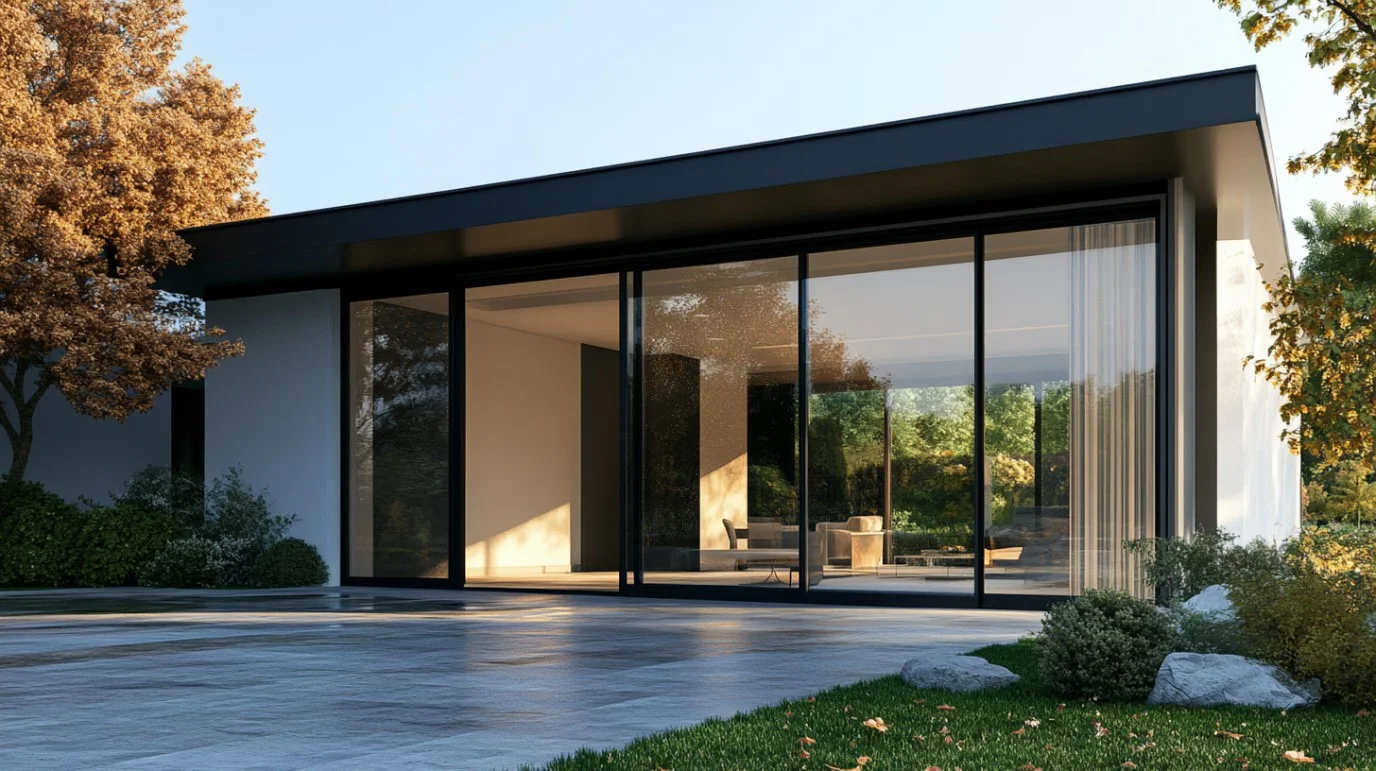
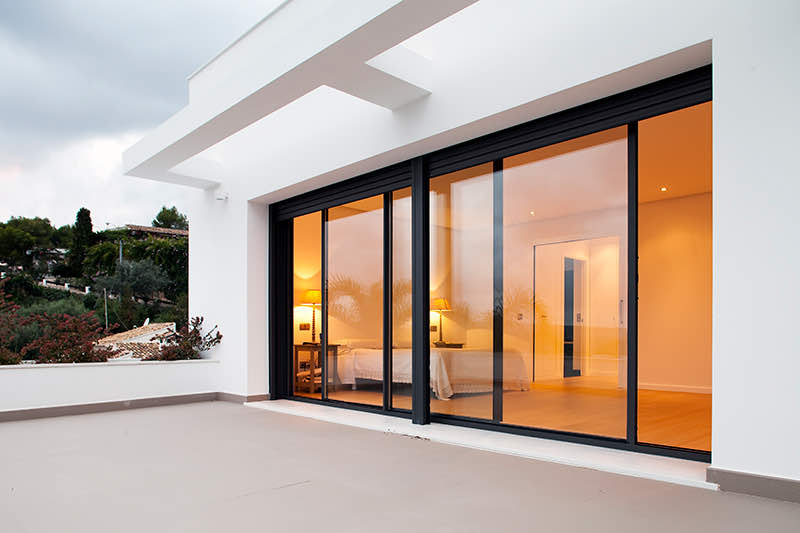
Sliding doors, a hallmark of mid-20th-century modern architecture, feature expansive glass panels that glide smoothly along a horizontal track at the door frame’s base. Originating as a key element in ranch-style homes, these doors facilitated the seamless integration of indoor and outdoor spaces, complementing features like floating staircases and built-in planters. Typically found as entrances to patios, decks, or balconies, sliding doors offer uninterrupted views of the outdoorsCrafted primarily from materials like glass and wood, sliding doors operate by sliding laterally within the frame, maximizing views and space efficiency. This design feature proves especially advantageous in environments where room layout or passage obstruction is a concern. While some sliding doors retract into the wall to create a fully unobstructed opening, others slide parallel to fixed or additional sliding panels.This adaptability and the ability to maintain an uncluttered environment position sliding doors as an ideal alternative to French doors, particularly in spaces where space conservation is paramount.
What are the Advantages and Disadvantages of Sliding Doors?
Sliding doors are a popular choice for many modern homes and offices due to their sleek design and practicality. However, like any architectural element, they come with both benefits and drawbacks. It’s important to consider these factors to determine whether sliding doors are the right fit for your space.
Advantages of Sliding Doors
Sliding doors are highly space-efficient as they slide parallel to the wall without requiring clearance to swing open, making them ideal for areas with limited space. They also offer aesthetic appeal with large glass panels that allow more natural light into a room and provide clear views of the outdoors, enhancing the overall look and feel of any space.
Disadvantages of Sliding Doors
One major drawback of sliding doors is their limited ventilation, as they cannot be opened from the top or bottom, which can lead to increased indoor temperatures during hot weather. Additionally, the sliding mechanisms are prone to wear and tear over time, leading to potential difficulties in opening and closing the doors smoothly. Security can also be a concern if the doors are not properly locked, as they may be easier to breach than more traditional door types. To address these issues, PA Window and Door uses heavy-duty roller systems for easier operation and top-hanging screen doors to prevent track blockages.
Comparison of French doors and Sliding doors
Choosing the right door type for your home involves balancing design preferences, space requirements, and functional needs. Sliding doors and French doors are popular choices, each offering distinct benefits that cater to different architectural styles and personal tastes. Here’s a comprehensive comparison to help you decide which door style is the best fit for your home.

Design and Visual Appeal
Sliding doors are particularly beneficial in modern homes where space and unobstructed views are priorities. These doors typically feature large glass panels that provide a clear view of the outdoors, creating an illusion of a more spacious interior. This style is perfect for those who appreciate a sleek, contemporary look without the constraints of traditional door mechanisms. Additionally, sliding doors can incorporate built-in blinds for privacy and light control, making them both functional and easy to maintain.
French doors, characterized by their classic charm, are perfect for traditional or historic home styles. These doors are typically designed with multiple small glass panes, divided by grilles, providing a more ornate and elegant appearance. French doors can significantly enhance a home’s aesthetic by adding a touch of sophistication and allowing for various customization options like frosted glass for privacy or different grid patterns to match architectural details.
Space Efficiency and Installation Considerations
In terms of space efficiency, sliding doors excel as they operate on a track, sliding horizontally without requiring extra space for door swing. This feature makes them ideal for smaller spaces or areas where furniture placement near the door is necessary. They are particularly useful in balconies, patios, or any area where space is at a premium.
French doors need space to swing open, which can be a drawback in compact areas. However, they are advantageous for situations where a wide, unobstructed opening is required. This makes them ideal for environments where frequent large gatherings occur or where large items need to be moved in and out. The wider opening also facilitates better ventilation, making French doors a popular choice for back or front entryways.
Material and Maintenance
Sliding doors are often made from materials like aluminum and vinyl, which are durable and require minimal maintenance. These materials also help in enhancing the door’s energy efficiency by providing good insulation and reducing air leakage.
French doors often use wood or fiberglass, adding to the aesthetic but requiring more maintenance. Wood frames may need regular staining and treatment to prevent weather damage, whereas fiberglass offers a middle ground with less upkeep and good durability.
Frame Width
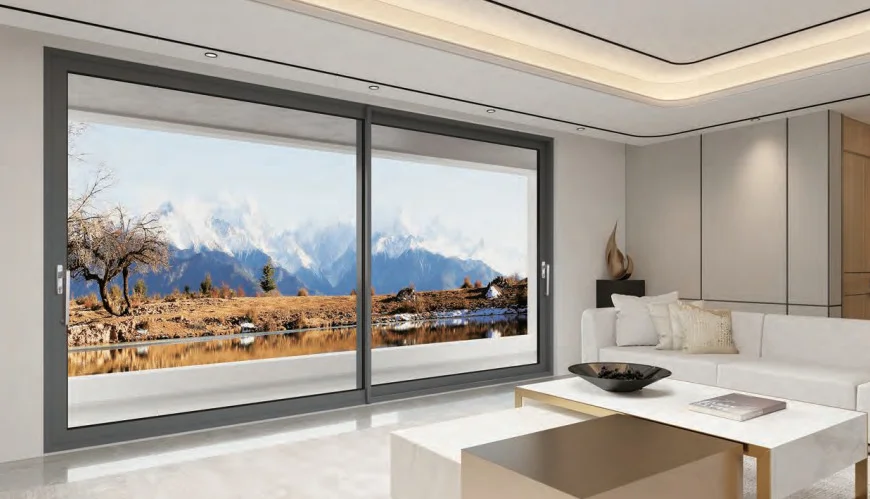
Sliding doors are known for their slim profiles, largely due to the lack of hinges and the nature of their operation along a track. This design allows for larger panes of glass within smaller frame widths, maximizing natural light and providing expansive views with minimal obstruction. The streamlined frame not only enhances modern architectural styles but also contributes to a feeling of openness and space efficiency, which is particularly beneficial in tighter spaces.
Conversely, French doors feature wider frames to accommodate the hinge system needed for their operation. This traditional design can sometimes reduce the amount of natural light entering through the door when closed, as the wider frames can obstruct views to a certain extent. However, the aesthetic appeal of French doors with their classic and robust appearance can complement more traditional or heritage home styles effectively. It’s crucial to consider the space required for the door swing in your room layout, as French doors need clear space to open fully, which could limit the placement of furniture near the doorway.
Hardware Options
The operational mechanisms of the doors also differ significantly. French doors typically use a lever-based system that requires turning a handle to unlock the doors from the frame, allowing them to swing open. This style of operation might appeal to those looking for an elegant solution that aligns with classic design elements. The hardware itself can be a focal point, often styled to match the overall aesthetic of the door.
Sliding doors, on the other hand, generally require less intricate hardware. A simple handle that is used to slide the door along its track is sufficient, which enhances the door’s clean lines and minimalistic design. This type of handle provides a practical solution for quick and easy access, making sliding doors particularly suitable for areas with frequent traffic or where quick outdoor access is needed, such as kitchens or living rooms leading to patios.
Threshold Size
Sliding doors typically have a higher threshold due to their track system, which may present a slight obstacle in high traffic areas or for those with mobility issues. This feature ensures the door’s smooth operation but requires consideration regarding accessibility. In contrast, French doors usually have a lower, less obtrusive threshold, making them easier to traverse, a feature often unnoticed yet appreciated for seamless indoor-outdoor transitions.
Accessibility
In terms of accessibility, sliding doors are often easier to operate because they glide horizontally with minimal effort and do not require additional space for door swing. This makes them a practical choice for homes where ease of access is a priority, such as in senior living or where space constraints exist. French doors, while offering a grand and open appearance, may pose challenges for accessibility due to their swing-out mechanism, which might not be suitable for all users.
Ventilation and Privacy
Both door types offer excellent ventilation options but differ in control and extent. Sliding doors allow for partial opening, which means you can adjust the door slightly to provide gentle airflow without fully exposing your home to outdoor elements, maintaining more controlled ventilation and privacy. French doors, when opened, provide substantial airflow due to their wide opening, ideal for enhancing air circulation during warmer seasons but may compromise privacy and thermal control when fully opened.
Energy Efficiency
Sliding doors are typically more energy-efficient due to their tighter seals and smaller frame-to-glass ratios, which help minimize heat transfer between indoor and outdoor environments. This makes them particularly suitable for regions experiencing extreme weather conditions. French doors, with their larger frames and potential for air leakage, might not perform as well in terms of energy conservation, although modern advancements in weatherstripping and double-glazing have significantly improved their energy performance.
Security
Both sliding and French doors can be equipped with advanced security features, but their mechanisms differ significantly. French doors often feature a multi-point locking system, which engages locks at multiple points on the frame, making them exceptionally secure against forced entry. They also typically include security hinges that interlock when the door is closed, adding an extra layer of protection. In contrast, sliding doors rely on robust locking mechanisms that can include double locking points and can also be fitted with additional security bars or smart locks that enhance their resilience against break-ins.
Noise Reduction
Regarding noise reduction, both types of doors offer benefits that can help maintain a peaceful indoor environment. Sliding doors provide excellent sealing properties that reduce sound transmission, thanks to their large continuous glass panels and tight fits. French doors, especially those equipped with double-glazed glass, are also effective in noise reduction, combining the aesthetic appeal with functional sound dampening.
Versatility
Sliding doors and French doors each offer unique advantages depending on the intended use and space availability. Sliding doors are particularly suitable for homes with limited space, offering a seamless transition between indoor and outdoor areas without requiring the space for doors to swing open. This makes them ideal for modern homes looking to maximize natural light and views. On the other hand, French doors are perfect for creating a grand entrance or adding a touch of elegance to your home. They are best used in situations where an expansive doorway is beneficial, such as in traditional homes or when opening onto large patios.
Cost Comparison
When considering the purchase of French doors versus patio doors, understanding their cost implications is crucial to align with your budget effectively. Both styles offer distinct advantages and potential costs that may vary depending on the specifics of your project.
The climate in your area can also play a significant role in choosing the right type of door. In regions prone to high winds, sliding patio doors are less likely to be blown shut compared to hinged French doors. If opting for hinged patio doors, consider their swinging direction—doors that swing outward might accumulate snow, affecting their functionality in snowy climates. Conversely, inward-swinging doors could bring moisture and debris indoors when opened.
The choice between French and patio doors largely depends on your preferences for price, space, design, and functionality. By considering these factors and utilizing available cost estimation tools, you can make a well-informed decision that complements both your budget and your home’s architectural style. Whether you opt for French doors or patio doors, either choice can significantly enhance the usability and appeal of your living space, ensuring both functionality and style.For those preferring a tailored approach, it is advisable to contact suppliers directly for a personalized quote based on your specific requirements. This allows for a detailed discussion of materials, designs, and additional features that might influence the overall cost.
Frequently Asked Questions (FAQs)
French doors are hinged and swing open, typically offering a classic, elegant look with potentially wider openings. Sliding doors operate on tracks, sliding horizontally, which saves space and can provide a more modern appearance.
Yes, both French and sliding patio doors come in various materials, colors, and finishes. You can customize glass types, frame materials, and hardware to match your home’s design and personal preference.
Yes, French doors can indeed be designed to function as sliding doors. This type of door is typically known as a “sliding French door” or “French sliding door.” It incorporates the classic design elements of traditional French doors—such as multiple panes or grids in a double door format—with the space-saving functionality of sliding doors. Sliding French doors are an excellent choice for those who appreciate the visual appeal of French doors but have spatial constraints that make traditional swing-out doors impractical. They provide a seamless blend of style and efficiency, making them suitable for various architectural designs and room layouts.
Generally, sliding doors tend to be more cost-effective compared to French doors. The cost difference can be attributed to several factors, including the design complexity and the materials used. Sliding doors typically require less hardware and can be made with simpler mechanisms, which reduces manufacturing costs. French doors, with their more intricate designs, multiple panes, and heavier materials, often come at a higher price. Additionally, the installation process for French doors can be more complex and labor-intensive, potentially increasing the overall cost. However, prices can vary based on the materials, glass type, and customization options chosen, so it’s advisable to get quotes based on your specific needs and preference.
The safety of French doors versus sliding doors depends largely on their construction, the quality of materials used, and the locking mechanisms installed. Generally, both can be equipped to provide a high level of security, but there are some distinctions:
Sliding Doors: Modern sliding doors often come with multi-point locking systems that lock the door at various points along the sliding track, providing substantial security against forced entry. The use of reinforced or laminated glass can also enhance their security, making them more resistant to break-ins.
French Doors: French doors can also be very secure, particularly when equipped with high-quality deadbolts and a multi-point locking system that secures the doors at the top, middle, and bottom. Like sliding doors, the security of French doors can be increased with the use of impact-resistant glass and sturdy frames.