Have you ever wondered what that small, glass-filled window above a kitchen sink is called? A garden window is a popular home feature that extends outward from the wall, creating a bright space for plants, decorations, and everyday items.
Unlike a standard window, a garden window adds depth, natural light, and a unique design element to a room. But before installing one, many homeowners want to know how much it costs, what benefits it offers, and whether it is the right fit for their home.
What Is a Garden Window?
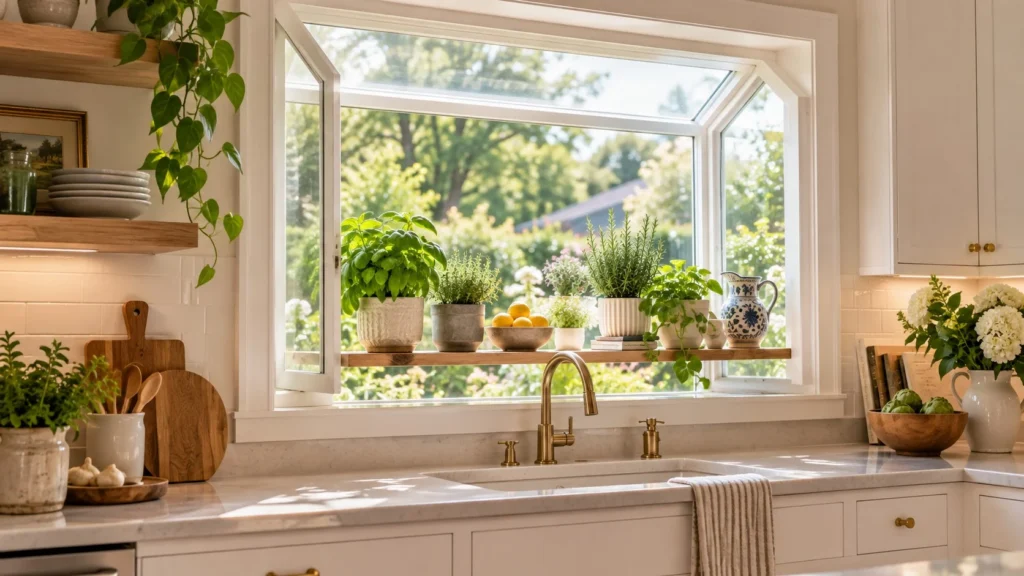
A garden window is a box-shaped window that projects outward from the exterior wall of a home. Unlike traditional flat windows, it creates a small shelf-like area inside the room by extending beyond the wall line.
Most garden windows feature a fixed front glass panel, two operable side windows, and a sloped glass roof. This design allows sunlight to enter from multiple directions while creating a dedicated space for plants, decorations, or small household items.
The concept behind garden windows is similar to a small indoor greenhouse. They were originally designed to maximize sunlight exposure and provide homeowners with a place to grow plants indoors, especially in areas such as kitchens where natural light and fresh herbs are highly desirable.
Today, garden windows are commonly installed in kitchens, breakfast areas, and other rooms where homeowners want additional light and a unique architectural feature without the larger size of a bay window.
How Much Does a Garden Window Cost?

The cost of a garden window depends on several factors, including the window size, frame material, glass type, and installation requirements. On average, homeowners can expect to pay around $1,200 to $3,650 for a professionally installed garden window, with many projects costing approximately $2,500. Larger custom designs or premium materials may increase the total price.
Compared with standard replacement windows, garden windows are usually more expensive because of their projecting design and additional glass panels. The installation process may also require extra work to ensure proper support, insulation, and weather sealing.
When choosing a garden window, it is important to consider more than just the upfront cost. Energy-efficient glass, durable materials, and professional installation can help improve long-term performance and reduce potential maintenance issues.
What Are the Pros of a Garden Window?
Garden windows offer several advantages that make them a popular choice, especially in kitchens and smaller living spaces.
More Natural Light
One of the biggest benefits of a garden window is the increased amount of sunlight it brings into a room. The front, side, and top glass panels allow light to enter from multiple angles, making spaces feel brighter and more open.
Extra Space for Plants and Décor
The extended design creates a small shelf area that is perfect for growing herbs, displaying flowers, or placing decorative items. Many homeowners install garden windows above kitchen sinks to create a convenient indoor gardening area.
Improved Ventilation
Many garden windows include operable side panels that can be opened to allow fresh air into the room. This can be especially useful in kitchens where ventilation is important.
Adds Architectural Interest
Unlike a traditional flat window, a garden window creates depth and dimension on both the exterior and interior of a home. It can become a unique design feature that enhances the overall appearance of a room.
Makes Small Spaces Feel Larger
The outward projection of a garden window adds visual space without requiring a major room renovation. It can help smaller kitchens or dining areas feel more spacious and connected to the outdoors.
What Are the Cons of a Garden Window?
Although garden windows offer more light and extra display space, they are not the right choice for every home. Their larger glass area and projecting design can make them more expensive than standard windows, and they may require more maintenance to keep the glass clean.
Because garden windows extend outward from the wall, proper installation is especially important. Poor sealing or incorrect installation can lead to issues such as drafts, condensation, or water infiltration over time. They also need enough exterior space and structural support, which may limit where they can be installed.
Garden Window vs. Bay Window
Garden windows and bay windows both extend outward from a home, but they serve different purposes. A garden window is typically smaller and designed to bring in sunlight while creating a space for plants or decorations. A bay window is larger and often used to create a wider view, additional seating, or a stronger architectural feature.
| Feature | Garden Window | Bay Window |
|---|---|---|
| Size | Smaller and more compact | Larger and extends farther outward |
| Main Purpose | Plants, herbs, and extra light | Views, seating, and added living space |
| Common Location | Kitchen, especially above sinks | Living rooms, dining rooms, and bedrooms |
| Design | Box-style with glass panels on multiple sides | Usually made of three or more angled window sections |
| Cost | Usually lower | Usually higher |
A garden window works well for homeowners who want a bright kitchen feature with a small indoor gardening area. A bay window is often a better choice for those looking to create a larger focal point or additional usable space.
What Are the Standard Garden Window Sizes?
Garden windows are available in several standard sizes to fit different home layouts and window openings. The most common sizes include:
- 24″ × 24″
- 30″ × 30″
- 36″ × 36″
- 36″ × 48″
- 48″ × 48″
The right size depends on the existing window opening, available wall space, and the location of the installation. Smaller garden windows are often used above kitchen sinks, while larger models can create a more noticeable design feature.
Custom sizes are also available for homes with unique layouts or homeowners who need a specific fit.
Best Materials for Garden Windows


Garden Window Design Ideas
A garden window can be more than just a source of natural light. Its extended space creates a small display area that can be customized to match different interior styles and everyday needs.
1
Kitchen Herb Garden
One of the most popular uses for a garden window is creating an indoor herb garden. The extra sunlight makes it a convenient spot for growing herbs such as basil, rosemary, mint, and parsley while keeping them within easy reach when cooking.


2
Decorative Plant Display
Garden windows provide the perfect space for small plants, flowers, and decorative items. Homeowners can use different heights, pots, and textures to create a layered display that adds character to the room.
3
Minimalist Window Display
For modern interiors, a simple arrangement of a few plants or carefully selected décor pieces can create a clean and organized look. A garden window’s natural light can enhance the appearance of minimalist spaces without adding visual clutter.


4
Small Indoor Greenhouse
With the right lighting and plant selection, a garden window can function as a small indoor growing area. It is especially useful for homeowners who want to bring more greenery into their homes but have limited outdoor space.
5
Seasonal Decorations

The extra shelf space also makes it easy to update the look of a room throughout the year. Small seasonal decorations, flowers, or holiday displays can turn the garden window into a changing focal point.
Are Garden Windows Energy Efficient?
Garden windows can be energy efficient when they are built with quality materials, insulated glass, and properly installed frames. Because they extend outward from the wall, they have more exposed glass area than standard windows, which makes glass performance especially important.
Many modern garden windows use double-pane or triple-pane glass, often combined with Low-E coatings and argon gas filling, to help reduce heat transfer and improve insulation. The frame material also affects efficiency, with options such as vinyl and fiberglass generally offering better thermal performance than standard aluminum frames.
However, energy efficiency also depends on installation quality. Poor sealing, gaps around the frame, or incorrect flashing can reduce performance and may lead to drafts or moisture issues. Choosing an ENERGY STAR® certified window and having it professionally installed can help improve long-term comfort and efficiency.
How to Repair Garden Windows?
Over time, garden windows may develop issues such as drafts, condensation, damaged seals, or difficulty opening and closing. Many minor problems can be repaired without replacing the entire window, depending on the condition of the frame, glass, and hardware.
Common garden window repairs include:
- Replacing worn weatherstripping: Damaged seals can allow air leaks and reduce energy efficiency. New weatherstripping can help improve insulation.
- Fixing condensation between glass panes: Moisture trapped between double-pane glass usually indicates a failed seal, and the insulated glass unit may need replacement.
- Repairing hardware problems: Hinges, locks, and window operators can often be replaced if the window becomes difficult to open or close.
- Sealing small leaks: Gaps around the frame can sometimes be repaired with exterior-grade caulk or sealant to prevent water intrusion.
If the garden window frame is severely damaged, warped, or has extensive water damage, replacing the entire unit may be a better long-term solution than repairing individual parts.
Are Garden Windows Still in Style?

Garden windows are still a popular choice for homeowners, especially in kitchens where natural light and functional space are highly valued. While traditional designs focused on creating a small indoor greenhouse area, modern garden windows now feature cleaner lines, slimmer frames, and improved energy-efficient glass options.
Today, garden windows work well with a variety of interior styles, including farmhouse, traditional, contemporary, and modern kitchens. Their ability to bring in more daylight and create a small display area keeps them relevant in current home designs.
Rather than being a short-lived trend, garden windows remain a practical design feature for homeowners who want a brighter room with a connection to the outdoors without making major structural changes.
Where Can I Buy a Garden Window?
Garden windows are available from window manufacturers, home improvement retailers, and professional window companies. The right choice often depends on the window style, material options, customization needs, and installation support.
Before purchasing a garden window, homeowners usually compare factors such as frame materials, glass options, window size, warranty coverage, and overall design. A well-designed garden window should not only fit the opening properly but also match the style and function of the room.
At PA Window, we offer a range of garden window solutions designed for different home styles and project needs. Our team can help you explore the latest garden window designs, customize options based on your space, and provide accurate pricing information for your project.
Contact PA Window today to get the latest garden window designs and a personalized quote.
FAQs About Garden Windows
Yes. Many garden windows include operable side panels that can be opened for ventilation. Fixed and non-opening models are also available depending on the design.
A properly installed garden window should not leak. Water issues usually occur because of poor installation, damaged seals, or aging weatherproofing.
Garden windows typically cost more than standard replacement windows because of their extended design and additional glass panels. The final price depends on size, materials, glass options, and installation.
Yes. A kitchen sink is one of the most common locations for a garden window. The extra sunlight and shelf space make it a popular choice for growing herbs or displaying plants.
Modern garden window designs often feature slim frames, minimalist plant displays, neutral décor, and energy-efficient glass. They can be styled with herbs, small plants, decorative items, or seasonal accents to match contemporary interiors.