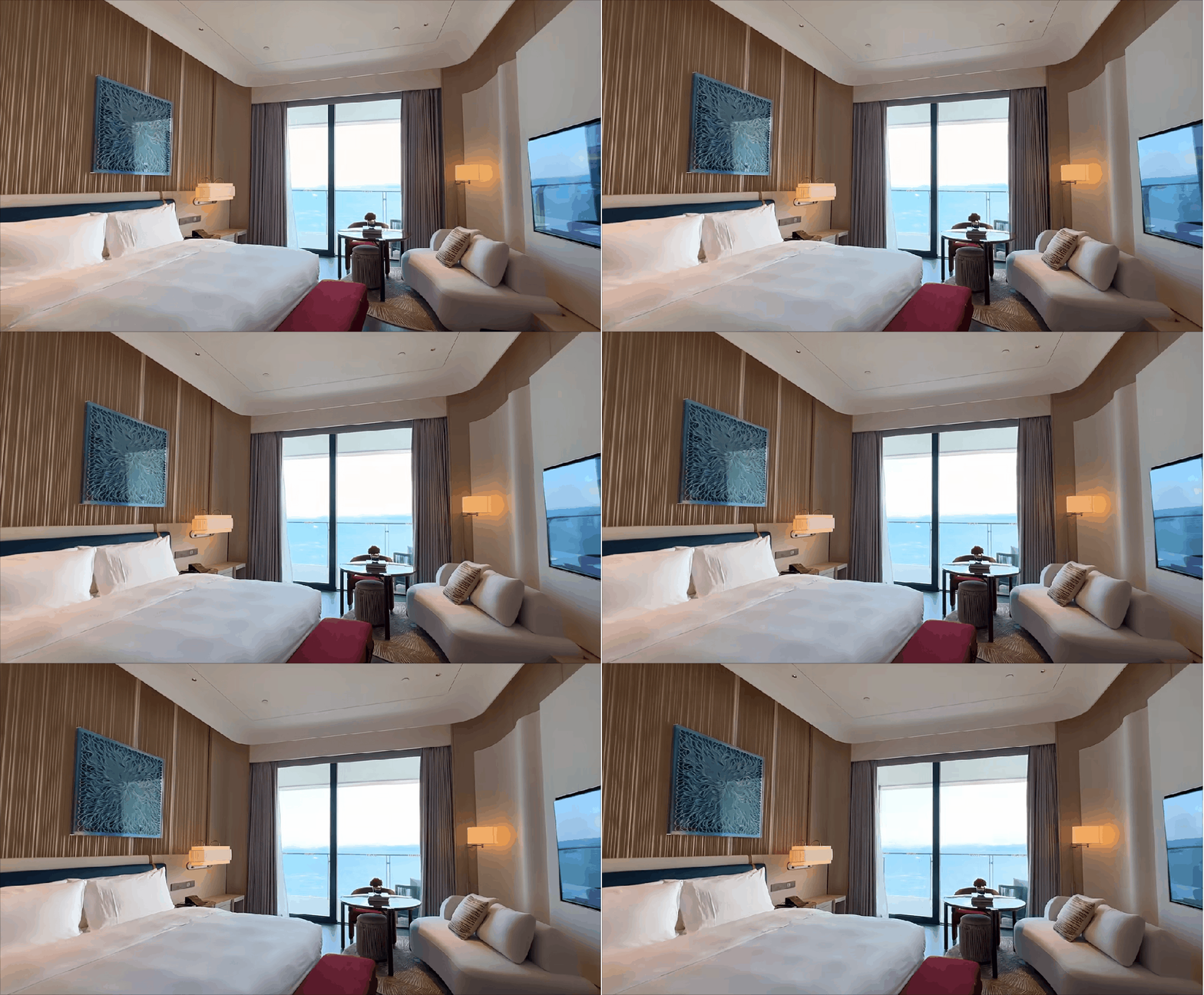
Skylights can transform any room by bringing in natural light and enhancing the architectural aesthetics of your home. Whether you’re considering adding skylights to your bedroom for a serene, starry night ambiance or to your kitchen for a bright, airy feel, understanding the types and features available is crucial for making the best purchase. This guide will walk you through everything you need to know to choose the perfect skylights for your bedroom and kitchen.
What is A Skylight?
A skylight is a window installed on the roof or ceiling of a building, designed to bring natural light into interior spaces. Available in various shapes, including rectangular, circular, and pyramid, skylights enhance the aesthetics of a room and improve energy efficiency by utilizing sunlight to reduce the need for artificial lighting and heating. They are particularly beneficial in areas without direct access to exterior walls, such as hallways and central rooms. Skylights come in several types, such as fixed, which are sealed shut, ventilated, which can open to allow air circulation, and tubular, which are ideal for smaller spaces. While they offer significant energy savings and aesthetic improvements, proper installation and maintenance are crucial to avoid issues like leaks that can lead to interior damage.

What are the Types of Skylights?
Skylights are a fantastic way to enhance natural light in a building, and they come in various types designed to meet different structural and aesthetic needs. Here’s a detailed look at the common types of skylights used in homes and commercial buildings:
Fixed Skylights
Fixed skylights are the most common type and are permanently sealed, meaning they do not open for ventilation. They are ideal for areas that require additional light but not extra ventilation. These skylights are especially popular in living rooms, offices, and other spaces where consistent natural light is desired without the need for airflow.
Ventilated Skylights
Also known as roof windows, ventilated skylights can be opened and closed to allow air to circulate in addition to providing light. They are ideal for kitchens and bathrooms where moisture can be an issue, as the ventilation helps to control humidity and enhance air quality. Ventilated skylights can be operated manually with a hand crank, or they can be equipped with motorized systems that allow for remote control, including automatic sensors to close them in case of rain.
Tubular Skylights
Tubular skylights are designed to bring light into small spaces or areas that need a concentrated beam of light. They consist of a tube that extends from the roof to the ceiling and a diffuser at the end that spreads light evenly throughout the room. These are perfect for hallways, walk-in closets, and other small or narrow areas where traditional skylights cannot be installed.
Domed Skylights
Domed skylights have a raised, clear, or opaque dome over a flat or curbed base, which helps to disperse light more evenly and can also offer better moisture resistance than flat glass. The dome shape is particularly resistant to impacts from hail or debris and is often used in regions susceptible to severe weather.
Pyramid Skylights
Pyramid skylights are typically four-sided and come to a point at the top, resembling a pyramid. They are usually installed on larger, flat roofs and can cover more expansive areas than other types of skylights. Pyramid skylights add a dramatic architectural element to any space and allow for a significant amount of natural light.
Barrel Vault Skylights
These are elongated, semi-circular skylights that arch over a defined space, creating a tunnel-like effect. Barrel vault skylights are often used in commercial settings, such as shopping malls or atriums, to illuminate large areas uniformly.
Custom Skylights
For buildings with unique architectural features or specific design requirements, custom skylights can be manufactured. These can vary greatly in shape, size, and functionality, ensuring they fit perfectly with the building’s design and meet the owner’s specific needs.
Each type of skylight offers unique benefits and can be chosen based on the specific requirements of a space, such as the need for ventilation, the amount of light desired, and the architectural style of the building. Proper installation and maintenance are crucial to ensure that the skylights function effectively and remain durable over time.
Choosing Skylights for the Bedroom
Choosing the right skylight for a bedroom involves several considerations to enhance both the aesthetics and functionality of the room. The bedroom is a personal sanctuary where both light and privacy are important, and the right skylight can transform it into a brighter, more inviting space. Here are detailed factors to consider when selecting a skylight for your bedroom:

Purpose of the Bedroom Skylights
Determine what you want to achieve with the skylight in bedroom. If you’re aiming for more natural light, a larger fixed skylight might be ideal. If you want to improve air circulation as well, consider a ventilated skylight that can be opened and closed.
Positioning and Size
The position of the skylight in your bedroom affects both the light’s quality and quantity. North-facing skylights provide constant but cool lighting, while south-facing skylights offer more warmth and light but may require shading solutions to prevent overheating in summer. The size of the skylight should be proportional to the room’s size; a skylight too large for a small room can cause excessive heat and glare.
Glazing Options
Selecting the right glazing is crucial for controlling light, heat, and UV exposure. Dual-pane or laminated glass provides better insulation and protects against UV rays that can fade furniture and fabrics. Some skylights come with tinted glass or built-in blinds or shades, which can help manage light intensity and provide privacy at night.
Ventilation Needs
In a bedroom, adequate ventilation is essential to ensure a comfortable sleeping environment. Ventilated skylights can be opened to let in fresh air and help regulate the room’s temperature. Consider skylights with built-in rain sensors that automatically close when it starts raining, which is particularly useful if you’re not always home to close them manually.
Energy Efficiency
Energy-efficient skylights can help reduce heating and cooling costs by providing natural light and warmth from the sun during colder months and preventing heat gain during the summer. Look for skylights with energy-efficient features such as low-E coatings, which reflect infrared light to keep the room comfortable throughout the year.
Style and Aesthetics
The style of the skylight should complement the overall design and decor of the bedroom. For a modern look, a sleek, frameless skylight might be the perfect choice. For more traditional spaces, consider skylights with wooden frames or custom designs that add to the room’s character.
Custom Skylights
For buildings with unique architectural features or specific design requirements, custom skylights can be manufactured. These can vary greatly in shape, size, and functionality, ensuring they fit perfectly with the building’s design and meet the owner’s specific needs.
Each type of skylight offers unique benefits and can be chosen based on the specific requirements of a space, such as the need for ventilation, the amount of light desired, and the architectural style of the building. Proper installation and maintenance are crucial to ensure that the skylights function effectively and remain durable over time.
Kitchen Skylights
A kitchen skylight is an architectural feature that brings natural light into the kitchen from above, transforming the space with sunlight and sometimes fresh air, if the skylight is operable. Here’s a brief overview of how a skylight can enhance a kitchen space:
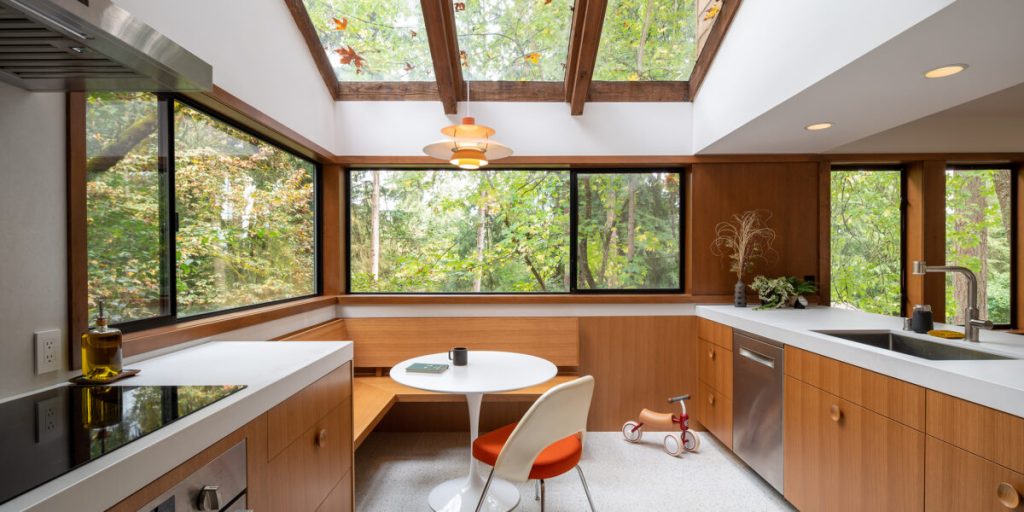
Benefits of A Kitchen Skylight
Increased Natural Light: Skylights allow a significant amount of natural light to flood the kitchen, reducing the need for artificial lighting during the day and making the space feel larger and more open.
Improved Ventilation: Operable skylights can open to allow fresh air to circulate, which is especially beneficial in the kitchen for venting out cooking odors and heat.
Energy Efficiency: With proper installation and the right materials, skylights can help maintain a comfortable temperature in the kitchen, reducing the need for heating in the winter and cooling in the summer.
Enhanced Aesthetics: Skylights can be a stunning architectural element, adding a modern touch to any kitchen design. They offer a view of the sky and can be a focal point in the room’s design.
Increased Property Value: Homes with well-designed skylights, especially in key areas like the kitchen, often have higher market values due to the desirable natural light and aesthetic appeal.
Cost and Budgeting of Skylights
When considering adding a skylight to your home, understanding the financial aspects is crucial. This section will help you navigate the costs associated with skylights and provide tips on budgeting effectively.

Initial Costs of Skylights
The cost of a skylight varies widely depending on several factors, including the type of skylight, materials used, and the complexity of the installation. Here’s a breakdown:
- Type of Skylight: Fixed skylights are generally less expensive than ventilated or tubular skylights. The added functionality of opening for air circulation in ventilated skylights increases the cost.
- Size and Shape: Larger and custom-shaped skylights will cost more due to increased material and manufacturing complexity.
- Materials: High-quality materials such as tempered or laminated glass and durable frames (aluminum, vinyl, or wood) are more costly but essential for energy efficiency and long-term durability.
Installation Costs
Installation costs can vary just as widely as the skylights themselves, influenced by:
- Roof Accessibility: Easier access to the roof can reduce installation costs.
- Roof Type: Installation on flat roofs may be less complicated and cheaper than on sloped or unusually shaped roofs.
- Local Labor Rates: Depending on your location, the cost of labor can significantly impact the overall expense.
Budgeting Tips
To effectively budget for a skylight, consider the following strategies:
- Get Multiple Quotes: Always obtain quotes from several contractors to ensure competitive pricing and quality service.
- Consider Long-term Benefits: While higher-quality skylights and professional installation might cost more upfront, they can provide greater energy savings and less maintenance over time.
- Look for Rebates and Incentives: Some local governments or utility companies offer rebates for energy-efficient home improvements, including skylights.
Hidden Costs
- Structural Modifications: Some installations may require additional framing or structural adjustments to accommodate the skylight, which can increase the overall cost.
- Long-term Maintenance: Factor in the cost of periodic maintenance, such as cleaning and replacing seals or treatments to prevent leaks.
Where to Buy Skylights?
Finding the right place to purchase skylights involves several factors, including the range of products offered, the quality of the materials, and the reliability of the supplier. Below, we explore how to choose the right supplier and where you can find skylights that fit your needs and budget.
Choosing the Right Supplier
Selecting the right supplier for your skylight is crucial for ensuring the quality and longevity of your investment. Here are some key considerations:
- Reputation and Reviews: Start by researching potential suppliers’ reputations. Look for reviews and testimonials from past customers to gauge the quality of the products and the level of customer service.
- Product Range: A good supplier should offer a wide variety of skylight types and options to fit different needs and preferences. Whether you’re looking for fixed, ventilated, or tubular skylights, they should have a range of products in various sizes and materials.
- Quality of Materials: The durability of a skylight greatly depends on the materials used. High-quality materials like tempered or laminated glass and sturdy frames (e.g., vinyl, aluminum, or wood) are essential for energy efficiency and durability.
- Certifications and Warranties: Check if the supplier offers products that meet industry standards and certifications. Warranties are also important as they provide a guarantee against defects and durability issues.
- Expertise and Support: Reliable suppliers not only sell products but also offer expert advice on selection, installation, and maintenance. Ensure the supplier has knowledgeable staff who can assist with your specific needs.
Finding the right place to purchase skylights involves several factors, including the range of products offered, the quality of the materials, and the reliability of the supplier. Below, we explore how to choose the right supplier and where you can find skylights that fit your needs and budget.
Conclusions
When choosing skylights for bedrooms and kitchens, factors such as the amount of natural light required, ventilation needs and energy efficiency must be considered. Evaluate various types of skylights (fixed, ventilated or ducted) to find the best option for your specific requirements. Choose an energy-efficient model with appropriate glass to minimize heat loss and increase energy savings. If you want to quickly find suitable bedroom skylights, kitchen skylights and other skylights, you can consult the staff of PA Window and Door. PA provides 24-hour online services and can answer your questions as soon as possible.
Frequently Asked Questions (FAQs)
Skylights can be installed on most types of roofs, including flat, sloped, metal, and tile roofs. However, the installation process and the type of skylight suitable may vary depending on the roof structure. It is essential to consult with a professional to determine the best type of skylight for your specific roof.
Yes, there are energy-efficient skylights available that are designed to minimize heat loss in the winter and reduce heat gain in the summer. Look for skylights with double-pane or triple-pane glass, low-E coatings, and argon gas fillings to maximize energy efficiency.
Fixed skylights do not open and are intended solely for adding natural light. Ventilated skylights can be opened, either manually or via motorized controls, to allow for air circulation in addition to light. Ventilated models are excellent for kitchens and bathrooms where moisture and air quality are concerns.
Some skylights, known as ventilated skylights, can be opened to allow air circulation. They can be operated manually with a rod, handle, or crank, or they can be motorized for automatic operation, often with sensors to close automatically in case of rain.
The size of the skylight should be determined based on the room’s size and ceiling height. A common rule is that the skylight size should be 5-10% of the floor area in rooms with many windows and up to 15% in rooms with few windows.