Replacing windows and doors requires precise measurements to ensure a perfect fit and smooth installation. Accurate measurements prevent costly mistakes and help you choose the right products for your home. This guide will walk you through the steps to measure both windows and doors for replacement, so you can be confident in your choices and ready for installation.
How Do You Measure Windows for Replacement
Measuring the Window Opening
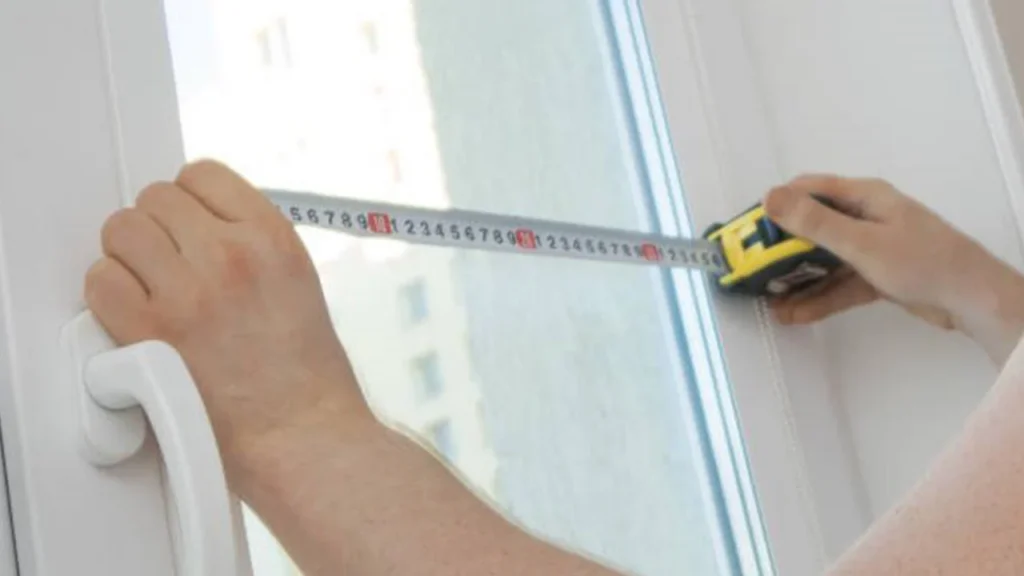
Start by measuring the window opening rather than the window itself. This is important because the new window will be installed into the opening, not the old frame or trim.
Begin by measuring the width at the top, middle, and bottom of the opening. Use the smallest measurement of the three. This ensures the window fits correctly, even if the opening has slight variations due to settling or wear over time. After that, measure the height of the opening, taking measurements at the left, center, and right. Again, use the smallest measurement for accuracy. It’s crucial to note that if the top and bottom measurements differ significantly, your window frame may be out of square, which could require additional adjustments.
Once you have these dimensions, record them clearly in both inches and millimeters to ensure no confusion later on, especially when dealing with manufacturers that may use different units of measurement.
Measuring the Window Depth
Window depth refers to the distance from the interior side of the window frame to the exterior wall. To measure this, simply use a tape measure and check the depth at several points along the window opening. Most standard windows will require at least 3¼ inches of depth, so if your window is shallower than this, it’s important to mention it to your supplier, as it may require a special window model designed for narrow spaces.
Different Types of Windows and How to Measure Them
Certain types of windows require a slightly different approach when measuring. Here’s a quick guide to the most common window types:
1. Double-Hung Windows
Measure the width and height of the frame opening at the top, middle, and bottom, using the smallest measurements.
If replacing the sash (movable part), measure the sash width and height separately.
2. Casement Windows
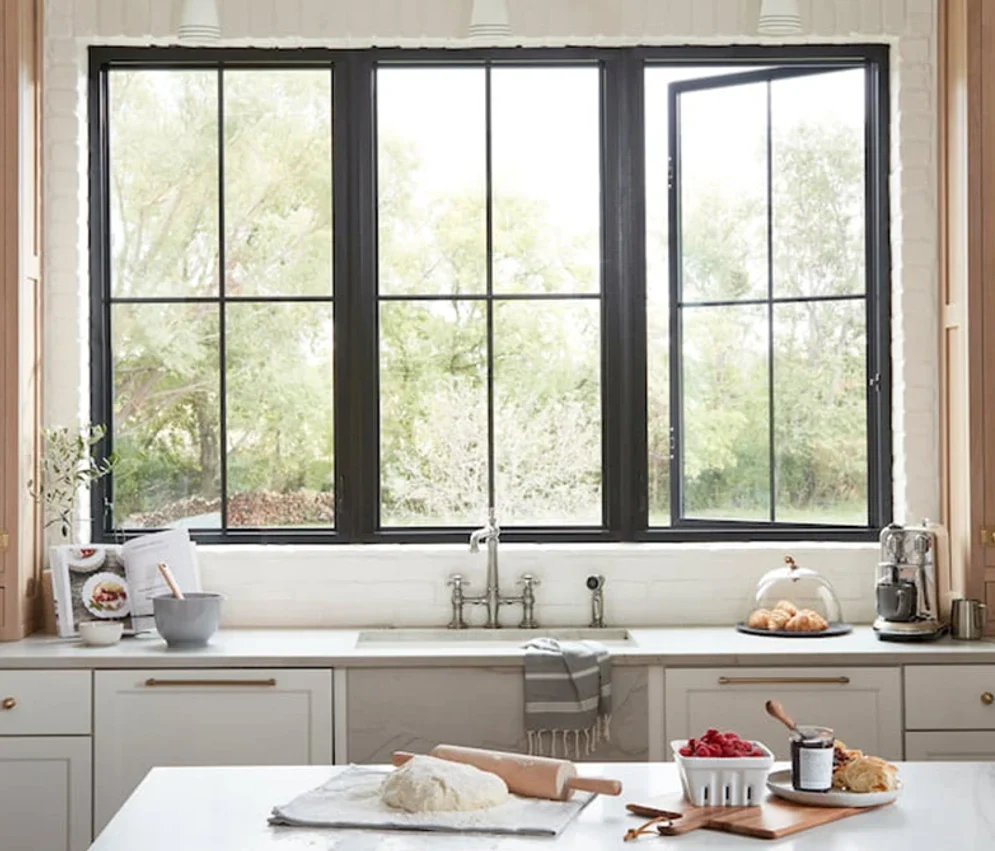
Measure the frame opening in the same way as double-hung windows, but pay extra attention to the hinge side for proper handing (left or right).
Measure the depth from the inside of the frame to the outside wall, as casement windows require more depth for the crank mechanism.
3. Sliding Windows
Measure the width and height of the frame opening at the top, middle, and bottom.
Note which panel is fixed and which is sliding.
4. Bay and Bow Windows
Measure the overall width and height of the opening.
For bay windows, measure each individual panel and note the projection (how far the window extends outward).
5. Arched Windows
Measure the overall width and height.
For the arch, you may need to measure the curve at different points to capture the correct shape, especially if it’s a custom design.
6. Specialty Windows (Round, Triangle, etc.)
Measure the overall opening width and height.
For round windows, measure the radius, and for triangular windows, note the angles to ensure a proper fit.
Important Considerations
When measuring for replacement windows, always keep in mind the following:
Trim and Casing: Ensure you’re measuring the rough opening, not including the trim or casing that may surround your existing window.
Square and Level: Check if the opening is square (measuring diagonals) and level (checking the sill and jambs). This ensures the new window will fit properly without extra adjustments.
Non-standard Shapes: For custom windows like bay, bow, or arched windows, you’ll need to take more detailed measurements, including the angles and projections.
How to Measure Doors for Replacement
Measuring the Door Slab (for Slab Replacement)
If you are only replacing the door slab (the door itself) and keeping the existing frame, you’ll need to measure the door leaf.
Step 1 – Measure Door Width
Close the door and measure from one vertical edge of the door to the other.
Measure at the top, middle, and bottom to ensure consistency across the slab.
Record the smallest width of the three measurements.
Step 2 – Measure Door Height
Measure from the top of the door to the bottom.
Don’t include any gap at the bottom if you have a threshold or flooring.
Again, measure at the top, middle, and bottom, and use the smallest height.
Step 3 – Measure Door Thickness
Measure the thickness of the door at the edge using a tape measure or caliper.
Most interior doors are typically 1⅜” (35 mm) thick, while exterior doors may be 1¾” (44 mm) thick.
This will ensure the new door slab fits properly in the existing frame.
Step 4 – Measure Lockset and Hinge Locations
Measure the distance from the top of the door to the center of the handle or lock hole.
Measure from the edge of the door to the center of the handle (this is called the backset).
For deadbolts, repeat these measurements for the deadbolt hole.
Step 5 – Hinge Measurements
Measure the distance from the top of the door to the top of each hinge.
Record the size of each hinge leaf as well. Typically, door hinges are 3½” × 3½” (89 mm × 89 mm).
This ensures the new door matches your existing hardware.
Measuring the Door Frame (for Prehung or Full Unit Replacement)
If you’re replacing the entire door unit, which includes the door slab and the frame, you’ll need to measure the door frame opening rather than just the door slab.
Step 1 – Measure the Frame Width (Jamb to Jamb)
Measure across the inside edges of the door frame from jamb to jamb (the vertical parts of the door frame).
Measure at the top, middle, and bottom of the frame and record the smallest width of the three.
Step 2 – Measure the Frame Height (Threshold to Head Jamb)
Measure from the top of the threshold (or finished floor) to the top edge of the head jamb (the top horizontal part of the frame).
Again, measure at the left, center, and right of the frame and use the smallest height.
Step 3 – Measure Jamb Depth
Measure from the inside face of the casing (interior trim) to the outside face of the door frame (exterior trim).
This tells you how thick your walls are and if the new door frame will fit properly.
Step 4 – Check for Squareness and Levelness
Check the frame for square by measuring both diagonals from top left to bottom right and top right to bottom left.
A small difference in measurements is normal, but a large difference means the frame is out of square, which could affect door alignment.
Use a level to check if the jambs are plumb (vertically straight) and the threshold is level.
If your frame is out of square or the walls aren’t straight, you may need to opt for a full-frame replacement rather than a slab-only replacement.
How to Determine Door Swing and Handing
Understanding the swing direction of your door is critical to ensuring it opens correctly in the desired direction.
Step 1 – Stand on the Push Side
Stand on the side of the door where you push the door to open it (this is often the exterior side for entry doors and the inside for interior doors).
Step 2 – Determine Swing Direction
Left-hand door: Hinges on the left and opens to the left.
Right-hand door: Hinges on the right and opens to the right.
For inswing doors, the door swings into the room, and for outswing doors, the door swings out.
If you’re unsure, try standing at the door to observe how it swings, or take a photo and ask your supplier to confirm.
Special Door Types and How They Affect Measuring
Some door types require special attention when measuring:
Double Doors (French Doors)
Measure the entire opening width and height of the frame.
Note which side is the active leaf (the door that opens).
Record the width of the active door and the fixed one.
Sliding Doors
Measure the full frame width and height.
Record how many panels there are and which one slides.
Doors with Sidelights and Transoms
Measure the overall opening (width and height).
Record the width of the door and each sidelight (the fixed glass panels next to the door).
Make sure to note if the sidelights are operable or fixed.
Final Tips for Measuring Windows and Doors
Double-check your measurements: Always measure twice to ensure accuracy. A small error in measuring can cause the new window or door to not fit properly.
Consider the type of replacement: Whether you’re replacing just the window or door slab or the entire unit, make sure to measure appropriately for each.
Use a trusted professional: If you’re unsure, it’s always best to have a professional measure your window or door opening to ensure a perfect fit.
Once you’ve taken your measurements, you’re ready to choose the right replacement option for your home. Ensure you provide your measurements to your supplier and always confirm the measurements before ordering to avoid mistakes during installation.
Conclusion
Accurate measurements are key to a successful window and door replacement. By following the steps outlined in this guide, you can ensure that your new windows and doors will fit perfectly, improving both the functionality and aesthetics of your home. Remember, double-checking your measurements and consulting a professional if needed can save you time and money in the long run.
If you’re ready to move forward with your window or door replacement, PA Window is here to help. With our expertise and wide range of custom solutions, we make the process simple and stress-free. Contact us today for a free consultation or visit our showroom to explore our products and get personalized advice for your project.
FAQs About Replacement for Windows & Doors
You should measure from the inside of the window opening. This ensures accurate measurements for the window frame, including the rough opening.
Measure the width and height of the window opening at the top, middle, and bottom. Use the smallest measurements to determine the size.
Measure the glass area by subtracting the frame dimensions. Measure the width and height of the visible glass, ensuring to exclude the frame.
A replacement window should be about ¾” to 1″ smaller than the rough opening to allow space for proper installation and insulation.
To order windows, start by measuring the rough opening, then choose the type and style of window that best suits your needs. You can either visit a showroom, like PA Window, for expert guidance or contact us directly to discuss your requirements. We offer custom solutions and help you select the perfect windows for your project.