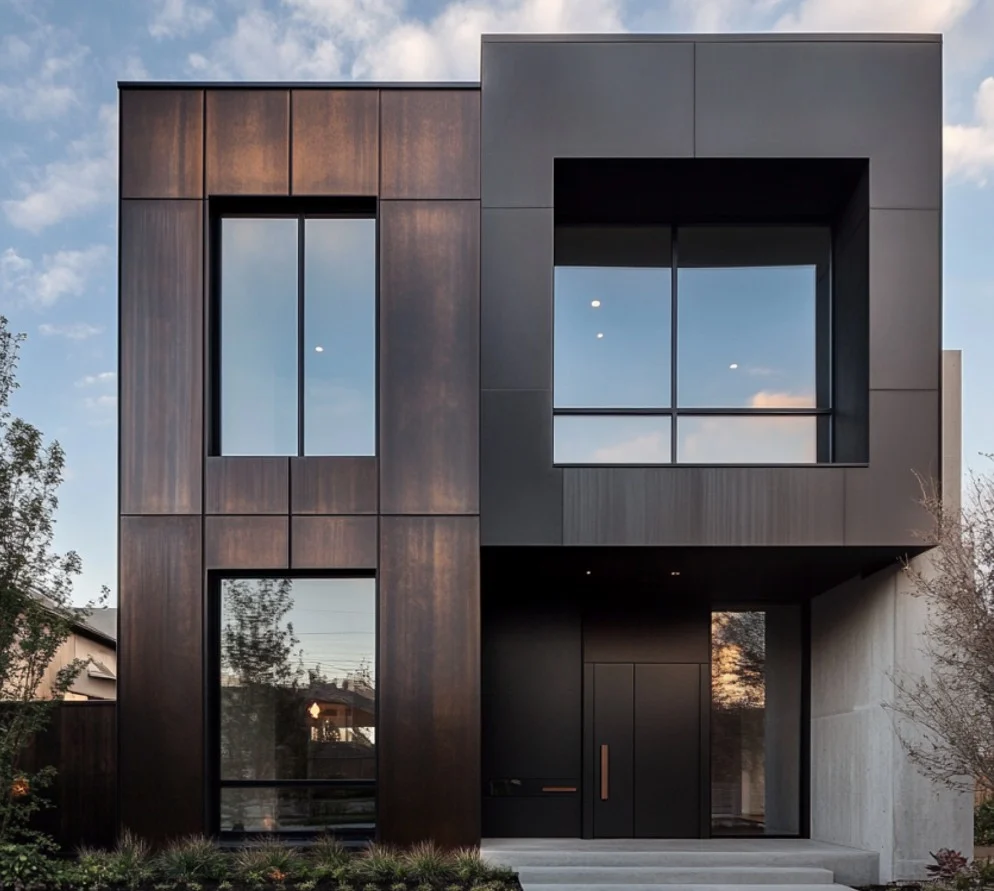
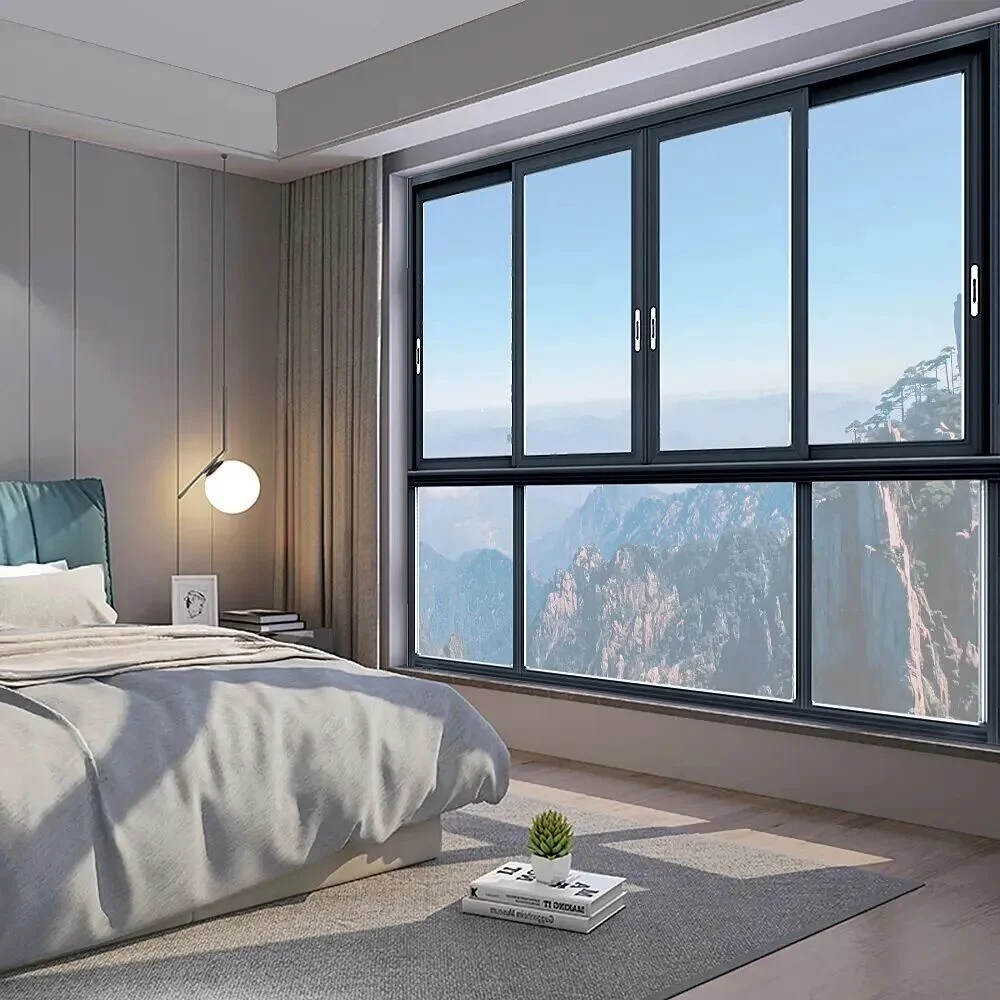
A window can quietly change the whole mood of a house. Make it taller, move it lower, slim down the frame, or change the glass, and the same room can suddenly feel brighter, calmer, or much more open.
That is what makes house window design so interesting in 2026. Some homes are going for large, almost invisible panes of glass. Others are bringing back arches, divided lights, and textured glass—but in a cleaner, more modern way.
Below are 20 home window design ideas worth looking at this year. Some are familiar, some are more architectural, but each one offers something useful beyond simply looking good.
1
Casement Windows
Casement windows are one of the most practical choices for everyday homes. Hinged on one side, they open outward and can catch passing breezes better than many sliding styles.
They also close firmly against the frame, which helps with weather sealing. Visually, they are simple enough to work with both traditional and contemporary architecture.
For a cleaner modern window design, use larger panes, fewer divisions, and a slimmer frame. Sometimes the simplest window is also the easiest one to live with.

2
Sliding Windows
Sliding windows remain popular for a simple reason: they are easy to use and take up very little space.
Because the sash moves sideways rather than swinging outward, they work well beside walkways, balconies, kitchen counters, and other areas where an open window could get in the way.
For a more modern appearance, keep the number of vertical divisions to a minimum. Wider panes and slim frames make a sliding window feel much calmer on the façade.

3
Awning Windows
Awning windows are hinged at the top and open outward from the bottom. They are useful when you want ventilation without opening a large part of the wall.
They are especially common in bedrooms, bathrooms, and kitchens. The outward angle can also help protect the opening during light rain.
In Australia, a familiar version is the hand-cranked awning window. A small chain winder at the base slowly pushes the sash outward, making it easy to control how far the window opens.
Paired with slim aluminum frames, this very practical window can still look clean and contemporary.

4
Hung Windows
Hung windows are a classic window style that has been used in homes for generations. They feature vertically moving sashes, making them a practical choice for traditional, transitional, and modern house designs.
The main difference comes down to how the sashes operate. A single-hung window has a fixed upper sash and a movable lower sash, while a double-hung window allows both the upper and lower sashes to move.
This simple design offers good ventilation control. Opening the lower sash allows fresh air to enter, while opening the upper sash can help warm air escape.
Hung windows also have a timeless appearance. With cleaner frames, larger glass areas, and fewer decorative details, they can fit surprisingly well into contemporary homes.

5
Tilt-and-Turn Windows
Turn the handle one way and the window opens inward like a casement. Turn it another way and the top tilts inward for gentle ventilation.
That makes them particularly useful in bedrooms, kitchens, and urban homes where you may want fresh air without leaving a window fully open.
Their exterior appearance is usually simple, which also makes them easy to combine with larger fixed panes. For a modern window design for home, that mix of function and clean geometry works very well.

6
Picture Windows
Picture windows keep things simple: one large pane, no opening hardware, and very little to interrupt the view.
They are a popular choice in modern house window design, especially when the goal is to frame a garden, landscape, or architectural view. Placement is often more important than size. A smaller window facing a beautiful tree can have more impact than an enormous pane facing a blank wall.
If ventilation is still needed, pair it with a casement or awning window nearby.

7
Bifold Windows
Bifold windows are designed to open a space up.
Several panels fold neatly to one side, creating a wide opening between indoors and outdoors. They are especially useful over kitchen counters, outdoor bars, and entertaining areas.
This is one of those window designs that can genuinely change how a room is used. Open it, and the kitchen becomes part of the patio. Close it, and the glass still keeps the space bright.
They make the most sense where there is a real connection between the interior and an outdoor living area.

8
Bay Windows
A bay window projects outward from the wall, giving the room extra depth as well as a wider view.
That little bit of extra floor area can become surprisingly useful. It might hold a window seat, a reading corner, a breakfast table, or simply create more breathing room in a small living space.
Modern bay windows tend to use larger panes and cleaner frames than older versions.
If you like the idea but not the traditional look, reduce decorative grilles and keep the geometry simple.

9
Bow Windows
Bow windows are closely related to bay windows, but their shape is softer.
Instead of a few strong angles, several narrower panels form a gentle curve. From inside, this gives you a wider, more continuous view. From outside, the projection feels more flowing and less geometric.
They are especially attractive in living rooms and bedrooms where you want the window itself to become part of the architecture.
The curved space also works beautifully for plants, a reading seat, or a quiet corner by the glass.

10
Skylights and Roof Windows
Sometimes the best place for a window is not on the wall at all.
In a thoughtful house window design, skylights can solve lighting problems that ordinary wall windows cannot. They are especially useful in stairwells, lofts, bathrooms, corridors, and rooms deep inside the floor plan.
The light feels different too. Instead of coming strongly from one side, it can spread more evenly through the space.
The main thing to watch is heat and glare. A well-positioned skylight can transform a dark room; too much overhead glass can make that same room uncomfortable.

11
Clerestory Windows
Clerestory windows sit high on the wall, usually above eye level.
They are a smart way to bring in daylight while keeping privacy. That makes them useful in bathrooms, bedrooms, hallways, and homes built close to neighboring properties.
They also leave the lower part of the wall free for cabinets, furniture, artwork, or a bed.
A long horizontal row can look particularly strong from the outside. It gives the façade a clean rhythm without relying on oversized glass.

12
Corner Windows
Corner windows can make a room feel much more open without turning the whole wall into glass.
Because the view continues around the corner, the room feels less enclosed and receives light from two directions. They work especially well in bedrooms, reading corners, and home offices.
The cleaner the corner detail, the stronger the effect.
This type of window is most successful when there is something worth seeing on both sides. A corner window should reveal a view, not simply create a clever shape.

13
Floor-to-Ceiling Windows
Floor-to-ceiling windows have become a defining feature of many contemporary homes.
In house window design, their real value is not simply the amount of glass. It is the way they connect a room with its surroundings. A garden, courtyard, tree, or open landscape can become part of the interior.
But bigger is not always better. Strong afternoon sun, privacy, shading, and the quality of the view should all influence the final size.

14
Window Walls
A window wall takes the idea of a large window one step further.
Several fixed and operable panels are designed together as one continuous composition, often stretching across most of a wall.
The effect can be dramatic in living rooms facing gardens or wide landscapes. It also makes the wall feel lighter and gives the room a stronger connection to the outside.
Still, a good window wall needs balance. Too much glass can create glare, heat, and privacy problems.
The goal is not simply “more glass.” It is to make the whole wall feel intentional.

15
Slimline Windows
Slimline windows are all about seeing more glass and less frame.
They suit contemporary homes particularly well, where clean lines and uninterrupted views matter. Narrow aluminum profiles can make even a fairly ordinary opening feel lighter and more refined.
A large fixed pane combined with a narrow opening section is often a good solution. You keep the broad view while still getting ventilation.
Just remember that the frame still has a job to do. Structural strength, drainage, weather resistance, and thermal performance matter as much as how thin it looks.

16
Modern Arched Windows
Arched windows are finding their way back into modern homes, but with much less decoration.
For homeowners looking for a more distinctive house front window design, an arch can soften a façade filled with straight lines without making it feel overly traditional.
You do not need many of them. One tall arched window on a staircase or a matching pair on the front elevation can be enough.
A good arch feels architectural. Too many can quickly feel decorative.

17
Glass Block Windows
Glass blocks are returning in a quieter, more considered way.
Their real strength is practical: they allow daylight through while obscuring the view. This makes them useful in bathrooms, staircases, entrances, and homes built close to their neighbors.
The newer look is more restrained than the large glass-block walls of decades past.
A narrow vertical panel or a small feature opening is often enough to create texture and filtered light.
Because glass block already has a strong visual character, simple surrounding materials usually work best.

18
Textured Glass Windows
Not every window needs a clear view.
Fluted, reeded, patterned, or softly obscured glass can bring in daylight while giving a room more privacy. It also adds texture without requiring curtains or blinds to do all the work.
This makes textured glass especially useful in bathrooms, entrances, staircases, and street-facing rooms.
For a more refined result, use it selectively.
One textured panel next to clear glass can feel much more intentional than covering every window with decorative glazing.

19
Pivot Windows
Pivot windows rotate around a central or offset hinge instead of opening from the side.
That simple change gives them a much more architectural presence. When open, the pane seems to cut through the wall rather than swing away from it.
They suit contemporary houses where the window itself is meant to become a design feature.
Larger proportions usually work best because they make the pivot movement easier to appreciate.
It is not the most conventional choice, but in the right space it can turn an ordinary opening into something memorable.

20
Louvre Windows
Louvre windows use a series of horizontal glass blades that tilt open together.
They are especially useful in warm and humid climates because they can move a large amount of air through a relatively compact opening. For climate-responsive home window design, they can be far more practical than choosing a window purely for appearance.
Modern aluminum frames also make them much cleaner than older louvre styles, so they work well in bathrooms, utility areas, and naturally ventilated homes.

Conclusion
The right window design should suit both the look of your home and the way you live in it. Whether you prefer clean modern frames, classic shapes, or larger openings that bring in more light, the best choice is always one that balances style, comfort, and practicality.
For more house window design ideas, custom options, or project pricing, contact PA Window to discuss your space and get a tailored window solution and quotation.
FAQs About House Window Design
There is no single best option for every house. Casement windows are great for ventilation, sliding windows suit compact spaces, picture windows work well for views, and awning windows are useful where you want airflow with some rain protection. The best house window design depends on the room, climate, view, privacy, and how you use the space.
Slimline frames, large picture windows, floor-to-ceiling glazing, corner windows, and simple casement windows all work well in modern homes. The key is usually clean proportions and fewer unnecessary divisions rather than choosing the most complicated window style.
Casement and louvre windows are both strong choices for ventilation. Casement windows can catch passing breezes, while louvre windows allow a large amount of airflow through adjustable blades. Awning windows are also useful when you want controlled ventilation in bedrooms, bathrooms, or kitchens.
Sliding, clerestory, and picture windows can work particularly well in smaller spaces. Sliding windows do not need swing clearance, while clerestory windows bring in light without taking up useful wall space. A well-placed picture window can also make a small room feel more open.
Start with the proportions of the façade rather than looking at each window separately. A good house front window design should consider alignment, spacing, frame color, window height, and the relationship between windows and doors. Too many unrelated shapes can make the exterior feel busy.