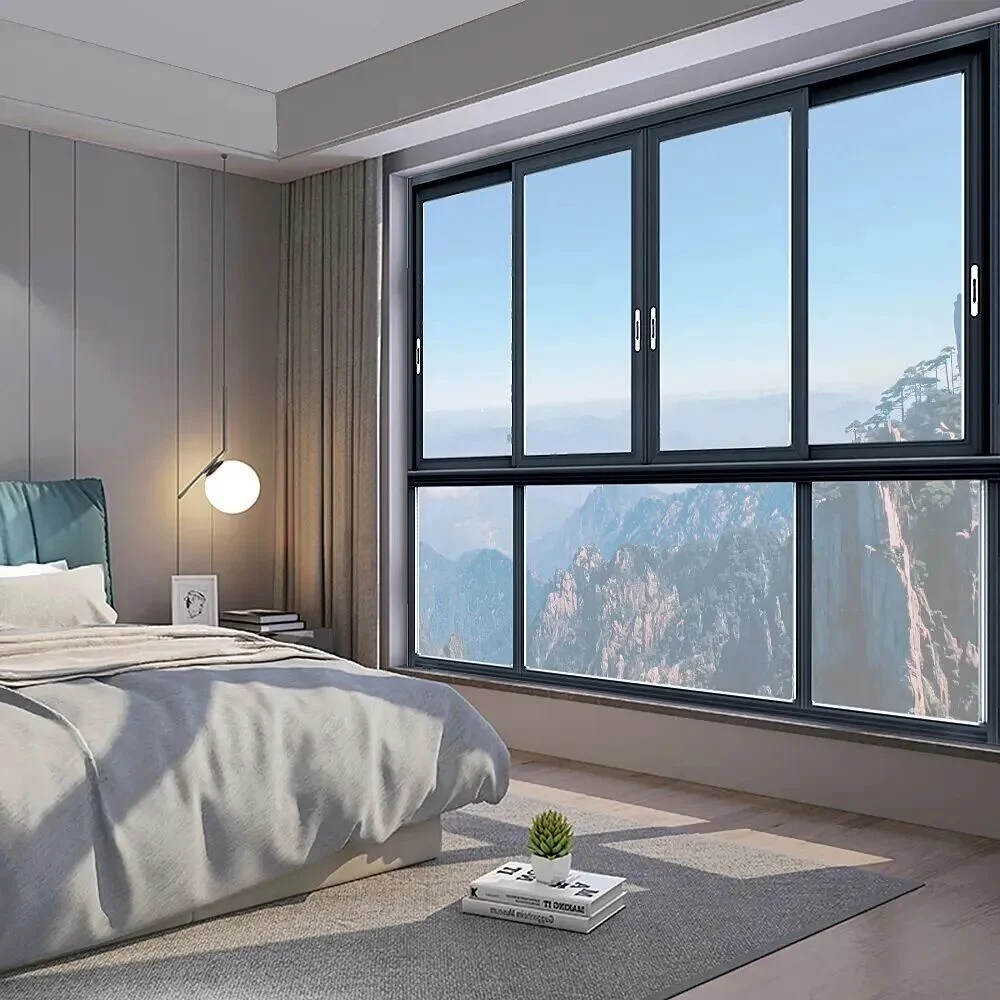
What makes a house exterior truly stand out? It is not always the size of the windows or the latest trend. More often, it is how the windows work with the architecture, natural light, and surrounding environment.
Modern windows are no longer just functional openings. They shape the character of a home, influence how spaces feel, and create a connection between the interior and the outside world.
1. Master Scale and Proportion
Many people believe that the only way to make a house look taller is to increase the roof height. In reality, there is another smarter approach.
A stacked window wall can create a stronger vertical impression without changing the roof structure. By aligning windows on the upper and lower floors at the center of the facade, designers can create a continuous visual line. The lower level may combine fixed and operable windows, while the upper level uses a matching row of fixed windows. This naturally guides the eye upward, making the exterior appear taller and more refined.
For modern exterior window design, this approach reveals an important lesson: vertical repetition often creates a stronger sense of customization than simply expanding windows horizontally. Architects also use window head height as an important daylighting principle — the closer the top of a window is to the ceiling, the deeper natural light can travel into the interior.

2. Frame With Purpose
Dark window frames have become one of the most noticeable trends in recent years. A 2025 survey of 1,108 consumers showed that white window frames remained the most popular choice, accounting for 45%, while black frames ranked second at 14%. More importantly, younger homeowners show a much higher acceptance of colored window frames.
However, black window frames should not be treated as just a “color choice.” Industry trend reports point out that black frames need to be considered together with heat exposure, surface durability, and interior color schemes. In areas with intense sunlight, black frames can absorb more heat, which means the durability and weather resistance of the frame materials become especially important.
Before choosing black window frames, ask yourself:
- What direction does the house face?
- How much UV exposure will the frames receive?
- How durable is the frame coating over time?

3. Design With Natural Light
Floor-to-ceiling windows and large fixed glass panels are highly appealing. They can truly blur the boundary between indoor and outdoor spaces.
However, larger glass is not simply a matter of “the bigger, the better.” The key challenge for the industry is how to achieve larger glass surfaces while maintaining structural performance, thermal performance, and installation feasibility.
One practical way to evaluate large glass windows is through performance ratings. High-end aluminum-clad wood windows can now achieve performance ratings of PG50 or even higher, meaning they have passed more demanding tests for wind pressure and water resistance. If you are considering a fixed window wider than two meters, check its performance rating first rather than focusing only on the appearance shown in a design image.
“The secret to making a small space feel larger is high ceilings and as much glass as possible.” — Adam Wallace, Kaplan Thompson Architects
The idea works the other way as well: large windows can feel out of proportion if they are not supported by sufficient ceiling height. In modern window design outside, the size of the glass should always work together with the overall scale of the architecture.

4. Add Depth With Modern Bay Windows
Bay windows were once a signature feature of Victorian homes. Today, they may feel a little traditional, but a more contemporary version — the walk-in bay window — is making a comeback in modern residential design.
Unlike traditional bay windows that mainly extend outward for decoration, modern walk-in bay windows create a more functional space. They can become a reading corner, a small seating area, or a place to enjoy outdoor views while adding depth to the interior.
In outside house modern window design, the value of a bay window is not only its appearance. It adds dimension to a flat facade while creating a stronger connection between the inside and outside. A well-designed bay window can solve two problems at the same time: improving the architectural character of the exterior and creating a more useful interior space.

5. Design Skylights With Purpose
The appeal of a skylight lies in its simple promise: bringing a glimpse of the sky into everyday life. But behind this sense of openness and romance, its design is based on very practical considerations.
A residential project in Minnesota offers an interesting example. The designers placed three asymmetrical circular skylights at the peaks of the roof instead of simply positioning them in the center. These “light scoops” were carefully arranged to strengthen the relationship between the three building volumes and create a more dynamic composition.
The lesson is simple: the position of a skylight should be determined by the architecture, not just by where it is easiest to install.
For modern homes, skylight placement requires consideration of factors such as the amount of visible sky, surrounding obstructions, and the direction of sunlight. A well-designed skylight can become more than a source of daylight — it can shape the atmosphere and identity of a space.

6. Choose Window Glass That Supports the View
Glass is not only a transparent material. Its color, tone, and reflection can influence how a home connects with the outside world.
Modern window design is moving beyond simply choosing clear glass. Different glass options can affect the atmosphere of a space, from neutral tones that maintain a natural view to tinted options that provide a different visual character.
For example, PA Window offers window systems with multiple window glass color options, allowing homeowners to choose a glass tone that better matches the architectural style and surrounding environment. The right glass choice can help maintain a more natural relationship between the interior space and the outdoor landscape.
A well-designed window should not compete with the view outside. Instead, it should frame the landscape, control light, and create a more comfortable living experience.

7. Balance Beauty and Performance
A window can be visually impressive, but its success is ultimately measured by how well it performs in everyday life.
Large glass panels, slim frames, and minimalist designs have expanded the possibilities of contemporary homes. However, these choices also require careful consideration of insulation, weather resistance, energy efficiency, and long-term durability.
Technologies such as double glazing, Low-E glass, and improved frame systems allow homeowners to achieve cleaner designs without sacrificing indoor comfort. The most successful window designs do not separate appearance from performance — they allow both to work together.
A beautiful window is not only the one that looks perfect on the day it is installed. It is the one that continues to provide comfort, natural light, and protection year after year.
Worth Remembering
First, windows are part of the architecture, not separate products.
The rhythm of openings, consistent proportions, and thoughtful placement often create a stronger exterior than any single expensive window.
Second, performance is what makes design possible.
Large glass, dark frames, and minimalist details can create impressive results, but only when they are supported by the right materials and technical choices.
Third, the direction of light matters more than the amount of light.
A well-positioned window can transform the atmosphere of a room, while simply adding more glass does not always create a better space.
When windows are designed well, a house gains its character. When they are poorly considered, even the most expensive materials become nothing more than openings in a wall.
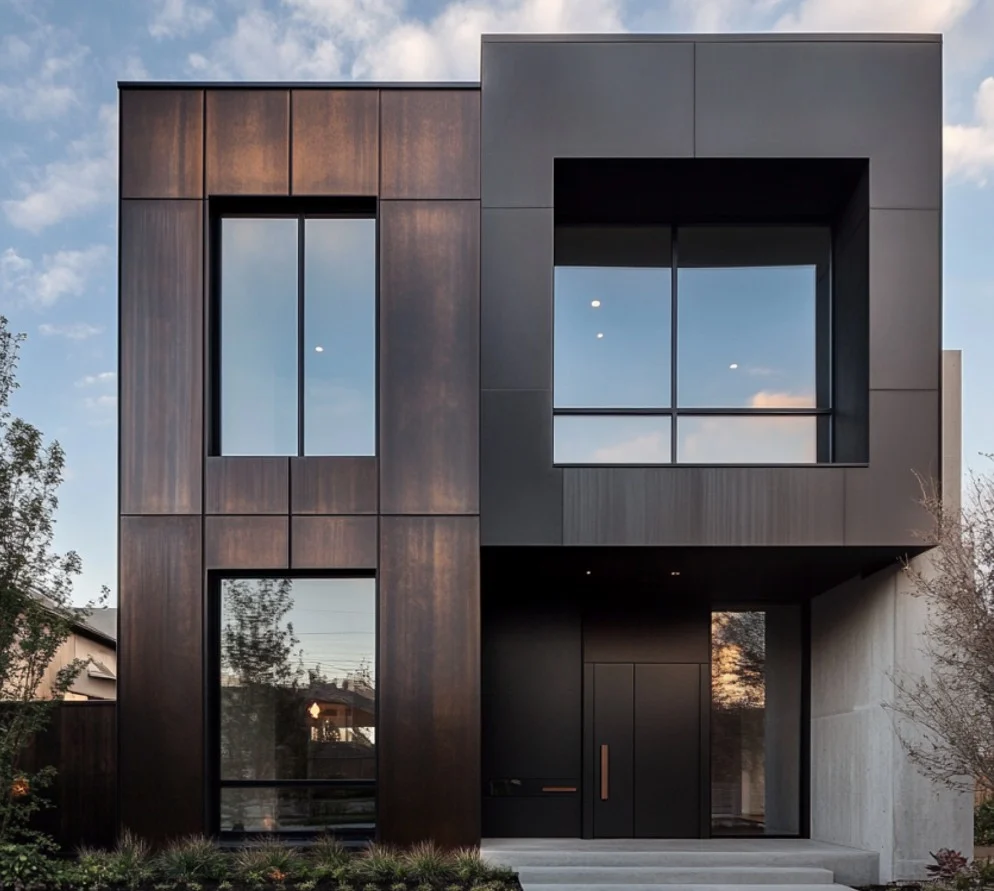
Find the Right Window Solution for Your Home
Choosing the right window is not only about finding a beautiful style. It is about understanding how different designs, materials, and glass options work together with your home.
PA Window provides a range of window solutions with different styles, glass options, and design possibilities to help homeowners create comfortable and visually balanced spaces. If you need professional advice on window selection, design ideas, or a project quotation, feel free to contact the PA Window team for more information.
FAQs About Modern Window Designs
Modern homes are moving toward cleaner lines, larger glass areas, slimmer frames, and stronger connections between indoor and outdoor spaces. Popular choices include floor-to-ceiling windows, dark window frames, oversized fixed glass panels, and minimalist window systems that become part of the overall architectural design.
Yes, black window frames are a popular choice for contemporary homes because they create strong visual contrast and help define the shape of the glass. However, the right choice depends on factors such as climate, sun exposure, frame material, and the overall color palette of the home.
The cost of modern exterior windows depends on several factors, including size, materials, glass options, frame design, installation complexity, and customization requirements. Large glass panels, premium frames, and specialized performance features usually increase the overall investment.
The best window style depends on the room layout and the view outside. Popular options include floor-to-ceiling windows, large sliding windows, corner windows, and minimalist black-framed windows. These designs can bring in natural light while creating a stronger visual connection with the exterior.
Modern homes often use double glazing, Low-E glass, and other performance-focused glass options. The right glass depends on factors such as climate, sunlight exposure, privacy needs, and energy efficiency goals.