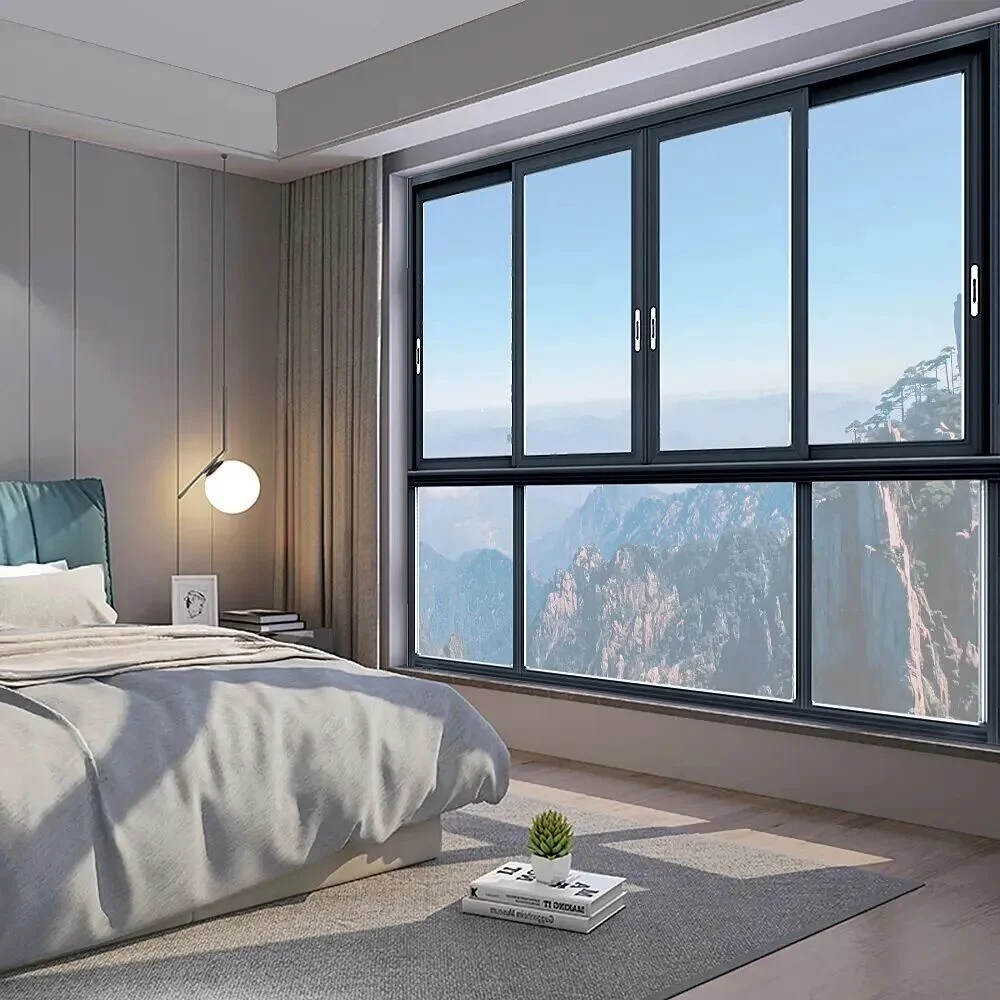
Windows do more than bring daylight into a room. Their proportions and frame divisions can strongly influence the character of a building.
Mullioned windows are recognized by the solid members that divide a larger opening into separate sections. They appear in historic architecture as well as modern homes, offices, and commercial buildings.
What Is a Mullioned Window?
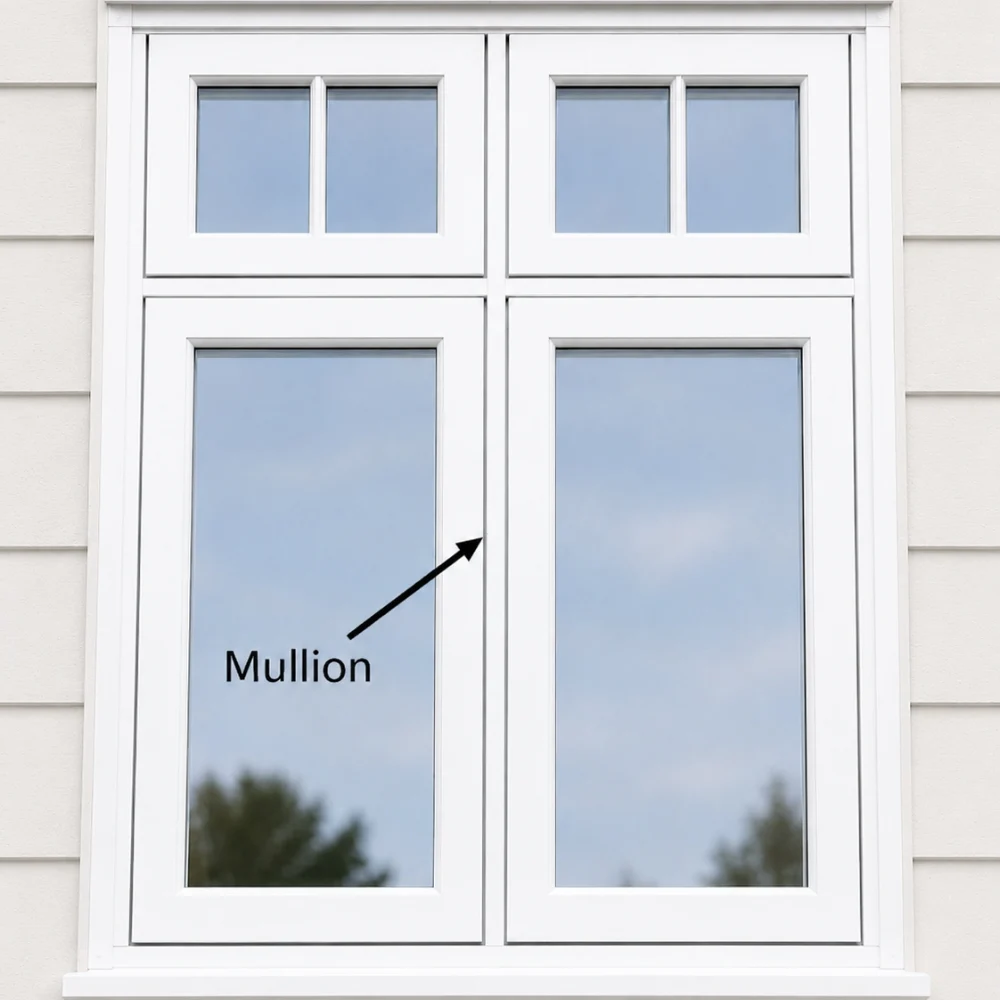
A mullioned window is divided into two or more sections by a mullion, a substantial vertical or horizontal member positioned between areas of glazing or adjoining window units.
Traditional mullions were commonly made from stone or timber. Modern versions may use wood, aluminum, vinyl, fiberglass, steel, or composite materials.
Mullioned designs can also combine different window functions. For example, a fixed picture window may be placed between two operable casement windows.
 More Concerns
 More Concerns
A Brief History of Mullioned Windows

Mullioned windows became prominent in medieval Europe, when large sheets of glass were difficult and expensive to produce. Stone or timber divisions allowed builders to create wider openings using smaller panes.
They later became closely associated with Gothic and Tudor architecture, where carved stone, stained glass, pointed arches, and repeated divisions created distinctive façades. The style returned to popularity during the 19th-century Gothic Revival.
Today, the same design principle appears in both heritage buildings and contemporary window systems, although modern materials and construction methods offer greater flexibility.
Mullion vs. Muntin vs. Transom
These terms are often used interchangeably, but they describe different parts of a window.
| Term | Meaning | Typical Position |
|---|---|---|
| Mullion | A substantial member separating adjoining window units or sections. | Usually vertical, although it may also be horizontal. |
| Muntin | A narrower strip dividing the glass within one window sash. | Vertical, horizontal, or arranged in a grid. |
| Transom | A horizontal member or separate window above another window or door. | Horizontal. |
| Grille or Grid | A decorative feature that creates the appearance of divided panes. | Applied to, between, or near the glass. |
A muntin traditionally held individual panes of glass within one sash. Many modern windows recreate this appearance with removable grilles, grilles between the glass, or simulated divided-light designs.
A mullion, by comparison, normally separates complete window units rather than simply dividing one pane visually. Andersen, for example, describes an integral mullion as a frame member that separates vents or fixed glass within a master frame.
How Much Does a Mullioned Window Cost?
There is no standard price for a mullioned window because it is often a combination of several individual units rather than one fixed product.
As a rough planning guide:
| Mullioned Window Project | Estimated Cost |
|---|---|
| Simple two-window combination | $1,500–$4,500 installed |
| Custom wood combination | $3,000–$8,000+ |
| Large multi-unit feature window | $5,000–$15,000+ |
| Decorative grilles added to a window | $100–$500+ per opening |
| Historic timber or stone restoration | Custom quote |
These ranges are estimates rather than published industry standards. Current installed wood replacement windows alone can cost approximately $1,100–$2,200 or more per unit, so combining multiple units, adding structural reinforcement, and using custom finishes can raise the total quickly.
The final price depends on:
- Number and size of window units
- Frame material
- Fixed or operable sections
- Standard or custom dimensions
- Glass and energy-performance options
- Mullion reinforcement
- Factory or field assembly
- Installation conditions
- Historic restoration requirements
When comparing quotes, confirm whether installation, flashing, trim, glass, hardware, structural reinforcement, and removal of the existing windows are included.
What Are the Pros of Mullioned Windows?
Greater design flexibility
Mullions allow several window types to be combined within one opening. A design might place a large fixed window beside casement, awning, or double-hung units, providing both an open view and ventilation.
Strong architectural character
The divisions create rhythm and proportion across a façade. Traditional mullions suit Tudor, Gothic, Craftsman, and heritage-inspired buildings, while narrow aluminum mullions can create a more contemporary appearance.
Larger window compositions
Joining individual units makes it possible to fill a wide or tall opening without relying on one extremely large piece of glass. Reinforced mullions may also help the combination meet specific structural requirements, depending on the manufacturer and configuration.
Easier functional zoning
Different sections can perform different jobs. One unit may be fixed for an unobstructed view, while another opens for airflow or emergency access.
What Are the Cons of Mullioned Windows?
The main disadvantage is cost. A mullioned design may require several window units, additional frame material, specialized joining components, structural reinforcement, and more installation labor. Custom arrangements are also less likely to be available as inexpensive stock products.
Mullions can interrupt the view and reduce the total glass area. They also create more joints that must be correctly assembled, flashed, and sealed. Poor installation around those joints may lead to air leakage, water intrusion, or uneven alignment.
Traditional stone and timber mullions may require more maintenance than modern aluminum or composite systems. Repairs can also be complicated when the mullion is structural or when the windows form one factory-certified assembly.
Common Mullioned Window Materials
| Material | Key Benefits | Things to Consider |
|---|---|---|
| Wood | Warm appearance and detailed traditional profiles | Needs regular finishing and moisture protection |
| Aluminum | Slim frames, high strength, and low maintenance | Thermally broken frames are better for energy efficiency |
| Vinyl or uPVC | Affordable, low-maintenance, and widely available | Profiles are often thicker than aluminum |
| Fiberglass or Composite | Stable, durable, and suitable for demanding climates | Usually costs more than vinyl |
| Stone | Authentic appearance for historic and period-style buildings | Heavy, expensive, and requires specialist installation |
| Steel | Very strong with narrow, elegant sightlines | Higher cost and corrosion protection may be required |
Types of Mullioned Windows
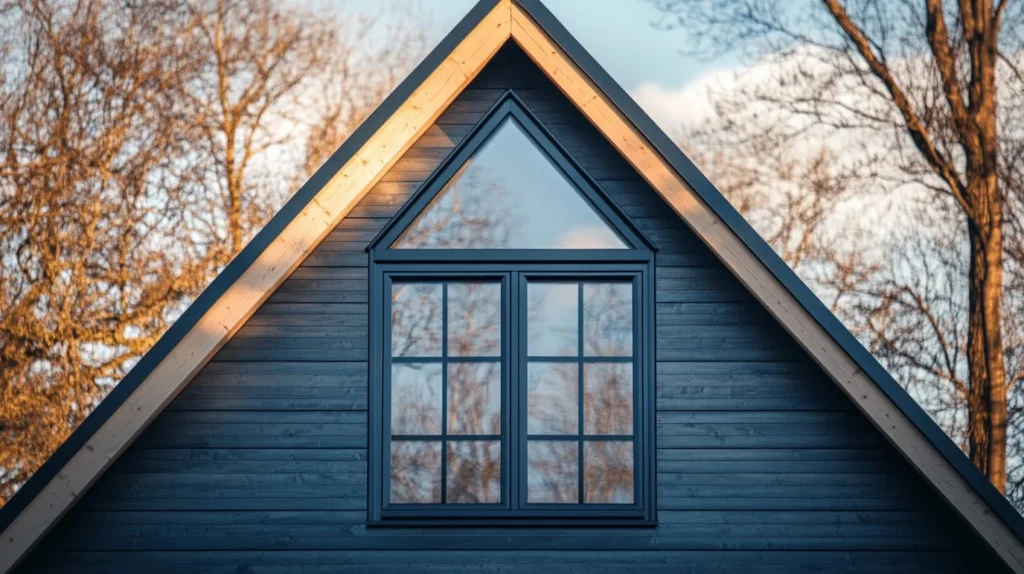
Traditional Stone-Mullioned Windows
These use carved stone members to divide the opening into two or more “lights.” They are most often found in historic buildings or high-end period-style construction.
Timber-Mullioned Windows
Timber mullions are common in Tudor, Craftsman, and heritage-inspired architecture. They may be structural or part of a complete manufactured frame.
A fixed mullion remains in place when the windows are opened. It provides a clear visual division and may contribute to the structure of the assembly.
Floating or Flying Mullion Windows
A floating mullion is attached to one operable sash rather than remaining permanently in the center of the opening. When both sashes are open, the center becomes largely unobstructed.
This style can create a wider open area, although available configurations depend on the manufacturer.
Mullion-and-Transom Windows
These combine vertical mullions with horizontal transoms, forming a structured grid of window sections. They are common in traditional façades, large feature windows, and commercial glazing systems.
Factory-Mulled Windows
Factory-mulled units are joined and checked by the manufacturer before delivery. They can simplify installation and provide more consistent assembly conditions.
Are Mullioned Windows Energy-Efficient?
Mullioned windows can be energy-efficient, but the presence of a mullion does not automatically improve or reduce performance.
Efficiency depends on the complete window system, including:
- Frame material
- Insulated glass
- Low-emissivity coatings
- Gas fills
- Thermal breaks
- Weather seals
- Quality of the mull joint
- Installation and flashing
The most useful values to compare are the window’s U-factor and Solar Heat Gain Coefficient, or SHGC. A lower U-factor indicates better resistance to heat loss, while the appropriate SHGC depends on the climate and desired amount of solar heat.
Ask whether the performance rating applies to the entire mulled configuration, not only to each individual window before it is joined.
Can Mullions Be Added or Removed?
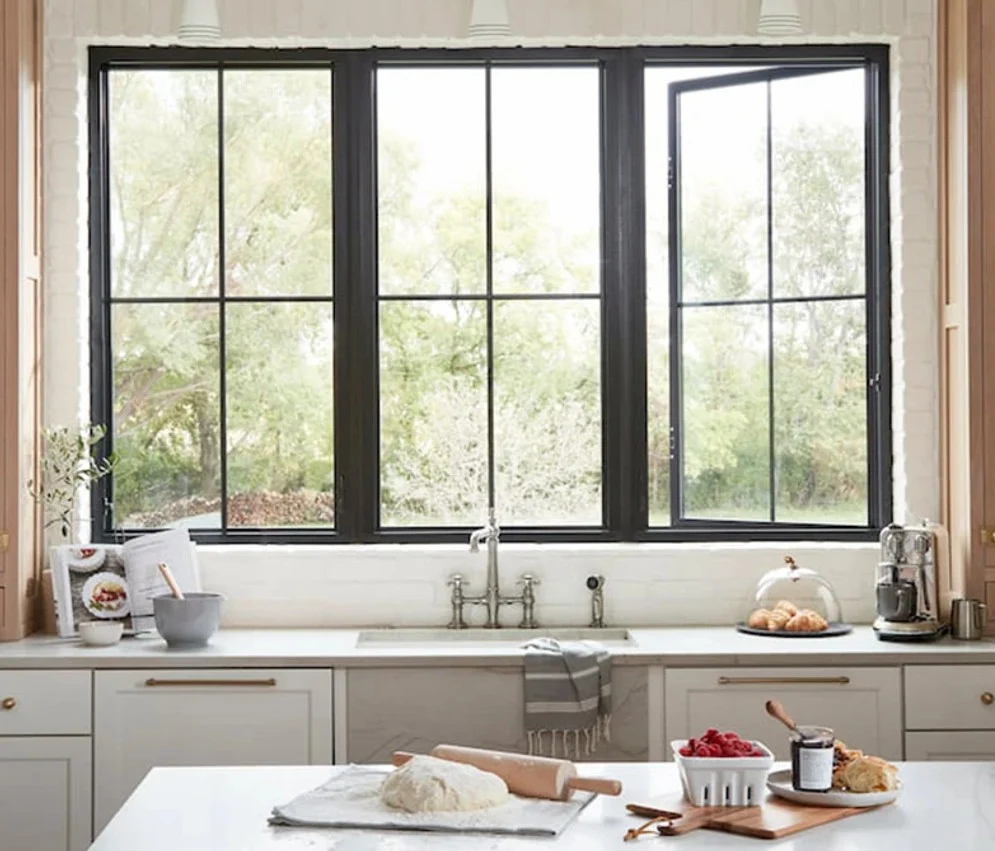
Decorative grilles can often be added to an existing window, provided a suitable product is available. Removable interior grilles are generally the simplest option. Simulated divided-light designs and grilles between the glass normally need to be ordered as part of a new window. Andersen notes that its full divided-light grille design must be specified with the original unit rather than added later.
A structural mullion is different. It may support adjoining units, transfer wind loads, or form an essential part of the window assembly. Removing it without professional evaluation could damage the windows or affect their performance.
Before adding or removing any substantial frame member, consult the window manufacturer, architect, structural professional, or qualified installer.
How to Choose Mullioned Windows?
Begin with the architectural goal. Decide whether the window should look traditional, contemporary, industrial, or almost frameless. The width, color, and material of the mullions will strongly influence the final appearance.
Then consider how the window needs to function:
- View: Wider mullions create stronger visual divisions but reduce uninterrupted glass.
- Ventilation: Combine fixed and operable windows where airflow is needed.
- Structure: Large combinations may need reinforced mullions.
- Energy performance: Compare ratings for the complete configuration.
- Maintenance: Choose materials suited to the climate and level of upkeep available.
- Installation: Confirm whether the combination will be factory- or field-mulled.
- Budget: Include glass, reinforcement, trim, delivery, and installation.
- Building requirements: Review wind-load, egress, safety-glazing, and local code requirements where applicable.
For larger or more complex openings, ask the supplier for a drawing showing the individual units, overall dimensions, mullion locations, opening directions, and glass specifications before approving the order.
How to Maintain Mullioned Windows?
Clean the glass and frames regularly, paying particular attention to the joints around the mullions. Check for cracked sealant, peeling finishes, staining, condensation between the panes, or signs of water entering around the frame.
Wood mullions may need periodic refinishing, while metal, vinyl, fiberglass, and composite frames generally require less maintenance. Moving sashes, locks, and hinges should also be checked so that one poorly operating section does not place unnecessary stress on the rest of the combination.
Leaks, movement, decayed timber, cracked stone, or failed structural joints should be inspected by a window professional rather than covered with surface sealant alone.
Where to Buy Mullioned Windows?
Mullioned windows are available from window manufacturers, specialist distributors, architectural joinery companies, local installers, and custom fabricators. Standard residential combinations may be available through window dealers, while large, historically styled, or structurally reinforced designs usually require a custom order.
Before buying, confirm the overall dimensions, number of units, frame material, opening styles, glass specification, mullion reinforcement, energy ratings, installation method, lead time, and warranty.
For tailored product recommendations and a fast quote for your project, contact PA Window today.
FAQs About Mullioned Windows
Usually. They often require multiple window units, additional framing, reinforcement, and more installation work.
They are common in Gothic, Tudor, Craftsman, Victorian, industrial, and contemporary architecture.
Large or reinforced combinations often do. Correct alignment, sealing, flashing, and structural support are important.
Yes. Slim aluminum, steel, or dark-colored frames can give mullioned windows a clean, contemporary appearance.
Not always. Maintenance depends mainly on the frame material, seals, finish, and installation quality.