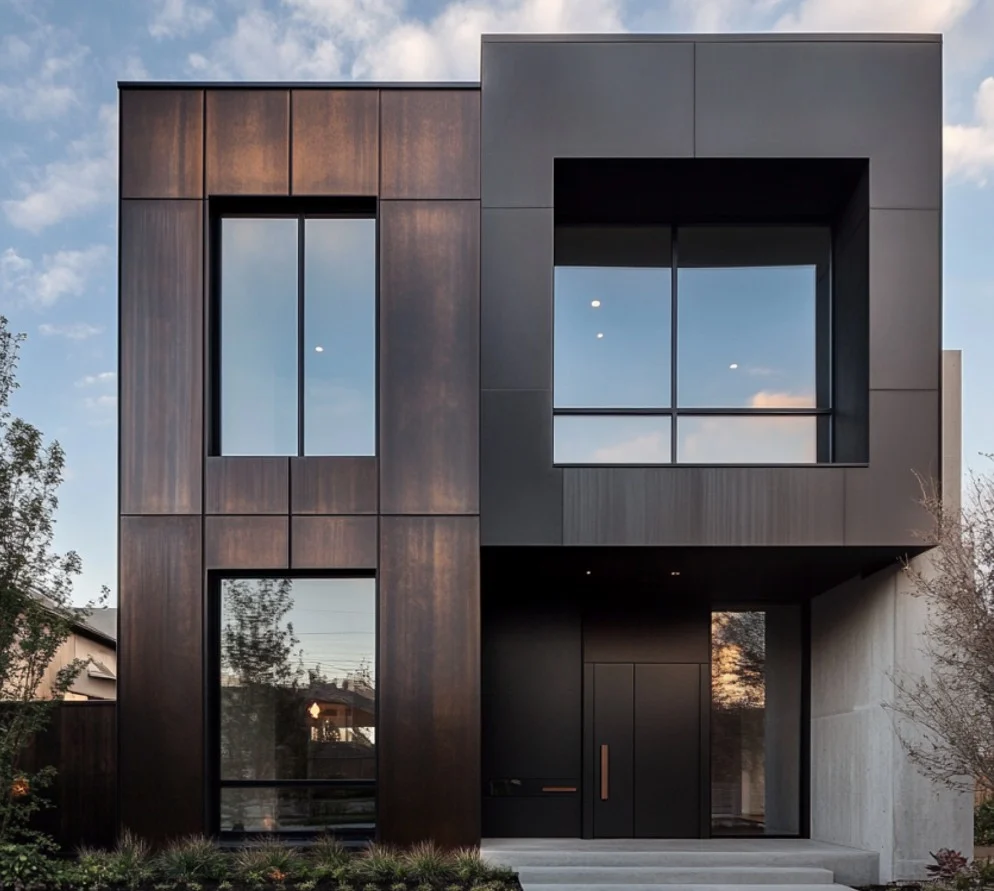
A garden is often seen as an extension of the home, and the right door can make that connection feel much more natural. Sliding garden doors are a popular choice for homeowners who want to bring in more daylight, enjoy wider outdoor views, and create a smoother transition between indoor and outdoor spaces.
From choosing the right material to understanding glass options, sizes, security, and installation, there are several factors to consider before making a decision. This guide explains the essentials you need to know about sliding garden doors.
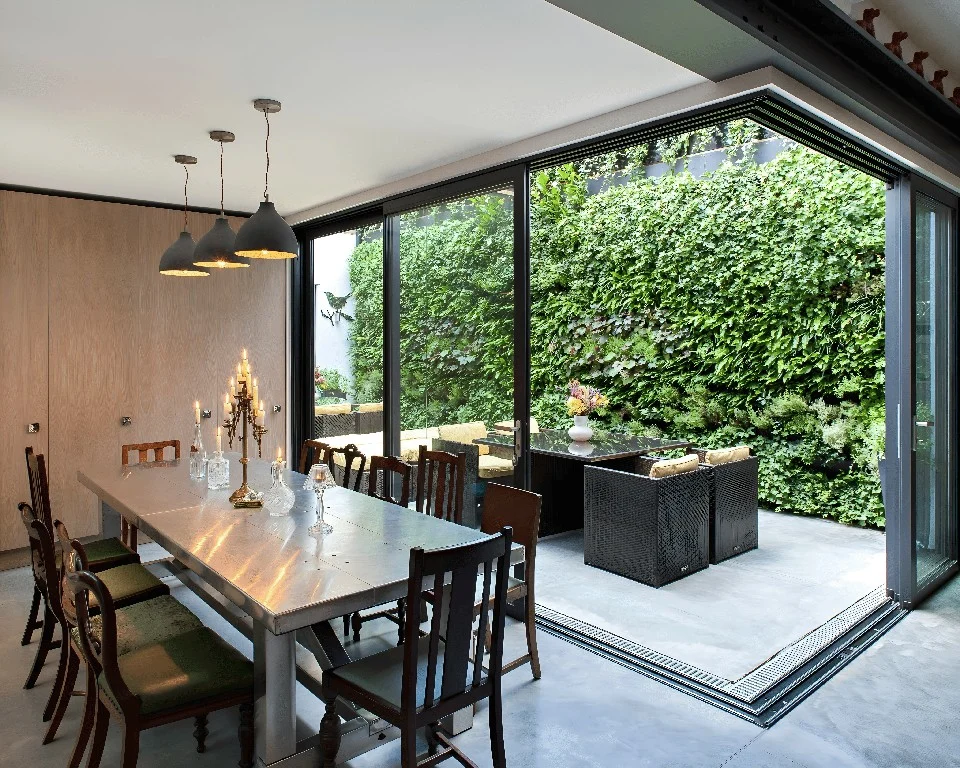
What Are Sliding Garden Doors?
Sliding garden doors are large glazed doors designed to connect indoor spaces with outdoor areas such as gardens, patios, terraces, or balconies. Unlike traditional hinged doors that open by swinging inward or outward, garden sliding doors move horizontally along a track.
The door panels are fitted with rollers that allow them to glide smoothly when opening and closing. This sliding mechanism makes them a practical option for areas where space is limited, while also allowing for larger glass panels and wider outdoor views.
You may also come across several similar terms when researching these doors:
A common term for sliding doors that connect indoor living spaces with patios, decks, or gardens.
Sliding Glass Doors
A term that highlights the large glass panels used to maximise light and outdoor views.
Garden Patio Doors
A broader term for doors that provide access to garden areas, including both sliding and hinged designs.

How Much Do Sliding Garden Doors Cost?
The cost of sliding garden doors depends on several factors, including:
- Material choice
- Door size
- Number of panels
- Glass specification
- Installation requirements
Generally, uPVC sliding doors are often the more affordable option, while aluminium systems usually have a higher initial cost due to their slim profiles, strength, and modern appearance.
Because prices vary significantly by location, specification, and installation conditions, it is recommended to request a quotation based on your specific project rather than relying on a standard price range.

Sliding Garden Doors vs Traditional Garden Doors
Both sliding and traditional hinged doors can work well in residential properties, but they offer different benefits depending on the space and design requirements.
| Feature | Sliding Garden Doors | Hinged Doors |
|---|---|---|
| Opening method | Slide horizontally | Swing open |
| Space required | Less space needed | Requires clearance area |
| Glass area | Larger glass panels | Usually smaller |
| Modern appearance | Contemporary style | More traditional |
Garden sliding doors are often preferred for modern homes and extensions where homeowners want larger views and better use of available space. Hinged doors, however, can still be a suitable choice for properties with a more traditional design style.
What Are the Pros of Sliding Garden Doors?

Garden sliding doors have become increasingly popular because they combine practical benefits with a clean, modern appearance.
More Natural Light
Large glazed panels allow sliding garden doors to bring more daylight into the home, creating brighter and more open living spaces while improving views of the garden.
Better Indoor-Outdoor Connection
Sliding garden doors create a smoother transition between indoor and outdoor areas, making them ideal for patios, terraces, and open-plan living spaces.
Space-Saving Design
Unlike hinged doors, sliding doors move along a track instead of swinging open, making them a practical choice for areas where space is limited.
Modern AppearanceModern Appearance
With slim frames and large glass areas, sliding garden doors add a clean, contemporary look that works especially well with modern home designs.
Types of Sliding Garden Doors
Sliding garden doors are available in different materials, each offering a different balance of appearance, durability, maintenance, and cost. The best option depends on your home style, budget, and performance requirements.
Aluminium Sliding Garden Door
Aluminium garden sliding doors are a popular choice for modern homes because of their strength and slim frame design. The material allows manufacturers to create larger glass panels with narrower profiles, helping maximise natural light and outdoor views.
They are also known for durability and low maintenance. Aluminium frames are resistant to warping and rotting, making them suitable for long-term use in different weather conditions.

uPVC Sliding Garden Door
uPVC sliding garden doors are often chosen by homeowners looking for a practical and affordable option. They require very little maintenance and are commonly used in residential renovation projects.
Compared with aluminium, uPVC frames are usually thicker, but they can still provide good insulation performance when combined with suitable glazing.

Timber Sliding Garden Door
Timber sliding garden door offers a natural and traditional appearance that works particularly well with period properties, cottages, and homes that use natural materials.
Wood provides warmth and character, but it generally requires more maintenance than aluminium or uPVC. Regular care is important to help protect the timber from moisture and weather exposure.

Aluminium vs uPVC vs Timber Garden Sliding Doors
Different materials offer different advantages. The right choice depends on your priorities, such as appearance, maintenance, and budget.
| Feature | Aluminium | uPVC | Timber |
|---|---|---|---|
| Appearance | Modern with slim frames | Practical and traditional | Natural and warm |
| Durability | High | Good | Good with proper maintenance |
| Maintenance | Low | Low | Higher |
| Frame thickness | Slim profiles | Usually thicker frames | Medium |
| Cost | Higher | Lower | Medium |
| Style suitability | Contemporary homes | Budget-friendly renovations | Traditional and character homes |
What Are the Common Sliding Garden Door Sizes?

Sliding garden doors are available in a wide range of sizes, depending on the available opening, room layout, and design goals. Unlike standard interior doors, many sliding garden door systems are made to suit specific project requirements.
The most common configurations include:
| Configuration | Suitable For |
|---|---|
| Two-panel sliding doors | Standard patio openings and smaller outdoor areas |
| Three-panel sliding doors | Wider openings with improved views and access |
| Four-panel sliding doors | Large extensions and open-plan living spaces |
A two-panel system is often enough for everyday garden access, while larger homes and extensions may benefit from wider multi-panel designs.
When choosing a size, homeowners should consider more than just the width of the opening. Factors such as furniture placement, structural requirements, and how much natural light is desired can also influence the best choice.
Are Sliding Garden Doors Secure?
Security is one of the most common concerns homeowners have when considering large glass doors. Modern sliding garden doors are designed with a range of features that help improve protection and everyday safety.
Quality systems may include:
- Multi-point locking mechanisms
- Strong aluminium, uPVC, or timber frames
- Secure sliding tracks
- Toughened or laminated safety glass
However, security does not depend only on the door itself. Proper installation, high-quality hardware, and correct maintenance all play an important role in ensuring reliable performance.
Choosing a reputable supplier and professional installer can help ensure that the door system works as intended over the long term.
Are Sliding Garden Doors Energy Efficient?

Modern sliding garden door can provide good energy efficiency when they are designed and installed correctly. Improvements in glazing technology and insulated frame designs have helped make large glass doors more suitable for year-round living spaces.
Features such as:
- Double or triple glazing
- Low-E glass coatings
- Quality weather seals
- Well-insulated frames
can help reduce heat loss and improve indoor comfort.
Installation quality is also important. Even a high-performance door may not perform well if it is poorly fitted or not properly sealed.
Sliding Garden Door Design Ideas
Sliding garden door can work with many different home styles. Their large glass areas and clean appearance make them a popular feature in both new builds and renovation projects.
Modern Home Extensions
For contemporary extensions, large aluminium sliding doors can create a seamless connection between kitchens, dining areas, and gardens. Slim frames and wide glass panels help maintain an open and spacious feeling.

Small Garden Spaces
Sliding doors can also work well in smaller homes. Because they do not require swing space, they allow homeowners to maximise both indoor and outdoor areas. A carefully selected frame colour and glass design can make a smaller space feel brighter and more open.

Indoor-Outdoor Living Areas
For homes with patios, terraces, or landscaped gardens, sliding garden door can become a key design feature. When opened, they help blend indoor comfort with outdoor living, making spaces more flexible for everyday use and entertaining.

Where Can I Buy a Garden Window?
Choosing the right sliding garden doors means finding a supplier that offers quality products, suitable materials, reliable installation, and expert advice.
At PA Window, we provide sliding garden door solutions designed to suit different home styles and requirements. Whether you are upgrading an existing space or planning a new project, contact our team to help you choose the right option for your home.
FAQs About Sliding Garden Doors
Yes, modern sliding garden doors can be energy efficient when they use quality glazing, insulated frames, and proper installation. Options such as double glazing, triple glazing, and Low-E glass can help improve thermal performance.
The best material depends on your priorities. Aluminium is popular for modern homes because of its slim frames and durability, uPVC offers a more affordable low-maintenance option, while timber provides a natural appearance.
The lifespan of sliding garden doors depends on the material, product quality, installation, and maintenance. Aluminium, uPVC, and timber doors can all provide long-term performance when properly maintained.
Sliding garden doors and French doors both have their advantages. Sliding doors are ideal for homeowners who want larger glass areas and a space-saving design, while French doors may suit more traditional home styles.
Regular maintenance usually includes cleaning the tracks, checking the rollers, removing debris, and inspecting seals and hardware. Proper care helps maintain smooth operation over time.