Aluminum doors have become a standout choice in the construction industry, offering a unique combination of durability, aesthetic appeal, and flexibility. They have revolutionized how contractors approach both residential and commercial projects, providing a modern solution that caters to various architectural demands. This article explores the numerous benefits that aluminum doors offer to contractors and why they are increasingly favored in modern building projects.
What are Aluminum Doors?
Aluminum is a metal known for its lightweight yet strong nature. This characteristic makes it an ideal material for door construction, blending practicality with visual appeal. Aluminum doors are designed to withstand various environmental conditions, making them suitable for different climatic zones.
The Evolution of Aluminum Doors in Construction
The history of aluminum in the construction industry has proven its adaptability and efficiency. Originally used in industrial and commercial settings for its durability and ease of maintenance, aluminum later transitioned to residential applications as building design evolved and the need for more versatile and aesthetically pleasing materials grew. Aluminum answers this call with its ability to be customized to fit a variety of design preferences, which also makes it an attractive option for residential projects.
Aluminum Doors in Different Types
Aluminum doors, known for their strength, durability, and aesthetic appeal, come in various types to suit different architectural and functional needs. Here’s an overview of the different types of aluminum doors available, each offering unique benefits and applications.
Aluminum Sliding Doors
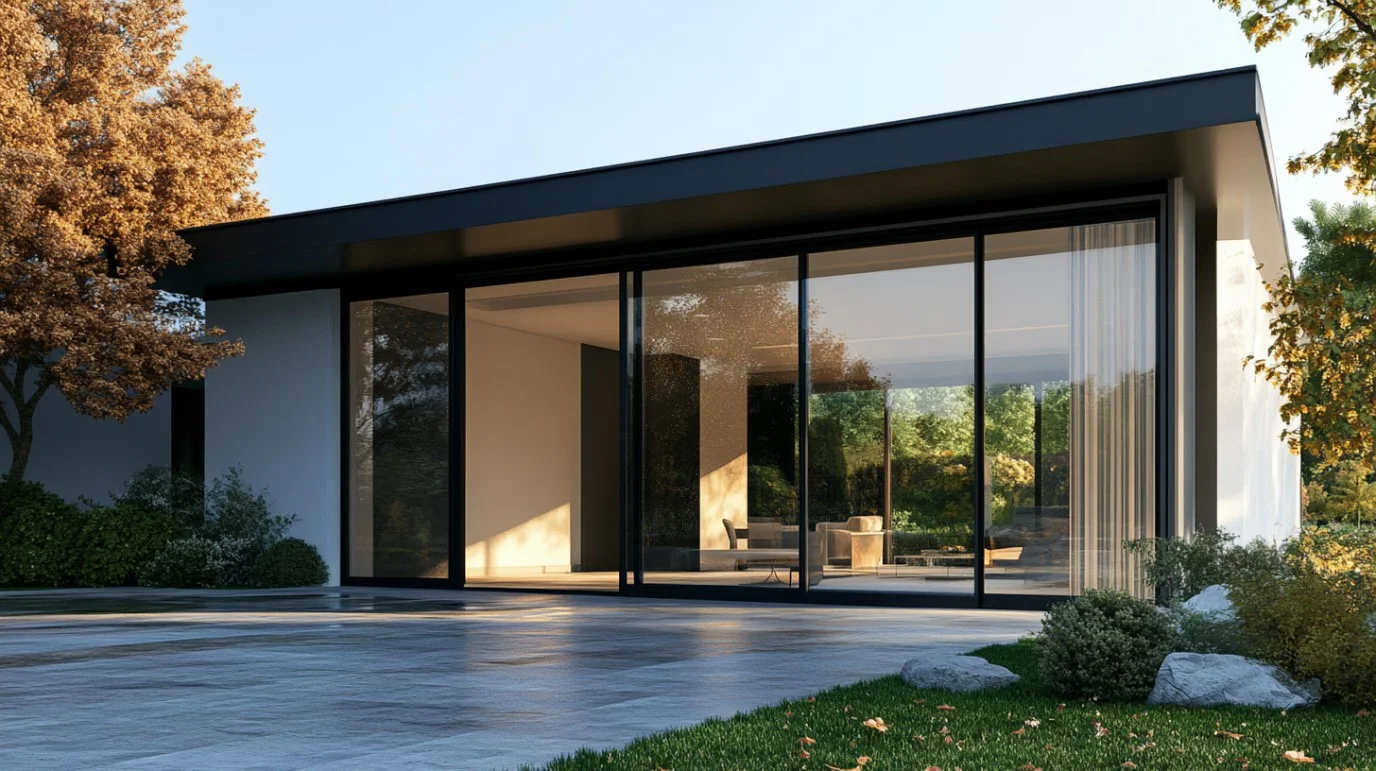
Aluminium sliding doors are ideal for saving space while providing a wide opening. They slide horizontally on tracks and are perfect for patios, balconies, and commercial spaces with limited room. Aluminum Sliding doors with large glass panes, offer a contemporary look, often allowing for ample natural light and unobstructed views.

Aluminum Bi-fold Doors
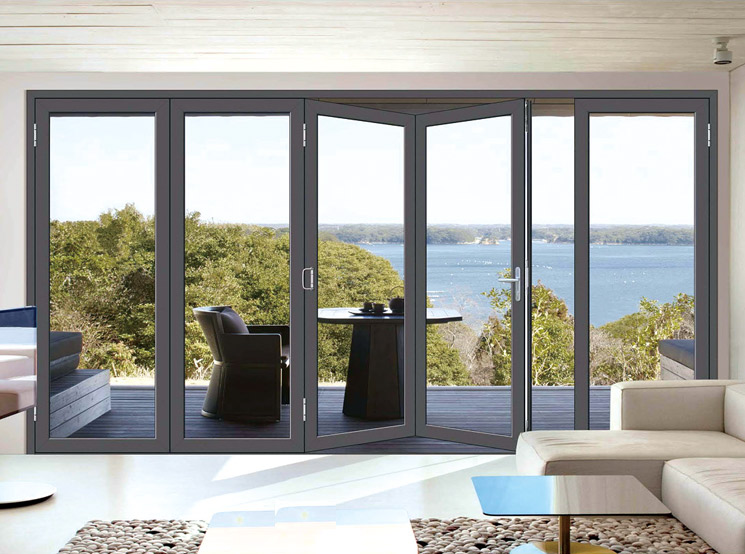
Bi-fold doors consist of multiple panels that fold against each other, creating a wide opening. Folding doors that aim to merge indoor and outdoor spaces, such as restaurants with outdoor seating or residential properties with decks. These doors are visually appealing and can transform a space by opening it up completely, blending the indoors with the outdoors seamlessly.
Aluminum French Doors
French doors open outward or inward and are typically used as entry doors or to divide rooms while maintaining an open feel. Known for their classic and elegant design, aluminum French doors can be customized with various glass and framing options to enhance the aesthetic of a home or building.French doors blend the aesthetics of the architectural design with the door’s compatibility with the existing structure, making them particularly suitable for renovation projects.

Aluminum Pivot Doors
Pivot doors rotate on a pivot box instead of traditional side hinges. They are suitable for commercial buildings or luxury home for their sleek, minimalist look and the ability to create large, impressive entrances.

Aluminum Casement Doors
Casement doors are hinged at the sides and swing outwards or inwards. They are often used for back or side doors and in areas that require ventilation. They can be designed to look traditional or modern, depending on the glass and frame design, and are known for providing good ventilation and security.

Aluminum Louver Doors
Louver doors contain angled slats for ventilation while maintaining privacy and protection from the elements.Often used in utility spaces or as closet doors, they can be crafted to match the aesthetic of modern or traditional buildings

When selecting aluminum doors for different types of projects, contractors must consider a blend of practical and aesthetic factors. They need to evaluate the door’s functionality, the specific needs of the space, client preferences, and how the door will integrate with the overall design and structure of the building. This careful consideration ensures that the chosen aluminum door type not only meets the functional requirements of the project but also enhances its overall aesthetic appeal.
Aluminum Doors in Different Project Types
Aluminium doors are not confined to a single type of building or project; their versatility makes them suitable for a wide range of applications.
Residential Applications
In the realm of residential construction, aluminum doors have become increasingly popular for several reasons:
Aesthetics and Design Flexibility: Homeowners often seek unique, stylish designs for their homes, and aluminum doors offer a vast range of aesthetic options. From sleek, modern sliding doors to traditional French doors, aluminum can be tailored to complement any home style. The ability to powder coat aluminum in various colors and finishes allows for seamless integration with the home’s overall design scheme.
Durability and Security: For residential applications, durability and security are paramount. Aluminum doors provide a robust barrier against potential intruders and are resistant to the elements, ensuring they remain functional and attractive for years. Their strength also allows for large expanses of glass, maximizing natural light and views without compromising security.
Energy Efficiency: With the growing emphasis on energy conservation in homes, aluminum doors with thermal breaks and insulated glazing are a prudent choice. They help maintain indoor temperature, contributing to energy savings and enhancing the comfort of the home.
Commercial Projects
Aluminum doors are also a staple in commercial construction, owing to their practical and aesthetic benefits:
High Traffic Durability: Commercial buildings typically experience higher foot traffic, necessitating doors that can withstand frequent use. Aluminum doors excel in this aspect, offering the durability needed for such environments.
Professional Appearance: The sleek and professional look of aluminum doors is ideal for commercial settings like offices, retail spaces, and hospitality venues. They can be designed to reflect the professional image of the business, contributing to the establishment’s overall branding and aesthetic appeal.
Customization for Functional Requirements: Commercial projects often have specific functional requirements, such as larger entryways for accessibility or enhanced security features. Aluminum doors can be customized to meet these varied needs, providing solutions that are both functional and visually pleasing.
Industrial and Institutional Settings
In industrial and institutional environments, aluminum doors serve specific purposes:
Safety and Functionality: In settings like factories, schools, or hospitals, doors must meet certain safety and functional standards. Aluminum doors can be equipped with features like fire ratings, panic bars, and automated opening systems to adhere to these stringent requirements.
Longevity in Demanding Environments: Industrial and institutional settings often expose doors to harsh conditions. Aluminum’s resistance to corrosion and its structural integrity make it an ideal choice for such demanding environments.
Cost-Effectiveness for Large Projects: For large-scale industrial or institutional projects, the cost-effectiveness of aluminum doors becomes a significant factor. Their durability and low maintenance requirements make them a financially viable option for such extensive applications.
Specialized Applications
Beyond conventional building types, aluminum doors find their place in specialized applications:
High-End Residential and Commercial Projects: In luxury homes or premium commercial spaces, aluminum doors can be designed to exude elegance and exclusivity.
Eco-Friendly Constructions: For projects with a focus on sustainability, aluminum doors align with green building practices due to their recyclability and energy-efficient properties.
Advantages of Aluminum Doors for Contractors
Contractors face various challenges when selecting materials for their projects, balancing factors like cost, performance, and client preferences. Aluminum doors stand out as an advantageous option for many reasons, proving to be a beneficial choice in the construction industry.
Durability and Longevity
Aluminum doors are synonymous with durability. Their inherent resistance to corrosion, rust, and weathering makes them ideal for both harsh and mild environments. Unlike wood, which can warp or rot, or steel that might rust, aluminum maintains its integrity over years of use. This resilience translates to a longer lifespan, a key factor for contractors who aim for lasting quality in their builds. The longevity of aluminum doors not only satisfies client expectations for durability but also reduces the need for frequent replacements or repairs, making them a cost-effective choice in the long run.
Low Maintenance Requirements
One of the most significant advantages of aluminum doors is their low maintenance nature. They do not require the regular painting, staining, or sealing that materials like wood demand. Their surfaces are less prone to discoloration and do not easily succumb to the effects of UV rays or moisture. This low maintenance aspect is especially appealing to contractors who aim to provide clients with easy-to-care-for solutions. It also means reduced long-term maintenance costs for the building owner, a selling point contractors can leverage when discussing material options.
Aesthetic Flexibility
The versatility of aluminum in terms of aesthetics is unmatched. Aluminum doors can be crafted in a myriad of styles, designs, and finishes, catering to a wide array of architectural preferences. Whether it’s a sleek, minimalist look for a modern building or a more traditional appearance for a classic design, aluminum doors can be adapted to fit any aesthetic. They can be powder-coated in various colors, offering an additional layer of customization. This flexibility allows contractors to meet specific design requirements and preferences, making aluminum doors a go-to option for projects requiring a particular look or style.
Energy Efficiency
In an age where energy efficiency is increasingly prioritized, aluminum doors offer considerable advantages. Modern aluminum doors often feature advanced design elements like thermal breaks and insulated glazing. These features minimize the transfer of heat and cold, contributing to a building’s overall energy efficiency. For contractors, this is a crucial selling point, as energy-efficient buildings are not only more environmentally friendly but also more cost-effective in the long run due to lower heating and cooling costs. Offering energy-efficient aluminum doors can help contractors meet building codes and sustainability standards, which are becoming more stringent in many regions.
In summary, the advantages of aluminum doors for contractors are clear and multifaceted. They offer a combination of durability, low maintenance, aesthetic flexibility, and energy efficiency, making them an appealing choice for a wide range of construction projects. These benefits align with both the practical and aesthetic considerations that contractors must balance, making aluminum doors a versatile and reliable choice in the modern construction landscape.
Practical Considerations for Contractors
When selecting materials for construction projects, contractors must weigh various practical considerations. Aluminum doors, with their unique properties, present several aspects that contractors should evaluate to ensure they align with project goals and client needs.
Installation Ease
The installation process is a critical aspect of any construction project. Aluminum doors are renowned for their ease of installation, primarily due to the material’s lightweight nature. This ease translates into several practical benefits:
Reduced Labor Costs: Lighter materials often mean less manpower is required for handling and installation, which can lead to reduced labor costs.
Faster Project Completion: Aluminum doors can be installed more quickly compared to heavier materials like steel or solid wood. This efficiency can accelerate project timelines, allowing contractors to complete projects faster and move on to new ones.
Less Structural Stress: Due to their lighter weight, aluminum doors exert less stress on building structures. This is particularly advantageous in retrofit projects or when adding doors to existing structures where additional weight might be a concern.
Customization Possibilities
The ability to customize is crucial in meeting client specifications and design aspirations. Aluminum doors excel in this area:
Design Versatility: Contractors can offer clients a wide array of design options with aluminum doors. From different sizes and shapes to a variety of colors and finishes, the customization possibilities are extensive.
Adaptability to Client Needs: Whether a project calls for large sliding doors for a panoramic view or uniquely shaped doors for a bespoke architectural design, aluminum can be tailored to suit these requirements.
Consistency in Finishes: When dealing with multiple doors across a large project, consistency in appearance is key. Aluminum doors can be fabricated with uniform finishes, ensuring a coherent look throughout the property.
Handling and Transportation
The logistics of getting materials to the site are another practical consideration.
Ease of Transportation: Aluminum’s lightweight nature makes it easier and more cost-effective to transport than heavier materials.
Reduced Risk of Damage: During transportation and handling, lighter materials like aluminum are less likely to suffer damage compared to heavier, more cumbersome options.
Environmental Impact
Increasingly, contractors must consider the environmental impact of their material choices:
Sustainability: Aluminum is a highly sustainable material, often made from recycled content, and itself is fully recyclable. This aspect aligns with green building practices and can contribute to LEED certification points.
Reduced Waste: The precision in aluminum door manufacturing can lead to less waste during the fabrication process.
Future Trends in Aluminum Doors
The use of aluminium doors in construction is not just a contemporary trend but a growing sector with evolving technologies and design innovations. Looking into the future, several key trends are likely to shape the development and use of aluminum doors.
Installation EaseTechnological Advancements in Manufacturing
Increased Energy Efficiency: Future aluminium doors are expected to incorporate even more advanced thermal insulation technologies. With growing environmental consciousness, manufacturers will likely invest in developing doors with better thermal breaks and enhanced glazing options to improve energy efficiency.
Smart Door Features: The integration of technology into aluminium doors is anticipated to grow. Features like automated locking systems, advanced access control using biometrics, and integration with smart home systems are expected to become more common. This will enhance both the security and convenience of aluminum doors.
Eco-Friendly Manufacturing Processes: As sustainability becomes more critical, the production process of aluminum doors will likely become greener. This could include increased use of recycled materials, environmentally friendly coatings, and manufacturing processes that reduce carbon footprints.
Design Innovations
Minimalist Aesthetics: The trend towards minimalist design is expected to continue, with aluminum doors featuring slimmer frames and larger glass panels. This design approach not only enhances the aesthetic appeal but also maximizes natural light and outdoor views.
Customization and Flexibility: Future aluminum doors will likely offer even greater customization options, catering to diverse architectural styles and consumer preferences. Innovations in coloring, texturing, and finish technologies will enable more personalized and unique door designs.
Integration with Building Skins: Aluminum doors will increasingly be designed to integrate seamlessly with building facades, contributing to a cohesive architectural look. This might include doors that blend with curtain walls or facade systems, creating a unified exterior appearance.
Enhanced Durability and Maintenance
Advanced Security Features: As security remains a paramount concern, aluminum doors are likely to see advancements in security features. This could include reinforced frames, impact-resistant glass, and sophisticated locking mechanisms.
Fire Resistance and Safety: With stringent building codes, the development of aluminum doors with enhanced fire resistance and safety features is probable. This includes doors that can help contain fires and provide safe egress routes during emergencies.
Conclusion
Aluminum doors provide practical, stylish and sustainable solutions for a variety of building projects, making them an excellent choice for contractors and testament to the ever-evolving construction industry.If you have any interests in aluminum doors, feel free to contact us!
Frequently Asked Questions (FAQs)
The cost of an aluminum door can vary widely based on factors such as size, style, design complexity, manufacturer, and whether it’s for interior or exterior use. Generally, for basic models, prices can start from around $200 to $300. For mid-range or more customized options, prices can range from $400 to $1,200 or more. High-end aluminum doors, especially those that are custom-designed or include advanced features like thermal insulation, can cost several thousand dollars. Prices also differ based on whether the door includes installation and the specific market you’re in.
Aluminum doors are known for their durability and can last for 20 to 30 years or more with proper maintenance. Their longevity is due to aluminum’s resistance to rust, corrosion, and the elements, making them a popular choice for both residential and commercial applications. Factors such as the environment (coastal areas may have more corrosive salt air), usage, and maintenance can influence their lifespan.
Aluminum doors are highly customizable. They can be tailored in size, shape, color, and finish to suit specific architectural styles and personal preferences.If you need custom aluminum doors, you can contact PA Home, a manufacturer of high-quality and cost-effective doors and windows, providing you with first-class design and unparalleled service!
Aluminum doors are popular for their durability, low maintenance, and versatility. Here’s how they differ and benefit your home:
Aluminum Screen Doors: These doors provide ventilation and keep insects out while letting in light. Ideal for front or back entries, they enhance airflow in your home without compromising security.
Aluminum Storm Doors: Offering an extra layer of protection against bad weather, these doors can also improve home insulation. They often come with interchangeable glass and screen panels to suit different seasons.
Aluminum Garage Doors: Known for their strength and lightweight properties, aluminum garage doors are resistant to rust and corrosion, making them a long-lasting option for your garage. They can be customized in various designs and finishes to complement your home’s aesthetic.
Each type of aluminum door serves a unique purpose, from enhancing security and energy efficiency to improving your home’s aesthetic appeal. When choosing between these options, consider your specific needs, such as weather protection, insulation, or enhancing indoor-outdoor connectivity.
The best aluminum doors often come from reputable manufacturers known for their quality, durability, and energy efficiency. Brands like Andersen, Pella, and Milgard are frequently recognized for producing high-quality aluminum doors that offer a combination of style, performance, and longevity. Always consider doors with good thermal insulation, robust security features, and a finish that suits your aesthetic preferences.