Have you recently considered updating your windows? Statistics highlight that replacing windows can lead to a significant return on investment—up to 71%. Moreover, 63% of homeowners report a marked increase in satisfaction with their living spaces after making upgrades. When planning a renovation or aiming to boost the ventilation and lighting in your home, consider integrating awning window designs into your home improvement strategy. Embrace the concept of awning style windows to blend seamlessly with your home décor.
Welcome to this guide,dive into various window awning ideas, learn about their benefits, .and explore the versatility and style of awning windows to make a choice that improves both the look and functionality of your home.
What Is An Awning Window?
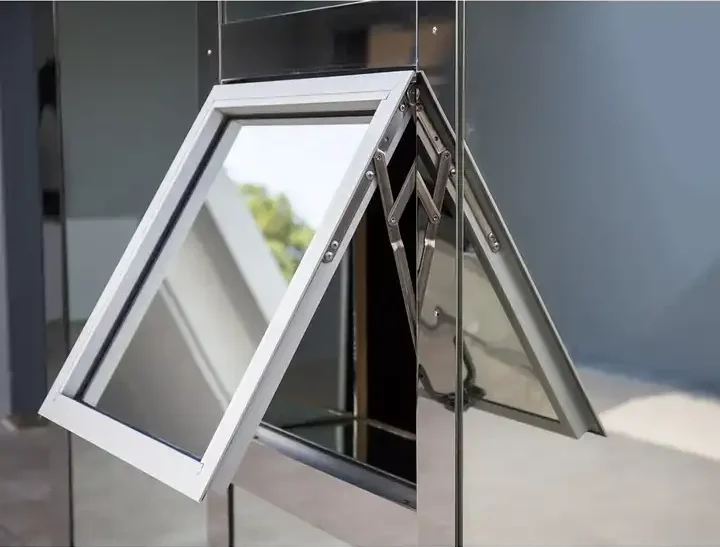
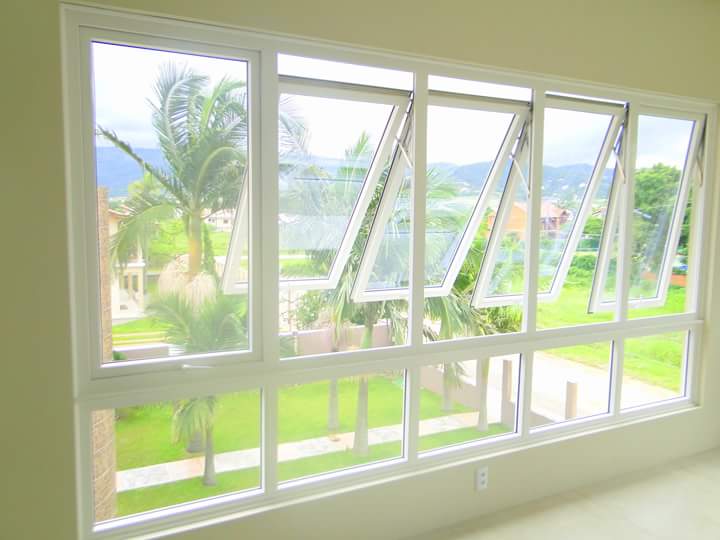
Awning windows,also called”top hung windows“, stand out for their unique structure and operation. The main feature is that awning windows are hinged at the top and open outwards at the bottom. This design not only provides awning-like protection, allowing natural light and fresh air to enter while preventing rainwater from penetrating. More stylish and secure than traditional casement windows or sliding windows, awning windows open and close with manual crank controls, bringing greater energy efficiency to homes. These top-hung windows are usually rectangular in design and are wider than they are tall. When open, the windows tilt outward to form a protective shield, effectively blocking direct sunlight and rainfall while maintaining indoor ventilation and visibility.
How Does An Awning Window Work?
Awning windows work by opening and closing with a crank, which makes them simpler to operate; therefore, using them takes less effort than sliding windows.
To open the window, you turn a hand crank on the bottom or side of the window frame. When you turn the handle, it activates a mechanism that pushes the bottom of the sash outward while the top remains hinged to the frame, creating an awning-like effect. The maximum angle that the awning window can open is closely related to the size, material, craftsmanship and other factors of the window. Some awning windows can be opened to 90 degrees.
To close the window, turn the handle in the opposite direction to pull the sash back into the frame and seal it. The action is usually smooth and requires minimal effort, ensuring a tight seal to maintain energy efficiency and prevent water intrusion when it rains.
Where Are Awning Windows Used?
Awning windows are highly versatile and commonly utilized in various parts of residential and commercial buildings, thanks to their adaptable nature and practical design.
Bathrooms: Due to their ability to provide ventilation while maintaining privacy, awning windows are a popular choice for bathrooms. They can be placed higher on the wall than many other types of windows, which allows natural light in without compromising privacy.
Kitchens: Awning windows are often found above kitchen sinks where opening and closing other types of windows might be difficult due to the presence of the sink and faucet. Their upward opening allows for easy operation and lets in fresh air and natural light.
Basements: In basements, awning windows are used for their ability to fit into smaller spaces while still providing adequate ventilation and natural light. They are often placed high on the basement wall.
Bedrooms: They can also be used in bedrooms, especially in situations where furniture placement might limit the practicality of other types of windows. Their placement can be higher on the wall, providing security and privacy while still allowing ventilation.
Above Doors or Other Windows: Awning windows are sometimes used in combination with large stationary windows or above doors to improve ventilation while maintaining uninterrupted views. They can be a great addition to living rooms or offices where extra airflow is desired without opening the entire window.
Coastal Areas and Rainy Climates: In areas with a lot of rainfall, awning windows are beneficial because they can be open during the rain without letting water into the home. Their design prevents rainwater from entering while allowing fresh air to circulate.
High-Humidity Rooms: Apart from bathrooms, awning windows are suitable for other high-humidity areas like laundry rooms or indoor pool areas, providing excellent ventilation to prevent moisture buildup.
What Are the Advantages of Awning Windows?
Awning windows offer numerous advantages that make them a popular choice for both residential and commercial buildings.
Excellent Ventilation
Awning windows provide superior ventilation due to their unique size, positioning, and functionality. Even during light rain, awning windows can remain open, allowing cool air to enter the home while preventing rainwater from coming in. Their ability to stay open in more conditions than standard sliding windows contributes to increased airflow throughout the house.
Affordability
Purchasing and installing awning windows is often a more cost-effective option for homeowners compared to other types of windows. For those looking to tightly control their budget, awning windows offer an attractive solution.
Energy Efficiency
Awning windows help make homes more energy-efficient, ultimately leading to significant savings on utility bills over time. By effectively sealing off the home from external weather conditions, awning windows minimize air leakage compared to traditional windows, thus improving energy efficiency during both summer and winter months.
Keep Security
Awning windows are inherently secure when closed, as their design makes them difficult to pry open from the outside. Additionally, optional locking mechanisms can further enhance security when desired, ensuring peace of mind for homeowners.
Versatile Design
Awning windows come in various materials, shapes, and sizes to meet specific needs or preferences. Homeowners can choose from options such as wood or steel frames, as well as fiberglass, aluminum, or vinyl windows, depending on their budget, style preferences, and insulation needs.
Keep Privacy
Awning windows usually installed higher on walls, provide privacy while still allowing ventilation and natural light to enter. This makes them ideal for bathrooms, bedrooms, and other areas where privacy is essential.
Unobstructed Views
Awning windows do not have bars or a single window sash. They allow you to have clear views of the outdoors, enhancing the aesthetic appeal of your home while also allowing natural light to enter.
What Are the Disdvantages of Awning Windows?
Every coin has two sides.Awning window also has its disadvantages.
Limited Opening Range
Unlike casement windows, awning windows have a limited opening range. The maximum opening angle is generally less than 90 degrees, which may limit airflow and ventilation in some cases. At the same time, due to the small opening range and the usually small size of the awning window, it is difficult for the awning window to be used as a quick, simple or completely safe emergency exit.
Difficult to Clean
Awning windows have an outward-opening design, they are more susceptible to rain than other windows. Cleaning awning windows, especially those on higher floors or in hard-to-reach areas, can be difficult and require specialized equipment or professional assistance.
Obstruct Outdoor Space
When open, the awning window protrudes outward and takes up the outdoor area. If you install awning windows in the hallway on the first floor, there is a higher possibility of collision, which will eventually lead to window damage or personal injury. If you are concerned about the negative impact of awning windows, avoid installing them near a deck, patio, porch, walkway, or patio.
Potential for Air Infiltration
Improperly sealed awning windows may be susceptible to air infiltration, resulting in drafts and reduced energy efficiency, necessitating regular inspections and maintenance to ensure proper sealing.
What Is the Material of Awning Windows?
Awning windows are available in a variety of materials, each with different properties in terms of durability, aesthetics, energy efficiency and maintenance requirements. You can choose the best awning material for your awning based on the properties of the various materials available for awning windows below.
Wood
Wood awning windows exude a timeless elegance, making them a popular choice for traditional or historic homes to enhance the architectural beauty. Wooden awning windows are often adopted by homeowners as a DIY project, providing a cost-effective solution, especially for older homes. With a wide range of wood and paint options available, designing and customizing timber awning windows to match your home’s aesthetic is a simple process. However, although wood is affordable and readily available, and has excellent insulating properties, it still requires diligent maintenance and precautions to ensure longevity, including sealing and painting. Without proper care, they can become deformed, rot, or peel. Given their susceptibility to weather-related damage, they may need to be replaced every 3 to 5 years.

Aluminum
Aluminum awning windows are favored for their robustness and resistance to corrosion, making them a prime choice for buildings where longevity and minimal upkeep are key. They excel in coastal or humid areas thanks to their durable, yet lightweight, construction. With options like powder-coating, these windows combine enhanced protection with aesthetic appeal, fitting seamlessly into various architectural styles.
While aluminum awning windows may be more prone to surface blemishes such as dents and scratches, these issues can be easily mitigated with a fresh finish, which also extends their lifespan. Although aluminum windows are typically more expensive than their vinyl or wooden counterparts, their superior strength and longevity present a cost-effective solution for those seeking dependable and durable window options.
Vinyl
Vinyl awning windows are becoming increasingly popular in home remodeling projects due to their durability, low maintenance, and affordability. These windows resist sunlight, resist rot, moisture and insect infestation, making them ideal for a variety of climate conditions. Vinyl is easy to clean and lasts longer while keeping costs low, typically starting at $300. Although style options may not be as extensive as wood or fabric, vinyl windows are available in a variety of colors and finishes to suit different architectural styles. Combined with their energy-saving properties and ability to repel moisture and insects, vinyl awning windows are an ideal choice for homeowners looking for a cost-effective and low-maintenance solution.

Fiberglass
Fiberglass awning windows are gaining traction in the market due to their superior strength, durability and thermal performance. Not only do they resist deformation, decay and corrosion, they are also well suited to harsh climates while maintaining low thermal expansion and contraction, ensuring long-term stability and energy savings. These windows can be painted or stained to match the exterior of the home while requiring much lower maintenance than wood windows, making them ideal for a variety of looks.
Although fiberglass awning windows may have a higher initial cost than vinyl windows, their wood-imitating appearance and environmental resistance make them a worthwhile long-term solution. Their smooth surface eliminates the need for annual repainting, saving time and effort. While embrittlement and cracking may occur over time, choosing high-quality fiberglass materials can result in windows that last up to 50 years, are durable, and are easy to maintain. So, if you’re looking for an awning window option that’s both stylish and maintenance-free, fiberglass awning windows are definitely worth considering.

Canvas
Canvas awning windows are a popular choice for residential and commercial properties due to their beauty and functionality. Made from durable fabric, these awnings are inexpensive and similar to fabric awnings. A Canvas awning window provide excellent sun protection, reducing heat and glare within a building. By minimizing the need for air conditioning, significant energy savings can be achieved, especially in warm climates.
Canvas awnings come in a variety of colors, patterns and styles and can be customized to suit any architectural design or personal preference. In terms of maintenance, canvas awnings need to be cleaned regularly to prevent mold and fading. However, if properly maintained, they can last 5-10 years. They are also relatively easy to install and can be retracted or removed during adverse weather conditions, extending their life and maintaining their appearance.

Composite Material
Composite awning windows combine the beauty of wood with the durability of synthetic materials such as fiberglass, resin and polymer, giving homeowners a window option that is both attractive and low-maintenance. Suitable for humid or extreme climate conditions, these windows resist rot, warping and insect infestation while reducing maintenance requirements. The use of composite materials ensures long-term performance and minimal maintenance, making it ideal for those looking to balance appearance with practicality.

Choosing Your Best Awning Window Manufacturer
There are many well-known awning window manufacturers on the market to choose from, such as Pella, Andersen, Marvin, Milgard and PA Window and Door, etc. These brands offer sunshade windows in a variety of styles and functions to meet the needs of different customers. For consumers with a limited budget, the aluminum sunshade windows provided by PA Window and Door are an extremely cost-effective option. PA’s aluminum windows are famous for their Italian design, European quality and Chinese prices, providing you with high-quality window products without exceeding your budget. Consider choosing PA windows and you’ll get a reliable, affordable sunshade window to meet your renovation needs.
Conclusion
When selecting materials for your awning windows, balance your budget, home design, and durability needs to ensure their longevity and appeal. Consult with experts to understand the best options available for your area, taking into account the local climate to make a well-informed decision.
Frequently Asked Questions (FAQs)
Awning windows can be a budget-friendly choice depending on the material and design. Aluminum and vinyl awning windows are generally cheaper, while wooden and fiberglass options might be more expensive but offer a different aesthetic and durability.
Creative ideas range from farmhouse-inspired wooden awnings to sleek metal window canopies. Consider integrating awning type windows with matching awnings over doors for a cohesive look, or explore unique fabric patterns for a standout feature.
Consider the architectural style of your home, the material’s durability against your local climate, and the desired level of maintenance. For example, a wood awning over windows suits a traditional design, while metal window awnings fit modern exteriors.
Large awning windows offer enhanced natural light and ventilation, making them a popular choice for modern and contemporary homes. Compared to traditional window sizes, they can create a more seamless connection with the outdoors but require consideration for appropriate placement and support due to their size.
The best materials for window awnings vary depending on your needs for durability, aesthetics, and maintenance. Common choices include fabric for a traditional and versatile look, metal (including aluminum and steel) for durability and modern design, and wood for a classic appearance. Each material offers different advantages, such as energy efficiency and ease of customization.
The price of awning windows is influenced by several factors, including the size of the window, the material (such as wood, vinyl, aluminum, or fiberglass), the quality of the glass (including energy efficiency ratings), and any additional features like soundproofing or built-in blinds. Custom designs and installation complexities can also affect the overall cost.