From the late 19th to the early 20th century, pocket doors were favored for their unique charm and efficient use of space. Now this Victorian classic is returning to modern homes in a new look, providing up to 8% additional space utilization. This timeless design not only gives the home a unique elegance, but also meets the modern pursuit of efficient space use. If you are looking for space-saving furniture, then pocket doors will be one of your best options. Browse this pocket door guide to learn what you need to know about pocket doors.
What Is A Pocket Door?
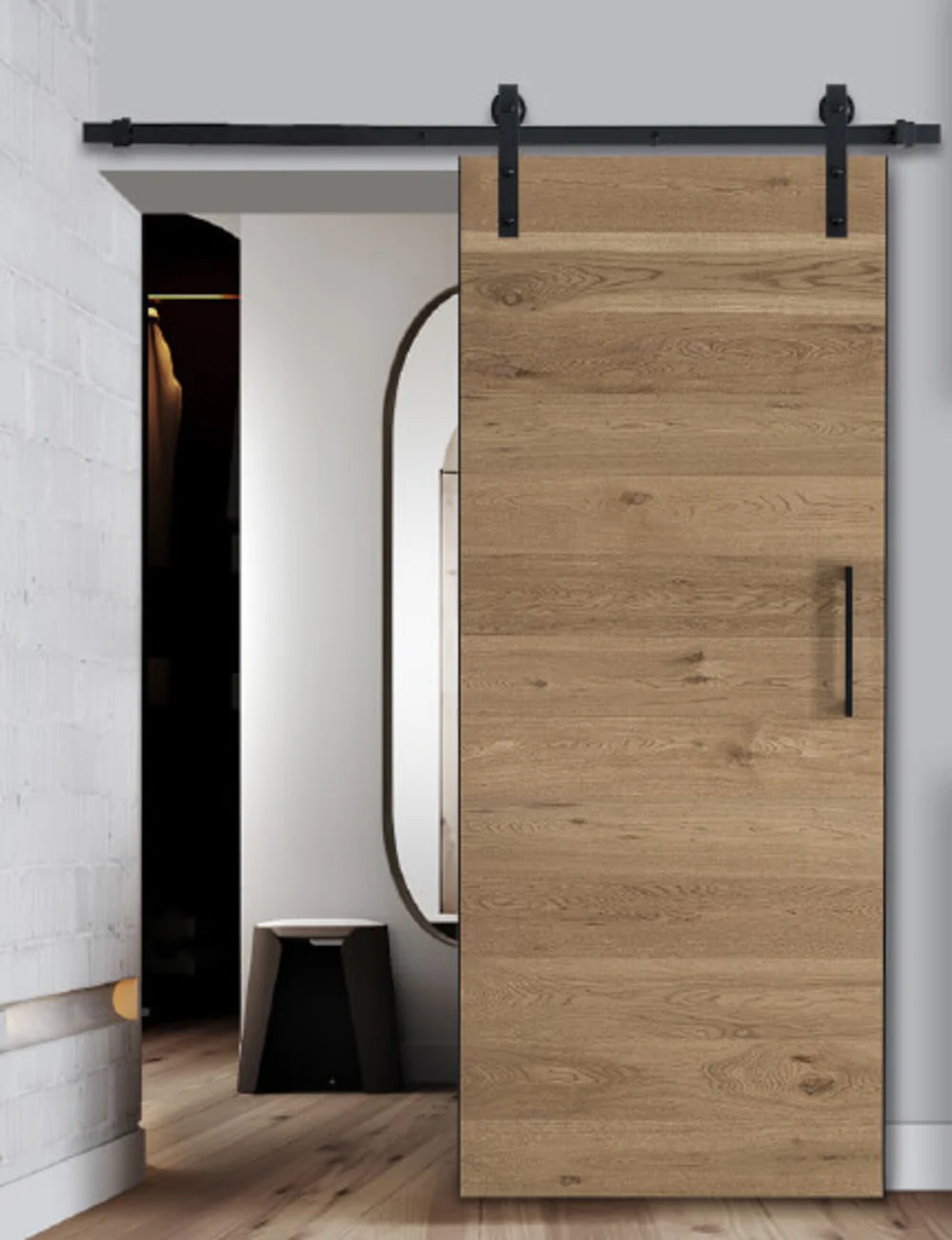
The pocket door is a unique sliding door design. Its biggest feature is that when the door is fully opened, it can smoothly disappear into the cavity in the wall or slide towards the exterior surface of the building, thus not occupying any indoor or outdoor use. space. This design makes pocket doors ideal for expanding visual space and improving space usage efficiency in modern homes and commercial spaces. Originating in the early 20th century, especially during the Victorian era, pocket doors became popular for their ability to elegantly separate a formal living room or serve as a decorative entryway. Its “invisible” feature, that is, the door body is completely hidden in the wall, provides a space separation solution that is both beautiful and practical, and avoids the problem of traditional hinged door opening methods taking up extra floor space.

How Does Pocket Door Work?
The operation of the pocket door is based on a carefully designed extended track system, which allows the door panel to smoothly recede along the top track and create a wide passage. Unlike traditional bi-folding doors, the opening of the pocket sliding door does not encroach on any outdoor terrace or indoor space, providing a barrier-free and continuous use space. Pocket doors can either slide along tracks on the ground or be installed on tracks above the ground. The built-in track and roller system enables smooth sliding of the door panels. Whether installed individually or in pairs, pocket doors flexibly adapt to space openings of varying widths, providing effective separation between spaces or providing privacy when required.
What Are the Advantages of Pocket Doors?
Pocket sliding doors have many advantages, they offer a flexible and practical solution for modern interior design.
Diverse Decorative Applicability
Pocket doors are suitable for various decorative styles, from traditional to modern, and can be perfectly integrated. Their design is flexible and can be minimalist, or you can choose modern hardware, color treatments, or accents such as frosted and stained glass to increase the visual appeal of your home.
Ultimate Practicality
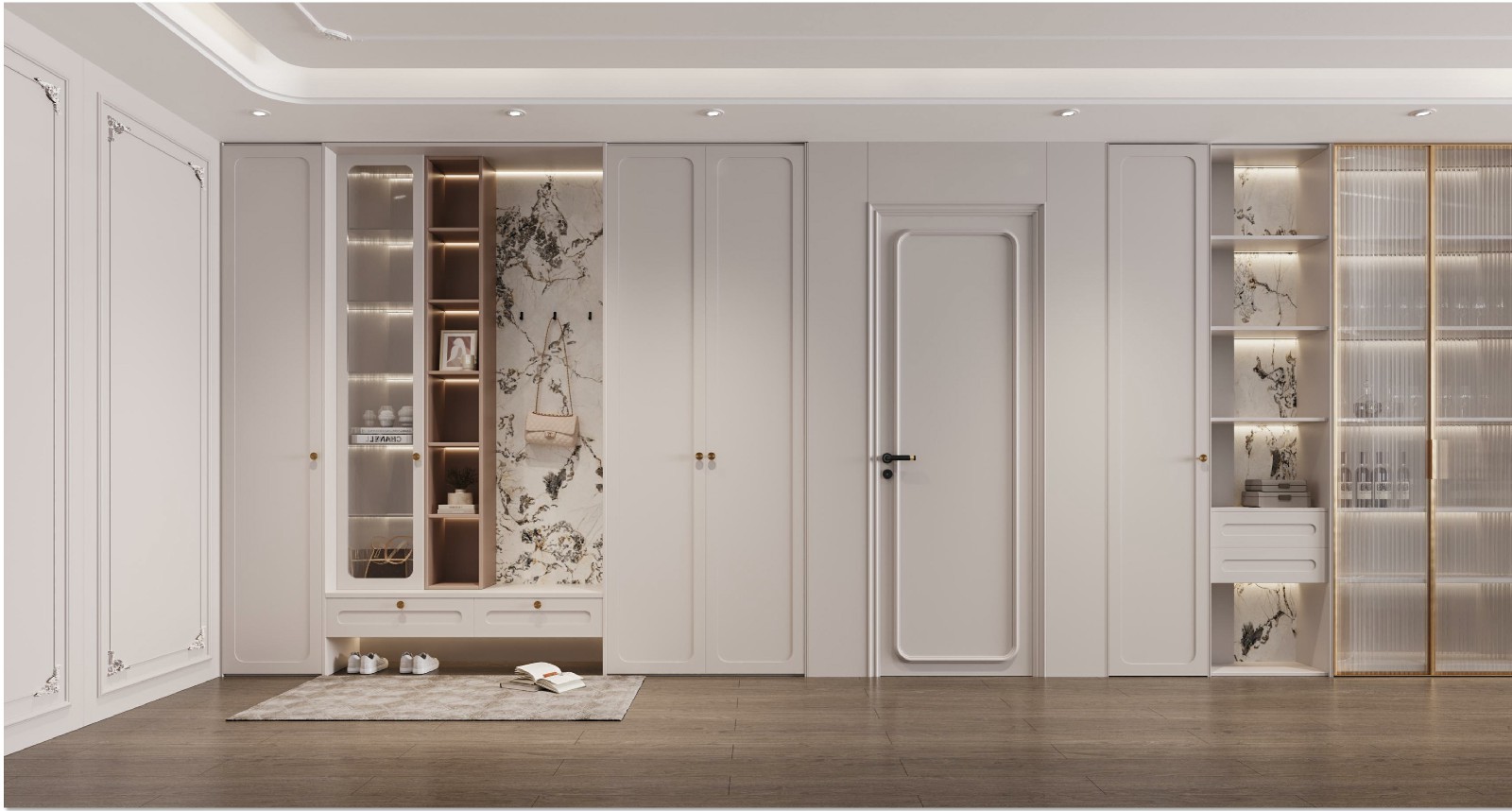
For small rooms with limited space that cannot install standard door openings, pocket doors provide an ideal solution. Ideal for use as closet doors or to connect two spaces such as a bedroom and a dressing room, or even to create areas of privacy in larger spaces, such as an office area discreetly located outside the kitchen.
Convert to Artwork
As an element of interior design, pocket doors provide a low-risk opportunity to experiment with new colors and textures. For homeowners looking to restore original elements of a historic home, using architectural salvaged materials can add period-specific details and an artistic flair to the space.
Flow of Inside and Outside Spaces
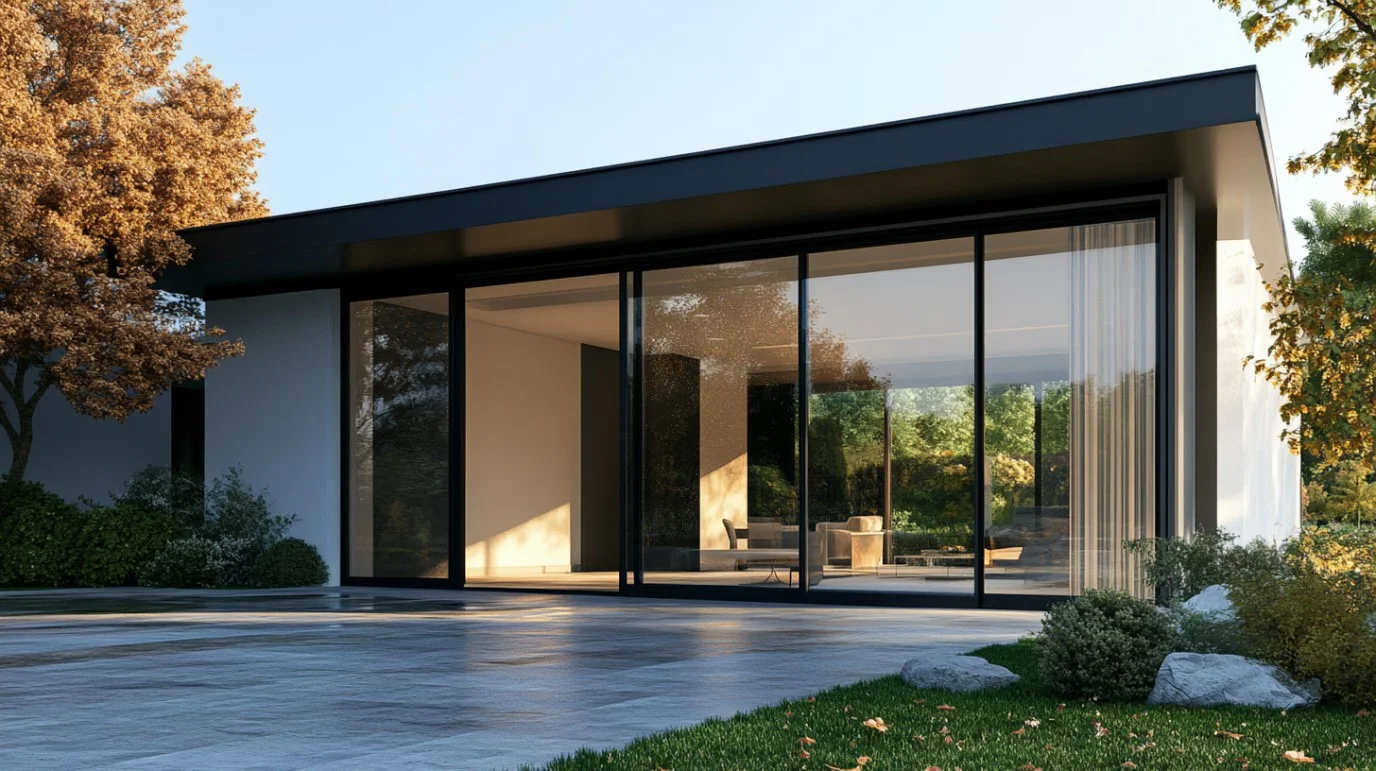
Pocket doors, no longer just used as interior doors, are now being used as exterior doors, making them ideal for creating a seamless connection between indoor and outdoor spaces. This design trend not only emphasizes internal and external flow, but also highlights the openness of the space and maximizes natural light. Especially glass pocket doors, they elegantly integrate the outdoor landscape with the indoor environment through large-area transparent glass designs.

What Are the Disadvantages of Pocket Doors?
While pocket doors bring many advantages to modern home designs, they also have some disadvantages to consider.
Maintenance and Repair Challenges
Pocket door hardware is hidden within the wall, making replacement or repair difficult. This can lead to increased maintenance costs, especially if the door locking system or slide rails need adjustment.
Soundproofing Issues
Pocket doors may not perform as well at soundproofing compared to traditional doors, which may be a consideration especially in spaces where privacy and a quiet environment are required.
Cost Considerations
Although pocket doors themselves cost about the same as standard doors, the extra work involved in installing them can increase the overall cost of the project, especially if modifications to existing walls are required. Some pocket doors are lockable, but the design of the door makes these locks difficult to operate, which can also make the door more expensive.
Operation Issues
Over time, pocket doors may experience derailment, jamming, or alignment issues that affect ease of use. Operating pocket doors can also be challenging for people with limited hand mobility.
Materials for Pocket Doors
Pocket doors are versatile and can be made from a variety of materials to suit different design needs and aesthetic preferences.Here’s a detailed look at common materials used for pocket doors and their characteristics:
Wood
Wood is a classic and versatile choice for pocket doors, appreciated for its natural beauty, warmth, and wide range of finishes. Depending on the desired look and budget, homeowners can choose from several types of wood:
- Solid Hardwoods such as oak, maple, walnut, and cherry are known for their durability, rich textures, and natural color variations. They can be stained or sealed to enhance their natural beauty or match specific design themes.
- Softwoods like pine and cedar offer a more cost-effective option but are less durable than hardwoods. They work well in less trafficked areas or when painted.
- Engineered Wood products like MDF (Medium-Density Fiberboard) or plywood provide a smooth, uniform appearance and are less susceptible to warping. They’re ideal for painted finishes and offer a more budget-friendly alternative to solid wood.

Glass
Glass pocket doors are a popular choice for modern homes, bringing lightness, transparency, and a sense of openness. They come in various styles:
- Clear Glass maximizes natural light and maintains visual connectivity between spaces.
- Frosted or Etched Glass offers privacy while still allowing light to pass through, suitable for bathrooms or bedrooms.
- Patterned or Colored Glass adds a decorative touch and can be used to complement interior design themes.
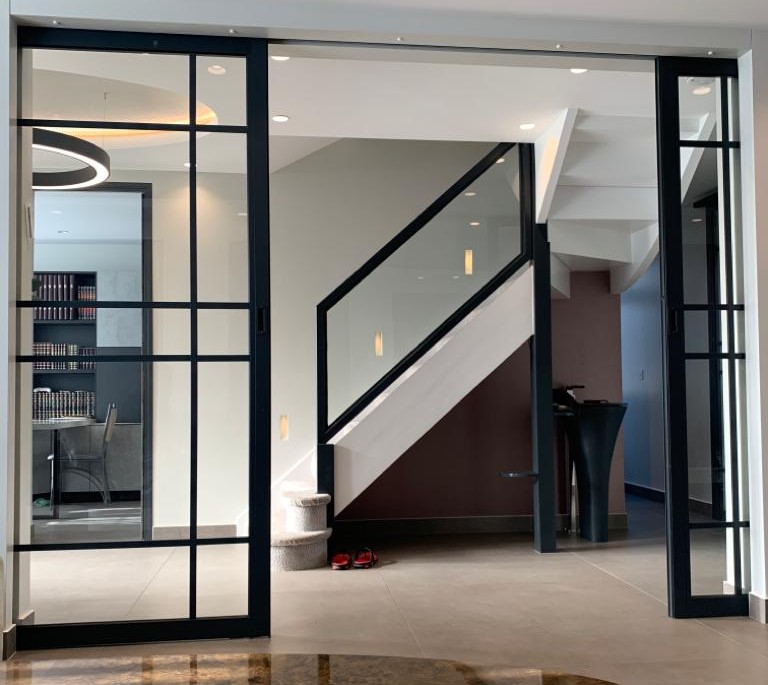
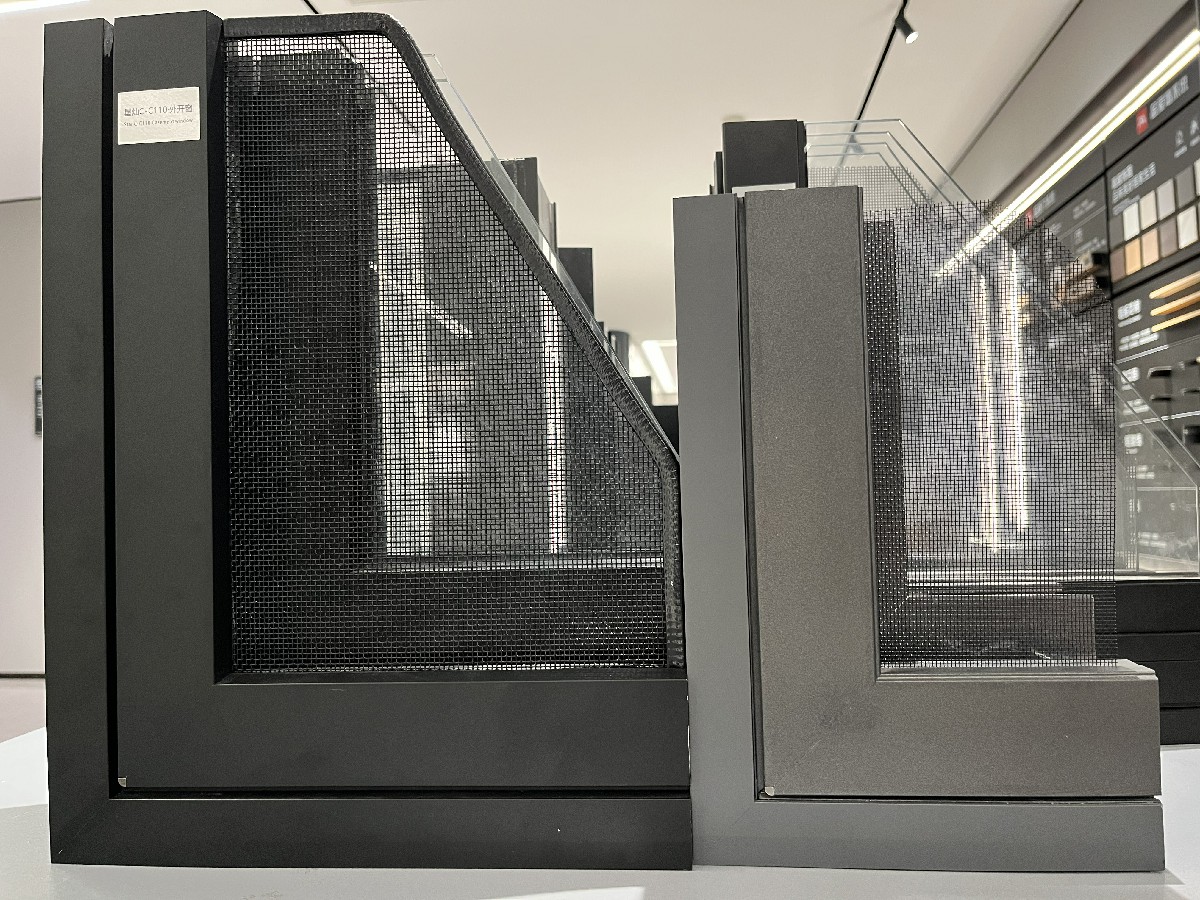
Aluminum
Aluminum is a contemporary choice for pocket door frames or as the primary material for the door itself. Aluminum stands out for several reasons:
- Durability: Aluminum is lightweight yet strong, resistant to corrosion, and requires minimal maintenance, making it suitable for both residential and commercial applications.
- Flexibility in Design: It can be easily shaped and sized to fit specific door openings and design requirements. Aluminum frames can hold large glass panels or solid inserts, offering versatility in appearance.
- Thermal and Acoustic Properties: When combined with appropriate glazing, aluminum doors can offer good insulation and soundproofing qualities.
- Aesthetic Appeal: Aluminum provides a sleek, modern look that complements contemporary design aesthetics. It can be anodized or powder-coated in various colors to match or contrast with the surrounding decor.
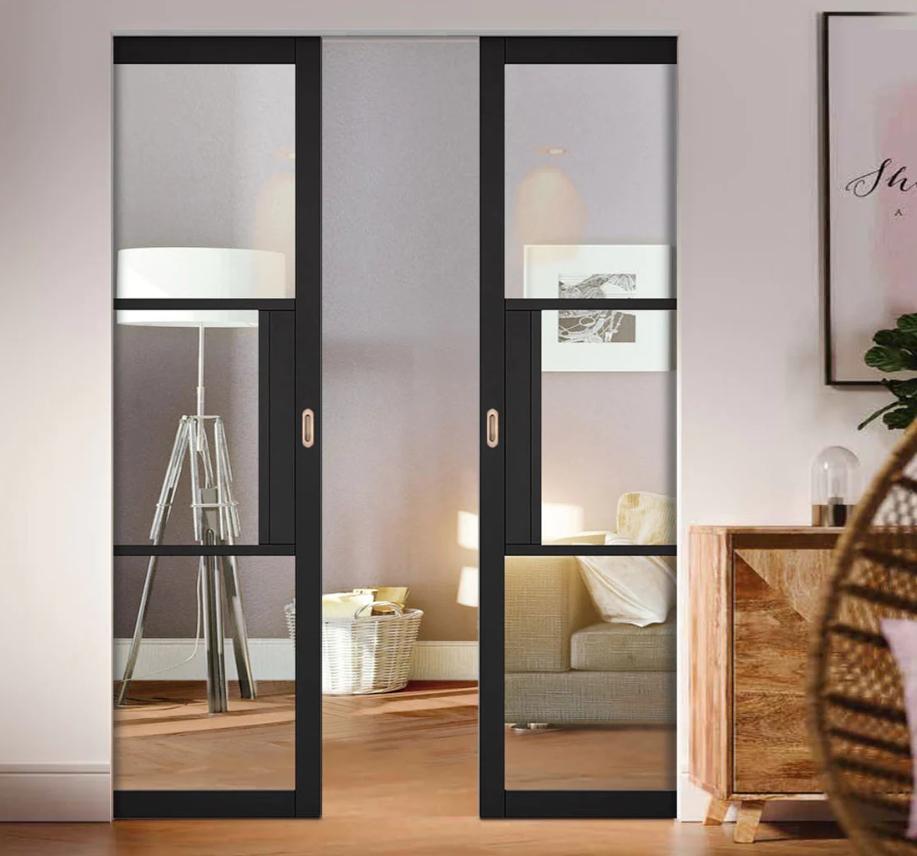
Composite Materials
Composite materials, such as PVC or fiberglass, offer practical alternatives to natural materials. They are designed for durability, resistance to moisture and termites, and low maintenance. Composites can mimic the appearance of wood or metal and come in a range of colors and finishes.

Different Types for Pocket Doors
When choosing a pocket door, the different types of pocket doors are directly related to your space needs, privacy preferences and door opening size considerations.
Single Pocket Door
Single pocket doors are the most widely used type and are particularly suitable for smaller openings such as bathrooms or closets. Typically constructed from 36 inch wide door panels, these doors can fit most standard door openings and are both practical and elegant enough to blend into a variety of interior design styles.

Double Pocket Door
Double pocket doors are ideal for wide openings and are particularly suitable for connecting large spaces such as living and dining rooms. This door type can be made of a variety of materials, such as aluminum, glass, and solid wood, to meet different design preferences. Its installation needs to ensure that there is enough space on the walls on both sides and there is no power or switch interference. When opened, the two doors slide into their respective wall cavities, creating a generous passage. Double pocket doors are a great option for homes that want to combine fine detail with functionality in their interior design.

French Pocket Door
French Pocket Doors combine the classic aesthetics of French doors with the space efficiency of pocket doors, bringing a blend of tradition and modernity to interior design. This type of door usually features a glass inlay, allowing natural light to penetrate while providing adequate privacy. Compared to traditional French doors, French pocket doors can be completely hidden within the wall when not in use, saving valuable space and avoiding the extra space required for door swings. This makes them particularly useful in environments where space is limited or where a smooth spatial layout is desired. Whether used as a connection between the bedroom and dressing room, or as a transition between the living room and balcony, French pocket doors provide a solution that is both practical and visually appealing.

Where Are Pocket Doors Used?
Pocket doors offer versatility and space efficiency in homes and commercial spaces, suitable for a variety of occasions and layout needs.
Home Applications
Bathrooms and Laundry Rooms
Single pocket doors are the most widely used type and are particularly suitable for smaller openings such as bathrooms or closets. Typically constructed from 36 inch wide door panels, these doors can fit most standard door openings and are both practical and elegant enough to blend into a variety of interior design styles.
Closets and Pantries
Pocket closet doors transform ordinary storage areas into stylish, accessible spaces. For pantries, a pantry pocket door with glass can offer a glimpse into the storage area, making it easier to see what’s inside without opening the door. This is not only practical but also adds a decorative touch to the kitchen or dining area. Incorporating mirrors into pocket doors for closets serves a dual purpose, providing full-length reflections while saving space.
Removable Room Dividers
In homes where flexibility and open space are desired, installing interior sliding pocket doors as room dividers allows homeowners to effortlessly transition between open-plan living and private, segmented spaces. French pocket doors, with their elegant design, can serve as a sophisticated option for dividing dining and living areas, offering the versatility to open up spaces for entertaining or close them for more intimate gatherings.
Patio Doors
Exterior pocket doors, including sliding pocket patio doors, offer a seamless transition between indoor and outdoor living areas. These doors can effectively merge the comfort of the interior with the beauty of the outdoor environment, making them perfect for entertaining or simply enjoying a connection with nature. Glass pocket doors used in this context can maximize the view and natural light, enhancing the overall living experience.
Commercial Applications
Single-Stall Bathrooms
In commercial settings, especially where space is limited, pocket doors provide a smart solution for single-stall bathrooms. By opting for a pocket door installation, businesses can make efficient use of small spaces, improving functionality without compromising on design. The use of high-quality pocket door hardware ensures durability and smooth operation, essential in high-traffic commercial environments.
Storage Areas
In business environments, effective storage solutions are crucial. Installing pocket doors for closets or storage spaces maximizes accessibility and space utilization. This is particularly beneficial in stock rooms or supply closets where easy access to materials is necessary. Pocket doors allow for full use of the storage space without the obstruction caused by traditional swinging doors.
Grand Entrances
Creating an impressive entrance with pocket doors can significantly enhance the aesthetic appeal and accessibility of a business. Whether it’s a retail store or a restaurant, the ability to open up an entire wall with pocket sliding doors invites customers into a welcoming and spacious environment. This openness can be particularly appealing in good weather, allowing businesses to blend indoor and outdoor spaces effectively.
Office Doors
Pocket doors in office settings can maximize usable space while offering a sleek, modern entryway. They are particularly useful for meeting rooms or private offices, where space-saving solutions are valued. The installation of soft-close pocket door kits can add a level of sophistication and functionality, reducing noise and enhancing the overall professional environment.
What Size of Pocket Door Frame Do I Need?
The size of the pocket door frame you need depends on a few factors, such as the size of your door, the wall space available, and the specific requirements of the pocket door hardware kit you plan to use. Here’s how to determine the right size for your pocket door frame:
Pocket Door Size
The most common interior door sizes are 24, 28, 30, 32, and 36 inches in width, and the standard height is usually 80 inches. Your pocket door frame needs to accommodate the door you choose, so start by selecting your door size.
Pocket Door Frame Sizing
Typically, the pocket door frame should be twice the width of the door plus an inch or two for clearance. For example, if you have a 30-inch door, you would need a 60-62 inch wide frame. This accounts for the door to slide completely into the pocket without obstruction.
Height Consideration
The standard height for pocket door frames accommodates an 80-inch tall door, but remember to account for any flooring or finishes that might affect the final opening height. Ensure there’s enough space above the door for the track and hardware, usually an additional 4-6 inches above the door height.
Wall Thickness
Standard pocket door frames are designed for walls with a thickness of 4-5/8 inches, which corresponds to a 2×4 wall with half-inch drywall on each side. If your wall is thicker (e.g., due to thicker drywall or a 2×6 construction), you may need a custom or adjustable frame.
Track Size
The track’s length should match the door’s length to ensure smooth operation. Typically, the track width should be between 60-80 millimeters, and the height should range from 10-20 millimeters, tailored to match the door’s dimensions.
Hardware Requirements
Different pocket door hardware kits might have specific frame requirements, especially regarding the available space above the door and the structural support needed. Always check the manufacturer’s specifications for your hardware to ensure compatibility.
Room Size and Scale
The appropriate door size should also be determined based on the overall size and proportion of the room to ensure harmony between the door and the space.
Accessibility Needs
Especially important in public or commercial spaces, consider whether the door needs to meet the accessibility standards set by the Americans with Disabilities Act (ADA) or other local building codes. This may involve considerations for door size, doorway width, and the force required to operate the door.
The above factors need to be considered when choosing the size of your pocket sliding door. These factors not only affect installation and daily use, but also the overall aesthetics and functionality of the space. Before finalizing the dimensions, it is recommended to thoroughly understand all relevant requirements and, if possible, consult a professional to ensure that the chosen door type meets all usage and design needs.
Conclusion
In the diverse market of pocket doors, PA Window and Door stands out as a premier supplier, renowned for the exceptional quality of our aluminum pocket sliding doors. Each door we produce undergoes rigorous testing through numerous open and close cycles and is thoroughly inspected to identify and address any potential fault points. Designed to cater to both residential interiors and commercial or public applications, our modern pocket door blends functionality with aesthetic appeal. Whether you want to custom an aluminum pocket door or an aluminum glass pocket door, we invite you to contact us for expert advice and top-notch solutions. Trust PA Window and Door to elevate your space with the sophistication and durability of our pocket doors.
Frequently Asked Questions (FAQs)
Yes, you can install a pocket door frame in an existing wall, but it requires careful planning and preparation. You’ll need to remove the drywall and any insulation to create space for the pocket door assembly. Ensure there are no electrical wires, plumbing, or HVAC ducts in the wall where you plan to install the door. If there are, you may need to reroute them.
Modern pocket doors are versatile and can be a great addition to various spaces, including offices, residential homes, bathrooms, kitchens, and closets. Their space-saving nature and stylish appearance make them suitable for both small and large rooms looking for a modern touch.
Yes, potential hidden costs may include repairs to flooring or walls after installation, painting or finishing work, and adjustments to electrical wiring or plumbing that runs through the installation wall. It’s wise to allocate an additional 10-20% of your budget for unforeseen expenses.
Measure the height and width of the existing door or the opening in the pocket door frame. Standard pocket doors are typically 80 inches tall, but widths can vary. Ensure the replacement door is the same size for a proper fit. If the door needs trimming, it’s best to remove equal amounts from both sides or the bottom, keeping the top intact where the rollers attach.
Absolutely! Pocket patio doors are an excellent choice for seamlessly blending indoor and outdoor spaces. For patio applications, consider large glass pocket doors to maximize natural light and enhance your view. Additionally, pocket screen doors can be integrated to allow for ventilation while keeping pests out. When choosing patio pocket doors, ensure the glass is weather-resistant and the tracks are designed for outdoor exposure.
Your choice depends on the specific needs of your space and your personal style. For a unique approach, consider bifold pocket doors, which offer a blend of traditional bifold operation and pocket door space efficiency. Innovative pocket door ideas include using mirrored glass to enhance light in smaller rooms or selecting decorative panels that double as art pieces. Retailers like Lowes offer a range of pocket doors, providing options from basic to high-end finishes that can suit any decor style.