Doors do more than separate spaces. They affect privacy, light, movement, and how a home feels day to day. Choosing the right door type matters, because different doors perform very differently depending on where and how they are used.
From interior and exterior applications to opening methods and materials, each type of door serves a specific purpose. This guide explains the main door types in a clear, practical way, helping you understand how they work and where they make the most sense in a home.
Types by Function (Interior vs Exterior)
Interior Doors
Interior doors are part of everyday life—you open them dozens of times a day without really thinking about it. They help define rooms, create privacy, and shape how comfortable a space feels. In most homes, interior doors aren’t about heavy protection. They’re about how smoothly they work, how much space they take up, and whether they fit the overall look of the interior.
Bedrooms, bathrooms, living areas, and closets all rely on interior doors in different ways. A door that works perfectly in a bedroom may feel awkward in a narrow hallway or a small bathroom. That’s why interior doors are usually chosen based on layout, movement, and visual balance rather than strength alone.

Exterior Doors
Exterior doors play a very different role. They’re the first line of protection between your home and the outside world, and often the first thing people notice when they arrive. These doors need to feel solid and secure, while also handling weather, temperature changes, and daily wear over time.
Main entrance doors, back doors, and patio access doors all fall into this category. While appearance still matters, exterior doors are usually chosen with durability, safety, and long-term performance in mind—because once they’re installed, you expect them to work reliably for years.

Types by Opening Mechanism
How a door opens has a bigger impact on daily comfort than many people expect. The opening mechanism affects how much space you need, how smoothly rooms connect, and whether a door feels convenient or gets in the way. Below are the most common opening styles you’ll see in homes, each suited to different layouts and lifestyles.
Hinged / Swinging Door
Hinged doors are the most familiar type. They swing open on side hinges and are easy to use, easy to install, and easy to live with. Because they don’t require special wall construction or hardware, they work well in most rooms, from bedrooms to bathrooms and home offices.
The main thing to consider is clearance. Hinged doors need enough space to swing open comfortably, which can be limiting in narrow hallways or compact rooms. Where space allows, however, they remain the most straightforward and reliable option.

Sliding Door
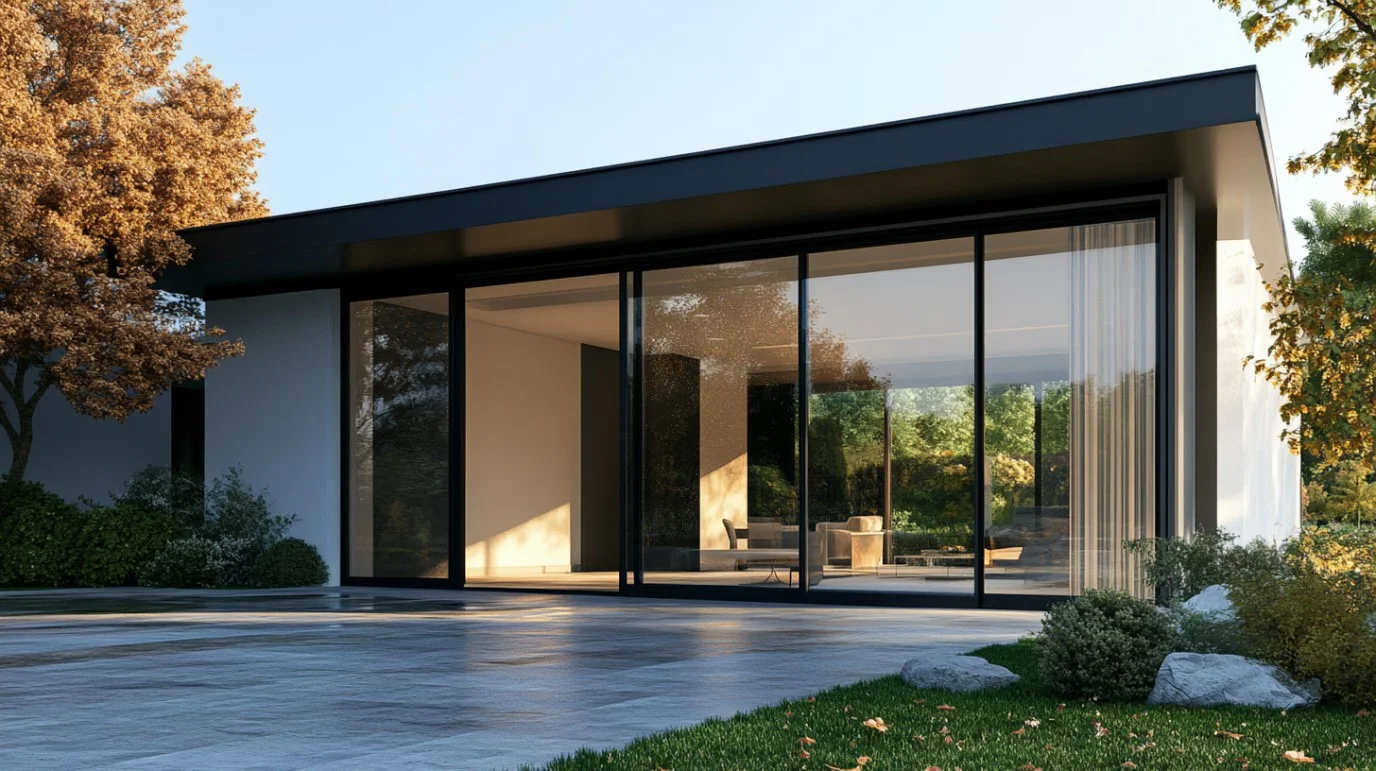
Sliding doors move along a track instead of swinging outward, making them a popular choice for saving space. They’re often used in areas where floor clearance matters, such as small rooms, closets, or spaces that connect visually, like living rooms and patios.
Because sliding doors stay within their own track, they create a clean, modern feel. That said, they don’t always seal as tightly as hinged doors, so they’re usually chosen for convenience and layout flexibility rather than maximum privacy.

Pocket Door
Pocket doors take the sliding concept a step further by disappearing completely into the wall when open. This makes them ideal for tight spaces where every inch counts, such as bathrooms, laundry rooms, or between a kitchen and dining area.
They create a very clean look, but they do require proper wall planning. Once installed correctly, pocket doors offer excellent space efficiency without visually cluttering the room.

Barn / Track Door
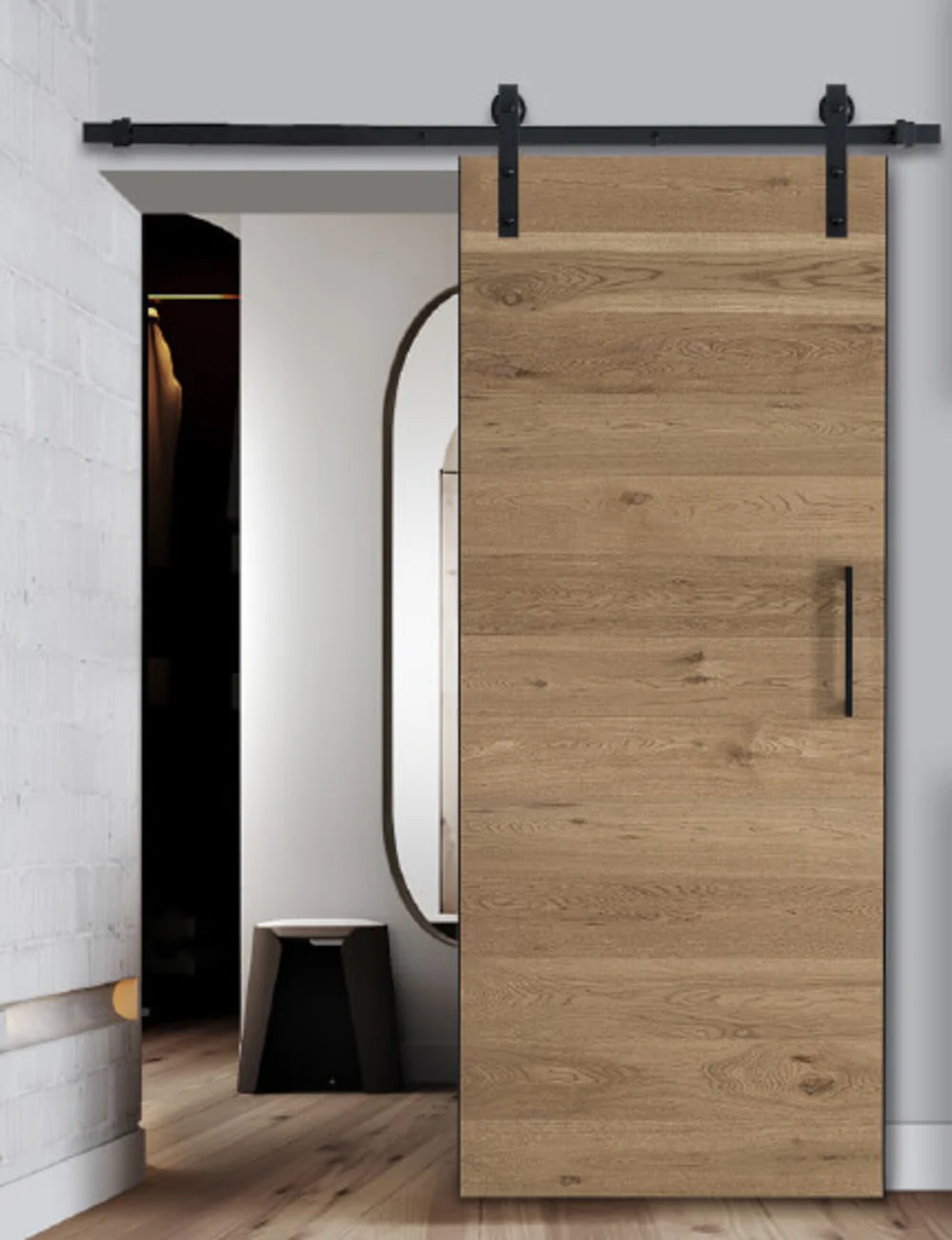
Barn doors slide along an exposed track mounted outside the wall. They’re often chosen as a design feature as much as a functional door, adding character and a more casual or rustic feel to an interior.
Because the door sits in front of the wall rather than inside it, barn doors are easy to install but don’t provide a full seal. They work best in spaces where privacy isn’t critical, such as home offices, pantries, or accent room dividers.

Bifold / Accordion Door
Bifold and accordion doors fold in sections as they open, making them practical for wider openings or closets. They allow access to a larger area without needing the full swing space of a hinged door.
These doors are commonly used where flexibility matters more than a solid, closed-off feel. They’re functional and efficient, especially in storage areas or transitional spaces.

French Door
French doors consist of two doors that open from the center, creating a wide and welcoming opening. They’re often used to connect living areas, dining rooms, or indoor and outdoor spaces, where light and openness are important.
When closed, French doors still feel light and elegant. When open, they create a strong sense of connection between spaces, making them as much a design choice as a functional one.

Pivot Door
Pivot doors rotate on a central or offset pivot point instead of traditional side hinges. They’re less common but increasingly popular in modern and high-end homes, especially for main entrances or statement interiors.
These doors make a bold visual impact and feel smooth to operate, but they require precise planning and hardware. Pivot doors are usually chosen for their architectural presence rather than everyday practicality.

Types by Material
The material of a door affects how it feels, how it performs over time, and how much maintenance it needs. While opening style determines how a door moves, material determines how it sounds, how durable it is, and how it fits into daily life. Below are the most common door materials used in homes and what they’re best suited for.
Solid Wood
Solid wood doors are known for their weight, warmth, and natural character. They feel substantial when opened or closed and typically provide better sound control than lighter options. Because of their appearance and performance, they’re often used in bedrooms, studies, or areas where a more refined look is desired.
That said, solid wood doors are heavier and usually come at a higher cost. They also respond to changes in temperature and humidity, which is something to consider depending on the environment.

Hollow Core & Solid Core
Hollow core and solid core doors are among the most common choices for interior spaces. Hollow core doors are lightweight and budget-friendly, making them suitable for areas where sound insulation isn’t a priority. Solid core doors, on the other hand, feel denser and offer noticeably better noise reduction while still being more affordable than solid wood.
Both options work well in modern homes, with the choice usually coming down to comfort level, privacy needs, and budget rather than appearance alone.

Fiberglass
Fiberglass doors are valued for their stability and low maintenance. They don’t warp easily and handle temperature changes well, which makes them a popular choice for exterior use. Many fiberglass doors are designed to mimic the look of wood while offering better resistance to weather.
They’re often chosen for entry doors where durability and consistent performance matter more than traditional materials.
Metal / Steel
Metal and steel doors are built for strength. They’re commonly used for exterior applications where security and long-term durability are key concerns. These doors tend to perform well in terms of impact resistance and structural stability.
While metal doors are highly practical, their appearance is usually more straightforward, so they’re often paired with clean, modern designs rather than decorative interiors.

Glass & Glass-Framed
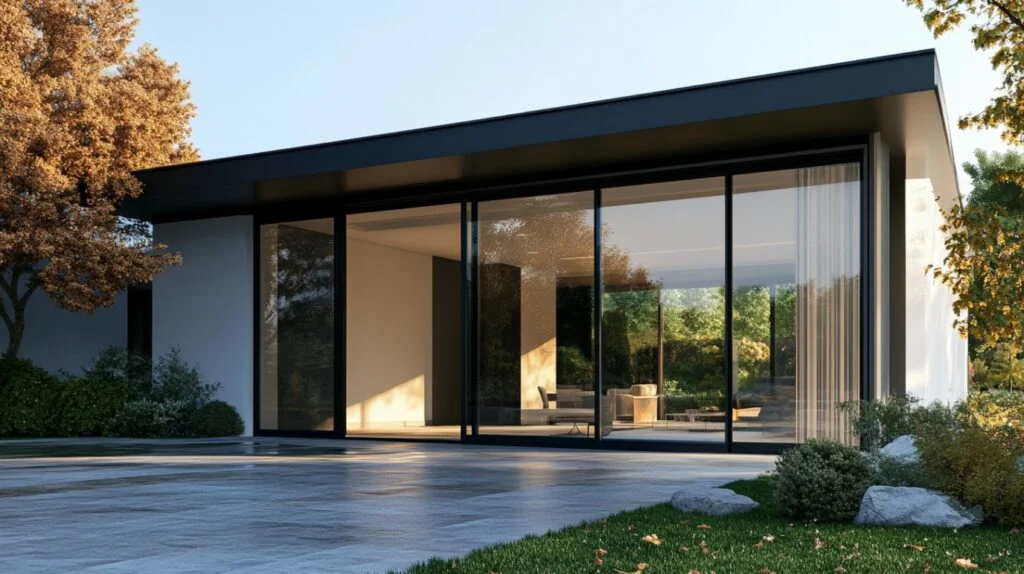
Glass doors and glass-framed doors are mainly used to enhance light and visual openness. They’re frequently seen in sliding doors, French doors, and interior partitions where maintaining a sense of connection between spaces is important.
Privacy and sound control depend heavily on the type of glass used, so these doors are best suited for living areas, offices, or transitional spaces rather than bedrooms or bathrooms.

Performance Comparison
When comparing different door types, performance often matters more than appearance alone. How a door handles noise, wear, budget, and design impact can shape the long-term comfort of a space. Instead of focusing on one specific door style, it helps to look at these factors side by side.
Noise Reduction
Sound control varies widely between door types. Heavier doors and doors with denser cores generally block noise better, making them more suitable for bedrooms, offices, or shared living spaces. Lighter constructions and doors with gaps around the frame tend to allow more sound to pass through, which may be acceptable in low-privacy areas but less ideal for quiet rooms.
Durability & Maintenance
Durability depends on both construction and location. Doors used frequently or exposed to outdoor conditions need to hold up against wear, moisture, and temperature changes. Some door types require minimal upkeep over time, while others may need occasional adjustment, refinishing, or hardware checks to stay in good condition.
Budget & Cost Range
Cost is influenced by material, size, and complexity. Simple interior doors are generally more budget-friendly, while custom designs, heavier constructions, or large-format doors tend to increase the price. It’s often worth balancing upfront cost with long-term performance, especially in high-use areas.
Aesthetic & Design Impact
Doors play a subtle but important role in interior design. Some styles blend quietly into the background, while others become visual features that define a space. The right choice depends on whether the goal is visual continuity, architectural emphasis, or a mix of both. A door that works well functionally but clashes with the overall design can disrupt the flow of a room.
Where to Buy Different Door Types?
Once you understand how different door types work, the next step is knowing where to find the right solution. Not all doors are created equal, and factors like sizing, material quality, hardware compatibility, and installation support can make a big difference in how a door performs over time. Whether you’re choosing standard interior doors or planning a more customized solution, working with an experienced supplier helps avoid costly adjustments later.
PA Window offers a wide range of door solutions for residential and project-based needs, covering interior doors, exterior doors, and custom applications. With integrated manufacturing and project experience, PA Home helps ensure consistency in design, reliable quality, and smoother coordination from selection to installation.
If you’re planning a new build, renovation, or simply want expert guidance on choosing the right door type for your space, you can contact PA Window to explore suitable options and get professional support tailored to your project.
FAQs about Different Door Types
PVC doors are lightweight, water-resistant, and cost-effective, making them suitable for humid areas and budget projects. WPC doors (Wood Plastic Composite) tend to be stronger, more durable, and offer a more natural wood-like feel. For long-term performance and a premium look, WPC is usually the better choice; for moisture-prone locations or lower cost, PVC can be more practical.
Sliding doors and pocket doors are usually the best options for small spaces because they don’t require swing clearance and help keep walkways open.
In most cases, yes. Hinged doors with solid or solid-core construction generally provide better sound insulation than sliding or barn-style doors.
Hinged or pocket doors are commonly used for bathrooms. Moisture-resistant materials and proper ventilation matter more than door style in these spaces.
Hollow core doors are lighter and more affordable, while solid core doors feel sturdier and offer better noise reduction, making them a popular upgrade for bedrooms and offices.
Sliding and bifold doors are commonly used for closets because they allow easy access without taking up extra floor space.