When it comes to designing or renovating a home, the size of the interior doors is often something that gets overlooked. Yet, the right door size can dramatically influence the overall look and functionality of your space. In this article, we’ll walk you through all the essential details of interior door sizes, providing you with the knowledge you need to make the best choice for your home.
What Is A Standard Door Size?
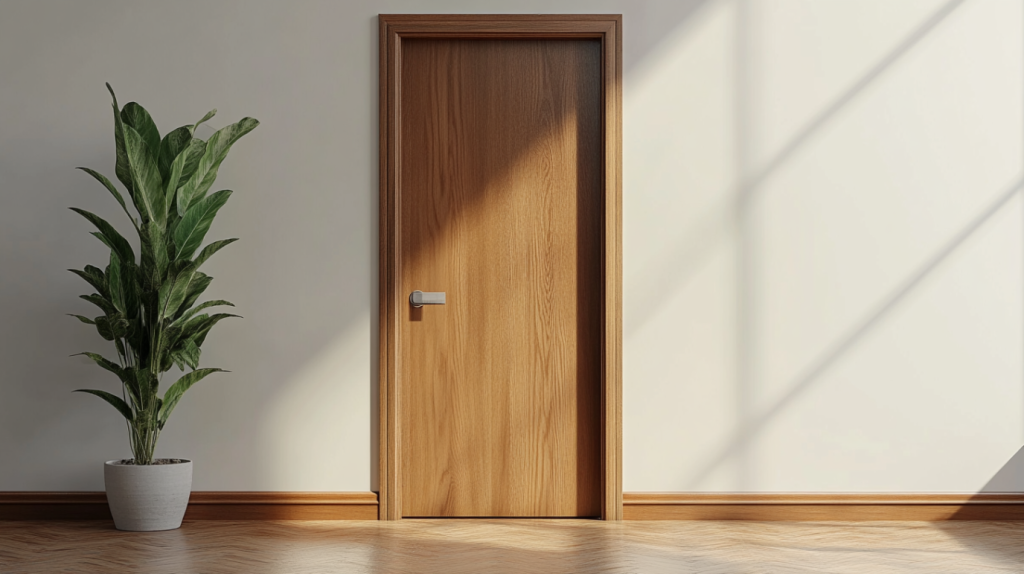
Standard door sizes are the typical measurements that door manufacturers produce in bulk. These sizes are designed to fit most common home layouts and building codes, making them readily available and relatively inexpensive. Standard interior doors usually come in a set of predetermined widths and heights.
Standard Door Heights:
The most common height for interior doors is 80 inches (6 feet 8 inches). Some homes may have 84-inch doors (7 feet), but 80 inches is the typical height for most rooms.Standard Door Widths:
The width of standard doors typically ranges from 24 inches to 36 inches, with 30 inches being the most common width for bedroom and living room doors. Bathroom doors may be narrower, ranging from 24 to 28 inches, to save space in smaller rooms.Standard Door Thickness:
Standard doors are usually 1 3/8 inches thick, although thicker doors (1 3/4 inches) may be used in some applications, such as for exterior doors or higher-end interiors.

What Is A Custom Door Size?
Custom door sizes, on the other hand, are made-to-order doors designed to fit specific measurements or unique designs. These doors are ideal for spaces that don’t conform to standard sizes or for homeowners who want something tailored to their exact needs.
Customized Dimensions:
Custom doors can be made to any height, width, or thickness. For example, if you have unusually high ceilings or need a wider door for accessibility, a custom door is your best bet.Tailored Design and Style:
Custom doors offer flexibility in terms of materials, designs, and finishes. Whether you want a unique wood species, a special glass design, or a non-traditional color, custom doors can match your aesthetic preferences.
Replacing a standard door with a non-standard one requires adjustments to the door frame and rough opening. (True)
Yes, you can replace a standard door with a non-standard one, but it might require modifications to the door frame or rough opening to accommodate the new size. It’s important to ensure the door fits the space properly.
Cost Differences Between Standard and Custom Doors
The cost ranges you’ve mentioned for standard and custom doors are generally accurate, but they can vary depending on factors like location, specific materials, the complexity of the design, and where you’re purchasing from.
Standard Doors:
Cost Range: $50 to $300
Material Impact: The cost of standard doors is mainly influenced by the material used (e.g., hollow-core doors are cheaper than solid wood doors) and the design (simple doors tend to be less expensive).
Common Types: Hollow-core MDF or composite doors are typically at the lower end of the price range, while solid wood or more decorative designs (e.g., panel doors) will cost on the higher end.
Custom Doors:
Cost Range: $500 to over $2,000
Material Impact: Custom doors can get very expensive depending on the material (e.g., hardwoods like oak, cherry, or specialty materials like glass or steel), and whether it’s a bespoke design or requires unique features (such as oversized doors or intricate carvings).
Design Complexity: Custom doors often come with additional design elements (e.g., custom glass inserts, exotic wood veneers, unique finishes), which increase the cost.
Size Requirements: Larger doors (such as double doors or oversized options) or non-standard sizes (e.g., doors taller than the usual 80 inches) also contribute to higher costs.

What Is the Rough Opening Size?
The rough opening size refers to the space in the wall that will house your door frame. It’s the gap between the studs where the door will be installed before the frame, hinges, and trim are added. Getting the rough opening size correct is crucial for a smooth installation, as it ensures the door fits properly and operates correctly.
Why is the Rough Opening Important?
The rough opening allows for adjustments in case of slight variations in the door or frame dimensions. It also accommodates the necessary gaps for the door to swing open and close smoothly without sticking. If the rough opening is too tight, it can cause issues such as difficulty closing the door, damaging the frame, or preventing the door from being installed at all. On the other hand, if it’s too wide, it can lead to extra work when it comes to sealing, trim work, or finishing.
How to Calculate the Correct Rough Opening Size
Standard Door Sizes: For a standard 80-inch tall interior door with a width of 30 inches, the rough opening size will typically be about 2 inches wider and 2 1/2 inches taller than the actual door. So, for a 30-inch door, the rough opening would be 32 inches wide by 82 1/2 inches tall.
Adjusting for Larger Doors: If you’re installing a larger door (for example, a 36-inch door), you’ll need to add a similar margin to the width and height. This means the rough opening for a 36-inch door would typically be 38 inches wide by 82 1/2 inches tall.
 Common Concerns
If the rough opening is too small, you may need to trim the door frame or adjust the wall framing, which can be time-consuming and costly. On the other hand, if the rough opening is too large, you’ll need to use additional materials like shims or extra trim, which makes the installation process less efficient.
How Do You Choose the Right Door Size for Different Rooms?
Choosing the right door size for different rooms is essential for both functionality and aesthetics. Here’s how to approach it:

Consider the Room's Function
Bedroom Doors: Typically, 28–30 inches wide works well for privacy without overcrowding the space. You might want a larger door for a master bedroom (32 inches or more) to enhance the room’s appeal.
Bathroom Doors: Since bathrooms require privacy, a smaller door (24–28 inches) may be more appropriate to save space. However, if accessibility is a concern, consider wider doors (at least 32 inches).
Closet Doors: For small closets, 24–28 inches works. Walk-in closets might require larger doors, like 30–36 inches, to allow easy access to the space.
Living Rooms or Open Spaces: If you’re incorporating doors between large rooms, consider using French or sliding doors for a more open feel. They should be wide enough to allow comfortable movement, typically 32–36 inches.
Account for Door Height
Standard interior doors are usually 80 inches tall. If you’re working with a room that has higher ceilings, you might want to choose a taller door (84 or 96 inches) to complement the space.
Think About Flow and Accessibility
For high-traffic areas or homes with elderly members or those with mobility challenges, wider doors (36 inches) are ideal, as they allow more space for movement and better accessibility.
For smaller rooms, such as a hallway or a small office, standard-size doors (28–30 inches) are more appropriate to maintain balance and avoid overwhelming the space.
Style Considerations
The size of the internal door should align with the overall style of the room. A larger, more decorative door might be appropriate for a formal living room or dining room, while a simple, standard door is sufficient for functional spaces like a bathroom or closet.

How Do Door Style and Material Affect Size Requirements?
The style of the door can affect both its physical dimensions and how it fits within your home’s overall aesthetic. Different door styles have varying requirements in terms of width, height, and thickness, especially when you’re dealing with custom designs or specialty doors.
1. How Does Door Style Impact Size?
The style of the door can affect both its physical dimensions and how it fits within your home’s overall aesthetic. Different door styles have varying requirements in terms of width, height, and thickness, especially when you’re dealing with custom designs or specialty doors.
1
Panel Doors (Traditional Style)
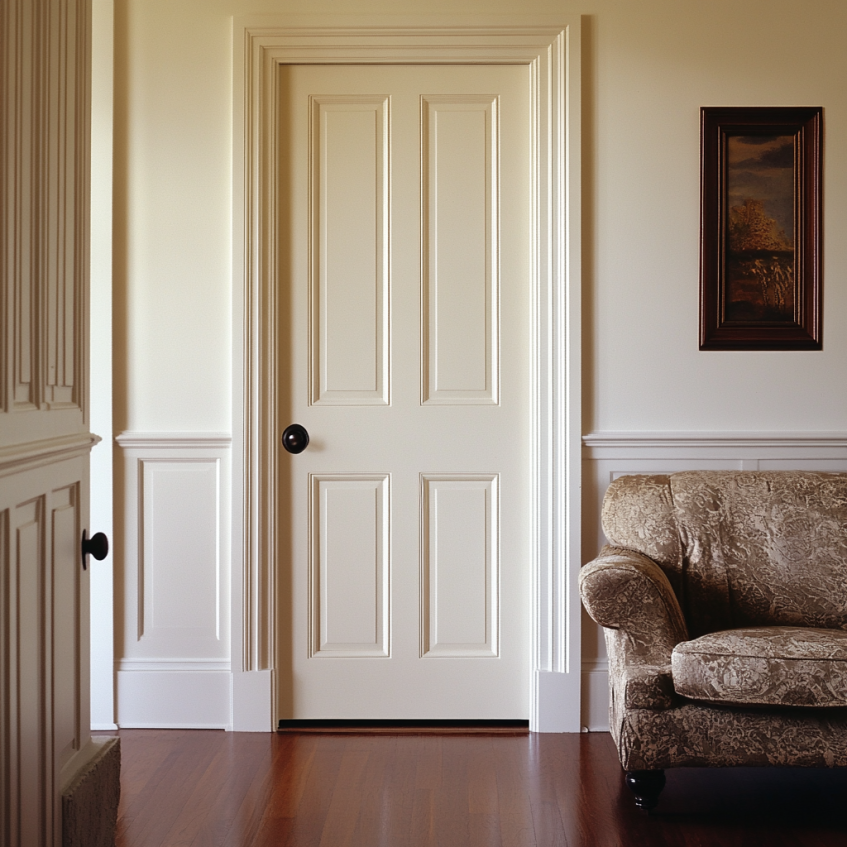
Panel doors, which are commonly used in traditional and colonial-style homes, usually come in standard sizes but can be made in custom sizes to suit a more specific aesthetic. The number of panels (usually 4 or 6) does not affect the internal door size, but the thickness of the door may increase, especially for higher-end models. Panel doors are usually 1 3/8 inches thick for standard doors, but thicker models are available for added durability and soundproofing.
2
French Doors (Double Doors)
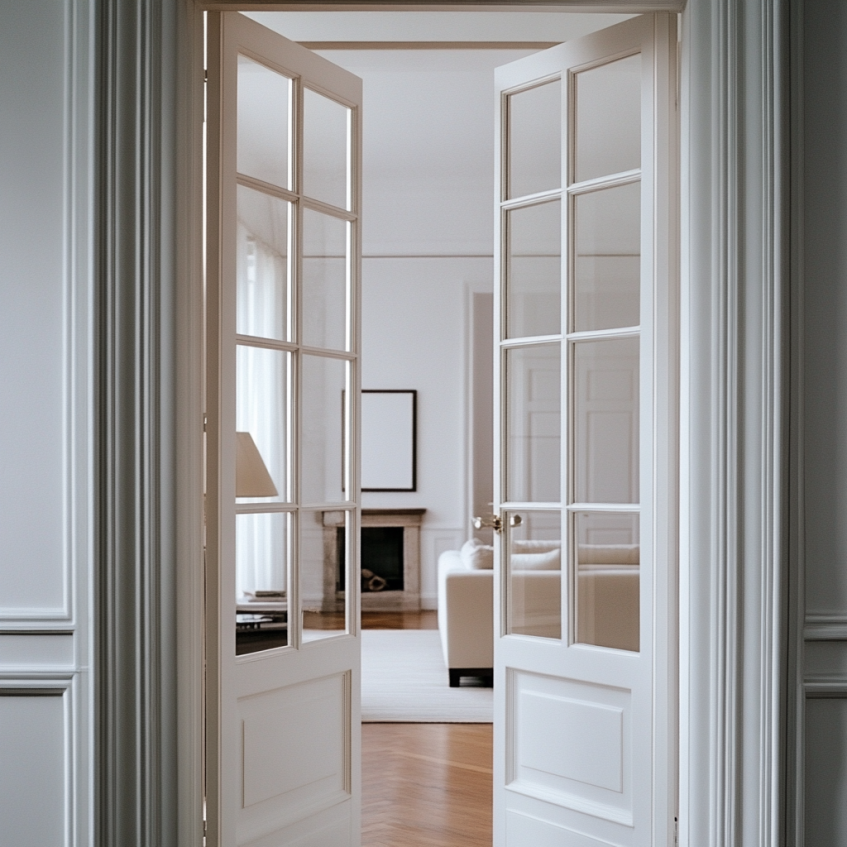
French doors are often wider than standard doors because they consist of two panels, and they require more space in the rough opening to accommodate both door panels. Standard French doors are typically 80 inches in height but are often 60 inches or 72 inches wide. Some modern French doors are designed with glass, and the width can be adjusted based on the opening demension and the desired look.
3
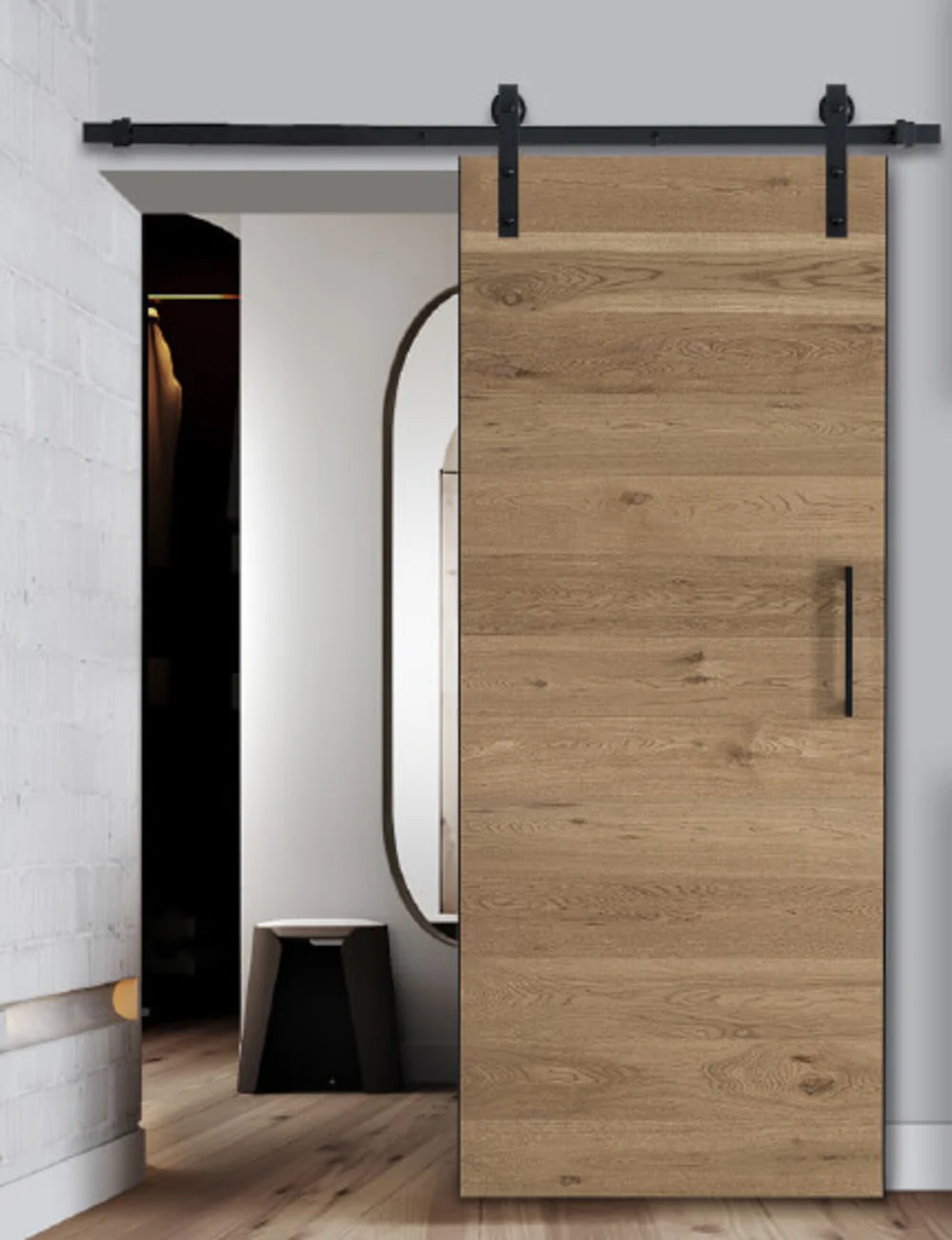
Sliding Doors (Barn Doors or Pocket Doors)
Sliding doors, such as barn doors, don’t swing open like traditional doors, so they require a different installation approach and can be installed in larger openings. Typically, they can be sized from 30 inches to 48 inches wide, depending on the space and aesthetic you’re aiming for. Pocket doors, which slide into the wall, may need to be custom-made to fit the wall cavity and allow proper sliding function.


4
Bi-Fold and Accordion Doors
These accordian doors(folding doors) are often used in closets, laundry rooms, or smaller spaces. Their width can vary based on the number of panels, and they are typically 6–8 feet in height. Bi-fold doors can range in width from 24 to 48 inches and are ideal for closets that need a larger opening but limited floor space for a swing door.
5
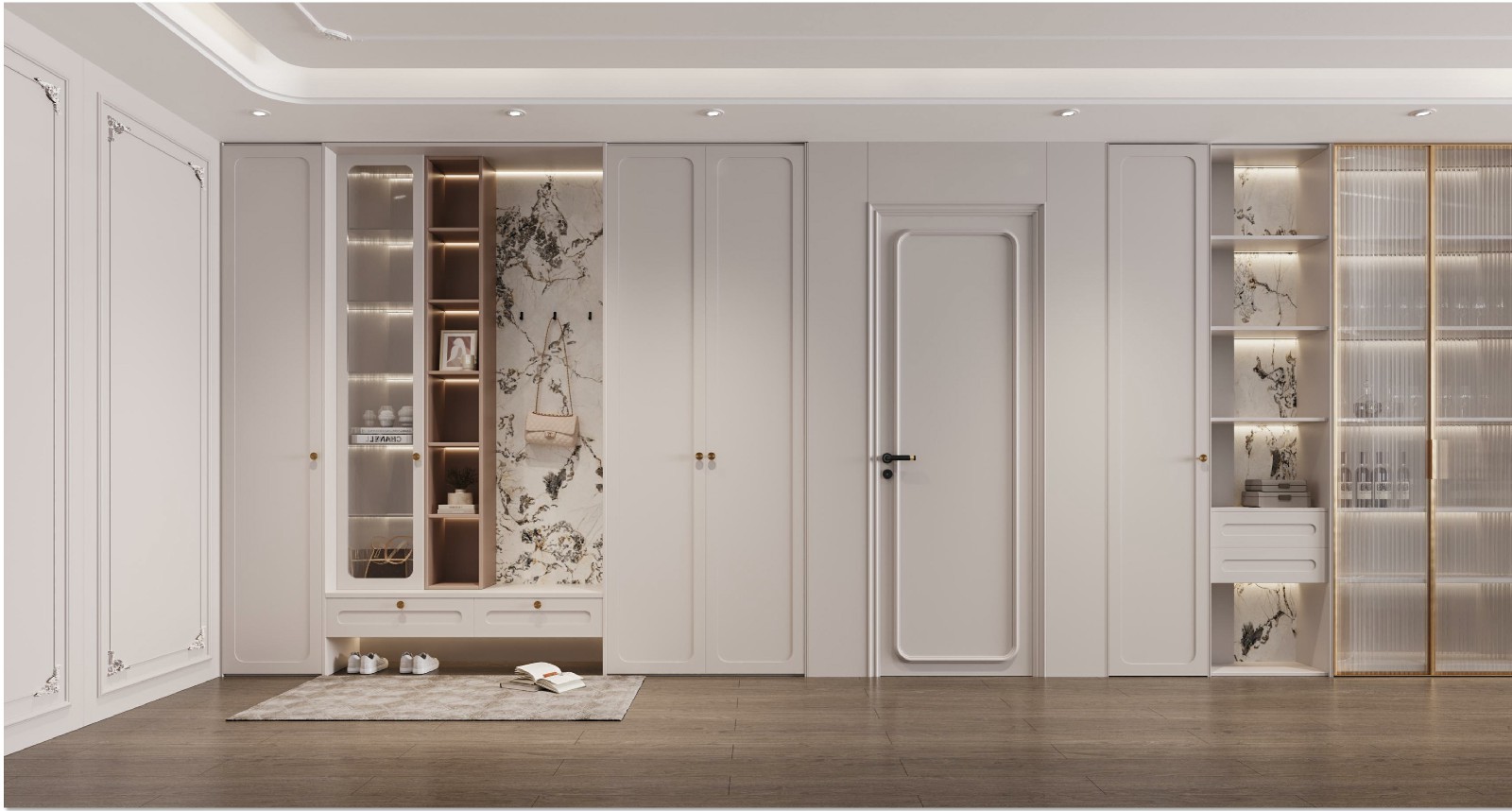
Custom Doors
If you’re looking for a more unique door style—such as a contemporary door with glass panels, a modern flush door, or an oversized entryway—you might need a custom size. Custom doors can vary greatly in height, width, and thickness to suit the room’s design and the desired architectural elements. Oversized doors, like those with 9-foot or 10-foot heights, can provide a dramatic look but require a larger rough opening.

2. How Does Door Material Affect Size?
The material of a door affects its weight, thickness, and the type of frame required for installation. Heavier and more solid materials may require a more substantial frame and adjustments to the rough opening.
Wooden Doors
Solid wood doors are typically thicker (1 3/4 inches), offering strength and durability but requiring a larger frame to support their weight. Because of the material’s potential for expanding and contracting with humidity changes, it’s crucial to allow for a slight gap between the door and the frame. Wood veneer or hollow-core doors, on the other hand, are thinner and lighter than solid wood doors, and their sizing is often standard, with less need for custom adjustments. These are common for smaller, interior rooms like bedrooms and bathrooms.
MDF
MDF doors are a popular choice for modern designs due to their smooth surface and cost-effectiveness. MDF doors are often used in painted finishes and can be made in various styles. They’re typically 1 3/8 inches thick but are not as heavy as solid wood doors, so their sizing may be more flexible. MDF doors offer a smooth, consistent look but can expand or contract if exposed to extreme humidity, so it’s important to consider this in your sizing plan.
Glass Doors
Glass doors, such as those used in French doors or as internal panels, can be made of tempered glass, which is strong and resistant to breakage. These doors may be heavier than wood or MDF, and they may require thicker frames to support the weight. Since glass doors are more transparent, the frame size may also affect how the door’s aesthetic integrates into the room’s overall look.
Hollow-Core Doors
Hollow-core doors are lightweight and affordable, often used for bedrooms, bathrooms, and interior spaces where soundproofing isn’t a concern. These doors are generally thinner (about 1 3/8 inches thick) and can easily fit into standard door openings, which makes them ideal for a quick installation in most homes. However, since they’re less durable than solid doors, they are more commonly used in residential settings.
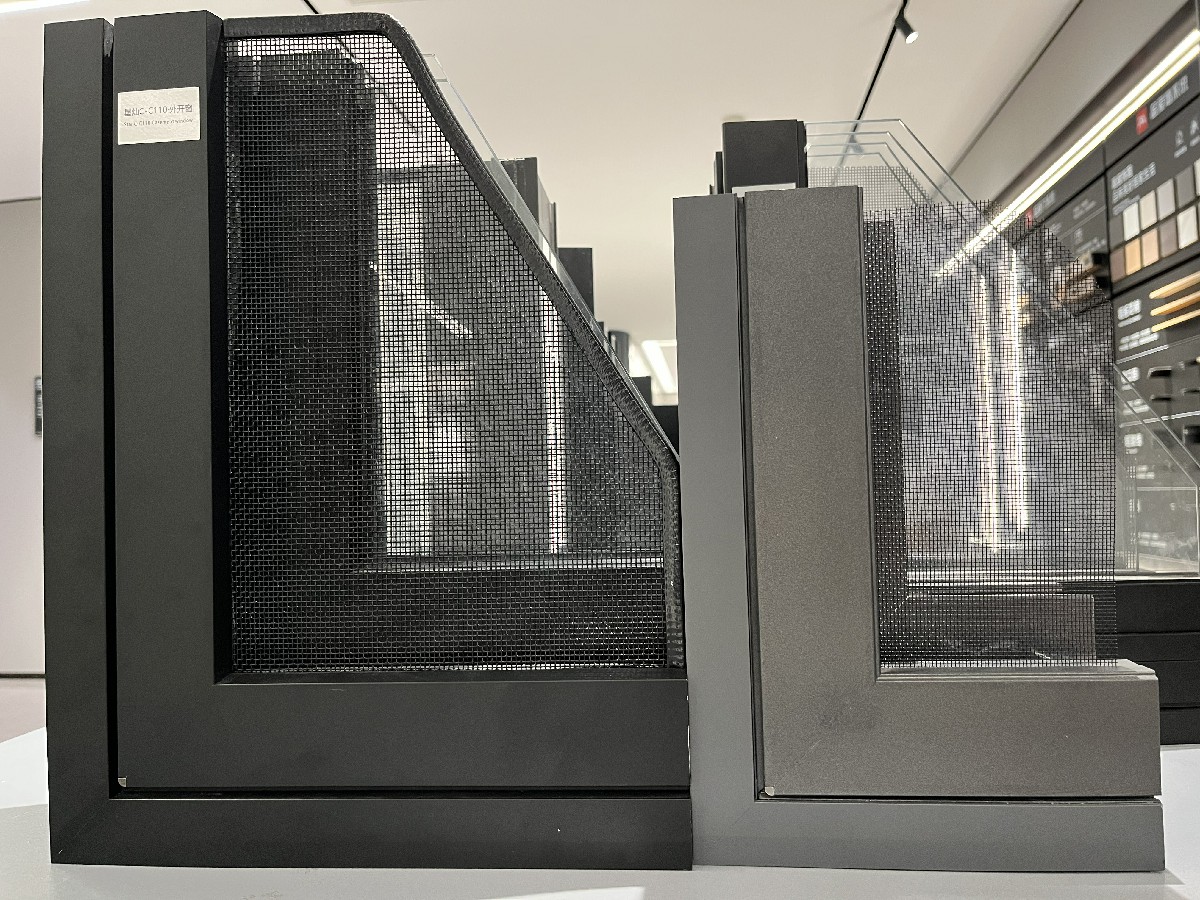
Aluminum Doors
Aluminum doors are lightweight and durable, often used in modern interiors. They can be made in both standard and custom sizes. Larger aluminum doors require reinforced frames for support. While the material itself doesn’t affect sizing significantly, ensuring the frame can handle the door’s strength is important for proper installation.
PVC Doors
PVC doors are affordable and moisture-resistant, commonly used in areas like bathrooms or laundry rooms. They come in standard sizes but can be customized. PVC doors are lightweight and easy to install, but for larger doors, a thicker frame may be needed to ensure stability and accommodate expansion or contraction.
What Are the Key Installation Challenges with Interior Door Sizes?
Installing interior doors comes with several challenges related to sizing. If the rough opening is too small, the door may not fit properly, requiring adjustments to the frame or wall. On the other hand, an opening that’s too large may need extra materials like shims or trim to secure the door, making the installation process more time-consuming.
Additionally, non-square frames can make installation tricky, as they affect how the door hangs and operates. Ensuring accurate measurements and a properly sized rough opening can prevent these issues and lead to a smoother installation.

Conclusion
The right interior door size can significantly impact your home renovation or remodeling project. Choosing the correct door dimensions ensures proper functionality, enhances the aesthetic appeal, and provides a seamless flow between rooms.
At PA Window, one of China’s top 10 door and window manufacturers, we offer a variety of interior door designs and solutions tailored to your specific needs.
FAQs About Standard Interior Door Size
Most interior doors are either 32 or 36 inches wide. The 36-inch door is the most common for standard rooms, offering better accessibility, while 32-inch doors are often used for smaller spaces like bedrooms or bathrooms.
While it’s possible to install an interior door yourself, a professional can ensure accurate measurements, proper fitting, and alignment, saving you time and preventing installation issues.
A pre-hung door comes with the door frame already attached, making it easier to install. A slab door is just the door itself without the frame, which requires additional work to install the frame and hardware.
Yes, custom sizes are available for doors that don’t fit standard openings or for unique design preferences. Custom doors can be made in any height, width, or thickness, depending on your requirements.
Non-standard installations refer to situations where the typical door sizes (usually 80 inches tall by 24-36 inches wide) do not fit, whether because of:
Irregular door frame sizes (older homes, custom-built spaces)
Unique room layouts (e.g., very high or wide openings)
Design preferences (e.g., oversized or non-traditional door styles)