When selecting the ideal material for your screen door, you’re not just making a functional choice; you’re also crafting the overall aesthetic and character of your home. This detailed guide is designed to explore a variety of screen door materials, dissecting their individual strengths and weaknesses, to aid you in making a well-informed decision.
Benefits of Screen Doors
Screen doors offer several benefits that enhance both the functionality and comfort of your home. Here are some of the key advantages:
- Improved Ventilation: Screen doors allow fresh air to circulate through your home, promoting better air quality and reducing the need for air conditioning on milder days.
- Pest Prevention: One of the primary benefits of screen doors is their ability to keep insects and other pests out while still allowing air and light to enter.
- Energy Efficiency: By facilitating natural air flow, screen doors can help in reducing energy consumption, particularly in the warmer months when air conditioning costs can be high.
- Added Security: Many screen doors come with locks or can be fitted with additional security measures, offering an extra layer of protection without compromising on visibility or air flow.
- Increased Natural Light: They allow for more natural light to enter the home, creating a brighter and more welcoming interior environment.
- Enhanced Curb Appeal: Screen doors come in a variety of styles and designs, and can add an aesthetic touch to the exterior of your home.
- Easy Access to Outdoor Areas: They provide an easy transition between indoor and outdoor spaces, making it convenient for social gatherings, children playing, or simply enjoying a nice day.
- Protection Against Weather Elements: Some screen doors are designed to provide a barrier against rain, wind, and debris, thereby protecting your main door and the interior of your home.
- Increased Home Value: Installing high-quality screen doors can increase the overall value of your home by enhancing its appearance and functionality.
- Personalization and Style: With a range of materials and designs available, you can choose a screen door that reflects your personal style and complements your home’s architecture.

Types of Screen Doors
Screen doors come in various types, each offering unique functionalities and design styles. Here are some common types of screen doors:
Swinging Screen Doors:
- These are the most traditional type of screen doors, typically mounted on the exterior of an entry door.
- They can be single or double, fitting various door frame styles.
Sliding Screen Doors:
- Often used for glass sliding doors that lead to a backyard or patio.
- Ideal for spaces where swing room is limited, as they don’t require extra space to open.
Retractable Screen Doors:
- These screen doors retract into a casing on the side when not in use.
- They offer a sleek solution, especially suitable for homes that do not want to disrupt the aesthetic of their porch or entryway.
Magnetic Screen Doors:
- Utilize magnetic strips for closure, allowing for easy, hands-free entry and exit, especially when carrying items.
- They are a temporary or seasonal solution, easy to install and remove.
Security Screen Doors:
- In addition to providing ventilation and light, these doors add an extra layer of security.
- Typically made from thicker metal, they may include locks and other security features.
Storm Screen Doors:
- Designed to withstand harsh weather conditions like strong winds and heavy rain.
- These doors are usually robust in structure and sometimes come with glass panels for additional protection when needed.

Materials of Screen doors
Screen doors are a crucial element of a home, providing not just ventilation and light, but also adding to the security and aesthetic appeal. Choosing the right material for your screen door is essential for its functionality and durability. Here’s an overview of various screen door materials and their features:
Glass Screen Doors
- Glass screen doors feature a heavy mesh with a plastic laminate on top.
- They can be used as patio enclosures or at the bottom of swimming pools, providing privacy and keeping grass clippings out.
Aluminum Screen Doors
- Aluminum is resistant to sagging, rust, and is easy to clean, making it one of the best materials for screen doors.
- Aluminum wire screen doors are sturdy and durable. A protective coating enhances the weave and prevents corrosion.
- Aluminum screens reduce glare entering homes, providing better visibility. They also resist ultraviolet rays over time and are high-temperature and corrosion-resistant.
- Ideal for high-traffic areas in homes. Aluminum is the best material if your screen door is exposed to strong winds. The solid aluminum weave can withstand creases and dents caused by outdoor elements.
- Available in black, charcoal, and silver, but silver aluminum screens can cause glare. Black and charcoal are almost invisible inside homes.
- Aluminum screen doors are more expensive than other materials. Aluminum sliding screen doors are a common application for this material.

Wooden Screen Doors
- Wooden screen doors offer a variety of styles and wood types, each suited to different door styles.
- Common wood types include cedar, oak, poplar, and mahogany.
- Cedar is ideal for standard screen doors, easily stained or painted.
- Oak is robust and durable, also easy to stain.
- Poplar, in yellow-brown or sometimes olive green, is lightweight and suitable for staining or painting.
- Mahogany, an exotic wood, is one of the best materials for wooden screen doors.
- Wooden screen doors are easy to install and can also be custom-made. They are sturdy and durable. The screen inserts in these doors allow fresh air while keeping unwanted insects and bugs out.

Vinyl Screen Doors
- Transparent vinyl screen doors allow you to control the temperature of your porch or patio. In hotter climates, vinyl screens can trap cool air in outdoor spaces, and in colder climates, they can keep your living space warm.
- This makes vinyl an energy-efficient screen door material. It can reduce the time needed to run heating or air conditioning systems, as it maintains the temperature inside the room in both hot and cold climates.
- When used with retractable screen doors, vinyl materials can enhance the comfort of indoor living spaces while allowing an unobstructed view of the outdoors. When used on porches or patios, they can protect these outdoor spaces from snow or rain.
- Transparent vinyl screen doors are sturdy and durable; hence, they do not get damaged even if pets constantly scratch at the screen door.
- Whether in the house, porch, or patio, vinyl screen doors keep you, your family, and guests always comfortable. Vinyl screen doors are also easy to clean, allowing you to see the outdoor scenery clearly at all times.
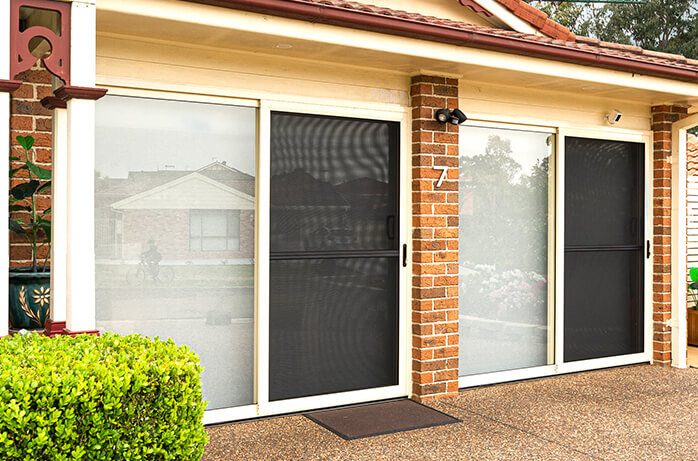
Metal Screen Doors (Bronze or Copper)
- Bronze or copper screen doors resist salt air, not oxidizing as aluminum screens do, making them highly suitable for high humidity inland and coastal areas.
- The bright colors of bronze and copper resemble dark bronze finishes, thus blending perfectly with other architectural elements in your home.
- Screens made of 90% copper and 10% zinc may be more expensive than aluminum, but they are more unique and durable. Bronze is cheaper than copper.
- Bronze screens can preserve and highlight the grandeur of historic homes. Over time, your bronze screen door will develop a deep polished surface.
- Copper bronze screens share many advantages with aluminum screens. Both materials are durable and long-lasting. Copper bronze can also rust, making it more expensive compared to other screen door materials. It’s an ideal choice if your home is exposed to extreme weather conditions.
- New copper screen doors have a bright golden sheen. However, over time, bronze and copper lose their luster and develop a patina.
- If choosing copper or bronze screen doors, avoid using aluminum door frames, as they can be corroded by copper or bronze.
Steel Screen Doors
- Stainless steel screen doors allow for clearer and better observation of the outdoor environment. They provide good airflow and an excellent outdoor view. Treated with anti-rust products, they also resist rust. For decades, stainless steel screen doors have been the best material for preventing insects and bugs from entering homes.
- Stainless steel is the strongest material for screen doors, maintaining its silver color and sheen over time. It allows an unobstructed view while ensuring safety at home.
- The exceptional durability and strength of stainless steel mesh combined with the right locking system make it the best screen door for safety-first applications.
- Stainless steel screen doors offer maximum ventilation. They are an excellent choice for areas in homes with high traffic. Their durability, ability to provide maximum airflow, and clear outdoor view make them one of the best screen door materials.

Plastic Screen Doors
- Plastic screen doors are usually made from PVC, nylon, polyethylene, and other plastic materials. Plastic screens have either twisted weave or plain weave. Plastic screens are lightweight, flexible, insect-resistant, and UV-resistant, making them more attractive to homeowners due to their relatively low cost.
- Plastic screens are beautiful and lightweight. They are very flexible and have high tensile strength. They are also heat-resistant, wind-resistant, rain-resistant, and UV-resistant. They can effectively let light and cool air into your home. Plastic screen doors are typically used in areas close to outdoor spaces, as they are also acid- and alkali-resistant.
- Plastic screens are easy to install and clean. They are durable and environmentally friendly. More importantly, plastic screens can keep bugs and insects out, allowing you to enjoy the view outside.
Fiberglass Screen Doors
- Fiberglass is an affordable screen door material, keeping your home cool. It’s also a budget-friendly material. The only downside of fiberglass is that it can fade over time.
- Aluminum and fiberglass are the best choices for screen materials, as they effectively block bugs and insects. The holes in the weave of these materials are too small for bugs and insects to penetrate. However, fiberglass is a better material for keeping these uninvited guests out.
- Fiberglass is a flexible material. It’s also easy to install. It does not sag, unravel, or wrinkle. Charcoal is the most popular color for fiberglass screens, as it provides the best maximum external visibility. However, it is available in almost any color and style.
- Unlike aluminum, fiberglass does not corrode, rust, or stain. It’s also more durable and flexible. Additionally, fiberglass does not scratch or tear, allowing you to enjoy your screen door for a longer time.
- Fiberglass screen doors are ideal for high-traffic areas in homes. They are also one of the best materials if your screen door is exposed to strong winds.
- Fiberglass screen windows are generally low-priced. They are easy to install and provide good outdoor visibility. However, prolonged exposure to ultraviolet rays can cause fiberglass to fade.
Conclusion
The choice depends on individual requirements such as climate, security needs, aesthetic preference, and budget. The right screen door material not only enhances the functionality of your living space but also contributes significantly to the curb appeal of your home, ensuring that it remains a comfortable, secure, and welcoming space for years to come.
Frequently Asked Questions (FAQs)
Aluminum screen doors are generally more affordable than steel or bronze options but might be slightly more expensive than wood or fiberglass doors, depending on the style and design.
Yes, you can install additional security locks on aluminum screen doors to enhance their security.
The cost of retractable garage door screens varies widely based on size, material, brand, and additional features. On average, they can range from a few hundred dollars for basic models to several thousand dollars for high-end, custom-sized screens.
Aluminum screen doors can enhance home security by acting as an additional barrier to the main entrance. While they are not as secure as solid doors, they provide a visible deterrent and can be fitted with locks for extra security.
Aluminum screen doors are known for their durability and strength. They are resistant to rust and corrosion, making them ideal for long-term use, especially in harsh weather conditions.