Introduction
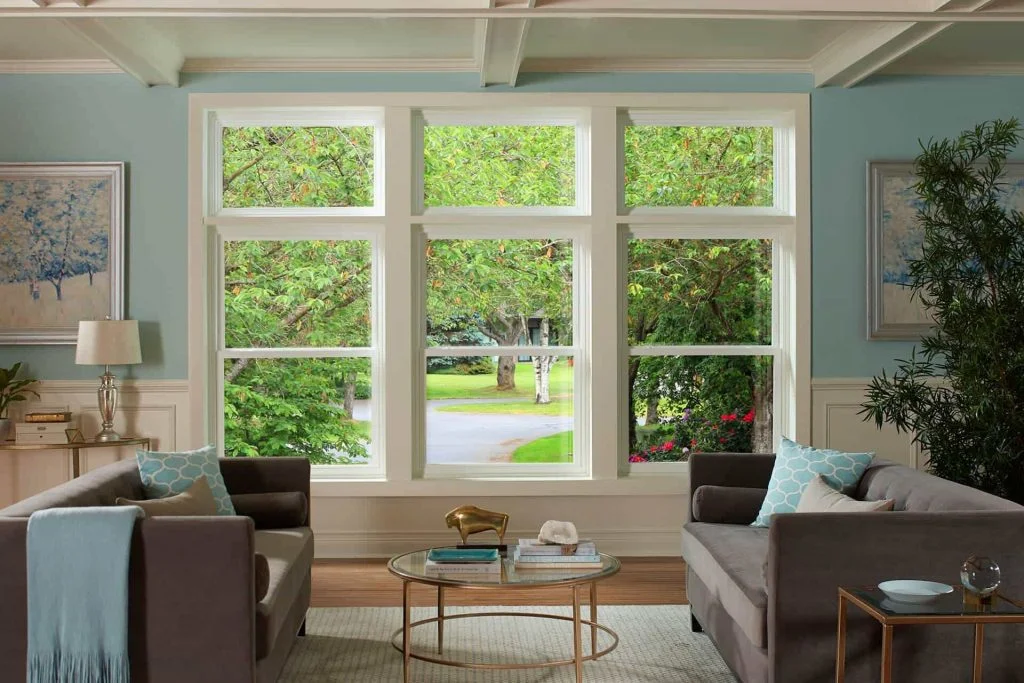
Importance of Choosing the Right Window Type for Homes
Every homeowner faces the task of choosing the right window type to enhance their living space. Whether considering aesthetics, functionality, cost, or energy efficiency, the choice between casement windows vs double hung windows is one of the most debated topics in home improvement. Windows not only influence the external appearance of a house but also affect the internal environment, including light and ventilation. Therefore, understanding the difference between casement and double hung windows becomes essential.
Double Casement Windows

Double Casement Windows: Defined by their hinged sides, double casement windows open outward, similar to a door. They are known for offering unobstructed views, enhanced ventilation, and a modern appearance. Andersen double casement windows and Pella double casement windows are among the popular choices in the market, known for their quality and durability.
Double-Hung Windows

These traditional windows are characterized by two sashes that slide vertically. Double-hung windows can open from both the top and bottom, offering varied ventilation options. They’ve been a classic choice for homeowners, fitting various architectural styles. Brands like Andersen and Pella also offer a variety of double-hung windows, catering to diverse homeowner preferences.
Advantages of Double Casement Windows
Wider Opening for Enhanced Ventilation
Maximum Airflow: A double casement window can fully open, similar to opening a book. This design allows for maximum airflow, making them a top choice for homeowners looking for optimal ventilation.
Advantage Over Double Hung Windows: Unlike double hung windows, where only one portion (either the top or bottom) can be open at a time, double swing windows provide an unrestricted opening for fresh air.
Ideal for Warm Climates: Especially beneficial in areas where maximizing natural air circulation is crucial.


Unobstructed Views
Clear Panoramic Sight: The design of double casement window offers an unobstructed view, thanks to the absence of a central bar which is commonly found in double hung windows.
Making the Most of Scenic Locations: Perfect for homes with picturesque surroundings as they provide a broader and clearer outlook.
Window Designs: While there are options like “casement windows that look like double hung”, the clear view provided by double casement windows remains unmatched.
Enhanced Security Features
Multiple Locking Points: These windows come with several locking points, ensuring better security compared to other window types.
Burglar Deterrence: The design and locking mechanism of double casement windows make them harder to jimmy open from the outside.
Peace of Mind: For homeowners concerned about safety, the enhanced security features of double casement windows offer an added layer of protection.
Where Double-Hung Windows Shine
Traditional Aesthetic:
Double-hung windows offer a classic and timeless look that complements many architectural styles. Their symmetric design and iconic appearance have made them a popular choice for homeowners, especially for those residing in historic or traditionally styled homes. This is particularly evident when compared to swing window, which have a different operational mechanism. When thinking about the difference between single hung and double hung windows, both still adhere to the traditional aesthetic, but double-hung windows provide more flexibility.
Sash Variety:
One of the primary benefits of double-hung windows is the versatility they offer in terms of ventilation. Homeowners have the option to open either the top sash, the bottom sash, or both. This flexibility allows for varied ventilation preferences, such as letting warmer air out from the top while drawing cooler air in from the bottom. When comparing casement windows vs double hung, the double-hung design’s ability to open both sashes simultaneously sets it apart.

Familiar Operation:
Most homeowners are familiar with the operation of double-hung windows. Their vertical sliding mechanism is straightforward and easy to understand. Unlike casement windows that swing outwards or other types like the tilting double-hung window, the simple up and down movement of double-hung windows is intuitive. This familiarity can be especially useful for those replacing older windows or for those who prefer a tried-and-true window design. Plus, if homeowners ever need to replace parts of a double hung window, finding the necessary components or guides on “how to clean double hung windows” is usually easier due to their widespread use.
Factors to Consider When Choosing Between the Two
Architectural Style: Which window complements the design of the home.
Traditional vs Modern: Double-hung windows typically offer a more traditional aesthetic, while casement windows can provide a sleek, modern look. However, with modern designs like “casement windows that look like double hung,” homeowners can have the best of both worlds.
Ventilation Needs: Analyzing room-specific needs for air circulation.
Flexibility in Airflow: One advantage of “double-hung windows” is the ability to open both sashes, whereas casement windows swing open entirely. However, if maximum ventilation is desired, “double casement windows” can provide expansive openings.

View Importance: Prioritizing unobstructed views vs. traditional charm.
Maximized Views: “Casement windows” often come with fewer muntins (the bars separating panes of glass in a window), offering clearer views. Homeowners looking for “casement windows with transom” might benefit from additional light and views.
Traditional Character: “Double-hung windows” can offer a classic charm, especially in designs like “wood double hung windows.” However, for those who prioritize view over tradition, “double casement windows” or even “double french casement windows” might be more fitting.
Cost Implications: Homeowners might wonder about “casement windows vs double hung cost” or if “casement windows are more expensive than double hung.” It’s essential to consider the price and the value the window type will add to the home.
Conclusion
Homeowners often face the decision between “double casement windows” and “double-hung windows,” each offering distinct advantages. Casement double windows tend to have superior sealing, providing potentially enhanced insulation and energy savings. They also excel in accessibility with their outward opening, making them ideal for hard-to-reach areas. On the other hand, double-hung windows offer versatile ventilation options and can cater to more traditional aesthetic preferences.
Frequently Asked Questions (FAQs)
Are Double Casement windows more expensive than Double-Hung?
Generally, casement windows vs double hung cost can vary depending on factors such as brand, materials, and size. On average, casement windows can be more expensive than double hung, especially when considering specialized sizes like the 48 x 48 double casement window.
Which type of window offers better energy efficiency?
When comparing casement vs double hung windows in terms of energy efficiency, casement windows often have the edge. Their design allows for a tighter seal, reducing air leaks. This makes casement windows better than double hung in scenarios where insulation and energy savings are paramount.
Can I replace my existing Double-Hung windows with Double Casement without major renovations?
Replacing casement windows with double hung or vice-versa can be done, but it requires careful consideration. The retrofitting process can be more straightforward if the existing window opening matches the double casement window sizes you are considering.
How do the maintenance requirements differ between the two window types?
Both casement and double hung windows have unique maintenance requirements. Double hung windows, particularly popular brands like PA double hung windows, can be easier to clean, especially from the inside, due to their sliding mechanism. Casement windows, on the other hand, can offer better sealing but might require regular checks on their crank mechanisms.
Which window type is more durable and has a longer lifespan?
The durability and lifespan of a window largely depend on the material used, quality of construction, and exposure to elements. Generally, both types can be very durable. However, it's worth noting that common wear and tear issues might differ, such as the crank mechanism in casement windows versus the balance system in double hung windows.