Choosing the right window frame isn’t just about appearance. It affects insulation, energy bills, long-term maintenance, and even how quiet your home feels inside. Many homeowners focus on the glass but overlook the frame — yet the frame plays a major role in structural support, durability, and overall performance.
Before comparing materials or costs, it helps to understand what a window frame actually does and why it matters.
What Are Window Frames?
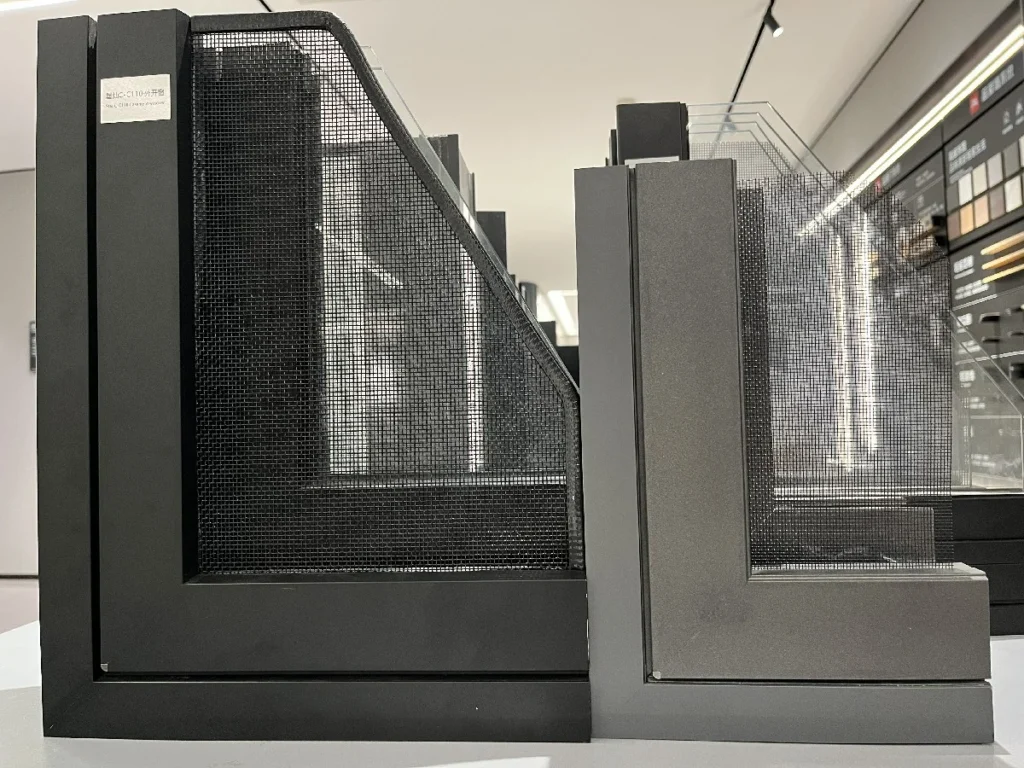
A window frame is the structural component that holds the glass in place and connects the window unit to the wall. It provides stability, sealing, insulation, and protection against wind, rain, and temperature changes.
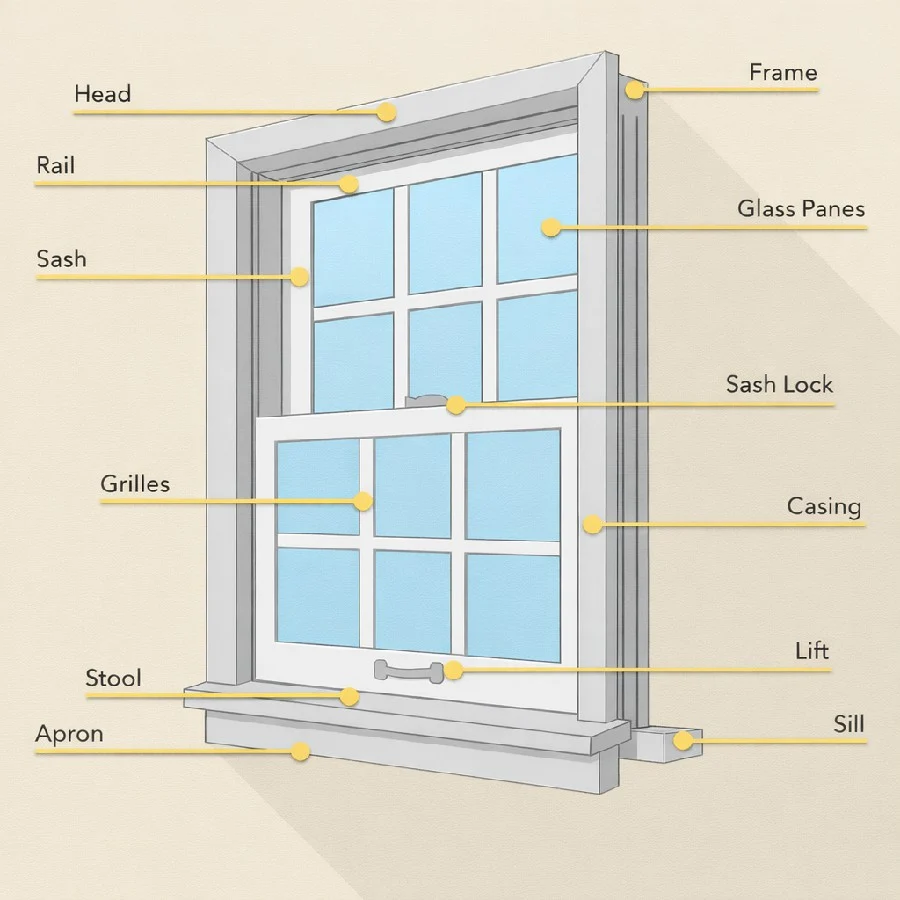
In simple terms, the frame is the backbone of the window system.
A complete window frame system typically includes:
Head – the top horizontal section
Sill – the bottom horizontal part that directs water away
Jambs – the vertical sides
Mullions or transoms (if present) – structural dividers between panes
Beyond structure, the window frame directly influences:
Energy efficiency (thermal performance and air leakage)
Sound insulation
Weather resistance
Longevity and maintenance needs
Overall architectural style
The material of the window frame — whether vinyl (PVC), aluminum, fiberglass, or wood — determines how well it performs in different climates and how much upkeep it requires over time.
When Should You Replace Your Window Frames?

Window frames don’t usually fail overnight. The signs tend to show up gradually — higher energy bills, subtle drafts, difficulty opening or closing the window, or visible wear around the edges.
One of the most common indicators is air leakage. If you feel drafts even when the window is closed, the frame may have warped, cracked, or lost its sealing performance. Over time, materials expand and contract due to temperature changes, which can weaken joints and compromise insulation.
Moisture damage is another red flag. Wood window frames may show rot, soft spots, or peeling paint. Aluminum frames can corrode in coastal environments. Vinyl (PVC) frames may crack under prolonged UV exposure or extreme temperature swings. If you notice condensation trapped between glass panes, it may also signal seal failure — often linked to frame aging.
You may also need replacement if:
The frame is visibly warped or misaligned
Windows no longer open or lock properly
Energy efficiency no longer meets current standards
You’re renovating and upgrading insulation or façade design
In many cases, homeowners focus on replacing the glass, but if the frame itself is structurally compromised, full window frame replacement provides better long-term value and performance.
What Are the Pros and Cons of Different Window Frame Types?
Not all window frames perform the same. The material you choose affects insulation, durability, maintenance, and long-term cost. Below is a clear, practical breakdown of the four most common window frame materials.
Vinyl (PVC) Window Frames
Vinyl window frames are one of the most popular choices in residential projects due to their affordability and low maintenance.
Advantages
- Cost-effective
- Good thermal insulation
- Low maintenance (no painting required)
- Resistant to moisture and rot
Disadvantages
- Can expand or contract in extreme temperatures
- Limited color customization (unless factory-finished)
- May lack the premium look of wood or aluminum
Vinyl frames work well in moderate climates and for homeowners prioritizing energy efficiency at a reasonable budget.
Aluminum Window Frames
Aluminum window frames are known for strength and slim profiles. They are commonly used in modern architectural designs and commercial projects.
Advantages
- Strong and lightweight
- Sleek, modern appearance
- Narrow frame design allows more glass area
- Highly durable
Disadvantages
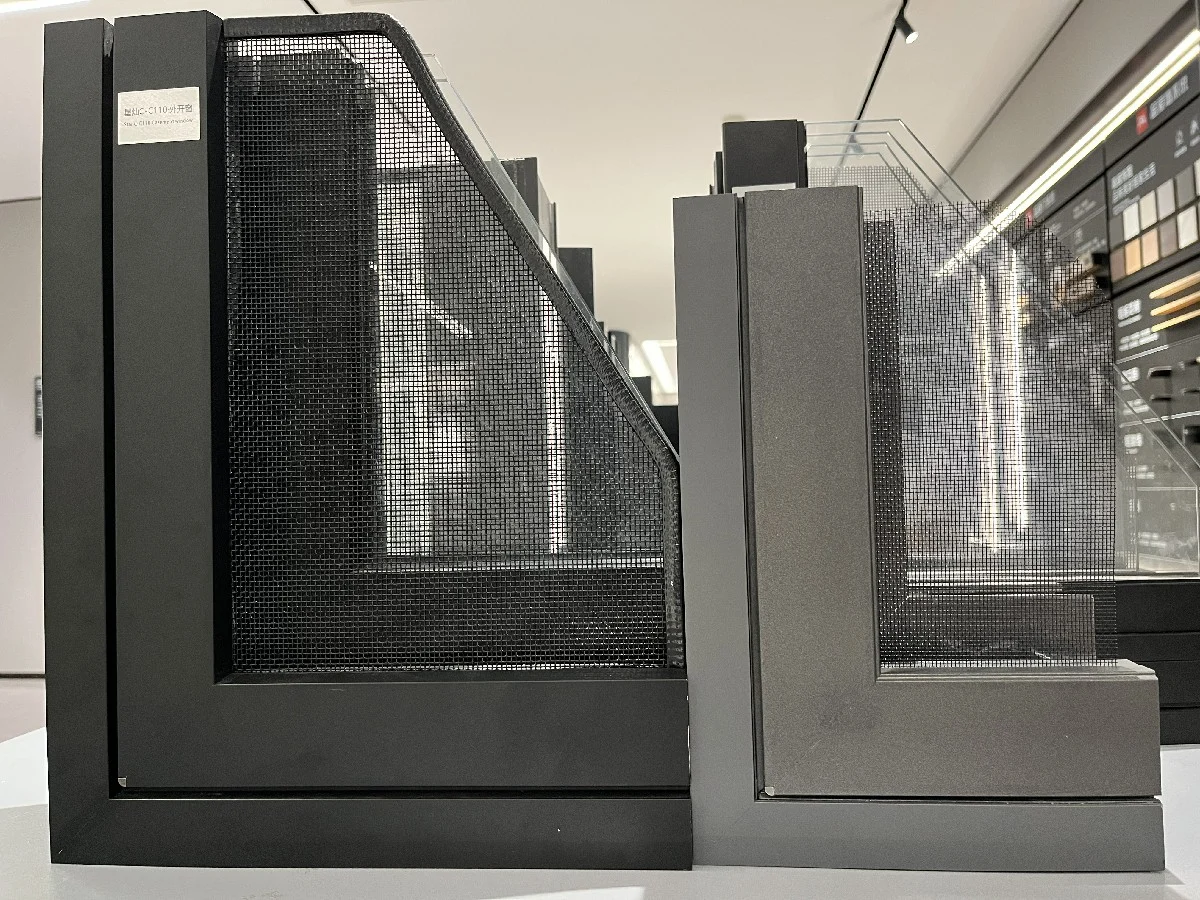
- Conducts heat easily without thermal break technology
- Less energy efficient than vinyl or fiberglass
- Can corrode in coastal environments if not properly treated
Thermal break aluminum window frames significantly improve insulation performance and are recommended in hot or high-sun regions.
Fiberglass Window Frames
Fiberglass window frames offer excellent structural stability and energy performance. They are often considered a premium alternative to vinyl.
Advantages
- High strength and dimensional stability
- Excellent insulation performance
- Minimal expansion and contraction
- Long lifespan
Disadvantages
- Higher upfront cost
- Fewer brand options compared to vinyl
Fiberglass performs well in extreme climates where temperature fluctuations are significant.
Wood Window Frames
Wood window frames remain a classic choice, especially in traditional or high-end residential designs.
Advantages
- Natural, timeless aesthetic
- Strong insulation properties
- Can be painted or stained
Disadvantages
- Requires regular maintenance
- Vulnerable to moisture and rot
- Higher long-term upkeep cost
Wood frames are ideal for homeowners who prioritize architectural authenticity and are willing to maintain them properly.
How Much Do Different Types of Window Frame Materials Cost?
The cost of a window frame depends not only on the material itself but also on insulation performance and structural design. Comparing price ranges side by side makes it easier to determine which option fits your budget and climate needs.
| Window Frame Material | Typical Installed Cost (Per Window) | Best For |
|---|---|---|
| Vinyl (PVC) | $300 – $700 | Budget-conscious homes, standard residential projects |
| Aluminum | $400 – $900 | Modern designs, large openings, warm climates |
| Fiberglass | $600 – $1,200 | Energy-efficient homes, extreme climate regions |
| Wood | $800 – $1,500+ | Traditional architecture, high-end custom homes |
Note: Prices vary based on window size, glazing configuration, thermal break options, and installation complexity.
What Affects Window Frame Pricing?
Several factors can significantly influence final cost:
Window size and shape
Double vs triple glazing
Thermal break technology
Installation complexity
Labor rates in your region
While vinyl has the lowest upfront price, fiberglass or thermally broken aluminum window frames may provide better long-term energy savings depending on climate.
New Construction vs Replacement Window Frames: How Do You Choose?
Choosing between new construction window frames and replacement window frames depends on the scope of your project. The decision affects installation method, cost, and overall structural integration.

What Are New Construction Window Frames?
New construction window frames are designed for projects where the wall framing is exposed. These new windows typically include a nailing flange that attaches directly to the building structure.
They are commonly used in:
New home construction
Major renovations
Full façade replacement projects
Advantages
Strong structural integration
Better opportunity for full waterproofing
Ideal when exterior siding is being replaced
Considerations
Requires removal of exterior materials
Higher labor cost in retrofit projects
What Are Replacement Window Frames?
Replacement window frames (also called retrofit windows) are installed into the existing window opening without removing surrounding wall materials.
They are typically used in:
Home upgrades
Energy-efficiency improvements
Projects where siding remains intact
Advantages
Lower installation cost
Faster installation
Less disruption to interior and exterior finishes
Considerations
Slightly smaller glass area due to insert frame
Limited if the existing frame is structurally damaged
How Do You Decide?
If the surrounding wall and framing are in good condition, replacement window frames are often the most practical solution.
If you are building new or doing a full exterior renovation, new construction window frames provide better structural performance and long-term waterproofing control.
The right choice depends on project stage, budget, and whether structural modifications are planned.
Can You Paint Window Frames?

Yes, window frames can be painted — but the process depends heavily on the material. Wood window frames are the easiest to repaint and can be refreshed multiple times over their lifespan. Proper sanding, priming, and weather-resistant paint are essential to ensure durability.
Aluminum window frames can also be painted, but they require specialized primers to ensure proper adhesion. Powder-coated finishes typically last longer than field-applied paint.
Vinyl (PVC) window frames are the most restrictive. Painting them is possible, but it may void warranties and can affect thermal expansion performance. If color flexibility is important, it’s often better to choose factory-finished frames from the start.
How to Choose the Best Window Frame?

Choosing the best window frame starts with understanding your priorities. Budget, climate, architectural style, and long-term maintenance all play a role. No single material is universally “best” — the right option depends on your specific project conditions.
If energy efficiency is your top concern, fiberglass or thermally broken aluminum window frames typically perform better in extreme climates. For moderate climates and budget-focused upgrades, vinyl window frames offer a practical balance between cost and insulation. In coastal areas, corrosion resistance becomes critical, making treated aluminum or fiberglass a safer long-term choice.
Design expectations also matter. Slim aluminum window frames complement modern architecture and maximize glass area. Wood window frames suit traditional or luxury homes but require ongoing maintenance. Think beyond upfront price — consider durability, expected lifespan, and local weather exposure.
In the end, the best window frame is the one that aligns structural performance, energy efficiency, and aesthetic goals within your budget. A clear understanding of your project scope makes the decision far more straightforward.
Conclusion
Window frames play a far greater role than many homeowners realize. They influence energy efficiency, durability, maintenance needs, and the overall look of your home. From vinyl and aluminum to fiberglass and wood, each material offers a different balance of cost, performance, and design flexibility.
The right choice depends on your climate, budget, and long-term expectations. By understanding material differences and installation options, you can make a decision that improves both comfort and value.
If you’re planning a window upgrade or new construction project, the PA Window team can provide tailored recommendations and professional support. Contact us to explore custom window solutions and receive a detailed quotation for your project.
FAQs about Window Frames
Yes. Vinyl window frames are typically more affordable than aluminum. However, thermally broken aluminum window frames may justify higher costs due to durability and slimmer design profiles.
Thermally broken aluminum window frames perform well in hot climates due to their structural strength and modern design. However, fiberglass and vinyl window frames also provide strong insulation performance and may reduce cooling costs.
Yes, especially thermally broken aluminum window frames. They are strong, modern in appearance, and ideal for large openings. However, standard aluminum without thermal insulation may perform poorly in cold climates.
Replacement window frame costs typically range from $300 to $1,500 per window depending on the material, size, glazing type, and installation complexity.
Fiberglass and thermally broken aluminum window frames typically offer the best energy efficiency. Vinyl window frames also perform well in moderate climates. Energy performance depends on U-value, air tightness, and glazing configuration.
Fiberglass and aluminum window frames generally have the longest lifespan due to their structural stability and resistance to warping. Wood can also last decades but requires consistent maintenance.