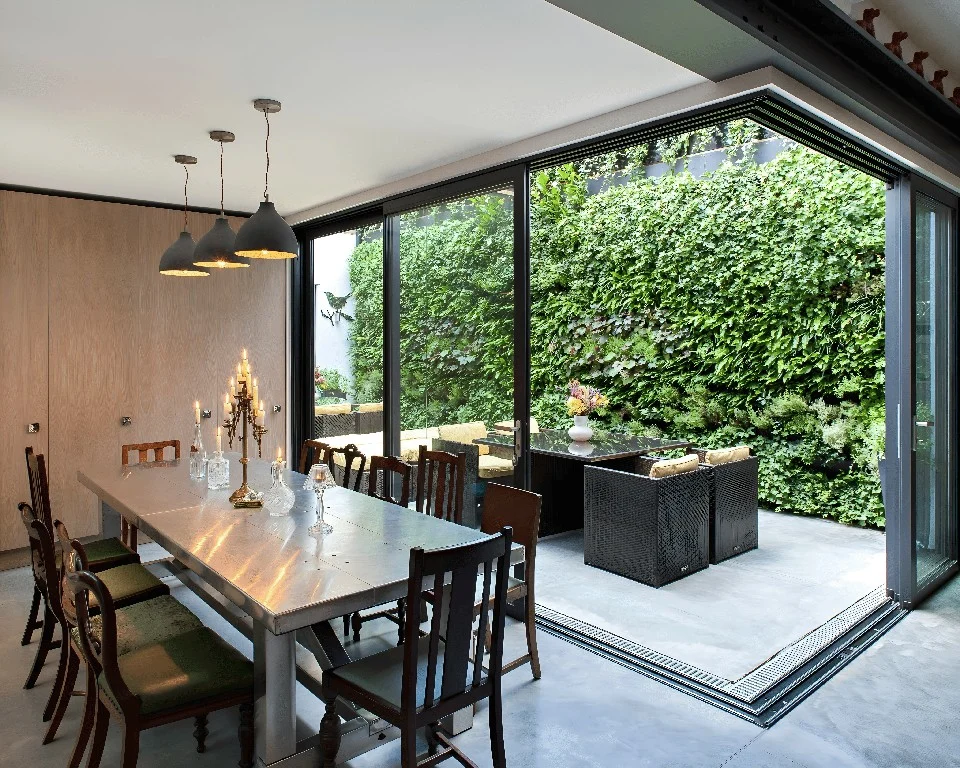
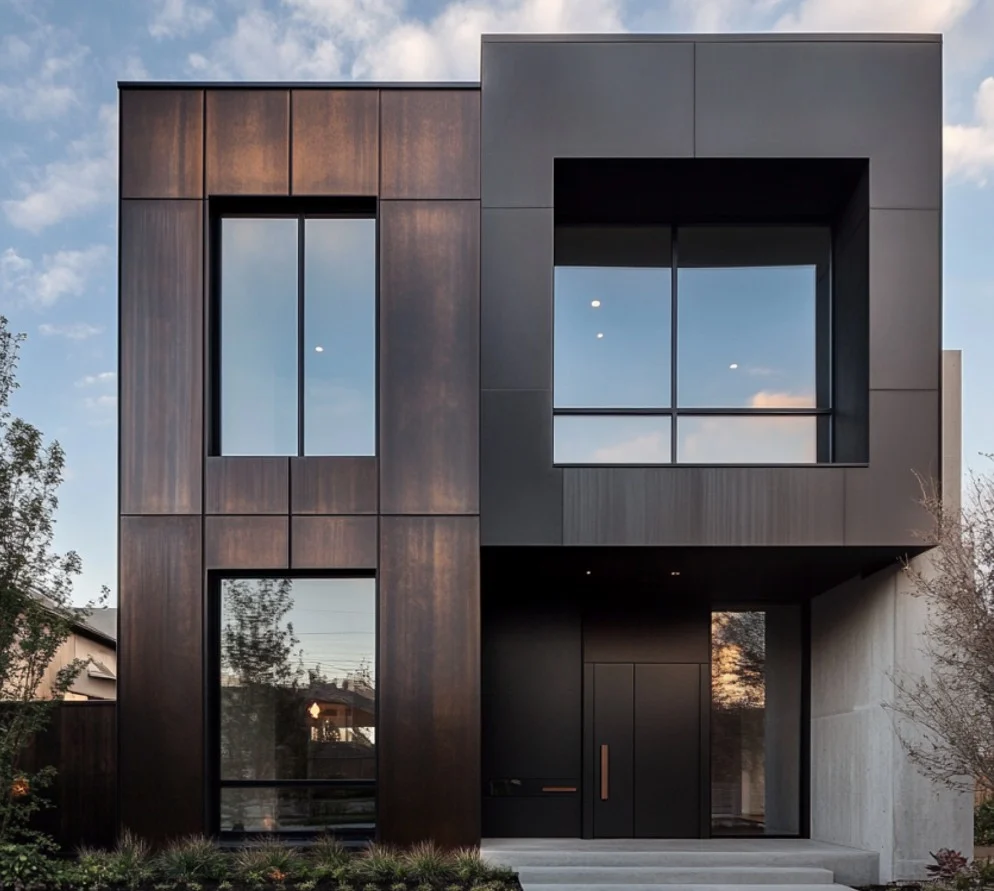
Choosing the right type of glass door for your home or office can significantly enhance the aesthetic appeal and functionality of your space. Whether you’re looking for something that offers privacy, durability, or simply a stunning design, understanding the various types of glass doors and their features is essential. In this article, we’ll explore the different types of glass doors available, their benefits, and how to choose the perfect one for your needs.
What is A Glass Door?
Glass doors, with their clear and transparent appearance and modern feel, have become the highlight of architectural design. It not only makes the indoor space brighter and more open, but also adds a sense of style and sophistication to the home. Glass doors are usually made of single or multiple layers of tempered glass or laminated glass, and come in a variety of styles, including swing, sliding, folding, etc., and even framed and frameless options. Each type contains different mechanisms such as hinges, slides, pivots, etc., providing more variety and flexibility in home design. Whether in a commercial building, office space or family home, glass doors add a modern and stylish feel to the space.
Types of Glass Used in Doors
When selecting glass for doors and windows, understanding the different types of glass available is crucial as they significantly influence the appearance, efficiency, safety, and privacy. From tempered and laminated to textured and privacy glass, each type offers unique benefits and characteristics that can meet various specific needs and desires for both residential and commercial applications. Whether you are looking for enhanced security, improved energy efficiency, or a specific aesthetic, there is a glass type suited to every requirement in door and window design.
Tempered Glass
empered glass, also known as toughened glass, is a type of safety glass that undergoes a heat treatment process to enhance its strength and safety features. In this process, the glass is heated close to its softening point and then rapidly cooled—a technique known as quenching. This rapid cooling induces a state of compressive stress on the surface while the interior cools more slowly, creating tension. This imbalance significantly increases the glass’s overall durability and strength.
Main Characteristics of Tempered Glass:
- Enhanced Safety: When broken, tempered glass shatters into small, blunt fragments that are less likely to cause injury, making it a safer alternative to ordinary glass.
- High Thermal Stability: It can withstand extreme temperature changes without breaking, ideal for environments that experience high temperature fluctuations.
- Increased Strength: Tempered glass is four to five times stronger than standard annealed glass, providing superior protection and safety.
Applications:
Tempered glass is the glass of choice for areas requiring heightened security and safety, including commercial buildings and residential areas concerned with human safety. Its tough nature makes it an excellent option for preventing break-ins. Commonly used in a variety of settings, it finds application in household appliances, shower doors, car windows, glass tabletops, and doors. Its durability and robustness not only offer security but also enhance the aesthetic appeal of the architecture, making it ideal for modern homes, businesses, and industrial facilities.
Due to its fixed size after the tempering process, tempered glass must be precisely measured and custom-fitted during the design phase to ensure it integrates seamlessly into its intended setting. This attention to detail during fabrication ensures that it meets both the functional and safety requirements effectively.
Laminated Glass
Laminated glass, also referred to as laminated safety glass, is a composite material crafted by bonding two or more layers of annealed glass with one or more polymer interlayers, typically polyvinyl butyral (PVB) or ionoplast polymer (SGP), using a high temperature and pressure process. This structure endows laminated glass with exceptional safety features, sound insulation, and ultraviolet protection, establishing it as a crucial component in modern architectural design.
Key Features of Laminated Glass:
- Enhanced Safety: The glass shards remain adhered to the plastic interlayer if the glass breaks, significantly reducing the risk of scattering and minimizing potential injuries.
- Superior Sound Insulation: The interlayers of PVB or SGP provide effective sound barriers, ideal for environments exposed to heavy traffic or high noise levels.
- UV Protection: It effectively blocks the majority of harmful ultraviolet radiation, protecting both individuals and interior furnishings from sunlight-induced damage.
- Robust Security Measures: Thicker variants of laminated glass can meet bulletproof and explosion-proof standards, offering formidable security in vulnerable settings.
Architectural Applications:
Laminated glass is extensively utilized in a variety of settings, from commercial to residential buildings, particularly in areas requiring heightened security measures such as banks, schools, hospitals, and luxury residences. Its robust characteristics are especially valuable in regions susceptible to severe weather events like hurricanes or tornadoes. Additionally, laminated glass is a popular choice for car windshields, skylights, glass doors, railings, and even glass floors, thereby enhancing not only the safety but also the aesthetic and functional attributes of structures. The ability to customize the thickness of the glass and its interlayers allows architects and designers to meet specific safety standards and design requirements precisely. Laminated glass is a favored material in contemporary architectural design for its combined benefits of safety, functionality, and aesthetic appeal.
Frosted Glass
Frosted glass, valued for its decorative appeal and privacy-enhancing qualities, is manufactured through sandblasting or acid etching on clear glass. This process creates a translucent surface that diffuses light while obscuring visibility, offering privacy without significantly diminishing natural light.
Key Features of Frosted Glass:
- Enhanced Privacy: Frosted glass effectively obscures views, making it perfect for areas where privacy is essential, such as bathroom windows, shower enclosures, and office partitions.
- Soft Light Diffusion: It allows light to pass through but scatters it gently, creating a soft illumination that softens interior spaces without the glare of direct sunlight.
- Aesthetic Versatility: Frosted glass has a sleek, satin-like finish that adds a modern, sophisticated touch to any space. It complements a wide range of decor styles, from traditional to contemporary.
- Diverse Applications: This glass is versatile enough for use in various settings, including doors, windows, shower stalls, and decorative elements within furniture, like tabletops and cabinet doors.
- Low Maintenance: Its surface does not easily show fingerprints or smudges, making it ideal for high-traffic areas and places requiring frequent cleaning.
Common Uses of Frosted Glass:
- Residential: Popular in bathroom windows and shower doors for its privacy, frosted glass is also used in external doors.
- Commercial: Employed in office partitions and conference rooms to maintain privacy while keeping spaces open and bright.
- Decorative: Frosted glass is frequently featured in lighting fixtures and furniture, providing visual interest and enhancing the overall aesthetic of interior designs.
Frosted glass offers a stylish and practical solution for maintaining privacy while maximizing natural light, making it a favored choice in both residential and commercial architecture as well as in interior design.
Tinted Glass
Tinted glass, commonly associated with providing privacy in vehicles, also finds application in residential and commercial buildings, particularly in doors and windows. Beyond enhancing privacy, tinted glass offers a range of benefits including improved energy efficiency, sun protection, and enhanced safety.One significant advantage of tinted glass is its ability to reduce the penetration of harmful UV rays, thereby safeguarding furniture, carpets, and wooden decor from fading over time. By minimizing direct sunlight entering the interior, tinted glass aids in improving energy efficiency, consequently lowering cooling costs.Furthermore, tinted glass plays a crucial role in protecting occupants’ health by significantly decreasing exposure to UV radiation, a known carcinogen. By blocking up to 99% of UV rays, depending on the tint level, tinted glass provides an added layer of security and peace of mind, especially in spaces where occupants spend extended periods near windows, such as offices.Available in various shades and styles, tinted glass offers flexibility to match different architectural designs. Whether it’s light tints, frosted finishes, or vintage styles, tinted glass can be customized to complement the aesthetic preferences of any building’s doors and windows.
Low-E Glass
Low-E (Low-emissivity) glass, often abbreviated as low-e glass, features a specialized thin layer of metal or metallic oxide coating applied to its surface during manufacturing. This coating enhances the glass’s ability to insulate against heat transfer by minimizing the transmission of infrared and ultraviolet (UV) rays while still allowing visible light to pass through. During summer months, Low-E glass reflects a significant portion of the sun’s heat away from the building, keeping interiors cool and reducing reliance on air conditioning. Conversely, in winter, it reflects heat back into the building, preventing it from escaping through the glass. This dual functionality ensures a more consistent indoor temperature year-round, improving comfort levels and reducing energy consumption. Additionally, Low-E glass effectively blocks UV rays, safeguarding interior furnishings, artwork, and flooring from fading and sun damage.
When selecting Low-E glass, it’s essential to consider two main types: passive Low-E coatings (hard coatings) and solar control Low-E coatings (soft coatings). Solar control Low-E glass is often recommended for residents in the United States, particularly in warmer climates, as it provides superior solar heat control compared to hard coatings. However, hard coatings may be more suitable for colder climates or regions with milder summers where retaining solar heat is desirable. Despite representing an initial investment, the long-term benefits of Low-E glass include reduced energy costs by minimizing the need for heating and cooling systems. Given that approximately 90% of window and door heat loss occurs through glass, the use of Low-E glass can result in significant energy savings over time. Overall, Low-E glass stands as an effective solution for improving energy efficiency, maintaining indoor comfort, and enhancing sustainability in both residential and commercial buildings.
These types of glass offer various functional and decorative benefits for door design, catering to specific needs like security, privacy, energy efficiency, and aesthetic preferences. Choosing the right type of glass for your door will depend on your specific requirements and the conditions of where the door will be installed.
Different Styles of Glass Doors
Glass doors not only enhance the look of a building but also serve multiple functional purposes, ranging from improving natural lighting to increasing visual space. Here, we explore the various styles of glass doors available, each suited to different architectural and design needs.
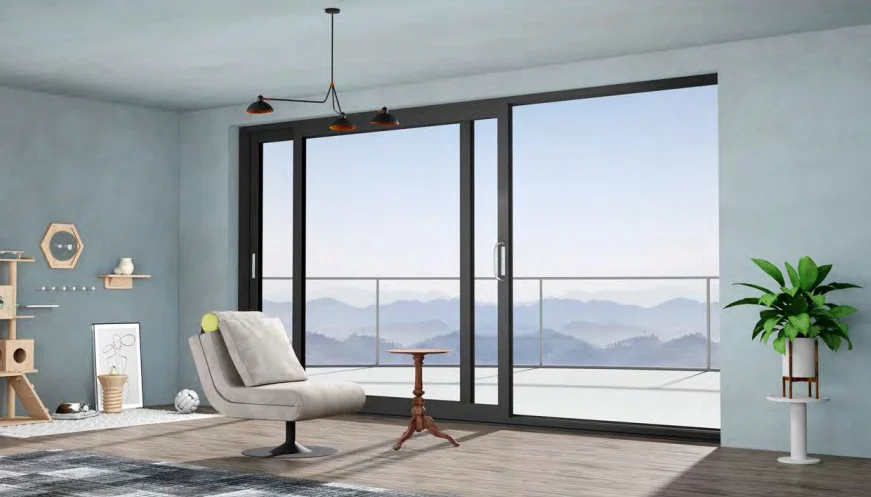
Sliding Glass Doors
Description: Sliding glass doors consist of one or more door panels that move horizontally along upper and lower tracks. They are designed to open and close with a sliding motion.
Benefits: These doors are space-efficient since they do not require swing room. They offer broad, uninterrupted views and can merge indoor and outdoor spaces seamlessly, making them ideal for access to patios and gardens.
Uses: Common in residential and commercial settings, sliding glass doors are perfect for areas where space is at a premium or where a connection to the outdoors is desired.

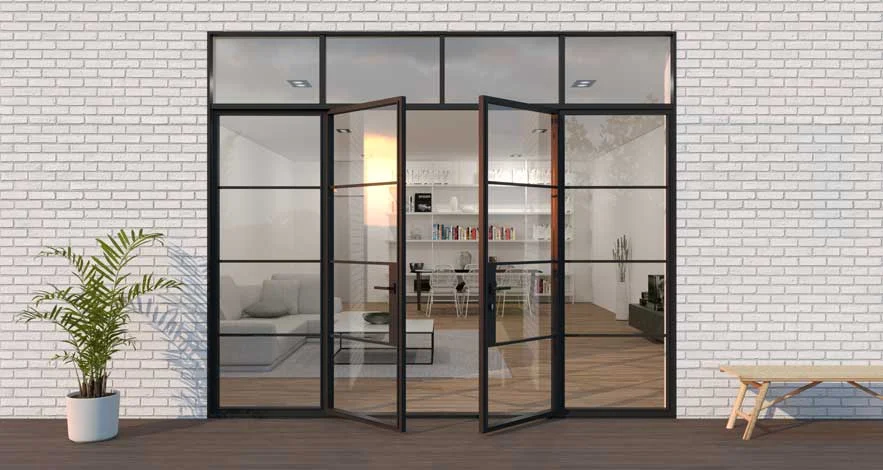
French Glass Doors
Description: French doors feature dual doors that hinge at opposite sides of the door frame and meet in the middle; both doors can be opened, unlike single door setups.
Benefits: French glass doors are highly aesthetic, adding a classic charm to any entryway. They allow ample light to enter and can make a space feel more open and airy.
Uses: They are often used as both exterior and interior doors, suitable for entryways, patios, or between two rooms within a home.
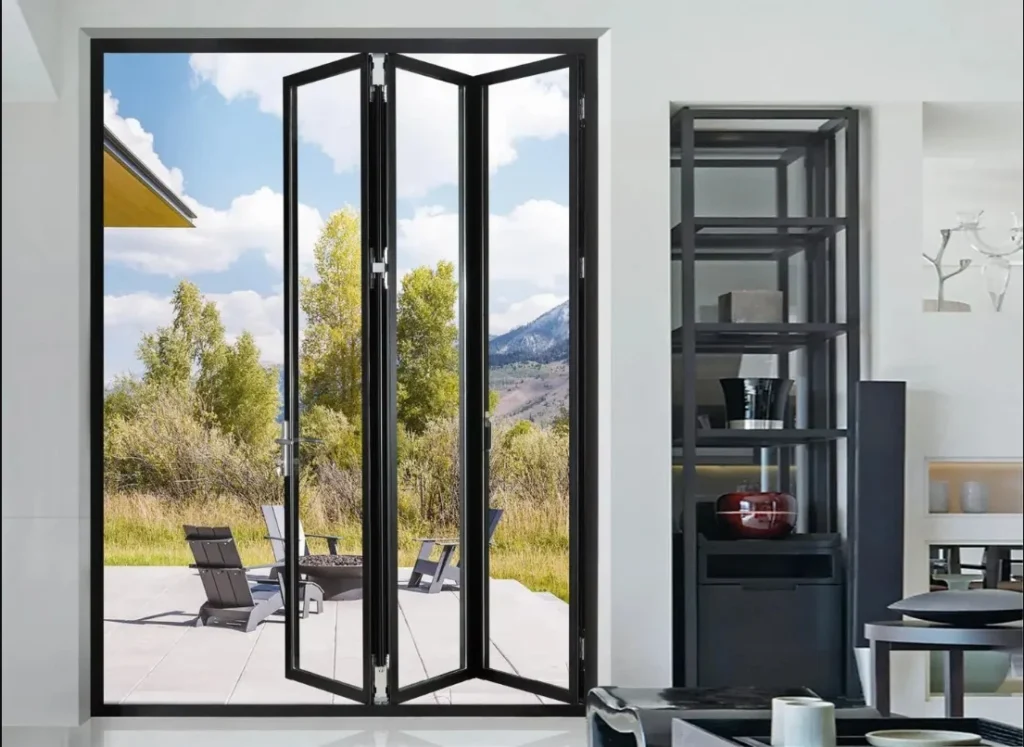
Bi-fold Glass Doors
Description: Also known as folding sliding doors, bi-fold doors are made from a series of panels that fold up against the wall like a concertina. These doors typically run along a track for smooth operation.
Benefits: Bi-fold doors can open up an entire wall to the outside, maximizing the opening space and blending indoor and outdoor spaces effectively.
Uses: Ideal for areas where you want to remove the barrier between indoors and outdoors completely, such as between a living room and a garden or patio.
Pivot Glass Doors
Description: Pivot doors rotate on a pivot box in the floor and the top of the door frame, rather than being hinged at the side. This allows the door to swing in both directions.
Benefits: Pivot doors offer a modern, sleek look and can support wider and heavier doors than traditional hinges. The unique opening mechanism makes a strong architectural statement.
Uses: Frequently used in grand entrances, galleries, and large residential and commercial spaces where making a visual impact is desired.

These types of glass offer various functional and decorative benefits for door design, catering to specific needs like security, privacy, energy efficiency, and aesthetic preferences. Choosing the right type of glass for your door will depend on your specific requirements and the conditions of where the door will be installed.
Choosing the Right Glass Door for Your Needs
Selecting the perfect glass door is not just about choosing a style that complements your home’s architecture; it’s also about functionality, location, durability, and security. Here’s a comprehensive guide to help you make an informed decision tailored to your specific needs.
Assess the Location and Function
Interior vs. Exterior: Determine whether the glass door will be used inside the home (such as between rooms) or as an exterior element (such as leading to a patio). Exterior doors require more robust materials to withstand the elements and provide security, while interior doors can focus more on style and light transmission.
Traffic Considerations: High-traffic areas might benefit from more durable doors, such as those made from tempered or laminated glass, to prevent wear and tear.
Consider the Door's Purpose
Lighting: If natural light is a priority, full glass doors or those with larger panels are ideal. Consider the direction the door will face; a south-facing door may require tinted or low-E glass to reduce heat gain.
Accessibility: For homes that require better accessibility, sliding or bi-fold doors with low or flush thresholds may be necessary to prevent tripping hazards.
Evaluate Privacy Needs
Glass Type: Frosted, tinted, or patterned glass provides privacy without sacrificing natural light. This is particularly important for bathroom doors or entry doors where you want to keep a comfortable level of privacy.
Blinds or Curtains: Some glass doors come with integrated blinds that can be adjusted for privacy and light control. These are particularly useful for bedrooms and back entries.
Check Security Features
Glass Strength: Laminated and tempered glass are excellent choices for enhancing security because they are harder to break and, in the case of laminated glass, will hold together even when shattered.
Locks and Hardware: Ensure the door frame and lock mechanisms are robust. Multi-point locking systems offer a higher level of security and are recommended for ground-floor doors that lead outside.
Frame Material
Durability and Maintenance: Aluminum frames are lightweight, strong, and require minimal maintenance, while wood frames offer a classic aesthetic but may require more upkeep to prevent weather damage.
Thermal Performance: Consider the frame material’s ability to insulate. Fiberglass and vinyl frames generally offer better thermal insulation compared to aluminum.
Energy Efficiency
Glazing Options: Double glazing or triple glazing can significantly improve the energy efficiency of glass doors by reducing heat loss and noise penetration. Low-E coatings are also beneficial for controlling the temperature and blocking harmful UV rays.
Budget and Longevity
Cost-Effectiveness: Analyze the cost not only in terms of the initial purchase and installation but also maintenance and energy savings over time. Investing in a higher quality door might be more cost-effective long-term.
Warranty and Aftercare: Check if the door comes with a warranty. A longer warranty period can provide peace of mind and protection for your investment.
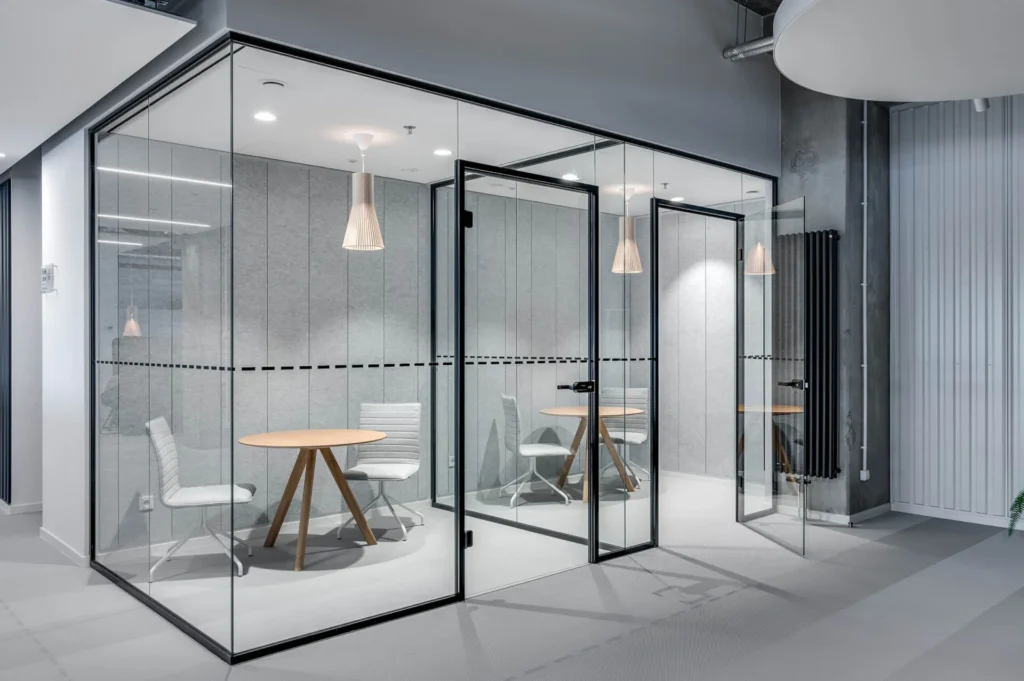
By carefully considering these factors, you can choose a glass door that not only enhances the beauty of your home but also meets your practical needs in terms of security, energy efficiency, and durability.
Frequently Asked Questions (FAQs)
Frosted or tinted glass is ideal for bathrooms as it provides privacy while still allowing light to enter the room.
Yes, using doors with energy-efficient glass and proper sealing can help reduce energy costs by maintaining better temperature control.
Yes, choosing tempered or laminated glass can ensure safety as these types of glass are designed to break into less harmful pieces if shattered.
Generally, sliding doors tend to be more cost-effective compared to French doors. The cost difference can be attributed to several factors, including the design complexity and the materials used. Sliding doors typically require less hardware and can be made with simpler mechanisms, which reduces manufacturing costs. French doors, with their more intricate designs, multiple panes, and heavier materials, often come at a higher price. Additionally, the installation process for French doors can be more complex and labor-intensive, potentially increasing the overall cost. However, prices can vary based on the materials, glass type, and customization options chosen, so it’s advisable to get quotes based on your specific needs and preference.
The safety of French doors versus sliding doors depends largely on their construction, the quality of materials used, and the locking mechanisms installed. Generally, both can be equipped to provide a high level of security, but there are some distinctions:
Sliding Doors: Modern sliding doors often come with multi-point locking systems that lock the door at various points along the sliding track, providing substantial security against forced entry. The use of reinforced or laminated glass can also enhance their security, making them more resistant to break-ins.
French Doors: French doors can also be very secure, particularly when equipped with high-quality deadbolts and a multi-point locking system that secures the doors at the top, middle, and bottom. Like sliding doors, the security of French doors can be increased with the use of impact-resistant glass and sturdy frames.