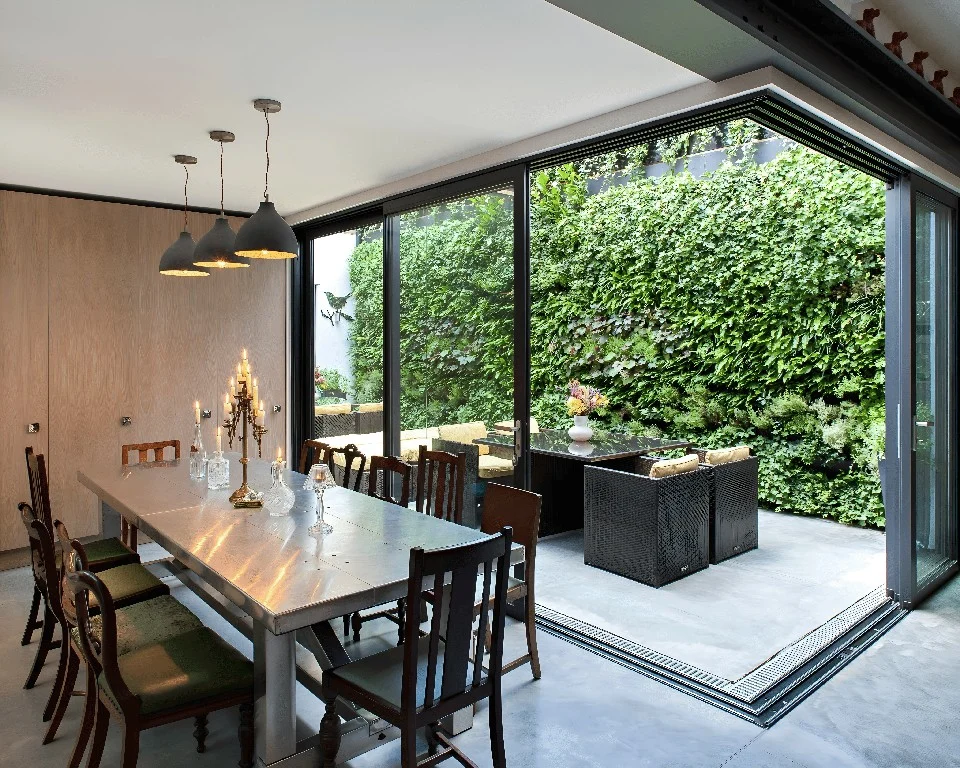
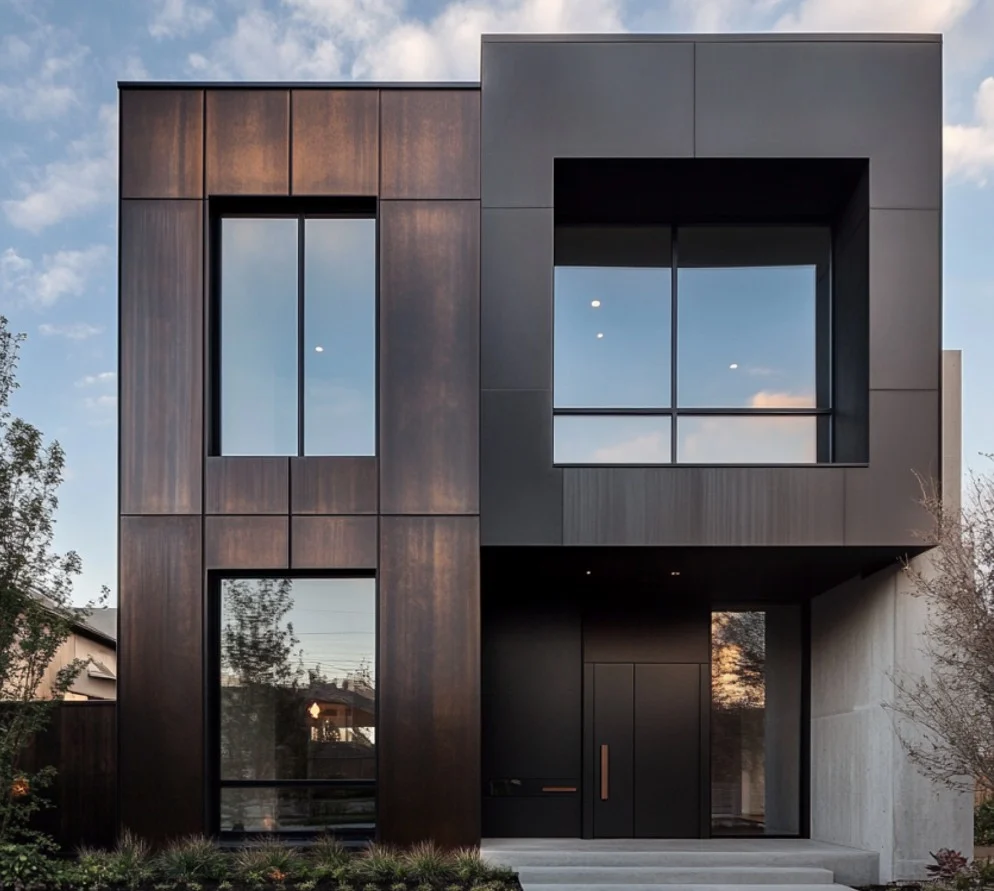
Ever seen a room with glass from nearly floor to ceiling and wondered what that kind of wall is called?
In modern homes, apartments, hotels, and commercial buildings, large glass walls are often used to bring in more natural light and open up the view. These systems are sometimes called window walls, curtain walls, or storefronts, but they are not the same.
What Is a Window Wall?
A window wall is a large glass wall system used on the exterior of a building. Instead of placing a few separate windows into a solid wall, a window wall uses larger sections of glass and framing to create a more open, floor-to-ceiling look.
In building design, a window wall is usually installed between floor slabs and built one floor at a time. This is different from a curtain wall, which is typically attached outside the building structure and may span multiple floors.
A window wall can include fixed glass panels, operable windows, sliding doors, balcony doors, insulated glass units, and aluminum or other frame materials. In residential projects, people may also use the term more casually to describe a wall made mostly of windows.
A window wall is usually not load-bearing. The main building structure carries the load, while the window wall helps provide daylight, views, weather protection, and insulation.
How Do Window Wall Systems Work?
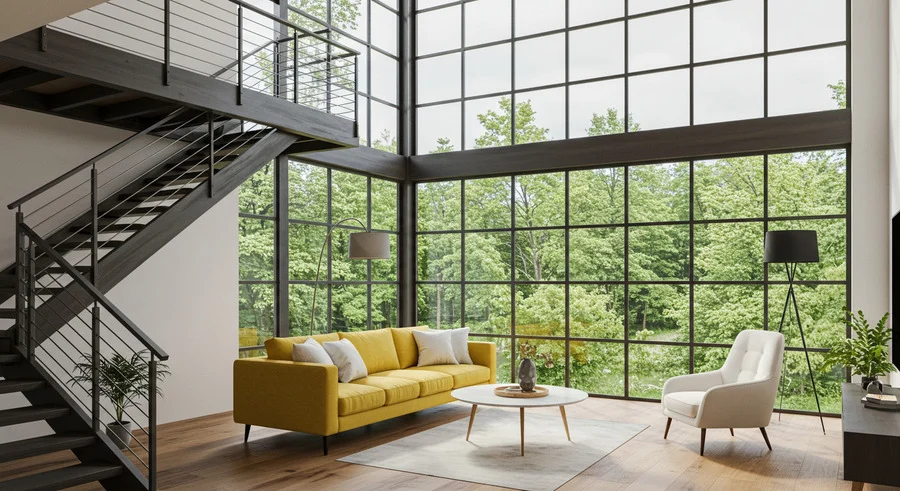
A window wall may look like one large glass surface, but it is made from several parts working together.
The main structure is the frame, which holds the glass panels in place. The vertical and horizontal frame members divide the wall into sections and support the glass. Most modern systems use insulated glass units to help improve comfort and energy performance.
The system is anchored to the building, often at the floor slab or surrounding structure. Because window walls are usually installed between slabs, they are commonly used in apartments, condos, hotels, and other multi-story residential buildings.
Seals, gaskets, and drainage details are also important. They help manage air and water, reduce leaks, and protect the interior from weather. When these details are poorly designed or installed, the system may have problems such as water leakage, drafts, or condensation.
How Much Does a Window Wall Cost?
The cost of a window wall can vary a lot, so it is better to think in ranges instead of expecting one fixed price.
For residential projects, recent cost guides commonly place installed window walls at around $75 to $300 per square foot, while another 2026 guide estimates about $200 to $650 per linear foot depending on the system, materials, and structural needs. These numbers should only be used as a rough planning range, not a final quote.
The final cost usually depends on:
- the total size of the wall
- frame material
- glass type and thickness
- double or triple glazing
- Low-E coating or other energy-efficient glass options
- fixed panels vs operable windows or doors
- installation difficulty
- structural preparation
- local labor rates
- building height and access conditions
In general, a simple window wall for a home will cost less than a highly engineered commercial curtain wall. But if the design needs oversized glass, premium frames, impact-rated glass, custom colors, or difficult installation work, the price can rise quickly.
Window Wall vs Curtain Wall vs Storefront
Window walls, curtain walls, and storefront systems can look similar at first because they all use large areas of glass. The real difference is in how they are installed, where they are used, and how much performance the building needs.
| System | How It Is Installed | Common Use | Best For |
|---|---|---|---|
| Window Wall | Installed between floor slabs, usually one floor at a time | Condos, apartments, hotels, modern homes | Large glass areas with a more residential-friendly system |
| Curtain Wall | Hung outside the building structure and can span multiple floors | Commercial towers, high-rise buildings, complex façades | Taller buildings and more demanding façade designs |
| Storefront | Typically installed at ground level, often around entrances | Retail shops, restaurants, offices, lobbies | Street-level glass, doors, and display windows |
A window wall is often used when a project wants a clean floor-to-ceiling glass look without using a full curtain wall system. Since it sits between slabs, it can work well for buildings with balconies, terraces, and operable windows or doors.
A curtain wall is usually the more engineered option. It is common on commercial buildings and high-rises because it can create a continuous glass exterior across multiple floors. It also allows more flexibility for complex façade shapes, larger spans, and higher-performance design requirements.
A storefront system is simpler and is most often used at the ground floor. You’ll usually see it on shops, restaurants, showrooms, and building entrances. It works well for street-level glass, but it is not usually the best choice for upper floors or large multi-story façades.
What Are the Pros of Window Walls?
Window walls are popular because they can change the feel of a space without making the design look complicated. They bring in more light, open up the view, and give the building a cleaner, more modern look.
More Natural Light
A window wall brings more natural light into the room by using larger areas of glass instead of small separate windows. This can make the space feel brighter, larger, and more comfortable, especially in living rooms, bedrooms, hotel rooms, offices, and scenic-facing spaces.
Better Views
Window walls are often used when the outside view is part of the design. Whether the building faces water, mountains, gardens, a city skyline, or an open landscape, a window wall can make the view feel closer and more continuous.
Modern Appearance
A window wall gives a building a clean, contemporary look. The larger glass panels, slim frames, and floor-to-ceiling design can make both the interior and exterior feel more open and refined.
Stronger Indoor-Outdoor Connection
When paired with sliding doors, balcony doors, or terrace access, a window wall can create a smoother connection between indoor and outdoor spaces. This is especially useful for patios, balconies, decks, courtyards, and rooms facing a good view.
Flexible Design Options
Window walls can be customized with different frame materials, glass types, sizes, and opening styles. They can be mostly fixed for views, or include operable windows and doors for ventilation and access.
What Are the Cons of Window Walls?
Window walls bring in a lot of light, but that also means heat, glare, and privacy need to be considered carefully. In hot climates, large glass areas may increase indoor heat gain; in colder areas, poor glass or frame choices may lead to heat loss. For rooms facing strong sun, glare can also become an issue, especially around TVs, desks, or work areas. Low-E glass, insulated glass, shading, curtains, or blinds can help reduce these problems.
Another concern is maintenance. A large glass surface shows dust, water spots, fingerprints, and exterior dirt more easily than standard windows. The frame, seals, and drainage details also need proper care over time, especially in exposed locations or multi-story buildings.
Installation quality matters a lot. If the window wall is not properly sealed, flashed, or drained, it may lead to leaks, drafts, or condensation. It also usually costs more than standard windows because of the larger glass panels, stronger framing, custom sizing, and more detailed installation work.
Types of Window Wall Systems
Window wall systems mainly come in several types, including aluminum window walls, vinyl or fiberglass window walls, fixed window walls, operable window walls, unitized systems, and site-built systems.
Aluminum Window Wall Systems
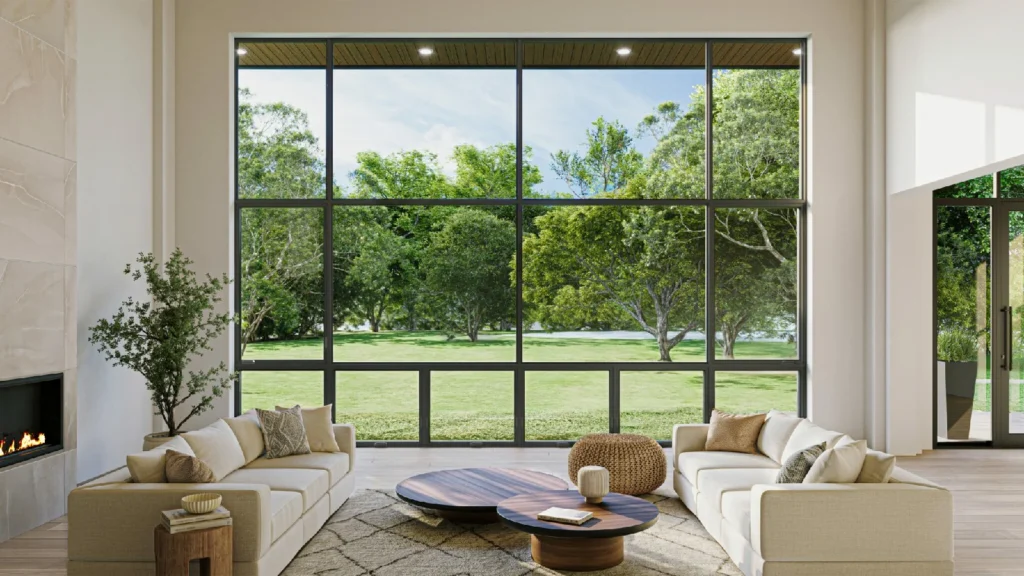
Aluminum window wall systems are one of the most common choices. Aluminum is strong, slim, and suitable for large glass panels. Many modern aluminum systems also use thermal breaks to help reduce heat transfer through the frame.
Vinyl, Fiberglass, and Wood-Clad Systems
Vinyl, fiberglass, and wood-clad systems are often used in residential projects. Vinyl is low-maintenance, fiberglass offers good strength and stability, and wood-clad systems provide a warmer interior look while protecting the exterior.
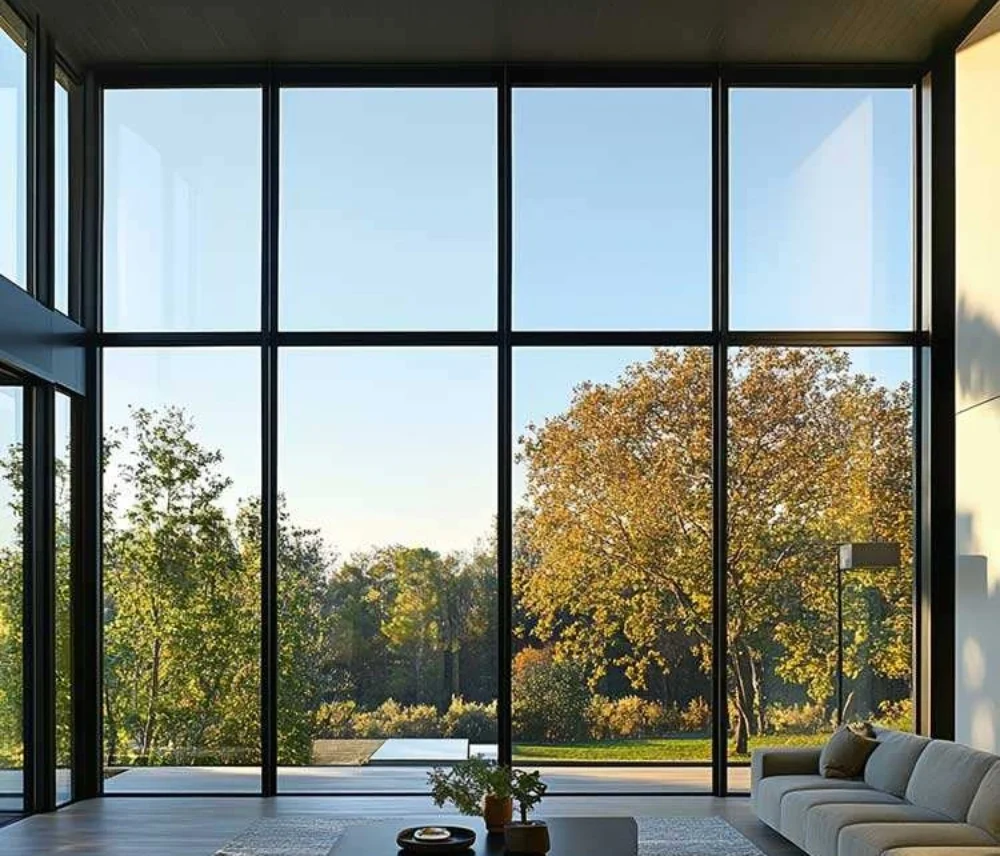
Fixed Window Wall Systems
Fixed window wall systems use glass panels that do not open. They are mainly used to bring in natural light, open up views, and create a clean glass-wall appearance in living rooms, stairwells, hotel rooms, and scenic-facing spaces.
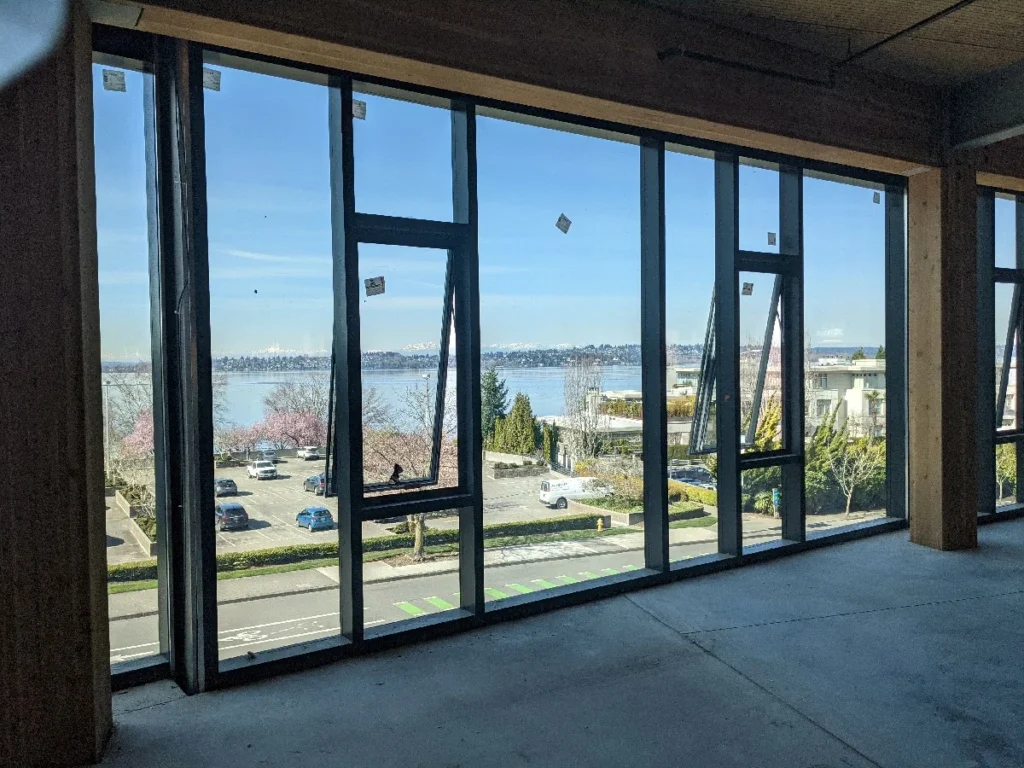
Operable Window Wall Systems
Operable window wall systems include sections that can open, such as awning windows, casement windows, sliding doors, balcony doors, or terrace doors. They are useful when the space needs ventilation, outdoor access, or a stronger indoor-outdoor connection.
Unitized and Site-Built Systems
Unitized window wall systems are pre-assembled in sections before arriving on site, which can help with consistency and installation speed. Site-built systems are assembled piece by piece during construction and may offer more flexibility for certain project conditions.
Where Are Window Walls Best Used?
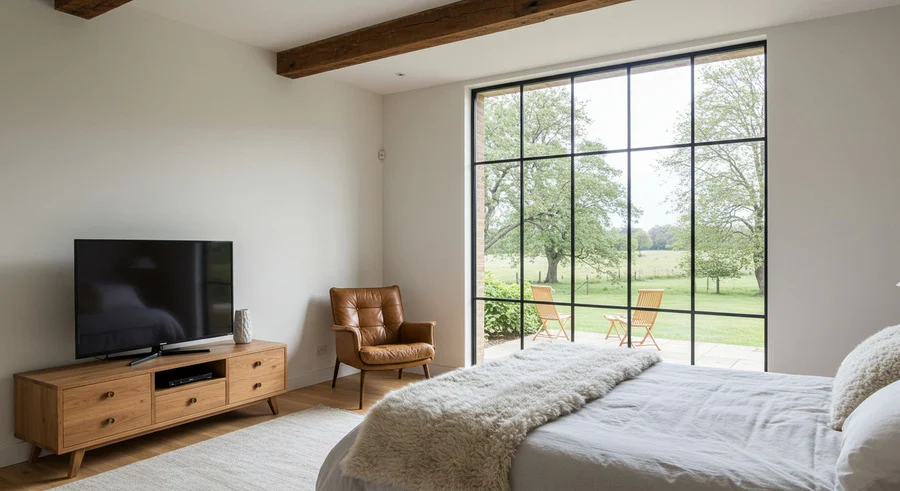
Window walls work best in spaces where light, views, and openness are important. In homes, they are often used in living rooms, dining rooms, bedrooms, stairwells, and rooms facing gardens, lakes, mountains, or city views. They are also a good fit for patios, balconies, terraces, and other areas where the design wants a stronger indoor-outdoor connection.
In larger buildings, window walls are commonly used in apartments, condos, hotels, and multi-family residential projects. They can provide a modern glass appearance while still allowing operable windows, balcony doors, or terrace access. For very tall buildings, complex façades, or projects with demanding structural requirements, a curtain wall system may be the better option.
How to Install Curtain Walls?
Curtain walls should be installed by professional façade or glazing contractors. The process usually starts with checking the building structure, opening dimensions, and anchor points.
Next, the frame system is fixed to the structure, and the glass panels are installed into the frame. Gaskets, sealants, flashing, and drainage details are then added to help control air and water.
Curtain walls can be installed as stick-built systems, assembled piece by piece on site, or unitized systems, pre-assembled in larger sections and lifted into place. Because curtain walls need to handle wind, water, and building movement, they are not recommended for DIY installation.
Where to Buy Window Walls?
Window walls are usually purchased from window and door manufacturers, façade system suppliers, or professional glazing contractors. For a small residential project, a local window and door company may be enough. For larger homes, apartments, hotels, or commercial buildings, it is better to work with a supplier that understands custom glass wall systems, frame materials, energy performance, waterproofing, and installation support.
Before choosing a supplier, look beyond the appearance and price. A good window wall system should match the building design, but it also needs to perform well over time. Pay attention to the glass type, frame material, insulation, drainage details, warranty, and whether the supplier can provide custom sizing for your project.
If you are looking for custom window wall solutions, PA Window can help you choose a system that fits your design, budget, and performance needs. Contact PA Window to discuss your project and get professional support for your next window wall design.
FAQs About Window Wall
A window wall usually costs more than standard windows because it uses larger glass panels, stronger frames, and custom installation. The final price depends on size, glass type, frame material, energy performance, and labor. For an accurate cost, it’s best to get a project-specific quote.
They can be. Energy performance depends on the glass type, frame material, Low-E coating, insulated glass, thermal breaks, and installation quality.
Yes. Some window wall systems include operable windows, sliding doors, balcony doors, or terrace doors for ventilation and access.
The lifespan depends on the frame material, glass quality, climate, maintenance, and installation. Regular cleaning and checking seals or drainage areas can help the system last longer.
In many projects, window walls are less expensive than curtain walls because they are installed floor by floor and usually require less complex engineering. But the final cost depends on the design and performance requirements.