A double hung window is one of the most common window styles in homes. It has two glass sashes stacked vertically, and both can move up and down.
That simple design is why it shows up in so many bedrooms, living rooms, hallways, and older-style homes. It looks familiar, does not take up extra space when opened, and gives you more control over ventilation than a basic single hung window.
What Is a Double Hung Window?
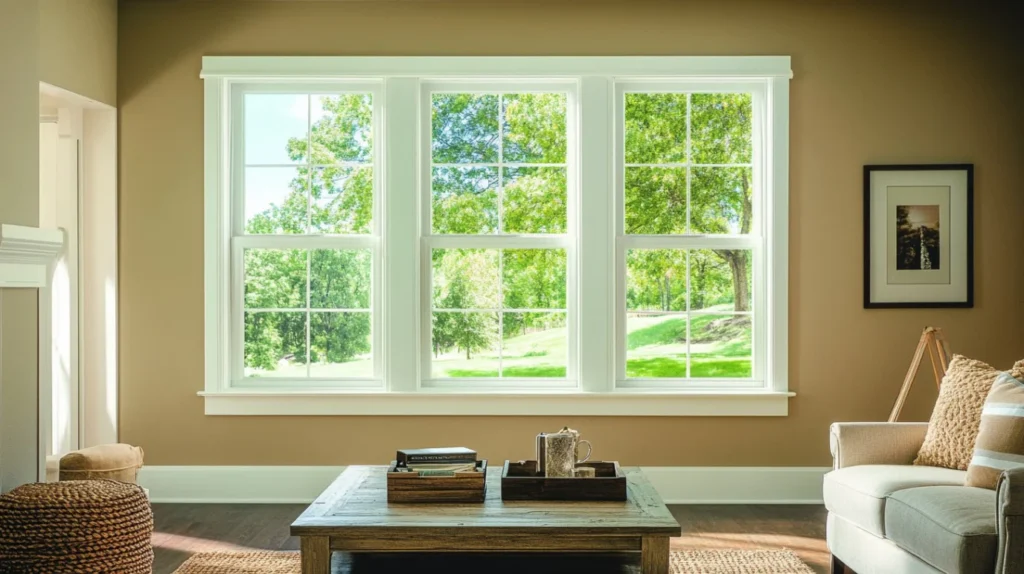
A double hung window is a vertical window with two movable sashes. A sash is the part of the window that holds the glass. In this style, both the upper sash and the lower sash can slide within the frame.
This is the main difference between a double hung window and a single hung window. On most single hung windows, only the lower sash opens. On a double hung window, both sashes can move.
Many modern double hung windows also come with tilt-in sashes, which allow the glass panels to tilt inward for easier cleaning from inside the home. This feature is common, but it depends on the specific window model.
How Double Hung Windows Work?
Double hung windows move along vertical tracks inside the frame. The lower sash can slide upward, and the upper sash can slide downward. When the window is closed, the two sashes meet in the middle, usually where the lock is located.
The window uses a balance system inside the frame to help hold the sashes in place when they are opened. This is what keeps the sash from dropping shut on its own and makes the window easier to lift or lower.
You can open the bottom sash, the top sash, or both at the same time. The exact movement may vary slightly by brand and model, but the basic idea is the same: two stacked sashes that slide vertically within one frame.
How Much Do Double Hung Windows Cost?
Double hung window prices vary by size, material, glass type, and installation. Retail unit prices are usually lower than the final installed cost, because labor, old window removal, trim work, and repairs may be charged separately.
Chart: Aluminum Double Hung Window Price
Here is a simple look at aluminium double hung window prices based on several retail product sizes.
| Product | Size | Unit price |
|---|---|---|
| Aluminum double hung window | 32 in. x 36 in. | $319 |
| 32 in. x 60 in. | $345 | |
| 36 in. x 60 in. | $356 | |
| 36 in. x 48 in. | $397 |
These prices are for the window unit only. The final installed cost can be higher depending on the window opening, local labor rates, old window removal, and any repair work needed around the frame.
What Are the Pros of Double Hung Windows?
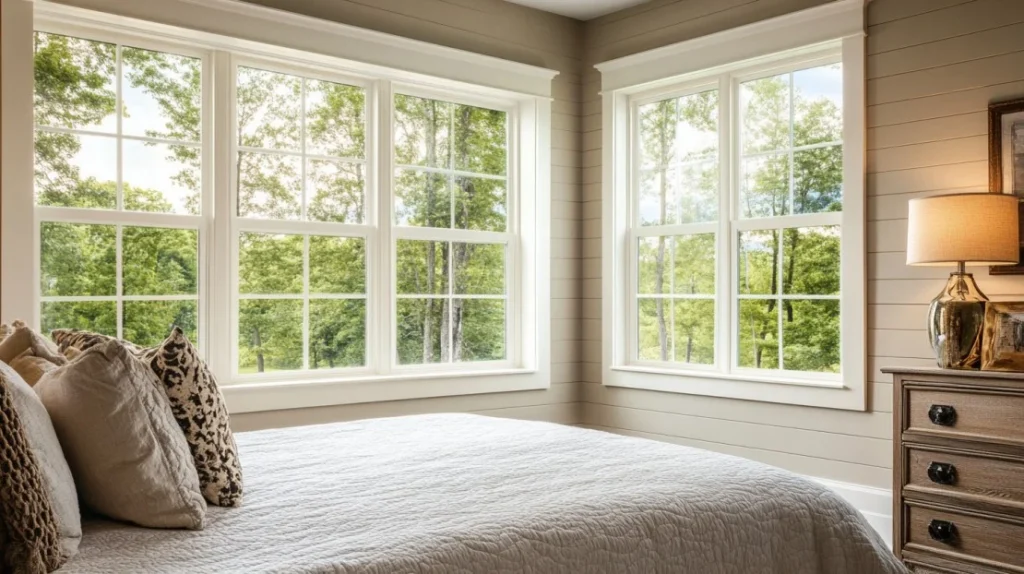
Double hung windows are popular because they are practical without being complicated. They work in many home styles and give you more flexibility than a basic single hung window.
Better ventilation control
You can open the lower sash, the upper sash, or both. This makes it easier to adjust airflow without opening the whole window from the bottom.
Easy to clean
Many double hung windows have tilt-in sashes, so you can clean the outside glass from inside the house. This is especially useful for upper-floor windows.
Space-saving design
Because the sashes slide up and down instead of swinging outward, double hung windows do not take up space on a patio, walkway, porch, or deck.
Classic appearance
Double hung windows have a traditional look that fits many homes, from older houses to newer builds with classic styling.
Widely available
Since this is such a common window style, it is usually easy to find different sizes, materials, colors, grid patterns, and price levels.
What Are the Cons of Double Hung Windows?
Double hung windows have more moving parts than simpler window styles, so they can cost more and may need more maintenance over time. Locks, tracks, balances, and weatherstripping all affect how smoothly the window opens and how well it seals.
They also may not be the best fit for every space. The middle rail breaks up the view, and in hard-to-reach areas, such as above a deep sink or bathtub, lifting and lowering the sash may feel less convenient than using a crank or sliding window.
Double Hung vs Single Hung Windows
A common question is: what is the difference between single and double hung windows?
| Feature | Double hung window | Single hung window |
|---|---|---|
| Sash movement | Both upper and lower sashes move | Usually only the lower sash moves |
| Ventilation | More flexible | More limited |
| Cleaning | Often easier, especially with tilt-in sashes | Can be harder to clean from outside |
| Cost | Usually higher | Usually more affordable |
| Best for | Bedrooms, upper floors, rooms needing flexible airflow | Budget-friendly replacements, first-floor rooms |
What Are the Best Materials for Double Hung Windows?
The best material for a double hung window depends on your budget, climate, home style, and how much maintenance you want to deal with. Common options include vinyl, wood, fiberglass, aluminum, and composite frames; major window brands also commonly offer double hung windows across materials like vinyl, fiberglass, wood, aluminum-clad wood, and aluminum.
| Material | Best for | What to know |
|---|---|---|
| Vinyl | Budget-friendly replacements | Low-maintenance and widely available. A practical choice for many homes. |
| Wood | Traditional or high-end homes | Warm, classic look, but usually costs more and needs more upkeep. |
| Fiberglass | Durability and stability | Strong, long-lasting, and often more expensive than vinyl. |
| Aluminum | Slim frames and modern looks | Durable, but not always the best insulator unless thermally improved. |
| Composite | Balanced performance | Designed to offer strength, lower maintenance, and a more finished look. |
Are Double Hung Windows Good for Bedrooms or Egress?

Double hung windows can work well in bedrooms because they offer flexible ventilation and do not swing into the room or outward into walkways. They are also useful on upper floors when the sashes tilt inward for easier cleaning.
For egress, the answer depends on the exact window size and how far it opens. A double hung window is not automatically an egress window. Under common IRC-based requirements, an emergency escape and rescue opening often needs at least 5.7 sq. ft. of net clear opening area, at least 24 inches of net clear opening height, at least 20 inches of net clear opening width, and a sill no more than 44 inches above the floor. Ground-floor openings may have a lower 5.0 sq. ft. area requirement, but local rules can vary.
If the window is for a bedroom, especially a basement bedroom, check the product’s egress chart or ask the installer to confirm code compliance before ordering.
How to Clean Double Hung Windows
Many modern double hung windows are easier to clean because the sashes can tilt inward, letting you reach the exterior glass from inside the home. Milgard and Pella both describe tilt-in sashes as a common cleaning feature on double hung windows.
A typical cleaning process looks like this:
- Unlock the window and raise the lower sash slightly.
- Release the tilt latches and gently tilt the lower sash inward.
- Clean the exterior and interior glass with a mild cleaner or soapy water.
- Lower the upper sash, release its tilt latches, and clean it the same way.
- Push both sashes back into place and make sure they lock properly.
Do not force the sash if it feels stuck. The tilt mechanism can vary by brand, so it is best to follow the manufacturer’s instructions for your specific window model.
Where to Buy Double Hung Windows?
You can buy double hung windows from home improvement stores, local window dealers, or window manufacturers. Retail stores are useful for comparing standard sizes and basic prices, while a professional window supplier can help with custom sizing, frame materials, glass options, and installation details.
For the best fit, measure the opening carefully and compare more than just the unit price. The right window should match your home’s style, ventilation needs, energy goals, and budget.
If you need help choosing a double hung window or want a custom quote, contact PA Window for more window design options and pricing details.
FAQs About Double Hung Windows
Yes, double hung windows are worth it if you want flexible ventilation, easy cleaning, and a classic look. They usually cost more than single hung windows, but the added convenience can be useful, especially for bedrooms and upper-floor rooms.
In most cases, yes. Double hung windows often cost more than single hung windows because they have two operable sashes and more hardware. The final price also depends on size, frame material, glass type, and installation work.
Standard double hung windows are often available in widths from 24 to 48 inches and heights from 36 to 72 inches. Common sizes include 28 in. x 48 in., 32 in. x 48 in., and 36 in. x 60 in., though exact options vary by brand and product line.
Always check the actual product size and rough opening size before ordering. For replacement windows, even a small measurement difference can affect the fit, so custom sizing may be needed for older homes or non-standard openings.
To maintain double hung windows, clean the glass and tracks regularly, check the locks and tilt latches, and remove dirt or debris that may make the sashes harder to slide. If the window feels stiff, use a manufacturer-approved lubricant on the tracks or hardware instead of forcing it open.
Also check the weatherstripping once or twice a year. If you notice drafts, loose seals, damaged caulk, or a sash that will not stay open, it may be time to repair the hardware or have the window inspected. Good maintenance helps the window open smoothly and seal properly over time.
Neither is always better. Double hung windows are usually better for taller, narrower openings and traditional home styles. They also give you flexible top-and-bottom ventilation.
Sliding windows are often better for wider openings, modern spaces, or rooms where you want a broader horizontal view. The better choice depends on the opening size, room layout, and the look you want.