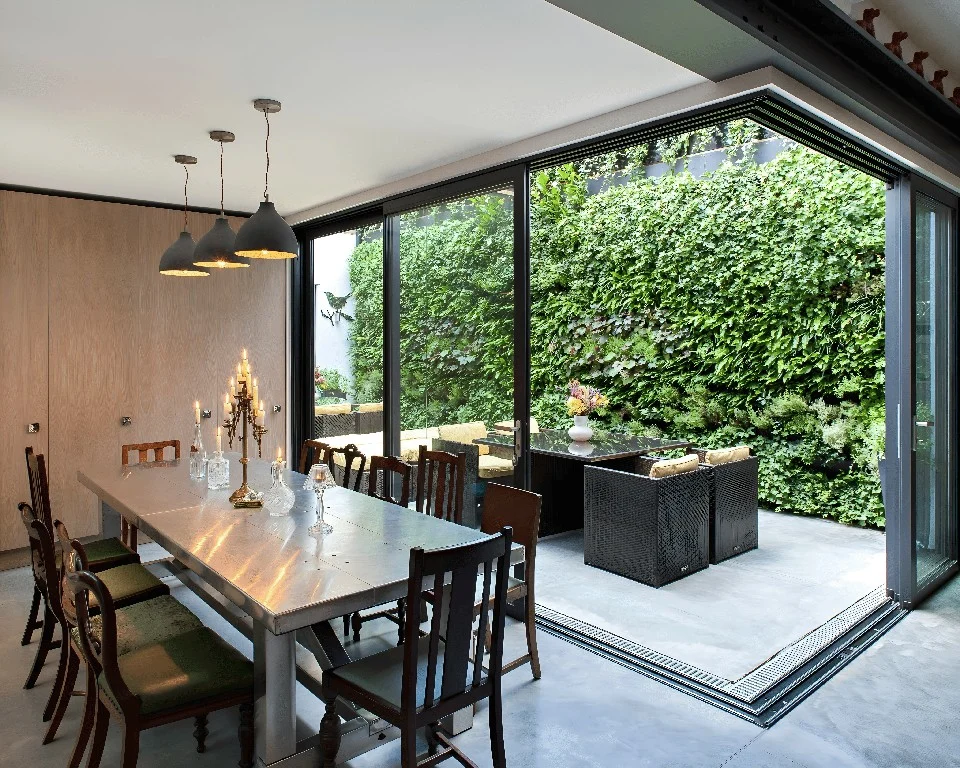
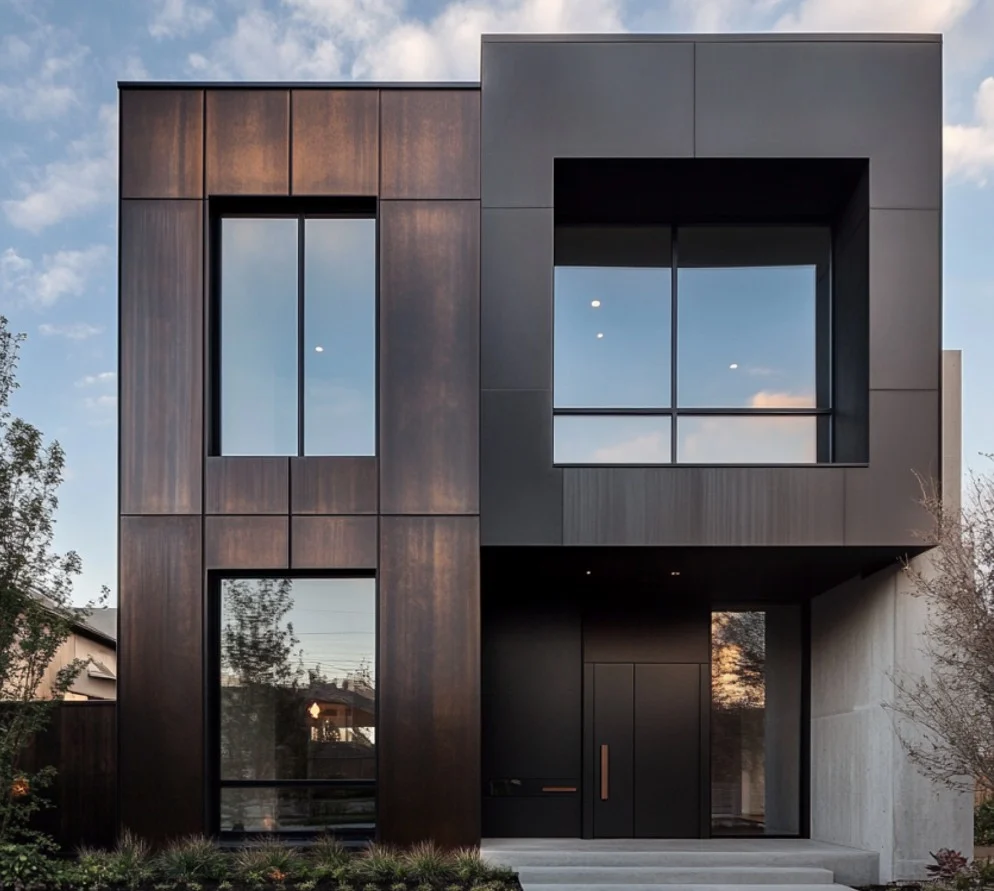
Energy-efficient windows help your home stay warmer in winter, cooler in summer, and more comfortable throughout the year. They are designed to reduce heat transfer, limit drafts, and lower the amount of energy your HVAC system needs to use.
They are not just for lowering utility bills. Good energy-efficient windows can also reduce cold spots, block excess solar heat, protect interiors from UV fading, and make a home feel quieter and better sealed.
What Are Energy-Efficient Windows?
Energy-efficient windows are windows designed to reduce heat loss, heat gain, and air leakage. Instead of relying on one feature, they usually combine insulated glass, Low-E coatings, gas fills, efficient frames, better spacers, and tight seals.
A window’s efficiency is usually measured by ratings such as U-factor, Solar Heat Gain Coefficient, visible transmittance, and air leakage. The NFRC label is the standard way to compare these ratings, and ENERGY STAR certification helps identify products that meet energy-performance requirements for specific climate zones.
How Do Energy-Efficient Windows Work?
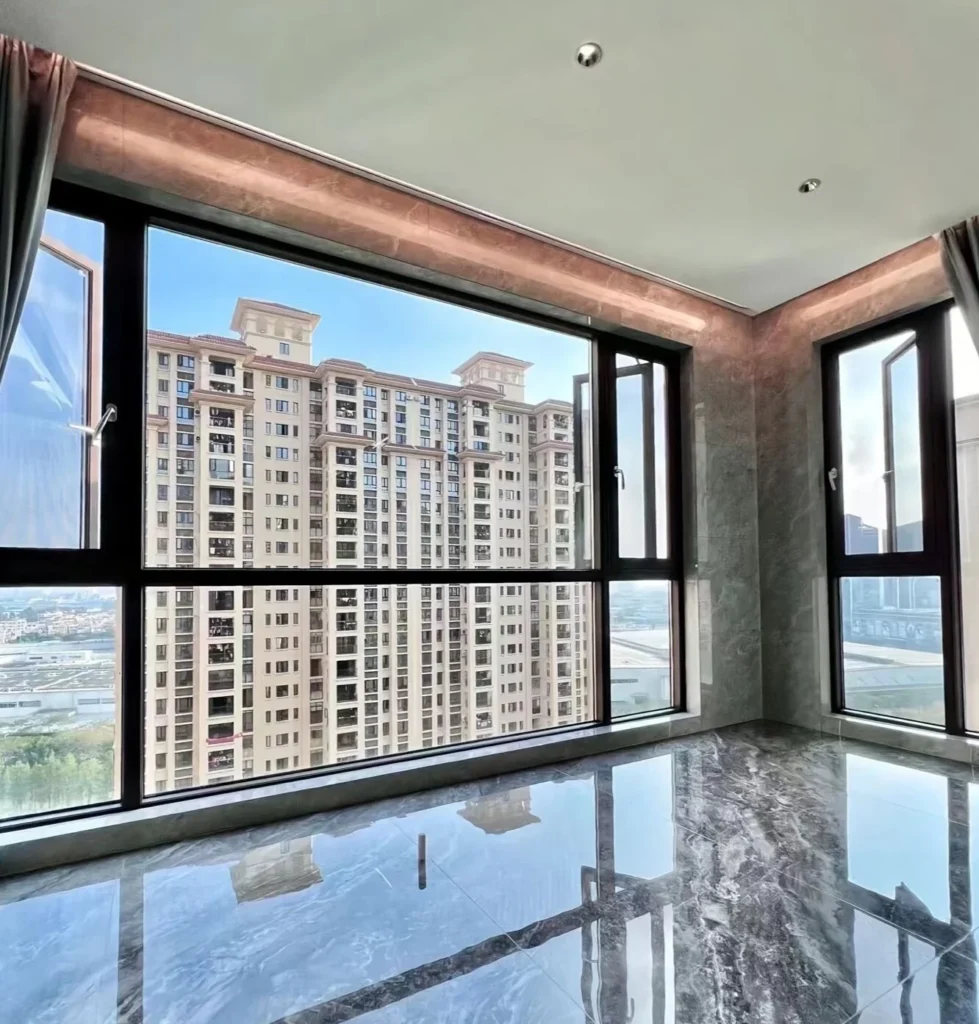
Energy-efficient windows work by slowing the movement of heat through the glass, frame, and edges of the window.
Double- or triple-pane glass adds insulating layers. Low-E coatings reflect heat. Argon or krypton gas fills reduce heat transfer between panes. Warm-edge spacers reduce heat loss around the glass edge. Insulated frames and better seals help limit drafts.
In colder climates, the goal is usually to keep indoor heat from escaping. In warmer climates, the goal is often to block unwanted solar heat before it enters the home. DOE recommends looking for ENERGY STAR and NFRC labels, choosing low U-factor windows for colder climates, and selecting coatings that reduce heat gain in warmer climates.
What Are the Energy Benefits of Efficient Windows?
Energy-efficient windows can improve how your home uses energy while making indoor spaces feel more comfortable.
Lower heating and cooling use
Efficient windows help slow heat loss in winter and reduce unwanted heat gain in summer. This allows your HVAC system to maintain indoor temperatures with less effort.
Fewer drafts and cold spots
Better seals, insulated glass, and efficient frames help reduce air leakage and temperature swings near windows. Rooms can feel more even and comfortable throughout the day.
Better control of solar heat
The right Low-E glass package can help block excess heat from the sun, especially on south- and west-facing windows. This is useful for rooms that overheat in the afternoon or homes in warmer climates.
Improved comfort near large windows
Efficient windows help the interior glass surface stay closer to room temperature. That makes seating areas, bedrooms, and living spaces near windows feel less cold in winter and less hot in summer.
Potentially lower energy bills
Energy savings vary by climate, existing window condition, utility rates, and installation quality. ENERGY STAR says certified windows, doors, and skylights can reduce heating and cooling costs by an average of up to 13% compared with non-certified products.
How Much Do Energy-Efficient Windows Cost?
The cost of energy-efficient windows depends on size, frame material, glass package, style, brand, installation complexity, and local labor rates. A basic vinyl double-pane replacement window will usually cost much less than a custom wood or fiberglass triple-pane window.
| Cost Factor | Lower-Cost Option | Higher-Cost Option |
|---|---|---|
| Frame material | Vinyl | Wood, fiberglass, or composite |
| Glass package | Double-pane Low-E glass | Triple-pane glass with premium coatings |
| Window style | Standard double-hung or sliding windows | Large picture, bay, bow, or custom-shaped windows |
| Installation type | Simple replacement insert | Full-frame replacement or structural repair |
| Customization | Standard size and color | Custom size, dark exterior, grille patterns, or specialty hardware |
For larger replacement projects, costs can add up quickly. The 2025 Cost vs. Value Report lists the national average job cost for vinyl window replacement at $22,073 and wood window replacement at $26,781.
How Much Money Do Energy-Efficient Windows Save?
Savings depend on what you are replacing. If your current windows are old, single-pane, drafty, or poorly sealed, the improvement can be more noticeable. If your existing windows are already newer double-pane units, the savings may be smaller.
ENERGY STAR says upgrading to certified windows can lower household energy bills by an average of 12%, while certified windows, doors, and skylights can reduce heating and cooling costs by an average of up to 13% compared with non-certified products.
The real value is often a mix of energy savings, comfort, quieter rooms, better appearance, and fewer draft problems.
What Type of Window Is Most Energy-Efficient?
Different window styles perform differently because some seal more tightly than others.
Fixed or Picture Windows
Fixed windows are usually the most energy-efficient style because they do not open. Fewer moving parts mean fewer places for air to leak. They are a strong choice for large views, stairwells, living rooms, and areas where ventilation is not needed.

Casement Windows
Casement windows are often one of the most efficient operable window styles. When closed, the sash presses tightly against the frame, creating a strong seal. They work well in bedrooms, kitchens, and rooms where ventilation matters.

Awning Windows
Awning windows also seal tightly and can provide ventilation while helping keep light rain out. They are often used in bathrooms, basements, and higher wall placements.

Double-Hung Windows
Double-hung windows are popular and practical, but they have more moving parts than fixed or casement windows. A high-quality double-hung window can still be energy efficient, especially with good weatherstripping and professional installation.

Sliding Windows
Sliding windows are easy to operate and work well in wide openings, but they may not seal as tightly as casement or awning styles. They can still be a good choice when space, design, or budget makes them practical.

Frame Materials Compared
Frame material affects insulation, strength, maintenance, appearance, and price. It also affects the overall U-factor of the window, not just the look of the product.
| Frame Material | Energy Performance | Maintenance | Cost Level | Best For |
|---|---|---|---|---|
| Vinyl | Good insulation and strong value | Low | $ | Budget-friendly replacements and low-maintenance homes |
| Wood | Naturally insulating | Medium to high | $$$ | Traditional homes, historic style, and premium interiors |
| Fiberglass | Strong, stable, and efficient | Low | $$$ | Long-term durability and performance |
| Composite | Good balance of strength and insulation | Low to medium | $$–$$$ | Homeowners who want durability with less upkeep than wood |
| Aluminum | Strong but conducts heat easily unless thermally broken | Low | $$ | Modern designs, mild climates, and large glass areas |
For most homeowners, vinyl offers the best value. Wood offers the most classic look. Fiberglass and composite are strong choices for durability and long-term performance. Aluminum can work well in the right design, but it needs thermal breaks to perform well in hot or cold climates.
Double-Pane vs. Triple-Pane vs. Storm Windows
These three options are often compared, but they are not the same type of upgrade.
| Option | What It Is | Main Advantage | Main Drawback | Best For |
|---|---|---|---|---|
| Double-pane windows | Two panes of glass with an insulating space between them | Strong balance of performance and cost | Less insulating than triple-pane windows | Most standard replacement projects |
| Triple-pane windows | Three panes of glass with two insulating spaces | Better insulation, comfort, and noise reduction | Higher cost and heavier units | Cold climates, high-performance homes, and noise-sensitive rooms |
| Storm windows | An extra window layer installed over existing windows | Lower-cost way to improve existing windows | Does not fully replace old window performance | Historic homes, budget upgrades, and existing frames in good condition |
Double-pane windows are enough for many homes. Triple-pane windows make more sense in colder climates, high-efficiency homes, or rooms where comfort and noise control are top priorities. Storm windows are worth considering when the existing windows are still structurally sound and full replacement is not the best option.
Are Energy-Efficient Windows Tax Deductible?
Energy-efficient windows are usually connected to tax credits, not tax deductions. A deduction lowers taxable income, while a credit reduces the amount of tax owed.
For qualifying exterior windows and skylights, the IRS Energy Efficient Home Improvement Credit has included a limit of $600, subject to eligibility rules and annual limits. Labor costs for installing building envelope components generally do not qualify. Homeowners should always check the current IRS rules, product requirements, installation date, and local rebate programs before buying.
Do Energy-Efficient Windows Increase Home Values?
Energy-efficient windows can increase home value, especially when old windows are drafty, fogged, damaged, hard to open, or outdated in appearance.
The value is not only resale price. New efficient windows can improve curb appeal, comfort, buyer confidence, and inspection results. According to the 2025 Cost vs. Value Report, vinyl window replacement recoups about 76% of its cost at resale, while wood window replacement recoups about 70%.
They are usually most worthwhile when they solve visible or noticeable problems: drafts, condensation, poor operation, worn frames, or uncomfortable rooms.
Where to Buy Energy-Efficient Windows?
You can buy energy-efficient windows from window manufacturers, local dealers, home improvement stores, replacement window companies, and certified installers. Before choosing, compare the ENERGY STAR label, NFRC ratings, U-factor, SHGC, frame material, glass package, warranty, and installation details.
It is also worth getting more than one quote and asking which window package is best suited for your local climate and home design. The right window should balance energy performance, comfort, durability, and long-term value.
PA Window offers certified energy-efficient window products designed to meet recognized performance standards. Our team can help you compare glass packages, frame materials, and window styles based on your home’s needs.
For certified energy-efficient windows and expert product guidance, Pls feel free to contact PA Window.
FAQs About Energy-Efficient Windows
You can improve old windows by adding caulk, weatherstripping, window insulation film, cellular shades, or storm windows. These upgrades can help reduce drafts and improve comfort, especially when the existing window frames are still in good condition.
Hurricane windows can be energy efficient, but impact resistance and energy efficiency are not the same thing. To confirm energy performance, check the window’s ENERGY STAR certification, NFRC label, U-factor, and SHGC rating.
Yes, they can be worth it if your current windows are drafty, single-pane, damaged, fogged, or uncomfortable to sit near. The biggest benefits are usually better comfort, lower energy use, improved curb appeal, and fewer air leaks.
Impact windows can be energy efficient when they include features such as Low-E glass, insulated glass units, gas fills, and efficient frames. Always compare the NFRC ratings instead of assuming all impact windows are energy efficient.
Glass block windows can be energy efficient because their thick, sealed blocks help reduce air leakage and provide better insulation than some older single-pane windows. However, they are not always as efficient as modern ENERGY STAR certified windows with Low-E glass and insulated frames. Check the product’s U-factor, SHGC, and overall performance ratings before choosing.